Knowledge Turned into Action: How the East SOS School Up Project is Driving Change in Hromadas
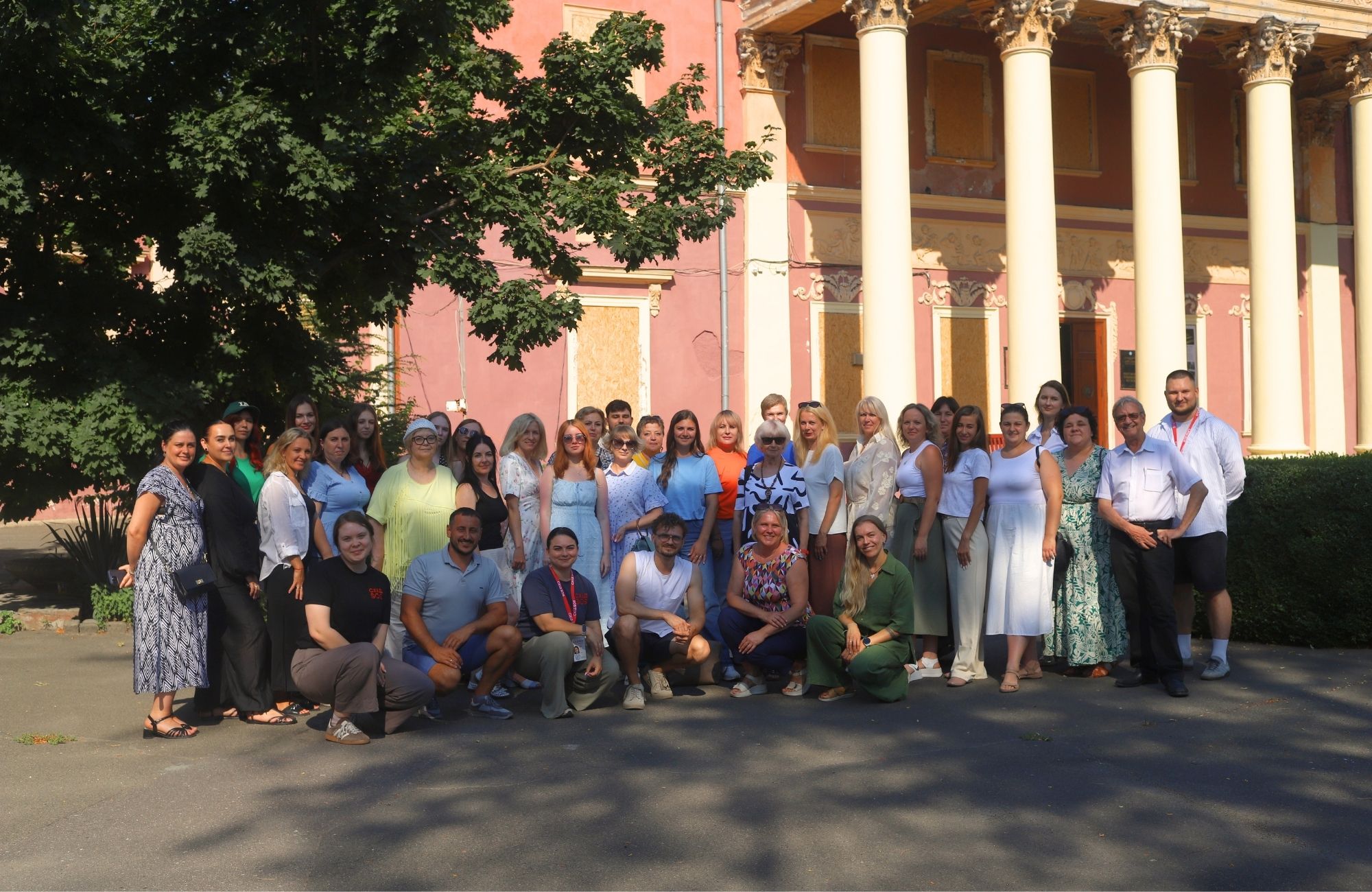
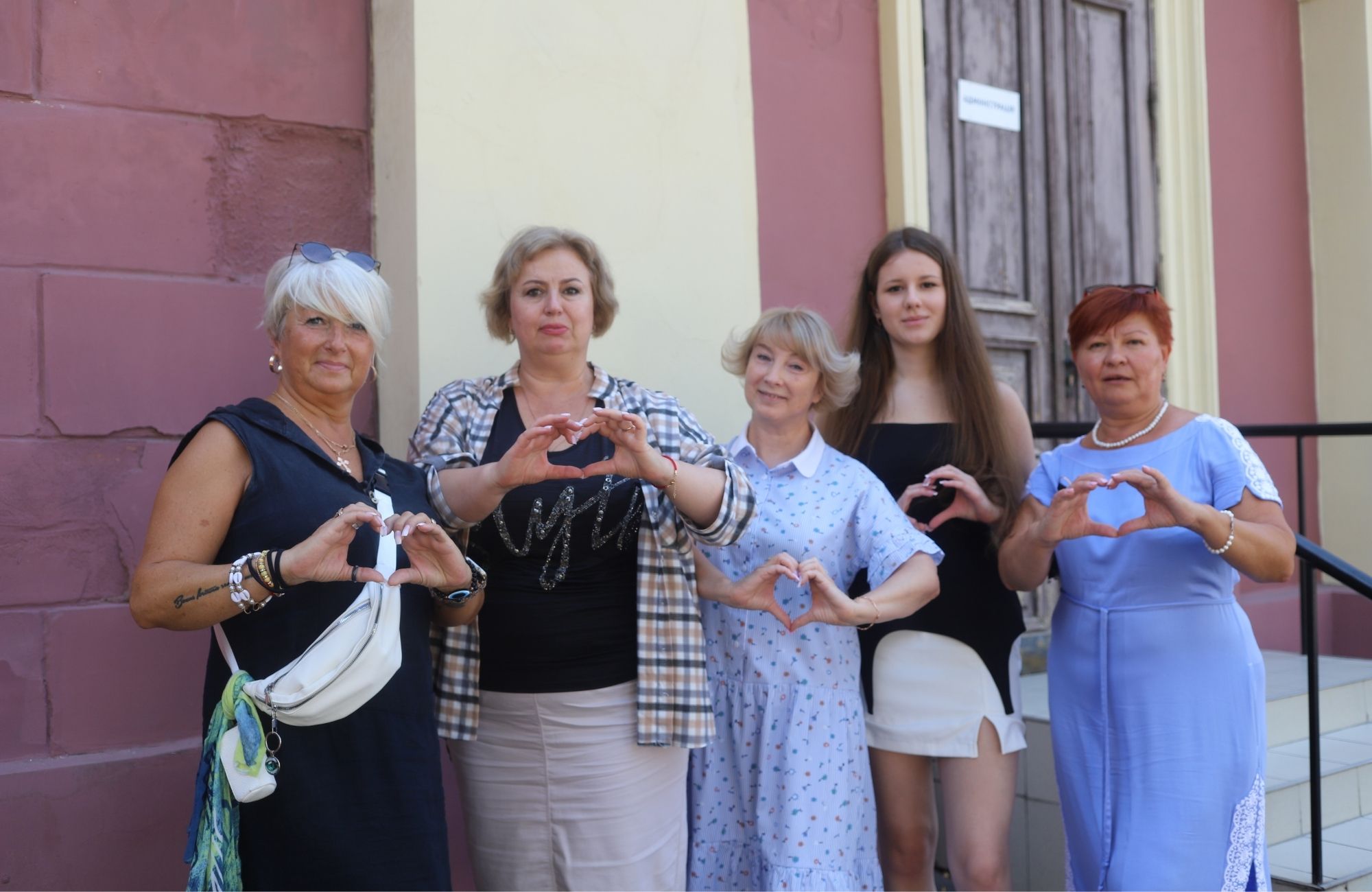
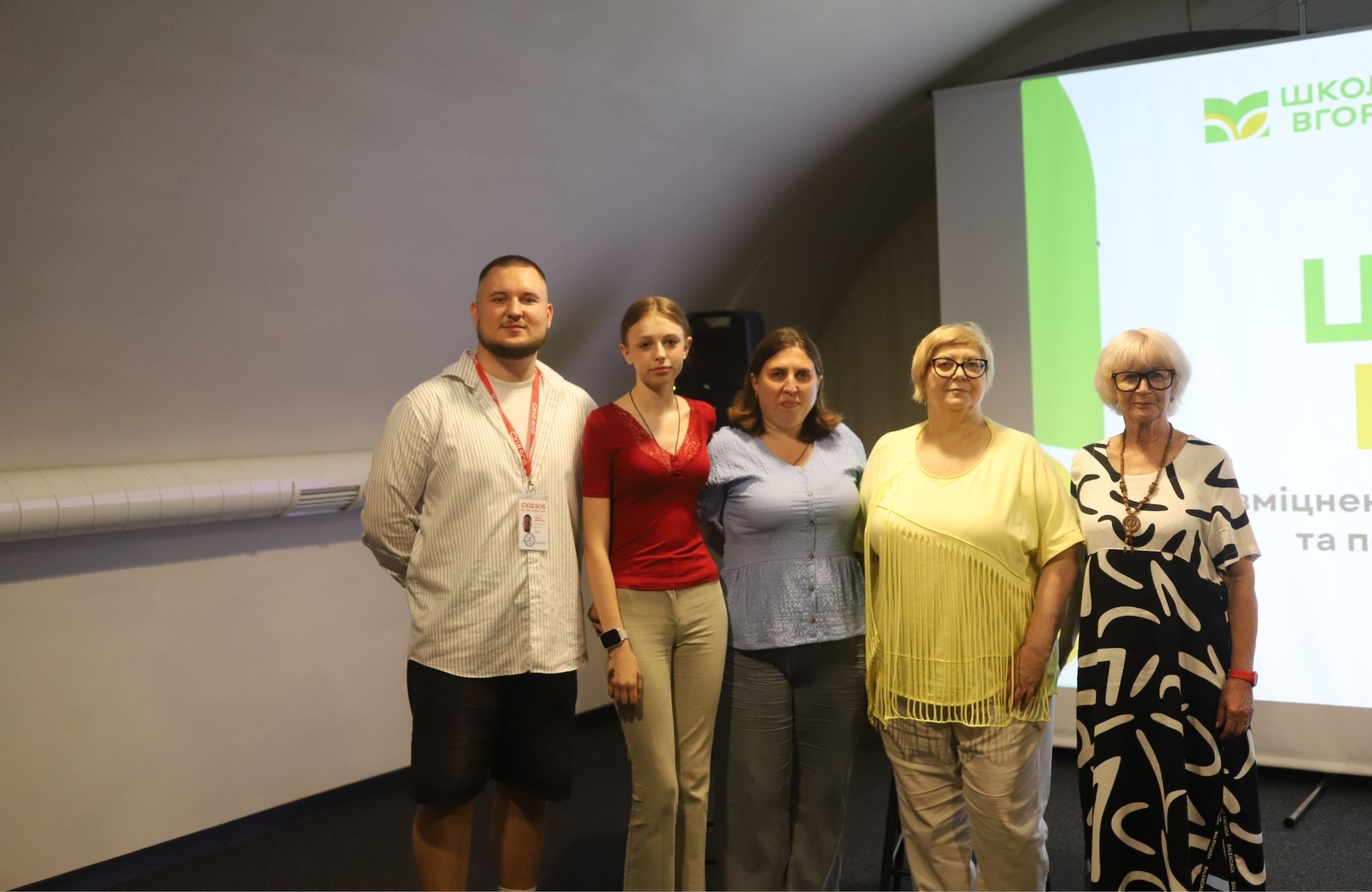
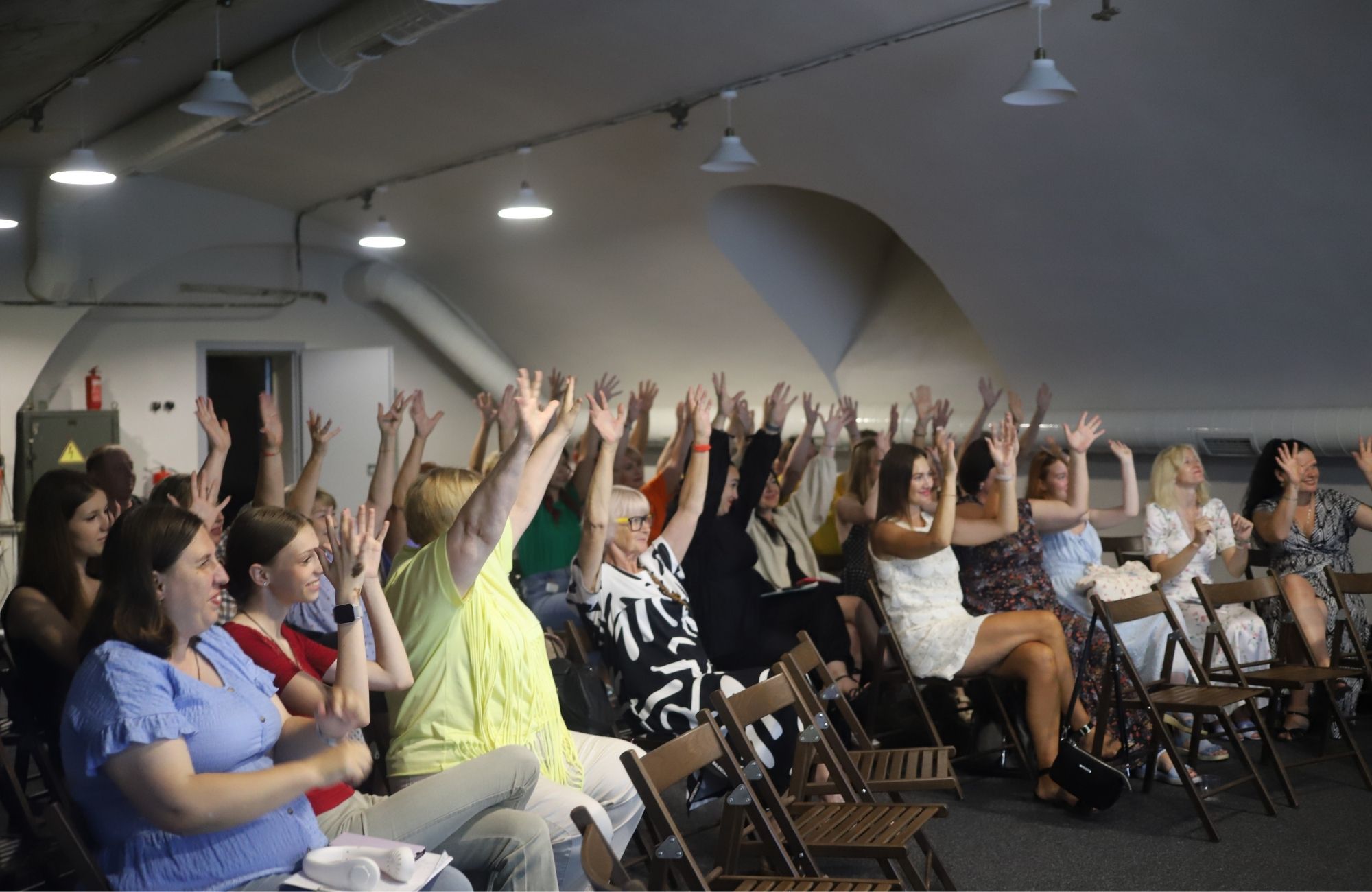
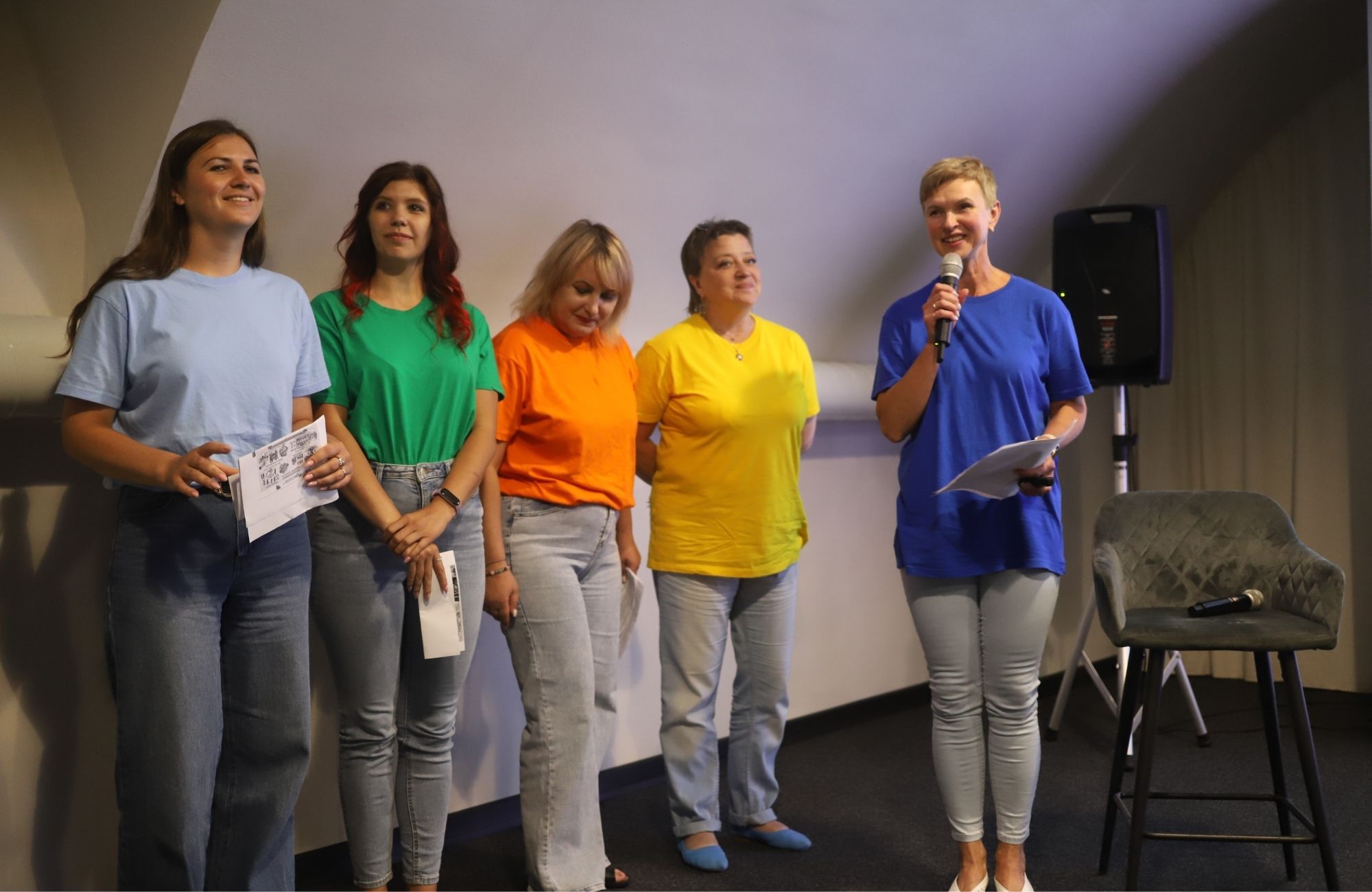
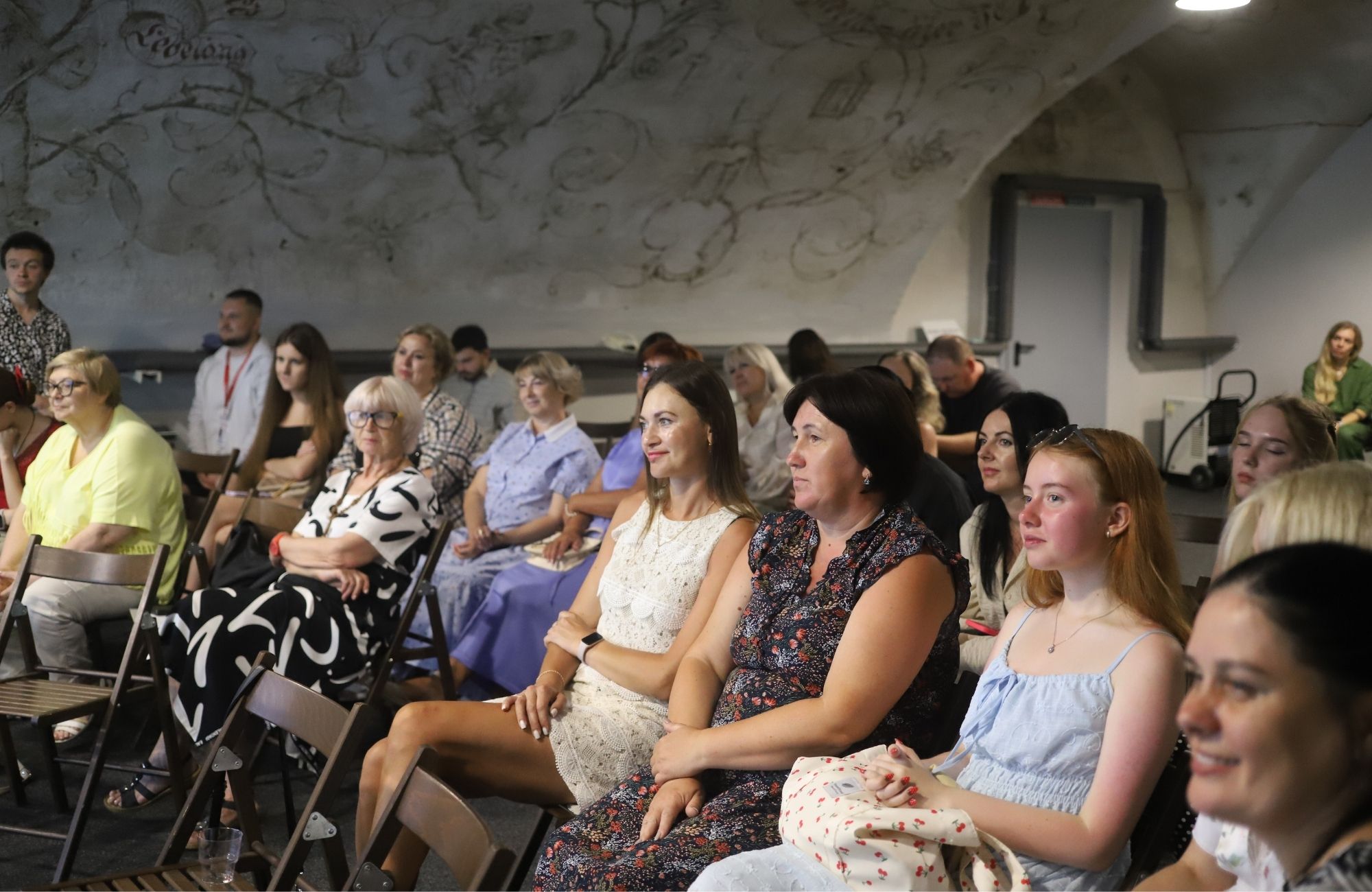
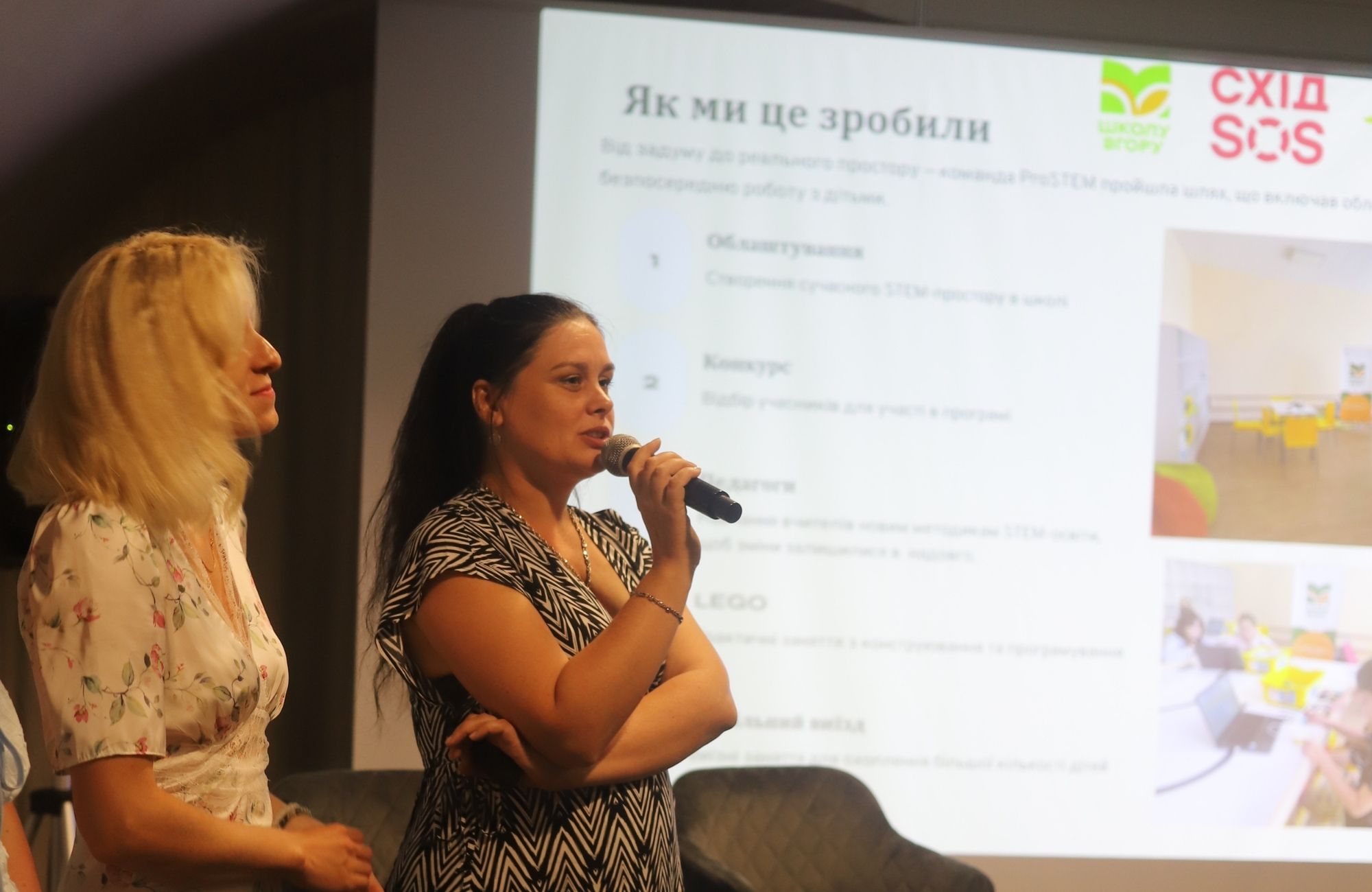
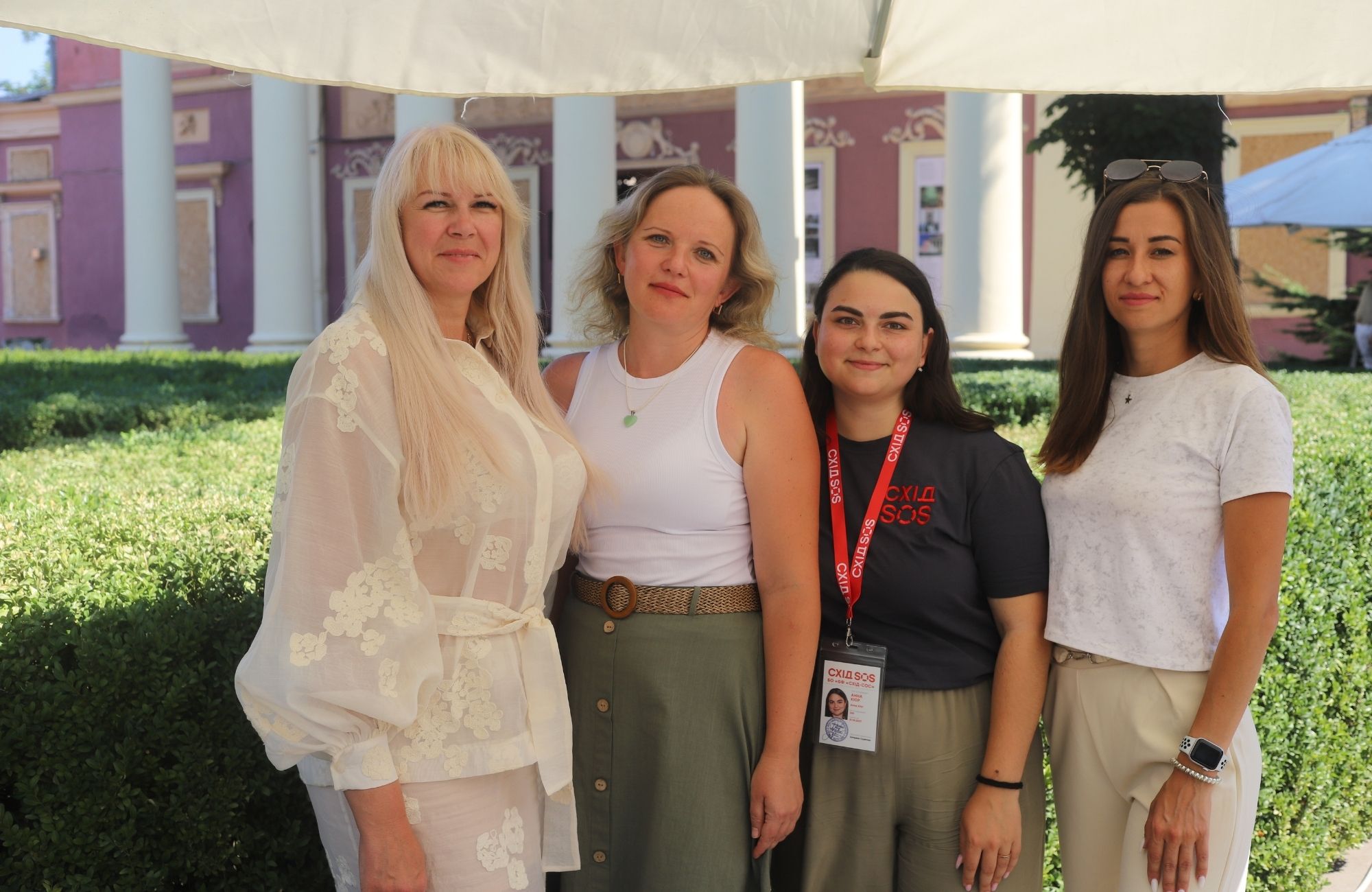
In early August 2026, East SOS held the final event of its School Up project in Odesa.
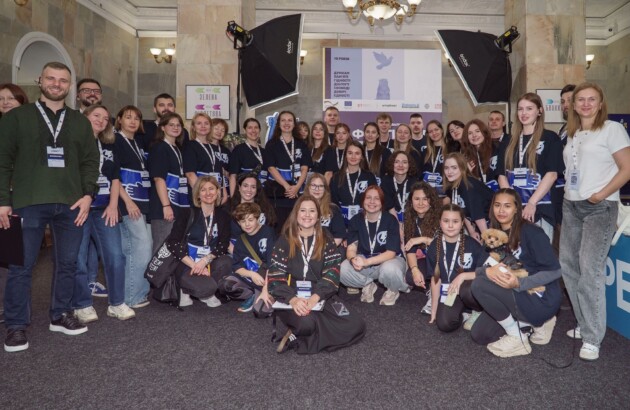
We brought together nearly 50 educators and pupils from different parts of Ukraine who, since early 2025, had been learning about project management (through the 2025 and 2026 Boot Camps) and digital competencies. They explored innovative solutions to the challenges facing their schools and hromadas and turned their ideas into projects that make a difference.
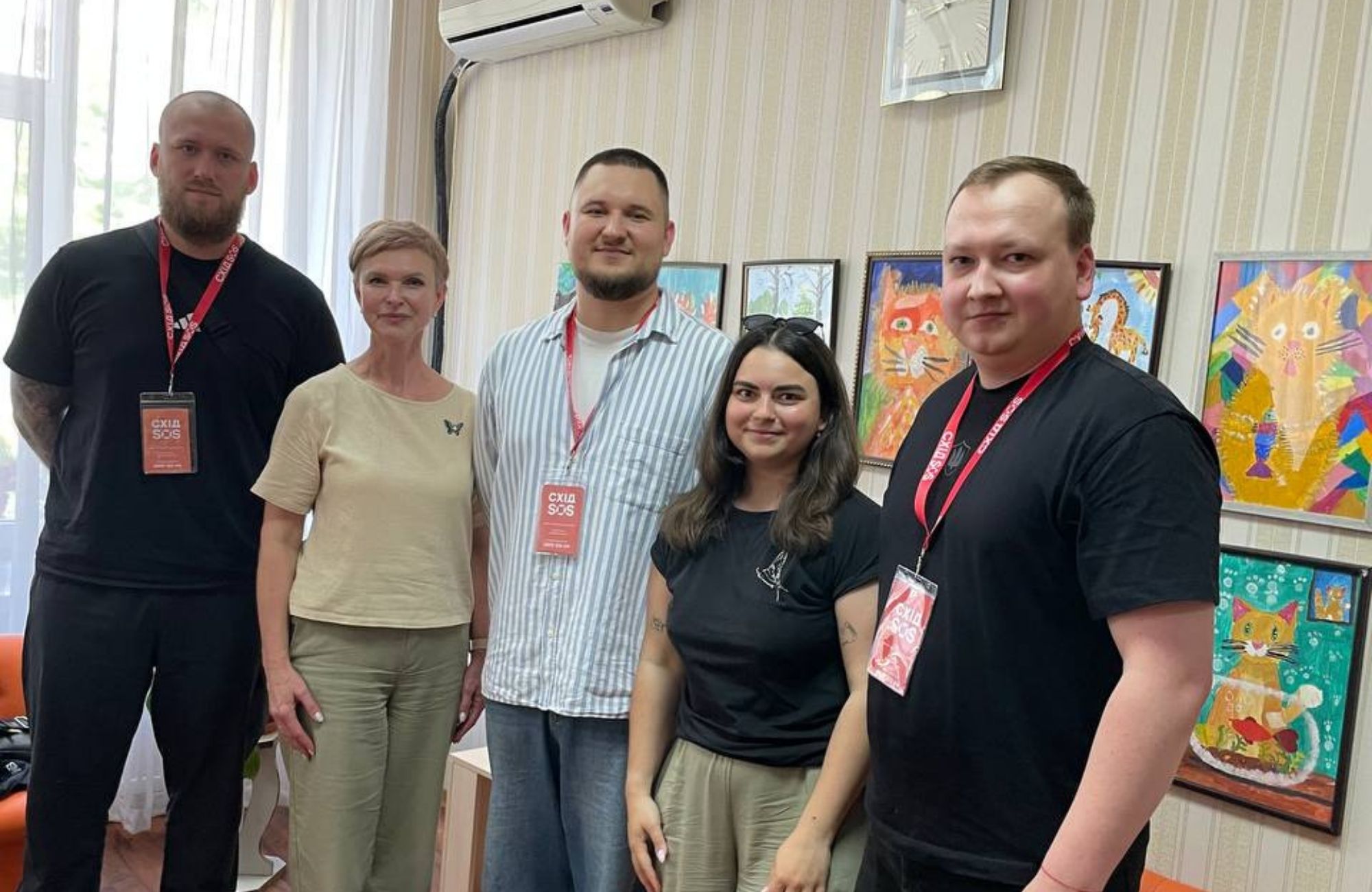
Our Danish partners also joined the final event: Julie Arnfred Bojesen, Board Member of the Danish Helsinki Committee for Human Rights and Director of the Ukrainian-Danish Youth House; Leif Lønsmann Larsen, Vice Chair of the Danish Helsinki Committee for Human Rights; and Yuliia Samokhvalova, Board Member and Project Coordinator at the Danish Helsinki Committee for Human Rights. They shared their experience of Ukrainian-Danish partnerships with the participants, spoke about the importance of cooperation between the Danish Helsinki Committee for Human Rights and East SOS, and explained the principles underpinning this partnership.
The partners also shared practical experience of working together, explaining how communication, joint planning, and coordination take place between partner organizations.
For project participants, the event was an opportunity to meet the people who support our work. For our partners, it was a chance to see firsthand how this support translates into practical changes in schools and hromadas during the war.
The event also brought together representatives of schools that took part in the School Up project’s project management training. This year, five educational institutions from Dnipropetrovsk, Mykolaiv, Chernihiv, and Sumy oblasts took part. Over six months, their teams went from identifying a need to implementing their own projects for their hromadas.
Here are the stories of how those needs turned into support and change in hromadas.
1. Pryvovchanskyi Lyceum: A Botanical Garden as a Space for Recovery
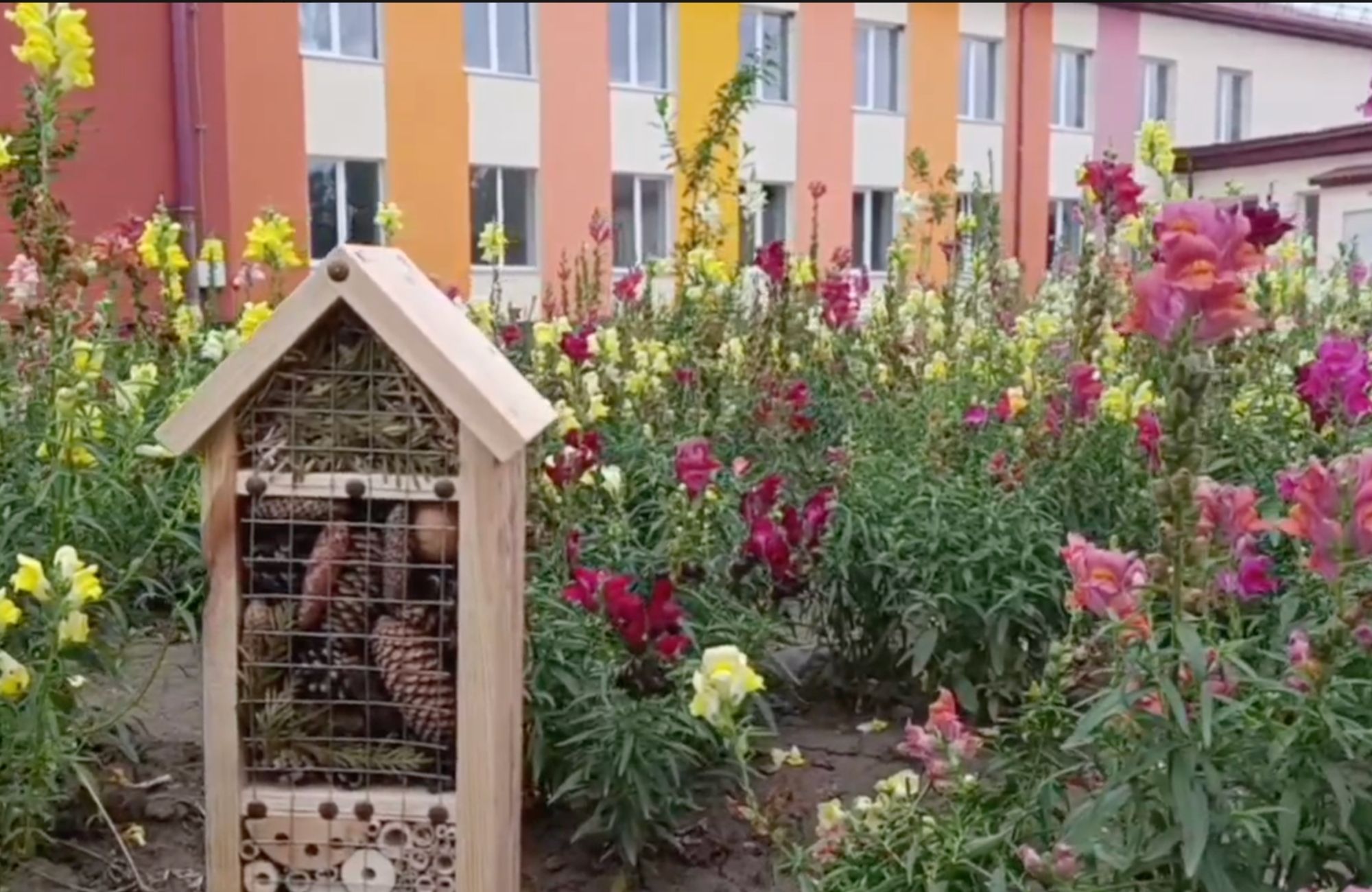
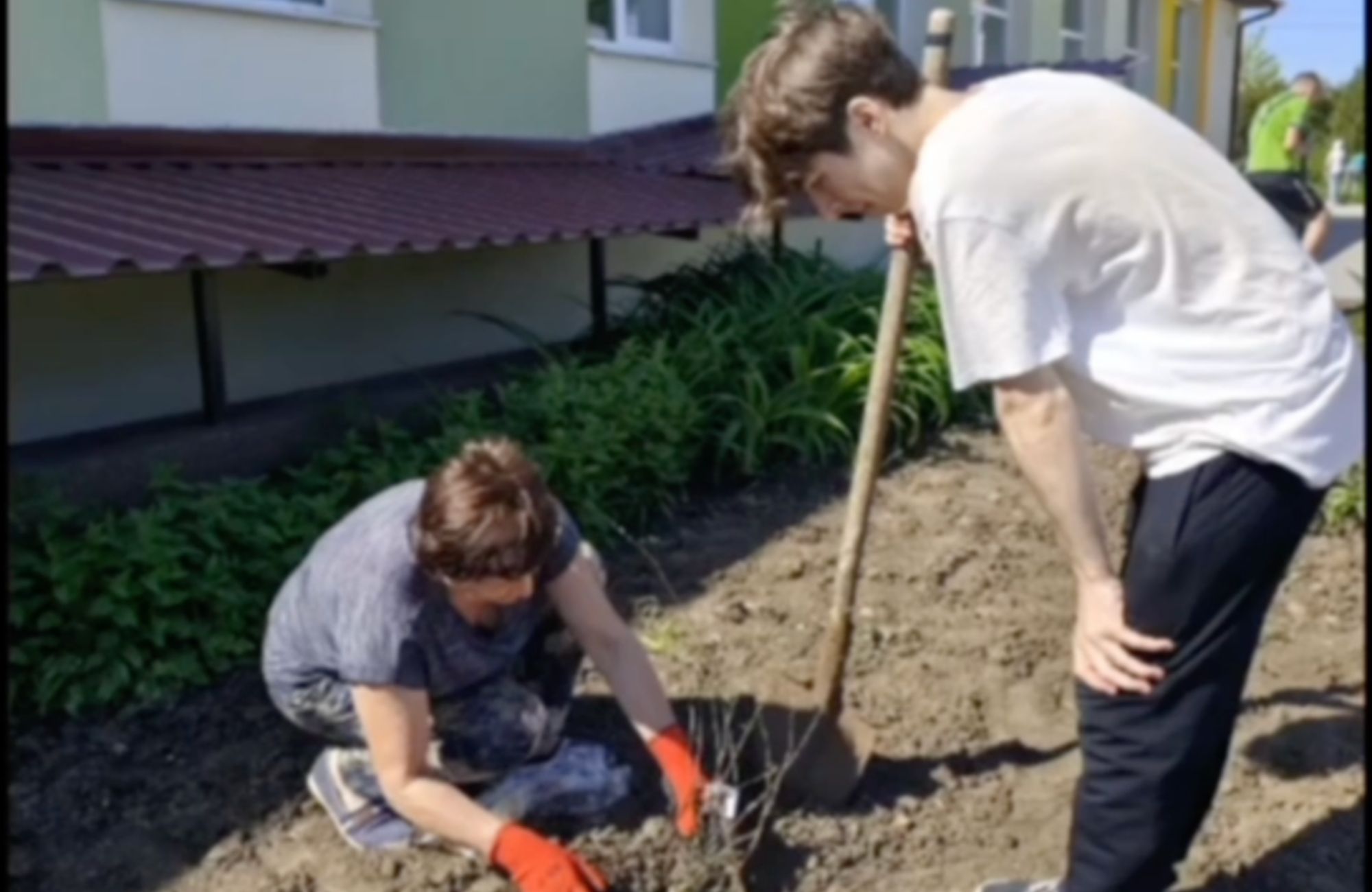
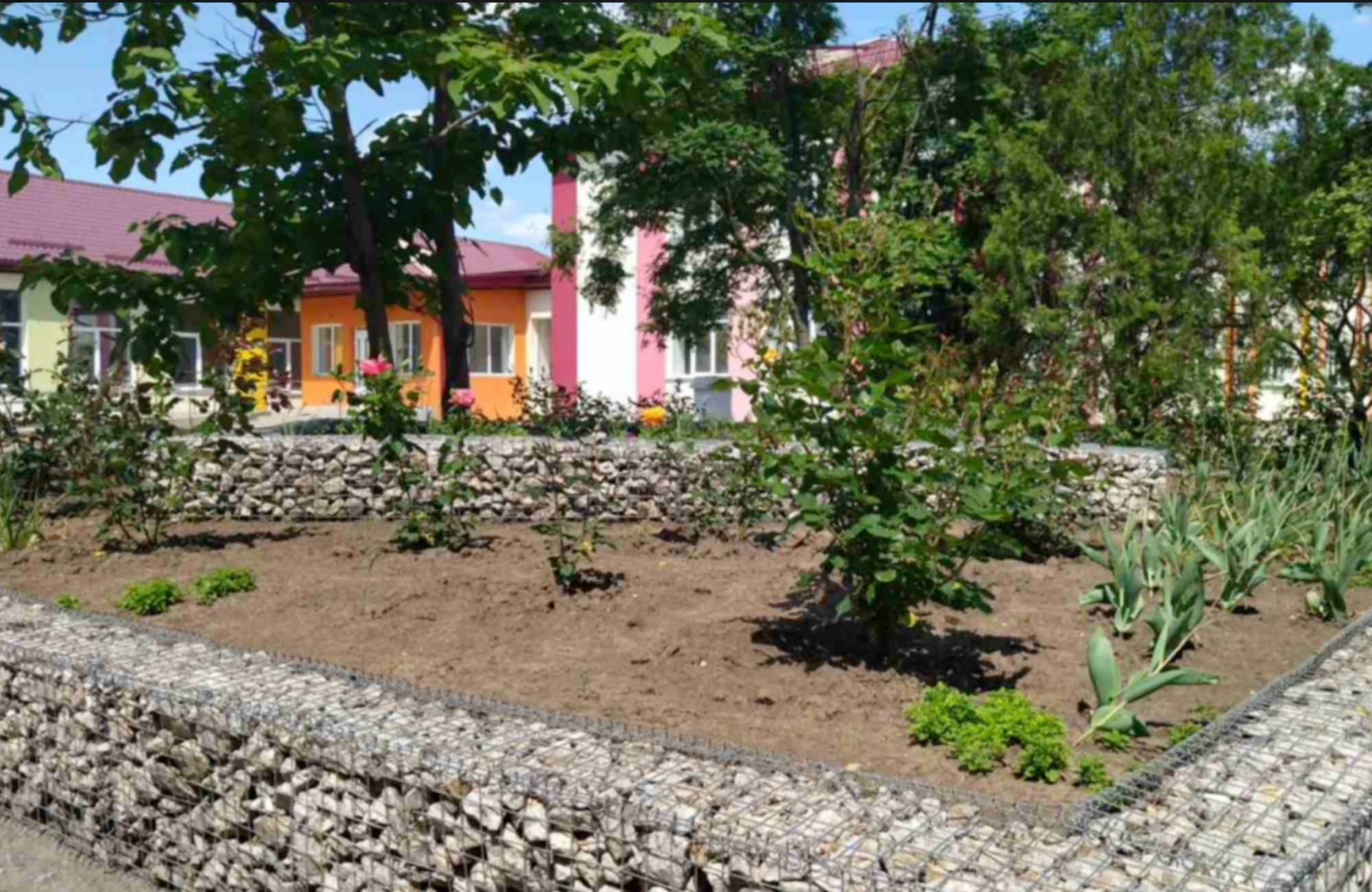
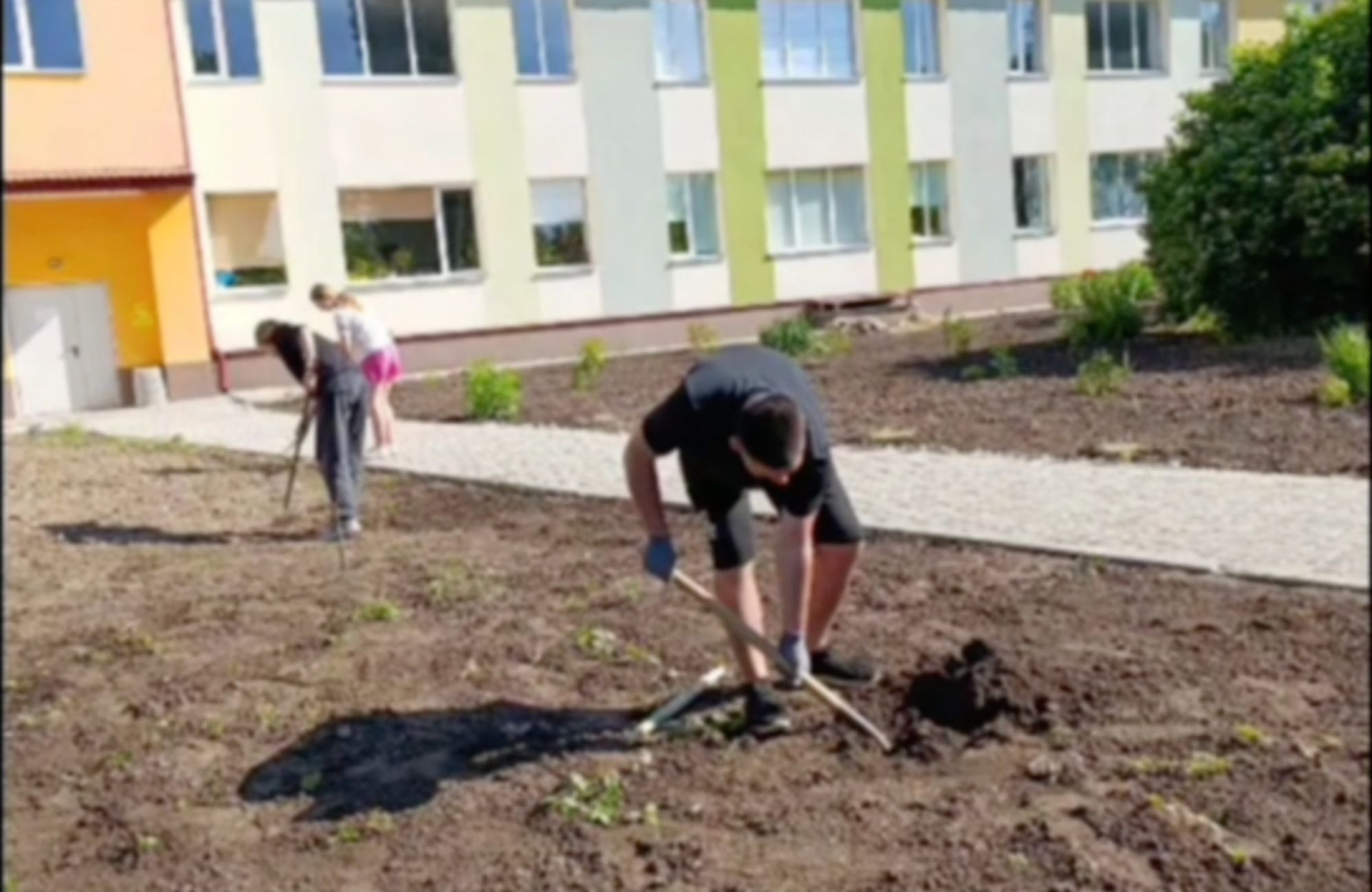
At Pryvovchanskyi Lyceum in Dnipropetrovsk Oblast, the team was looking for a way to create a place where children and members of the hromada could not only learn but also recover and recharge. This led to the idea of bringing the school’s botanical garden back to life – an outdoor space that could be used for therapeutic activities, socializing, and recreation.
The lyceum team worked on the idea with mentors as part of the School Up project and set up a plan for practical solutions. Support from East SOS made it possible to turn the idea into a practical initiative and restore a space open not only to pupils but also to the entire hromada.
Today, the botanical garden serves as a place for recovery and interaction outdoors. It is an example of how a school space can serve many more purposes than simply being a place to study.
2. Dnipro Gymnasium No. 46: Learning to See a Challenge, Not a Dead End, in a Crisis
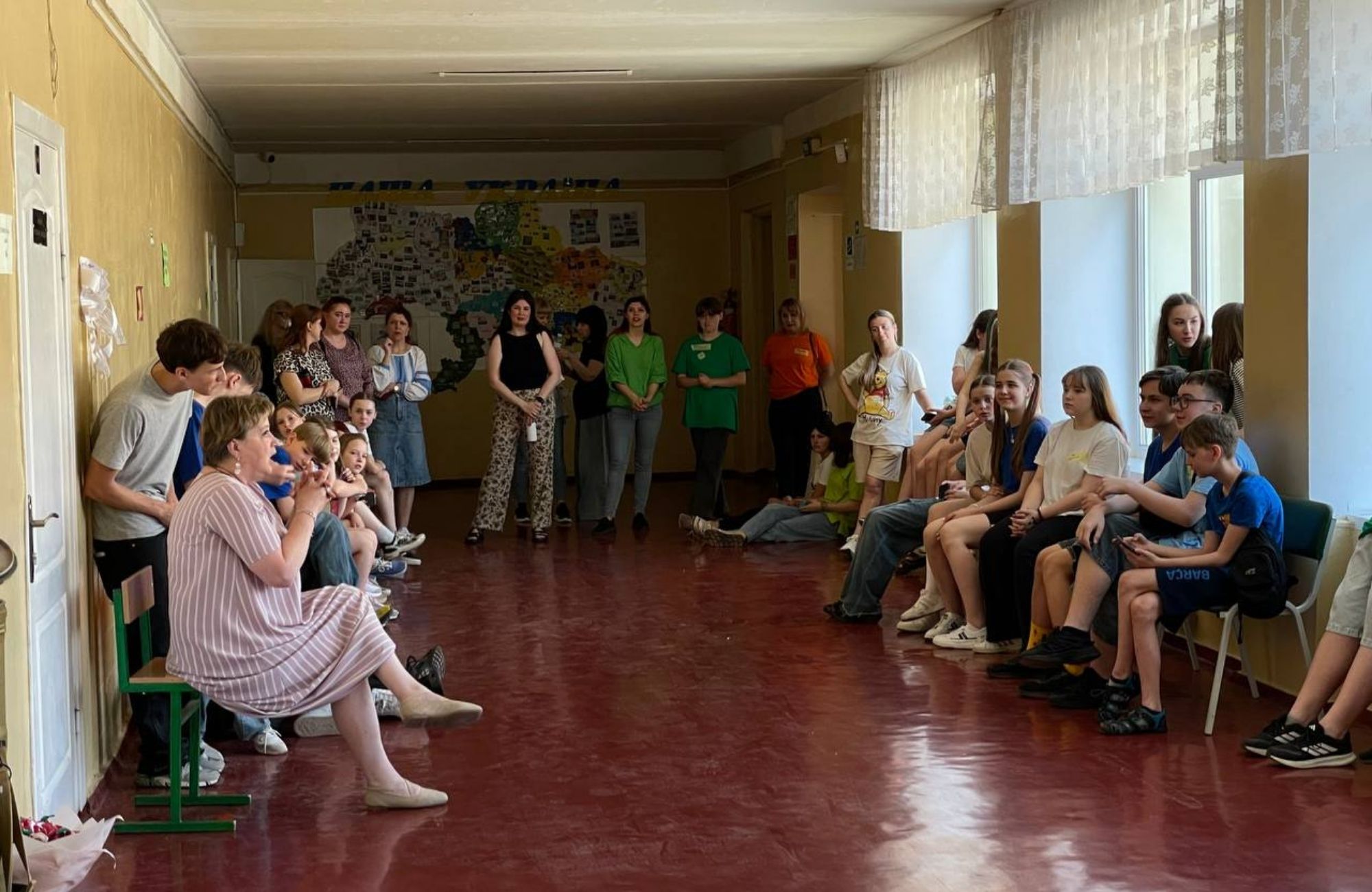
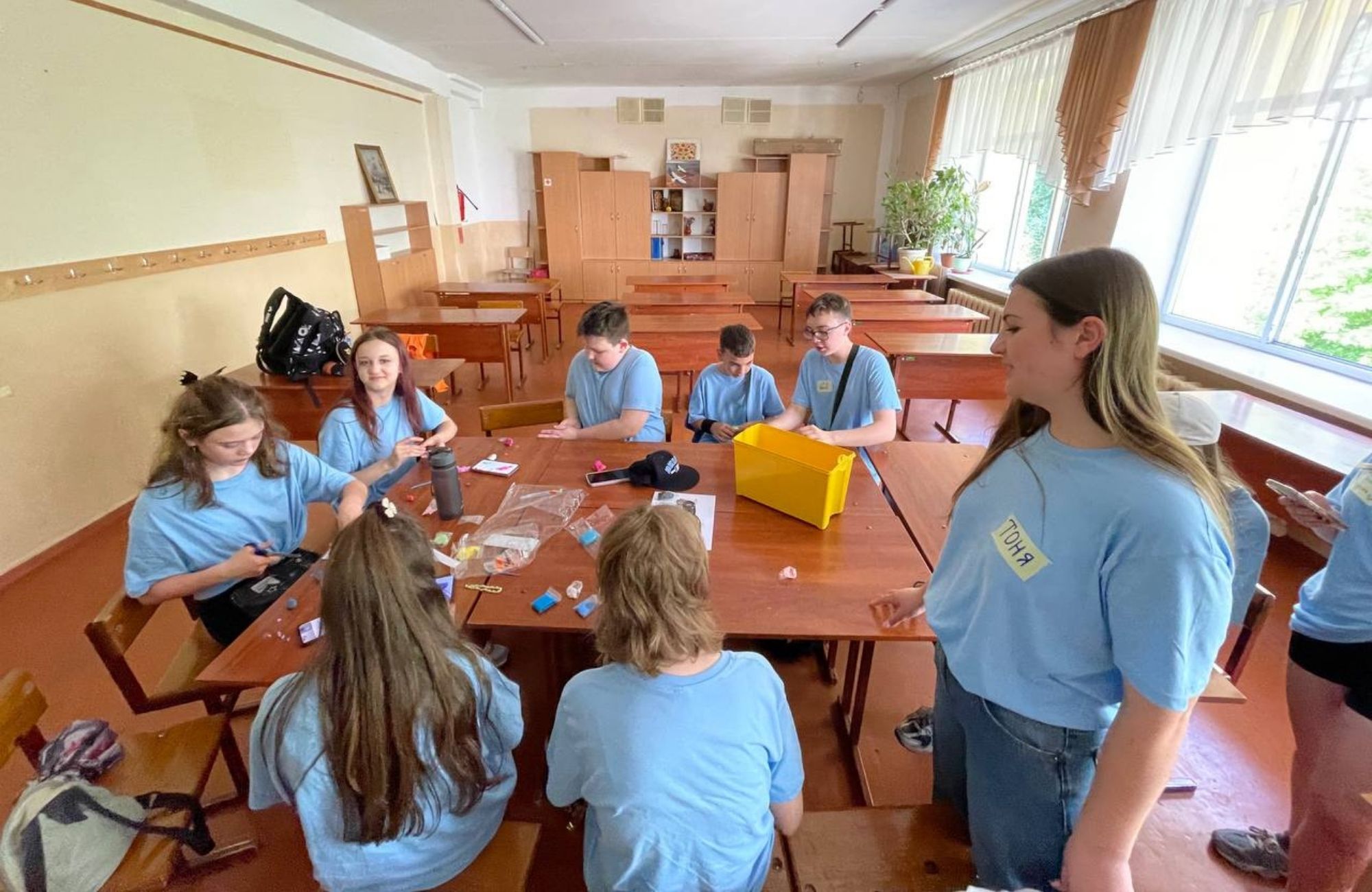
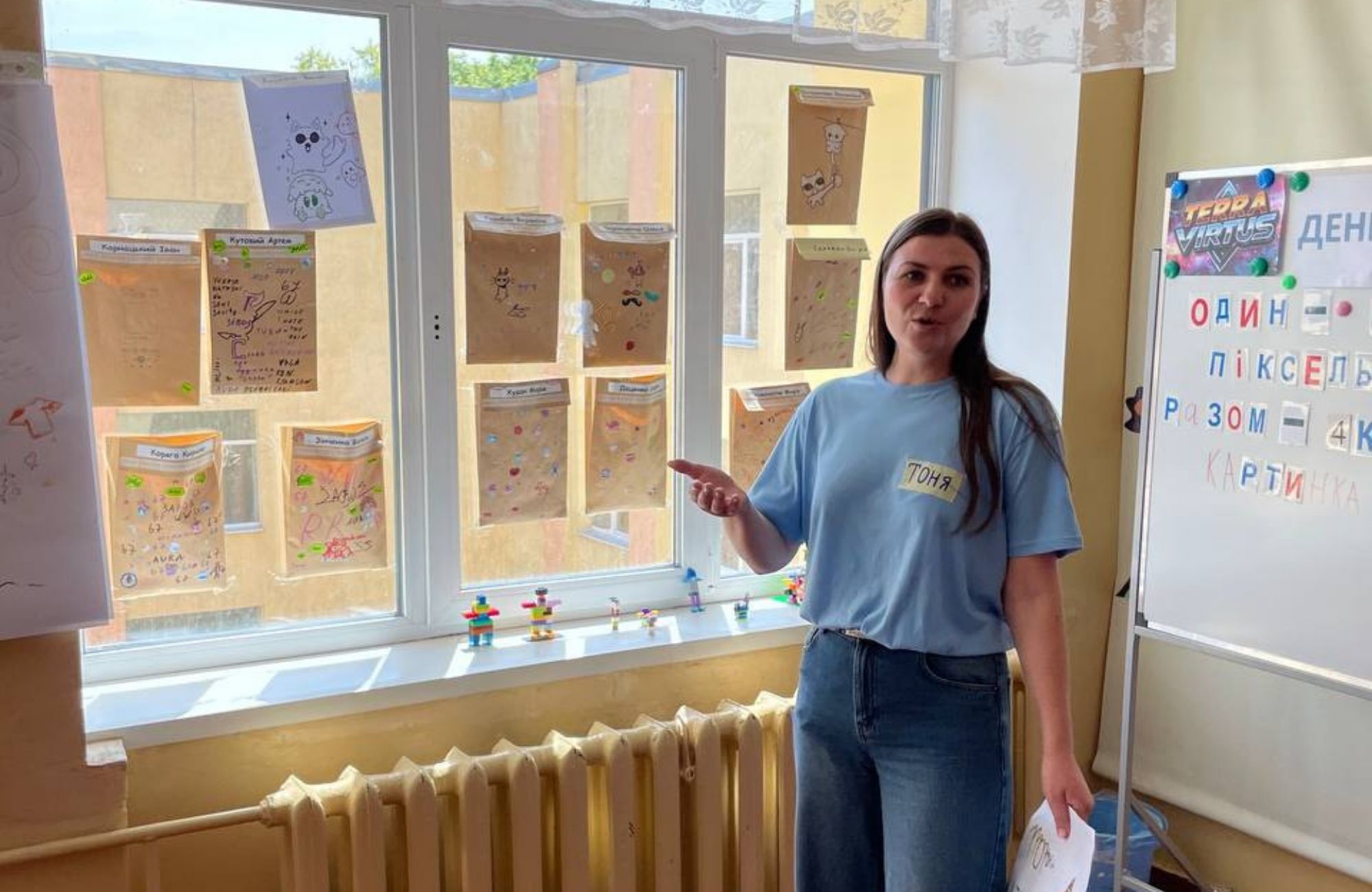
For the team at Dnipro Gymnasium No. 46, one of the challenges was finding ways to help teenagers avoid facing the anxiety and uncertainty brought by the war on their own. Their response was a 10-day crisis-response camp, “Success is Possible in a Crisis”, for 50 children aged 10 to 14.
At the camp, the teenagers worked in teams and learned to communicate, divide roles, find solutions, and see a problem not as a dead end but as a challenge they could work through. The camp ended up with a charity art event organized by the participants themselves. They raised UAH 7,229 and decided to donate the funds to an animal shelter.
The changes extended beyond the children. Nine teachers became mentor-facilitators and learned tools for non-formal education, psychological support, and project work. They have already begun incorporating some of these approaches into the educational process. In this way, support from East SOS through the project helped create not simply a 10-day camp but a model that can continue to work within the gymnasium.
3. Prybuzkyi Lyceum: A Space Where Teachers Can Work
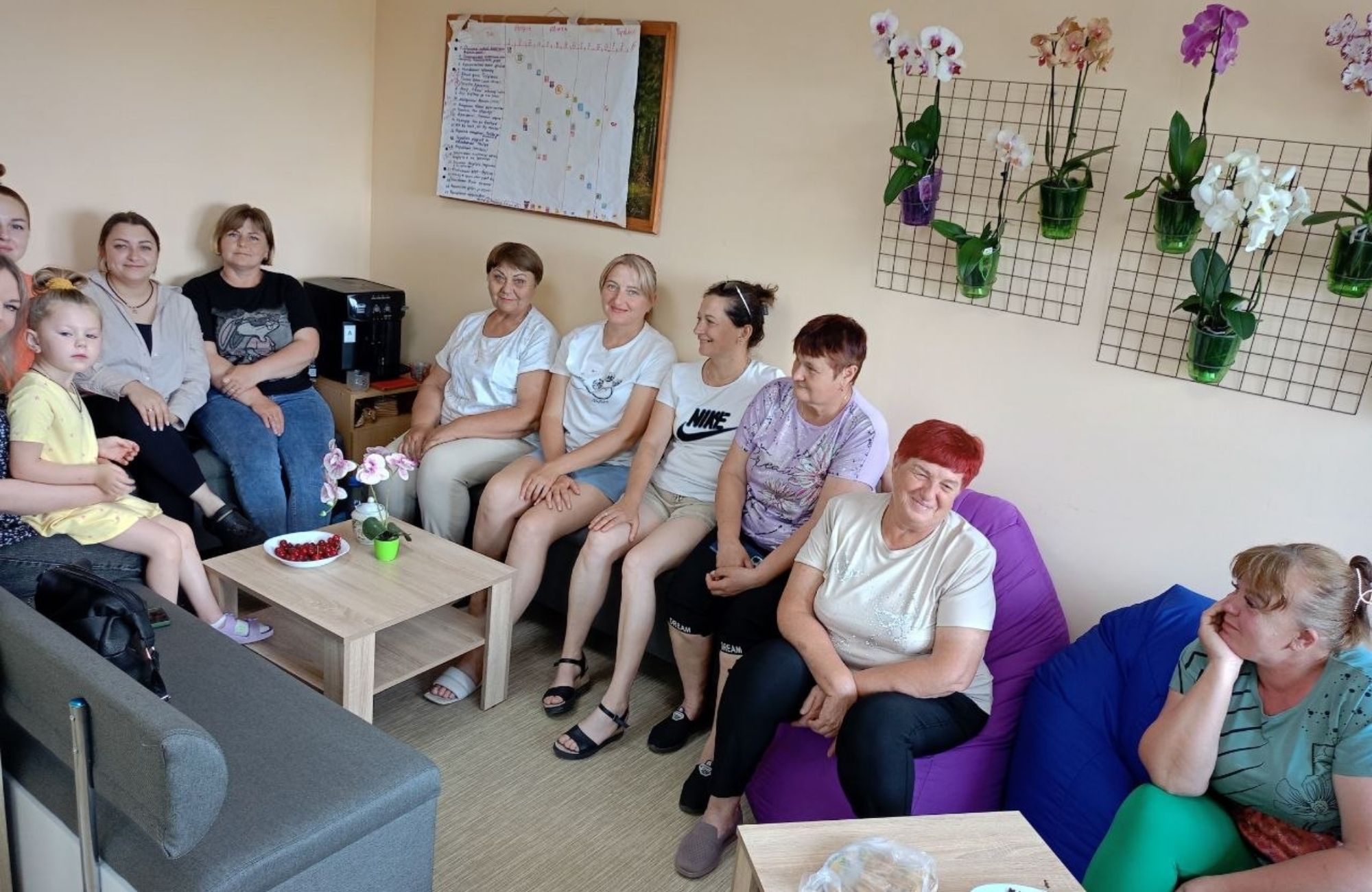
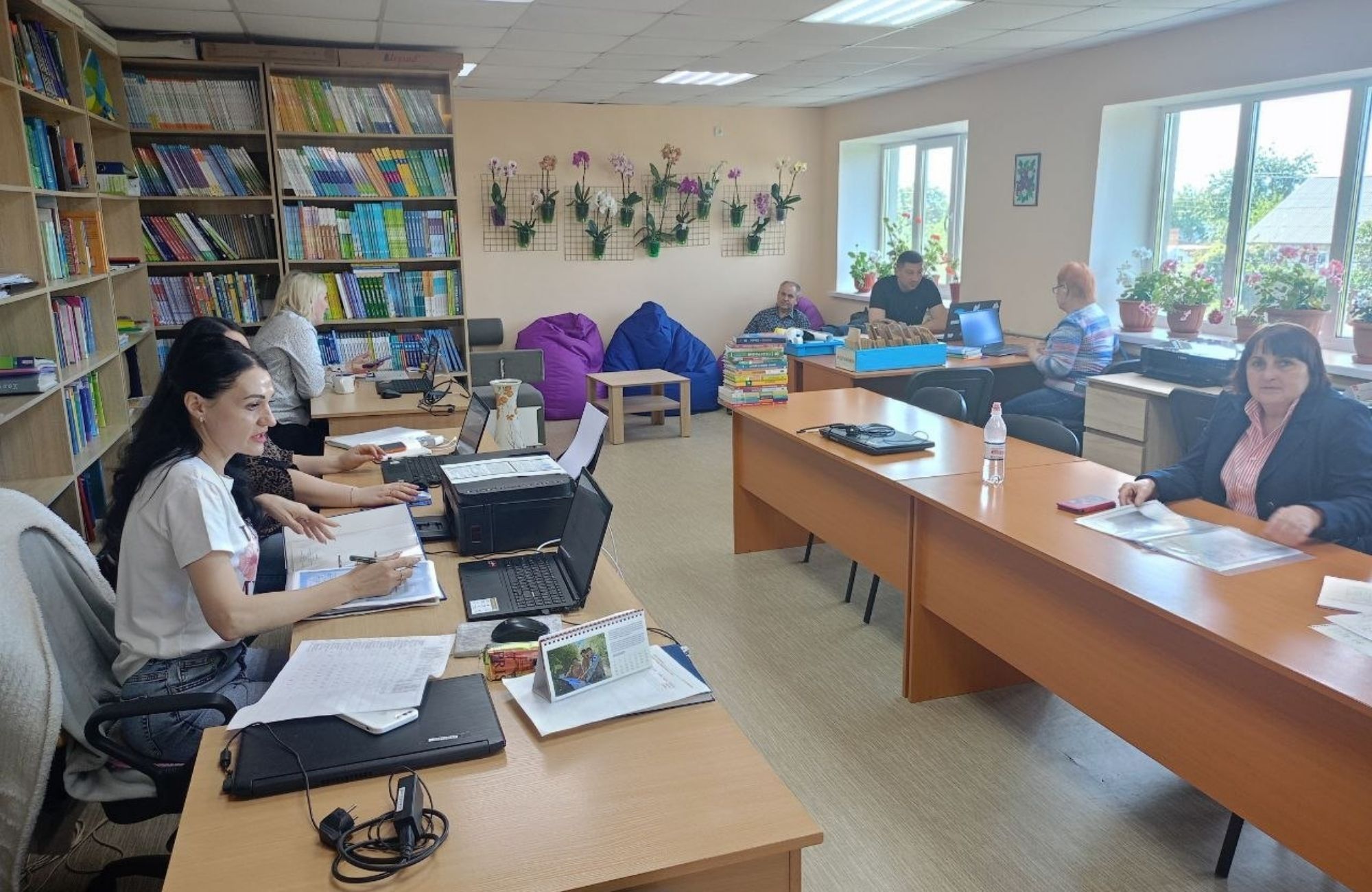
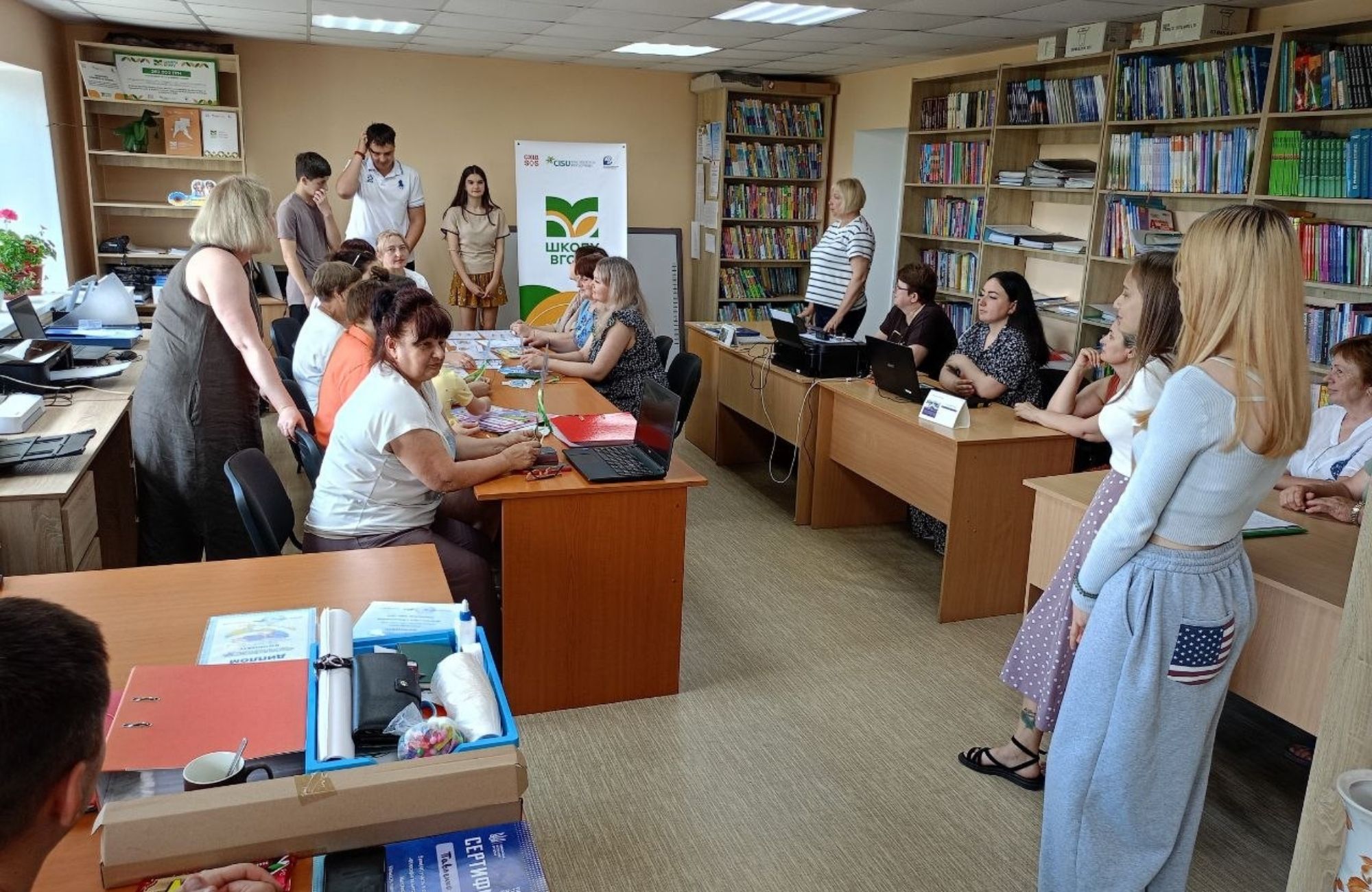
After the Prybuzkyi Lyceum building was destroyed by a russian missile in 2022, teachers continued working in adapted premises provided by the local council. The conditions were far from comfortable: teachers had limited space to prepare for lessons and carry out other work, while the available technology did not meet the school’s day-to-day needs.
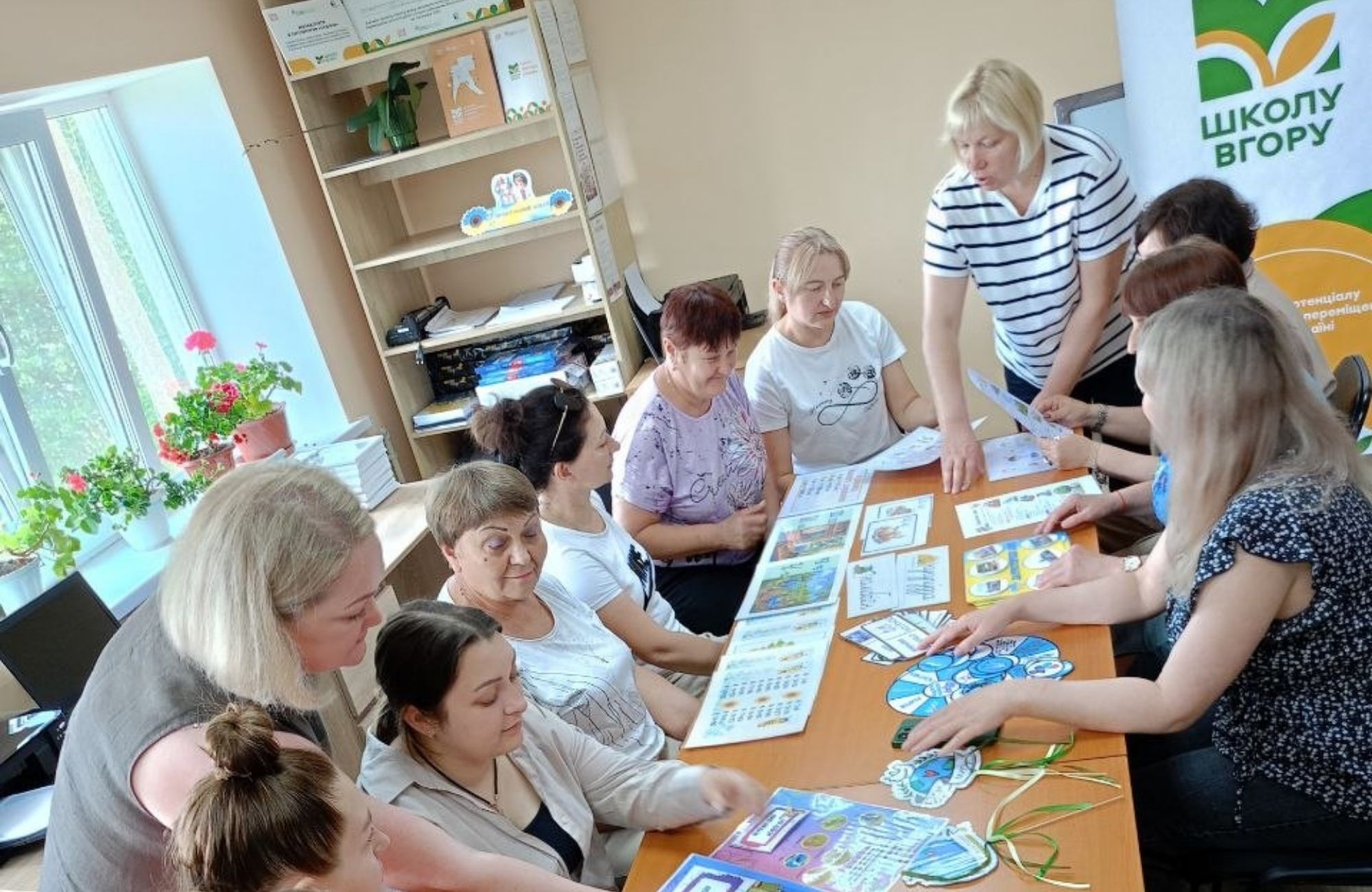
The team decided that restoring the educational process also meant taking care of the people who make that process possible every day. As part of the “Mission 4.5.0. Protection. Control. Peace of Mind” project, the lyceum created a dedicated workspace for teachers and equipped it with the necessary tools and high-speed internet, including in the shelter. Also, an emotional recovery area featuring a living wall for plants was created.
Another outcome was the preparation of the “4.5.0. How to Work Without Hurting Yourself” guidebook. The team drafted it together with teaching associations from other lyceums in the hromada and representatives of the education department. After piloting, the guidebook received more than 80% positive feedback and was prepared for distribution to other educational institutions. According to the team, the new equipment and planning tools have helped teachers free up about five working hours per week and eliminated the need to spend their own money on basic stationery.
4. Snovsk Lyceum No. 3: A Space Where Children Can Create Technology, Not Just Use It
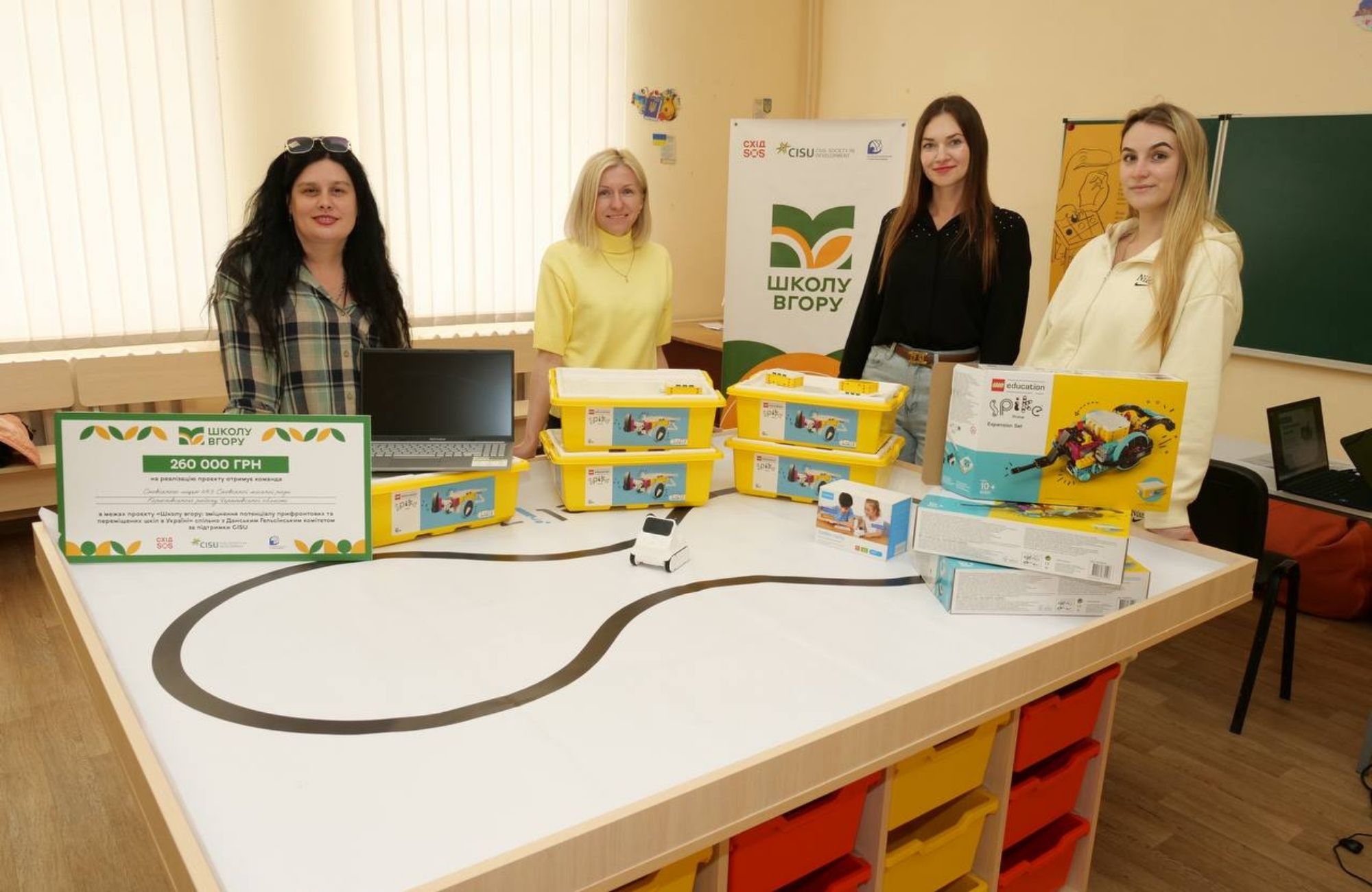
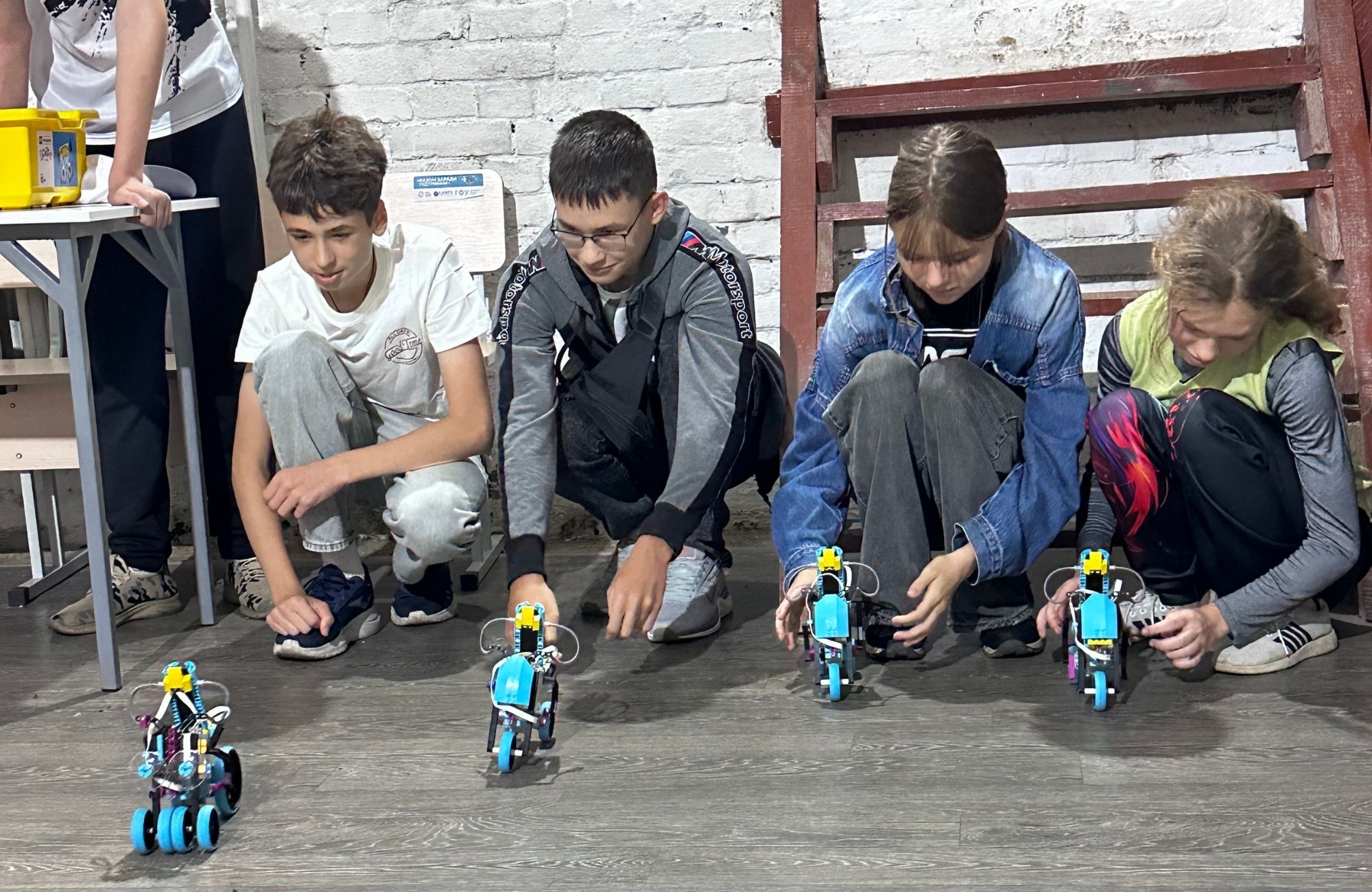
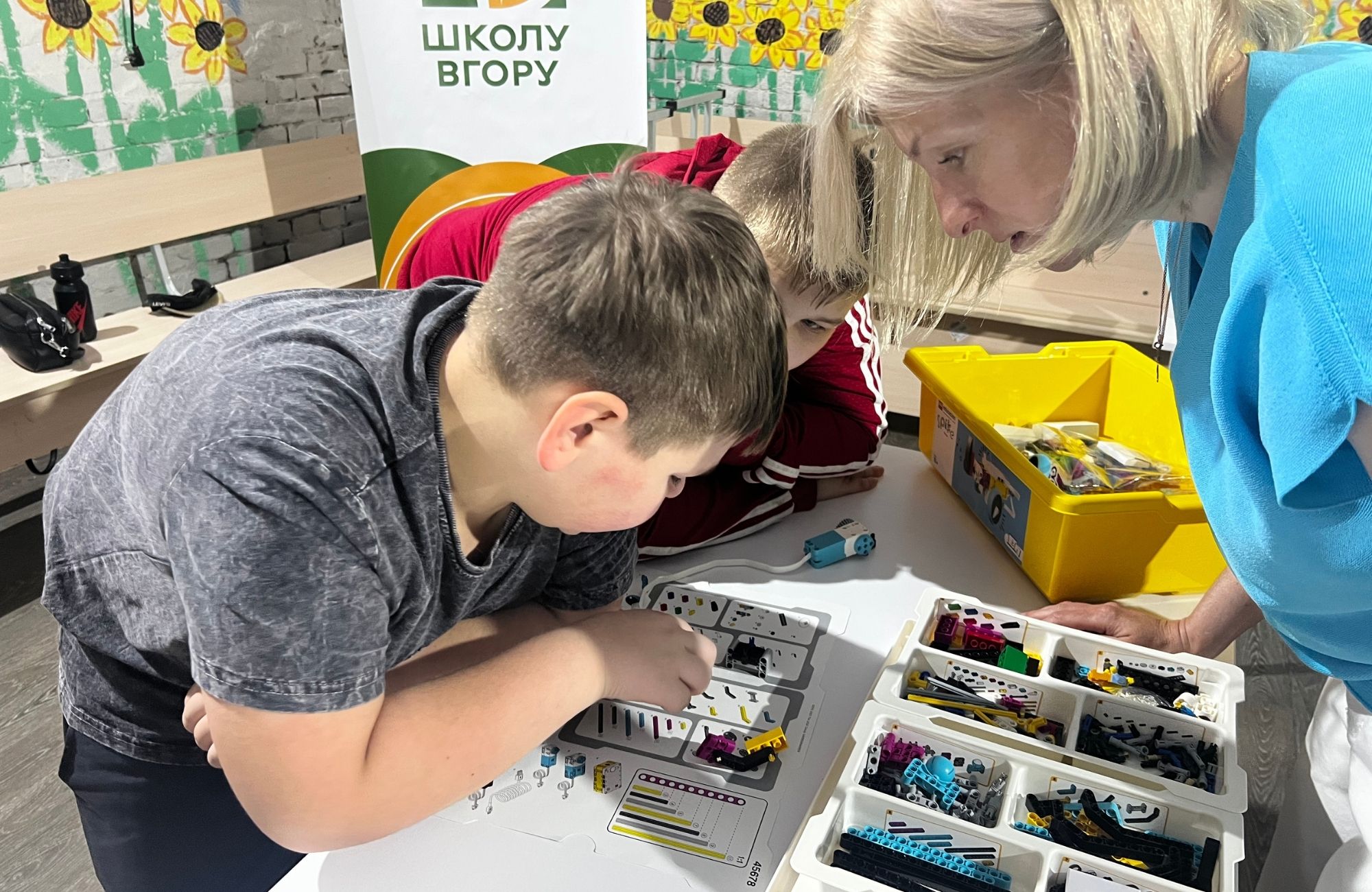
In the border area of Snovsk hromada, the lyceum team wanted to expand children’s access to modern STEM education. This led to the idea of creating ProSTEM Snovsk, a robotics space where pupils could do more than simply learn about technology – they could build and test things themselves.
With support from East SOS, the lyceum equipped the STEM space and received modern equipment. Pupils completed a LEGO course, built and programmed robots, and took part in friendly competitions, while educators strengthened their skills in using STEM technologies and LEGO Education.
The team also shared what they had learned with colleagues from other educational institutions in the hromada and nearby villages. Teachers visited these schools and provided training, explaining how to work with the equipment and make use of the new STEM space. As a result, the initiative went beyond a single lyceum and became a resource for children and teachers across the hromada.
Today, ProSTEM Snovsk serves as a space for lessons, clubs, and extracurriculars. The lyceum has launched a permanent LEGO club, and the equipment will continue to be used in the future. This creates a foundation for a robotics course for pupils in grades 5–6 and for new educational initiatives in the hromada.
5. Yampilskyi Lyceum No. 2: A Place to Be Together and Recover
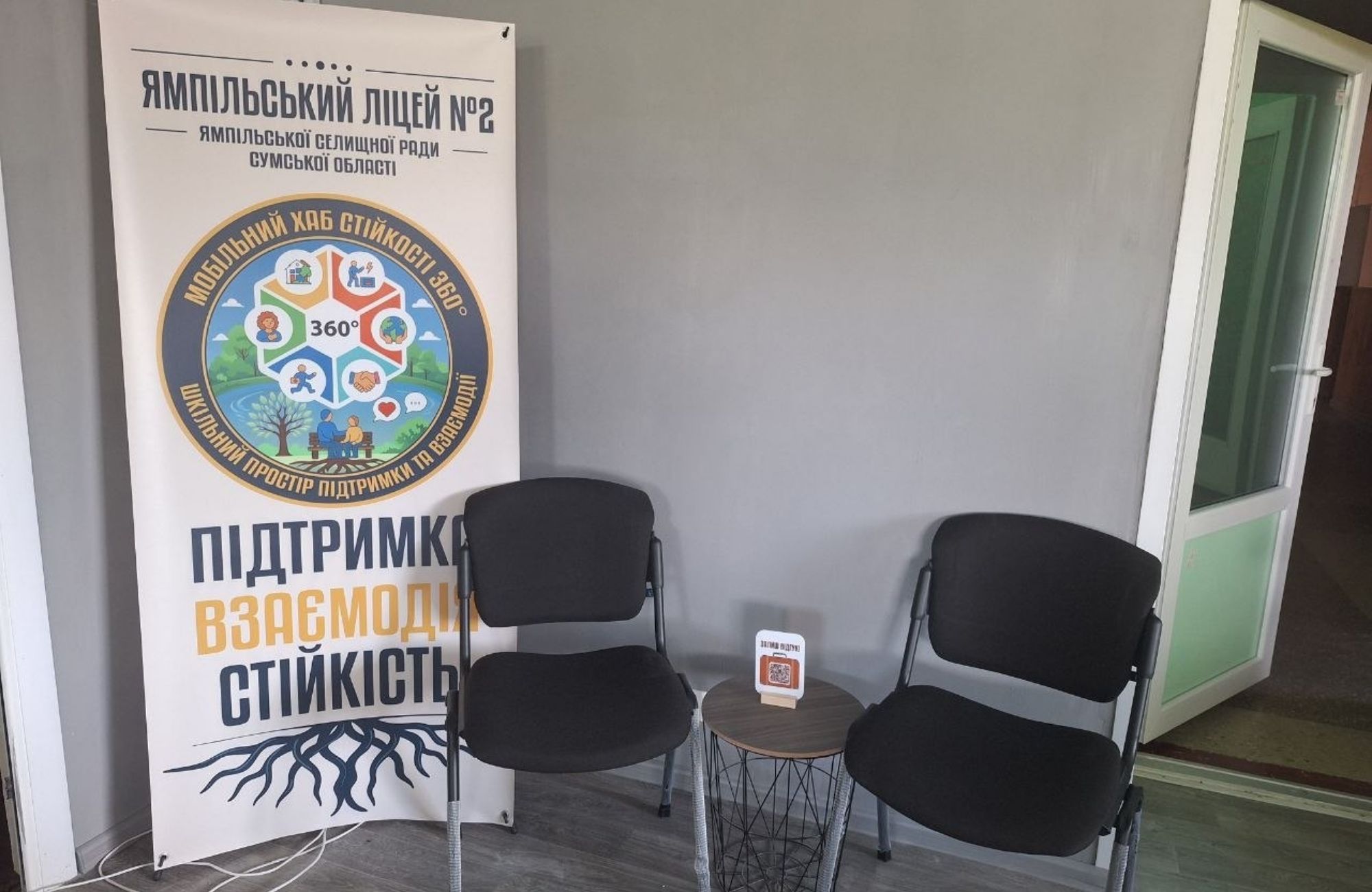
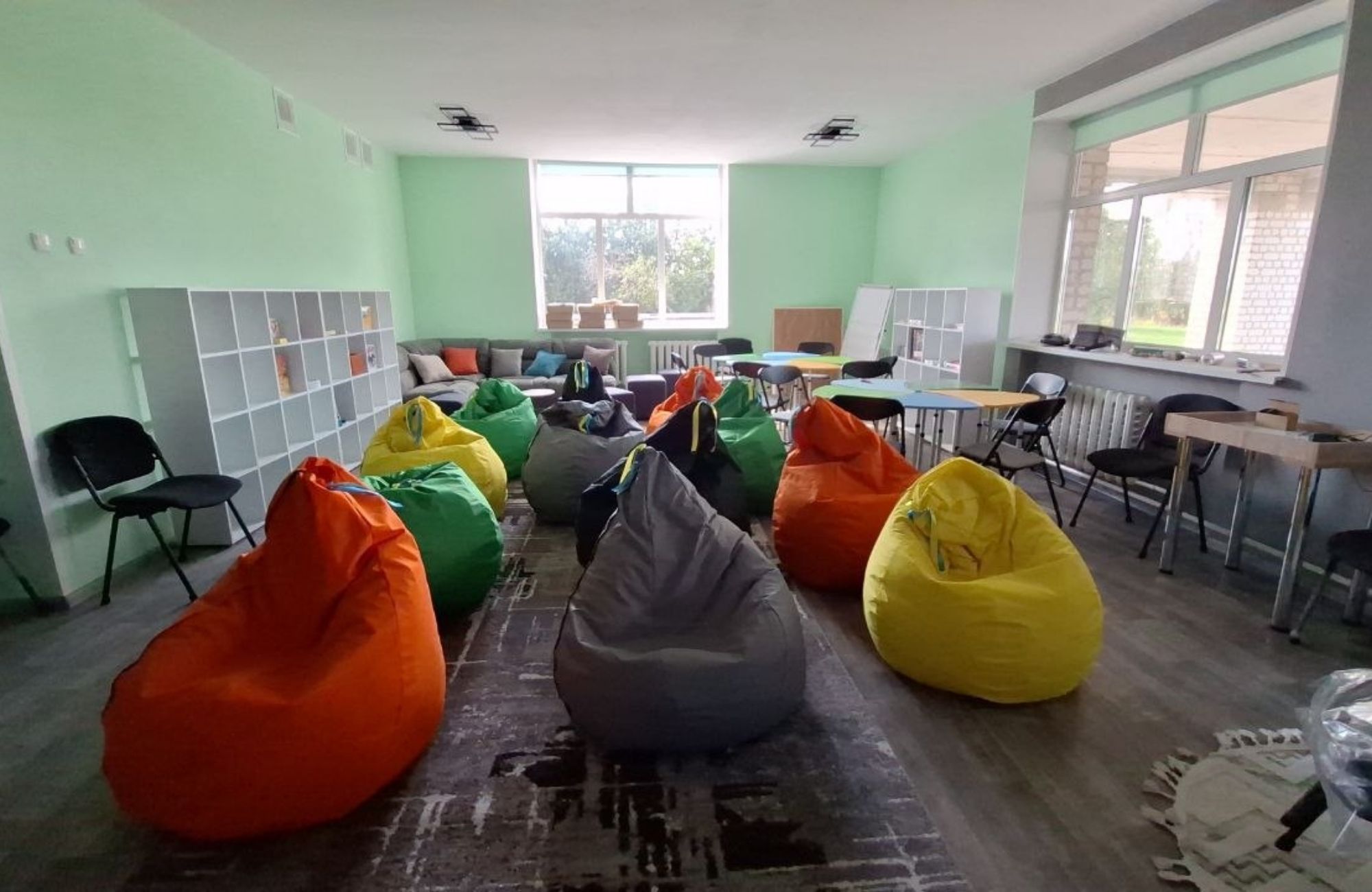
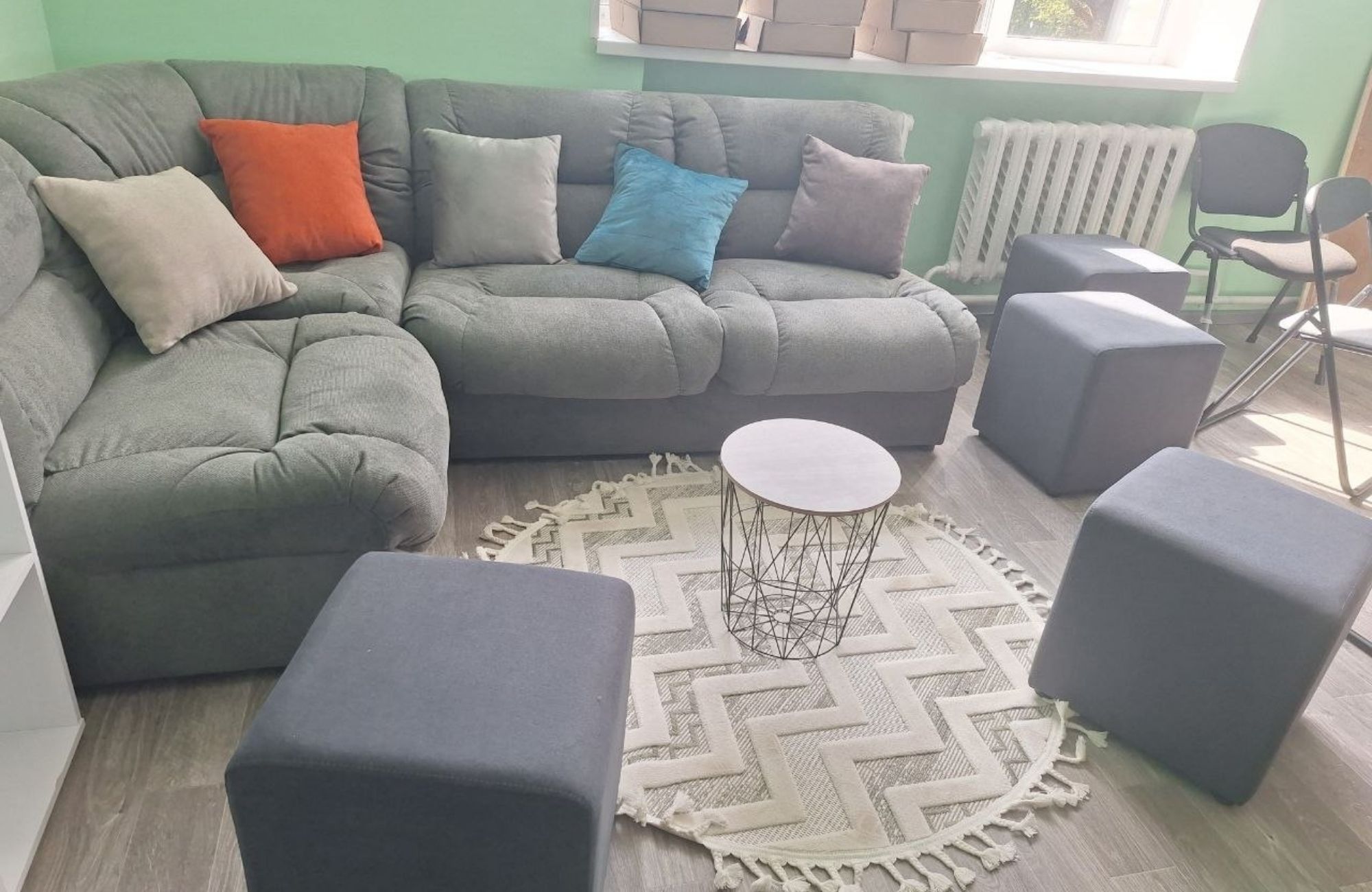
At Yampilskyi Lyceum No. 2 in Sumy Oblast, the team was tackling a different challenge: how to support pupils, help them cope with the strain of war, and create more opportunities for interaction. This led to the idea of the 360° Mobile Resilience Hub, designed as a space for shared activities and psychosocial support.
As they worked on the project, the team did more than identify a need – they turned it into a practical solution. The mobile format made the space flexible and brought it closer to the children who needed it. Support through our School Up project enabled the team to move from an idea to a result, with mentoring, planning, and the resources needed to make it happen.
As a result, the 360° Hub became an additional space for pupil interaction and support. Its value lies not only in the physical space or the activities held there but also in the opportunity to create an environment where children can communicate, be heard, and receive support during the war.
We are proud of the achievements of the project participants. Each of these stories shows that change begins with people who see the needs of their schools and hromadas every day and are ready to act. For us, School Up is about building the capacity – giving these people the knowledge, mentoring, and resources so that their ideas can become practical solutions and improve life in their hromadas.
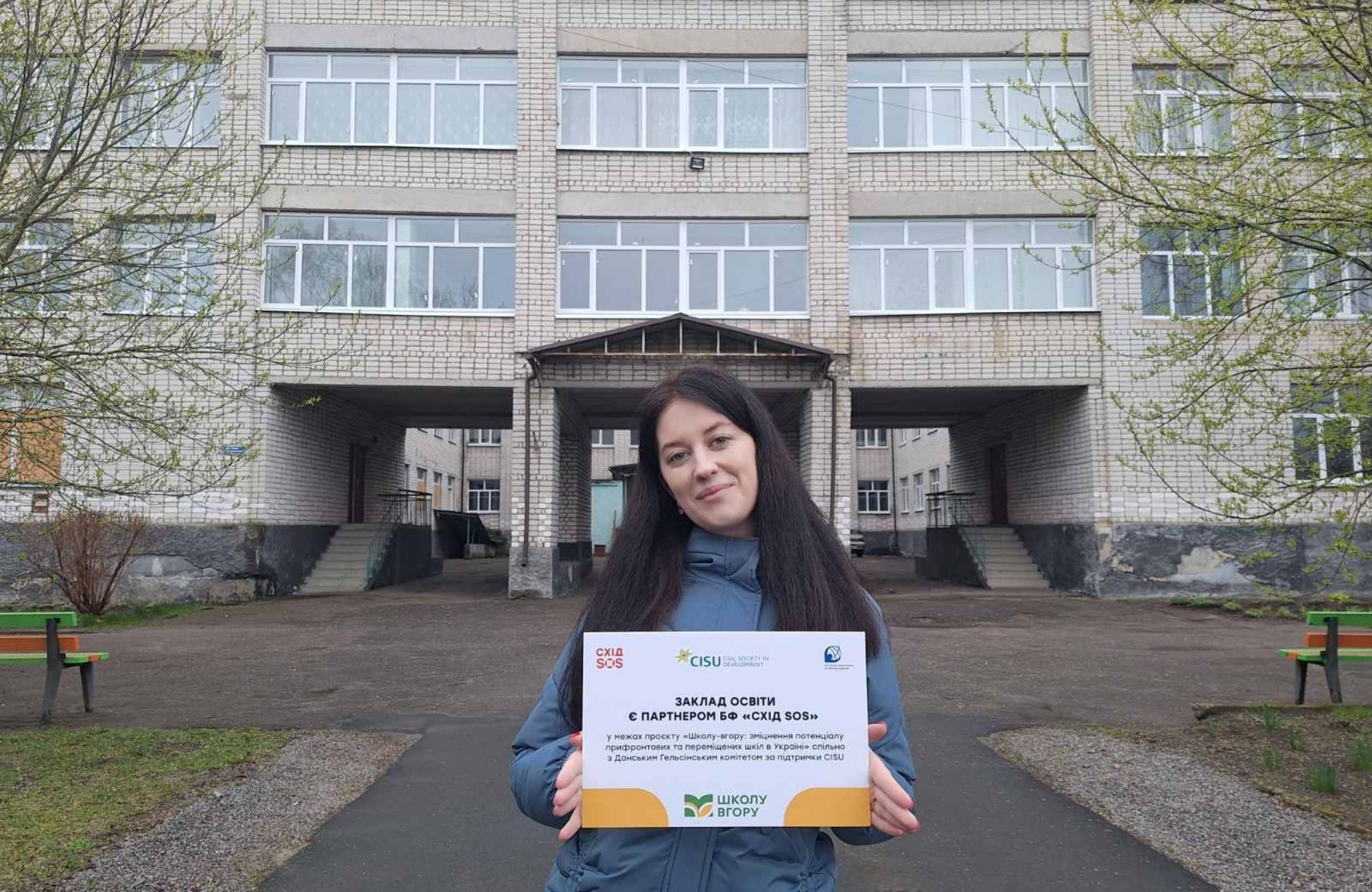
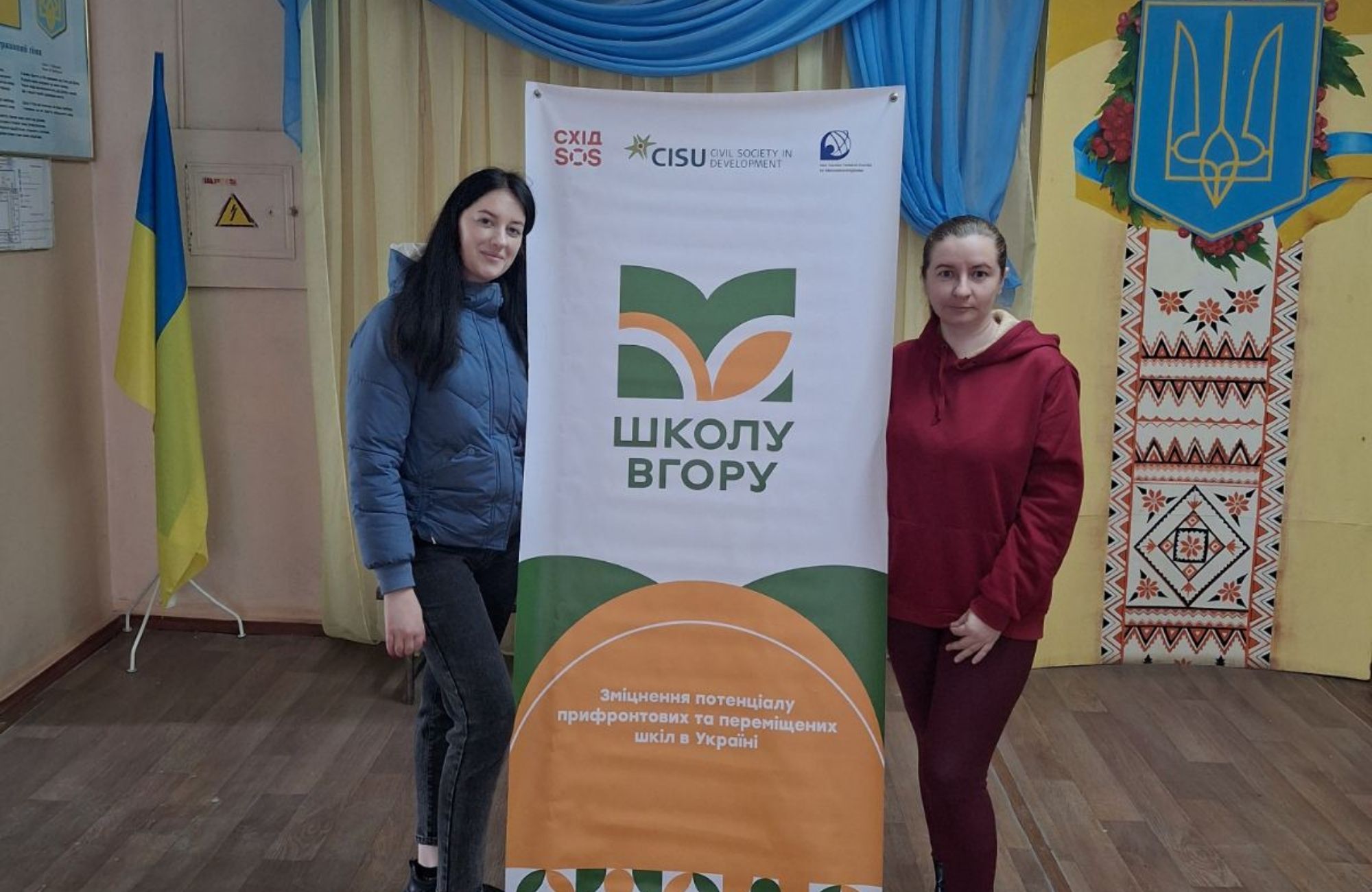
The project management training was organized by East SOS within the project “Strengthening the Capacities of Frontline and Relocated Schools in Ukraine/SCHOOL UP” implemented together with the Danish Helsinki Committee for Human Rights and supported by CISU.
At the end of May, the East SOS education team visited Copenhagen, where they presented the results of the School Up project at the Ukrainian House. Read more about what was discussed at the meeting here.