Experience of Resilience and russian Crimes Against Education: EAST SOS Presented Its Work at the Ukrainian House in Denmark
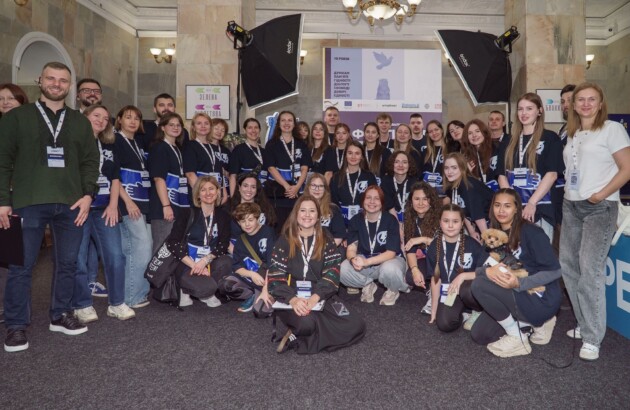
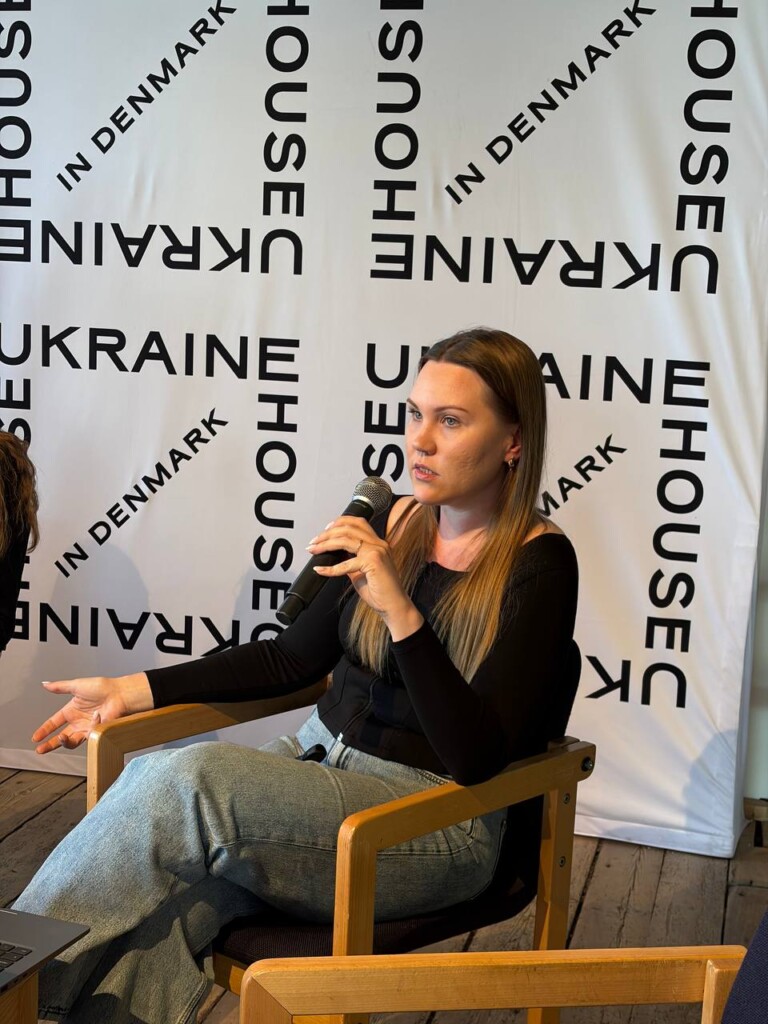
At the end of May, the Educational Team of the EAST SOS Charity Foundation visited Copenhagen and presented the results of the School Up project at the Ukrainian House. As part of this large-scale initiative, we were able to:
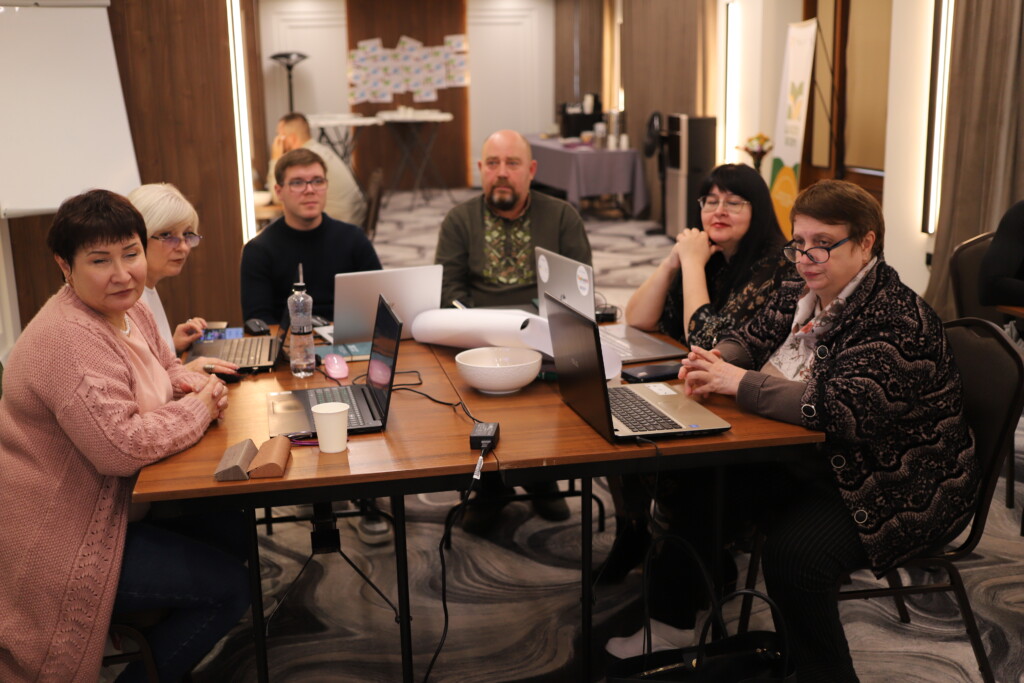
- hold project management training for school teams from frontline and border areas: two waves https://bit.ly/44lA74f, 2 – https://bit.ly/43Opeba);
- support 10 projects that help improve the quality of education and create space for psycho-emotional relief https://bit.ly/4xEJrxC;
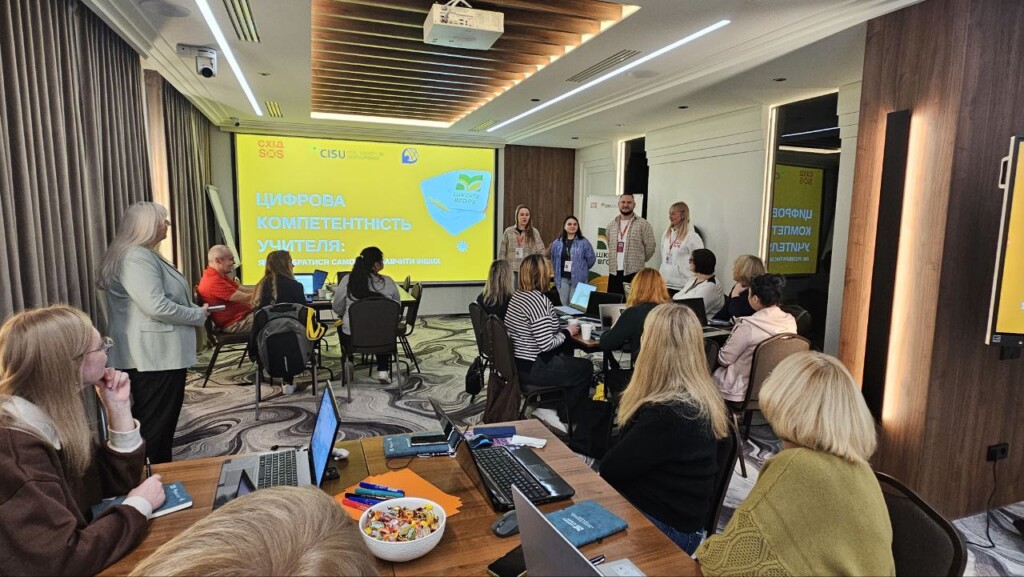
- organize digital competence training for teachers from displaced schools and their colleagues https://bit.ly/4xJuAC7.
“During more than a year and a half of implementing the School Up project, we have witnessed that even in the most difficult conditions, schools remain centers of life for hromadas. Together with our partners, our mission isn’t just about delivering resources, but also supporting educators who are ready to introduce changes, look for solutions, and create a safe environment for children despite the war,” said Anna Loza, Coordinator of the Educational Team at EAST SOS.
Participants of the School Up project also joined the trip abroad. They completed project management training and successfully introduced changes in their schools. Educators from the cities of Zhovti Vody (Dnipropetrovsk Oblast) and Novhorod-Siverskyi (Chernihiv Oblast) shared their own practical experience in managing the educational process in frontline and border areas.
“Thanks to our participation in the project, our school team not only gained knowledge of project management but also received a functional UP-space – a place to learn, rest, and cope with the stress caused by the war.” said Olena Shevchenko, a teacher at Dyvosvit Lyceum in Zhovti Vody.
International advocacy for Ukraine’s educational needs was a dedicated focus of the meeting at the Ukrainian House in Denmark. Behind every statistic on damaged schools are the real children, teachers, and hromadas who continue to learn, work, and build a future, even in the middle of war.
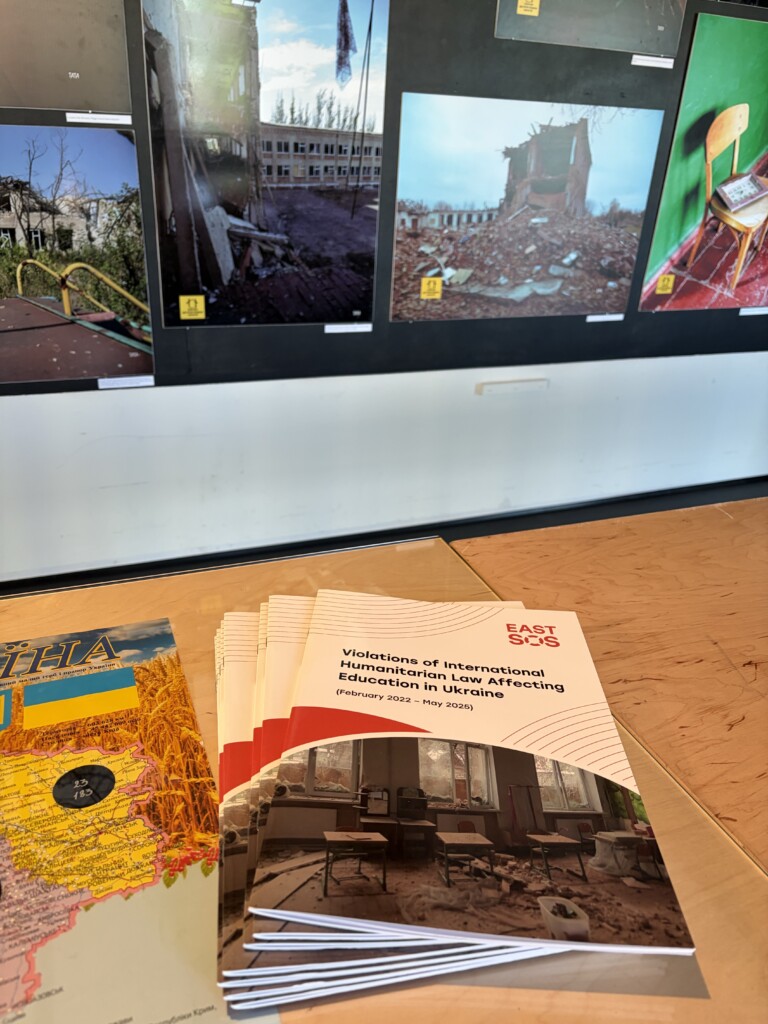
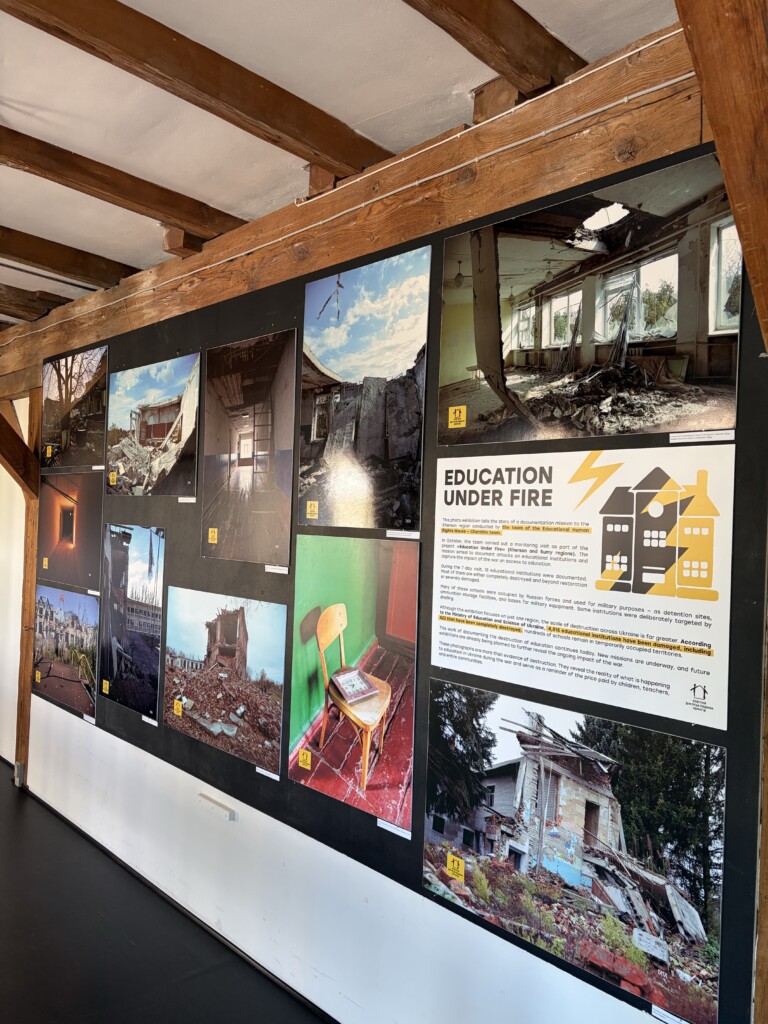
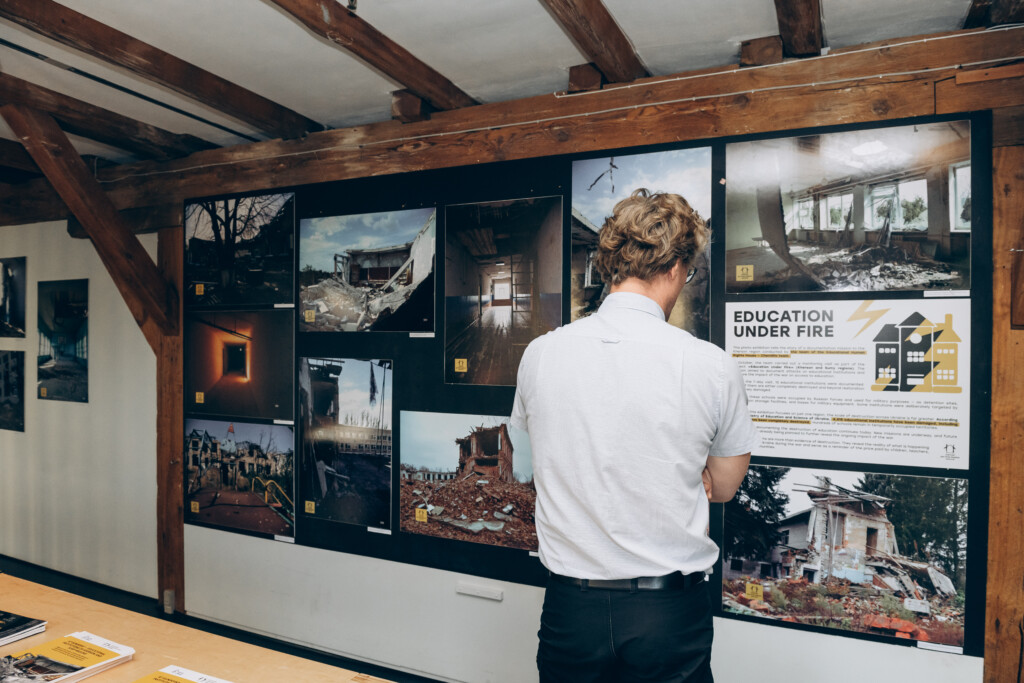
The panel discussions were accompanied by visual evidence—photographs of destroyed schools in Kherson and Sumy oblasts provided by the Educational Human Rights House in Chernihiv.
We gathered the key messages the EAST SOS team presented in Copenhagen regarding the challenges of frontline schools, the needs of educators, and the solutions already working in their hromadas.
- Ukrainian education is a target of russia
According to the Ministry of Education and Science of Ukraine, the full-scale war started by russia has damaged 4,515 educational institutions, with more than 423 of them completely destroyed.
“This isn’t just about destroying school buildings. It is an attempt to steal our children’s right to education and their ability to gain essential social experience. This is how the enemy wants to deprive our country of its future. Even 600 kilometers from the frontline, schools are not safe. Building and equipping shelters is a prerequisite for retaining human capital in Ukraine today,” said Anna Loza, Coordinator of the Educational Team at EAST SOS.
- Ukraine shows the world a unique experience of educational continuity during a high-intensity war
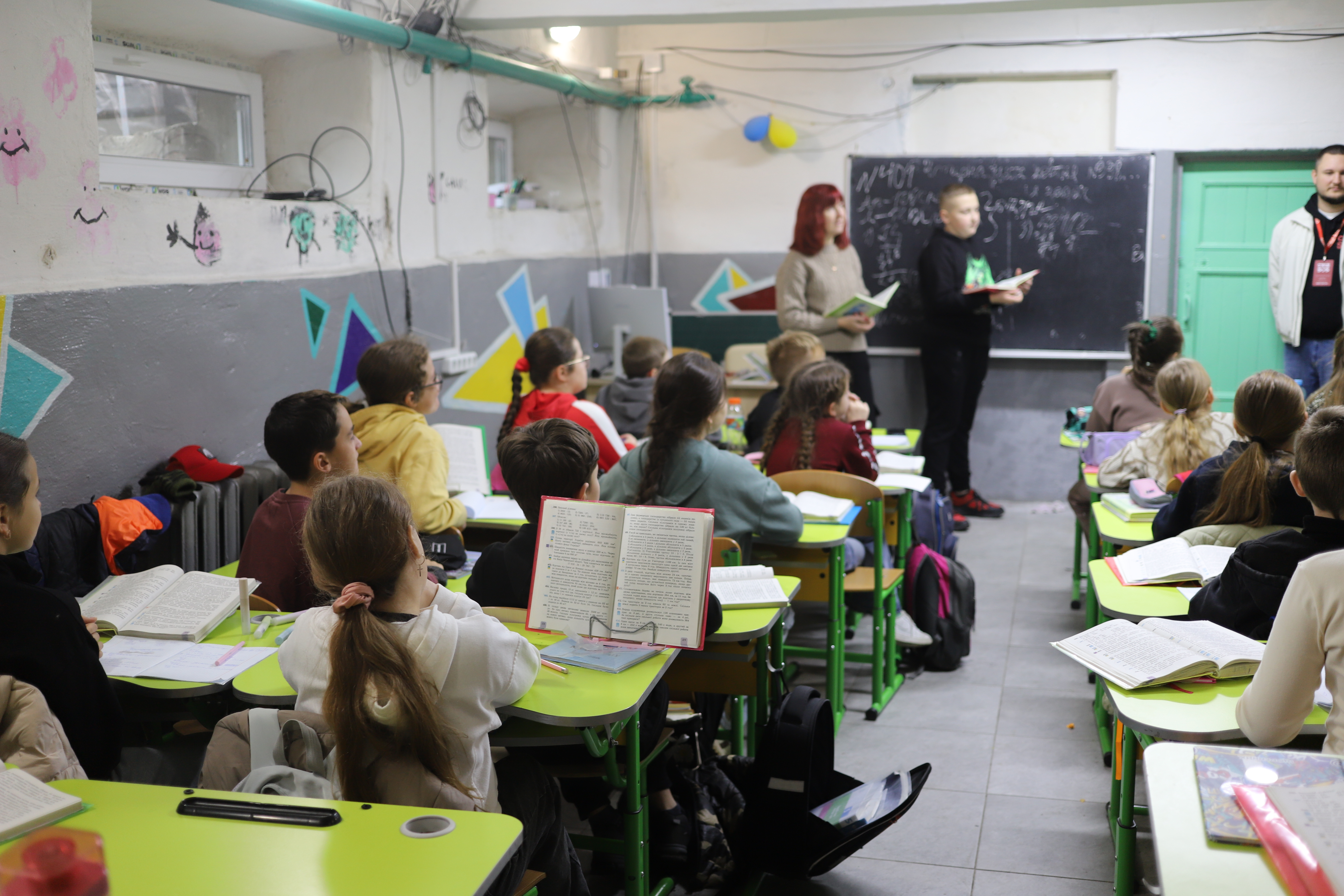
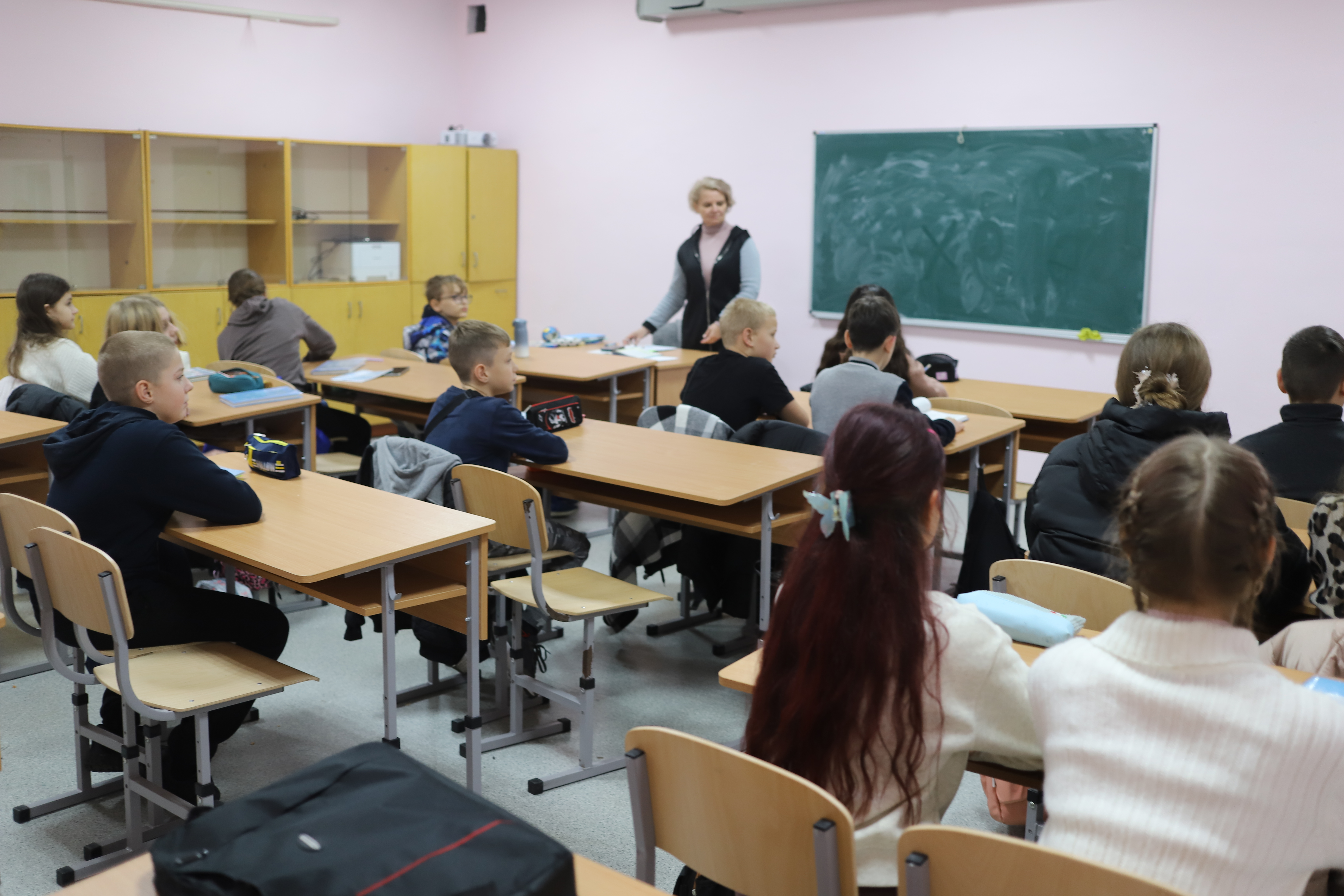
Despite blackouts, shelling, and internal displacement, we continue to implement flexible educational models: from blended learning in shelters to metro schools and preserving the institutional identity of relocated schools. This experience of adaptation is truly unique for global humanitarian practice.
- Educational losses and social inequality
Children with special educational needs suffer the most because shelters are often not adapted and online learning can leave them isolated. The quality of education must not depend on geography or family income. International donors should focus on helping children catch up on knowledge and regain socialization.
- In the temporarily occupied territories, education has been transformed into an instrument of ideological indoctrination and militarization
“Our team systematically documents russian war crimes in the temporarily occupied territories (TOT): the destruction of Ukrainian books, forcing teachers to collaborate under threat of torture, cyber-monitoring children’s gadgets if they try to study online in Ukraine, and forced deportation disguised as ‘evacuation,’” said Nazar Lutsenko, Analyst of the War Crimes Documentation Team at EAST SOS.
- The needs of Ukraine’s education sector: EAST SOS experience
Since 2016, the EAST SOS Educational Team has been working with international partners to implement systemic solutions to overcome the education crisis. We:
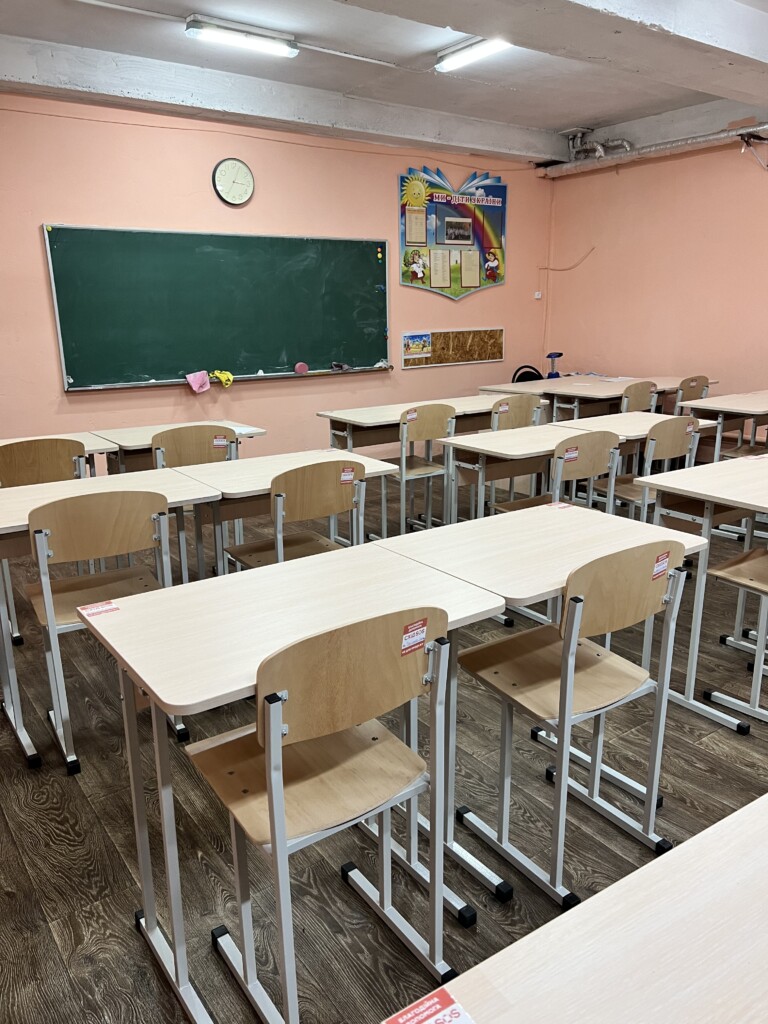
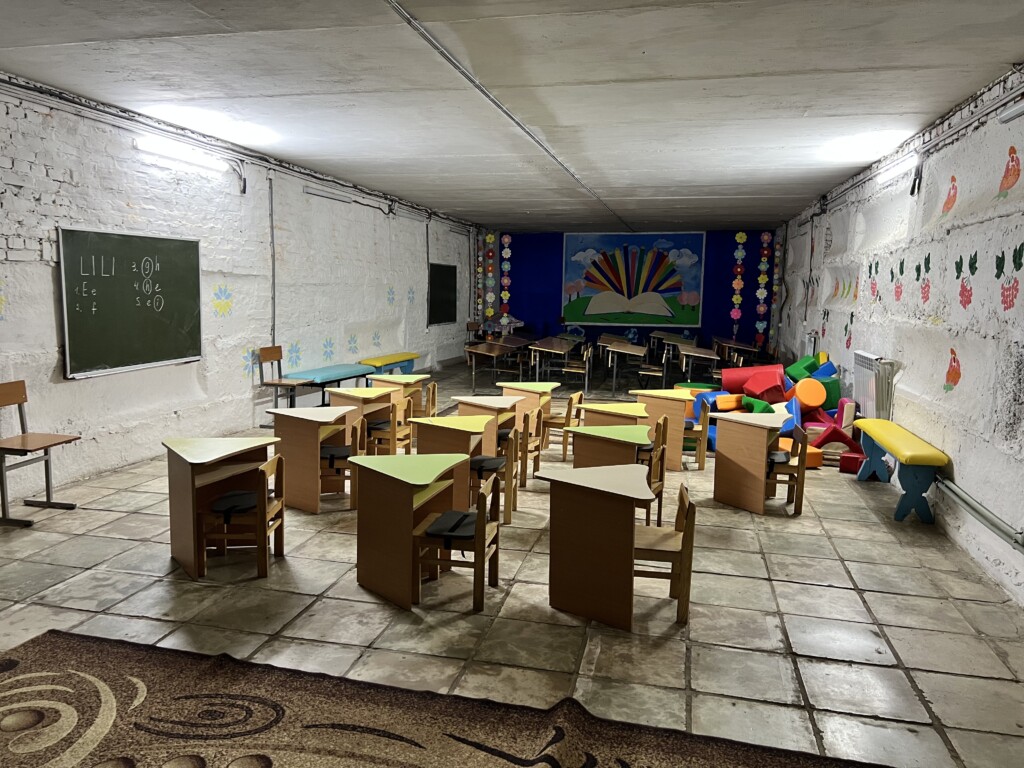
- equip spaces to meet hromadas’ security needs, including shelters, safety classrooms, and psychological relief rooms;
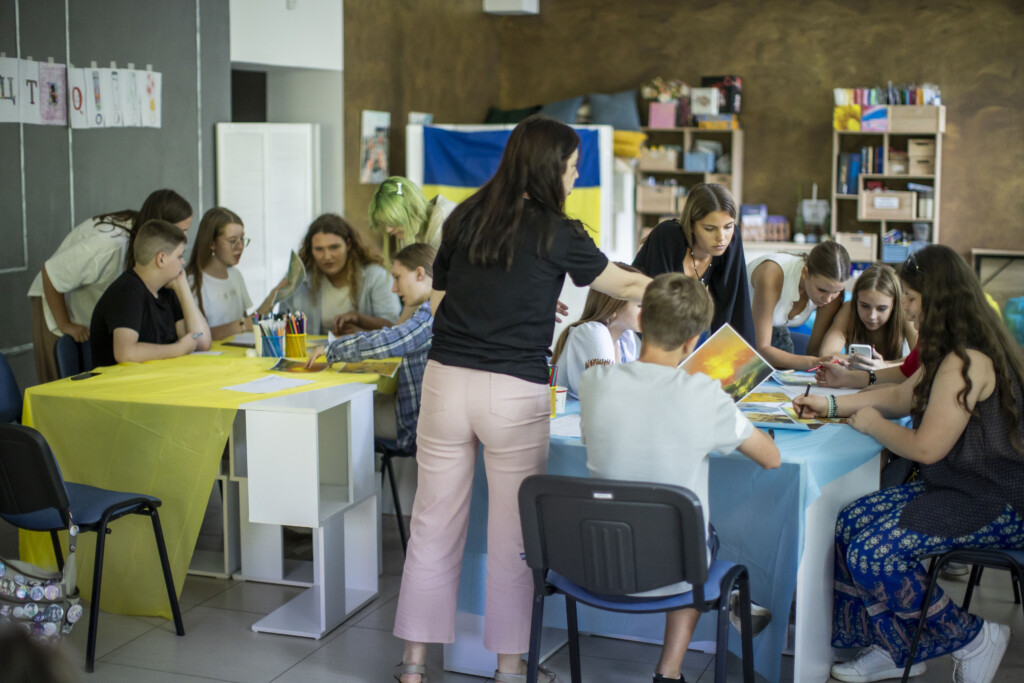
- teach digital competence and organize psychological resilience training for teachers and school psychologists;
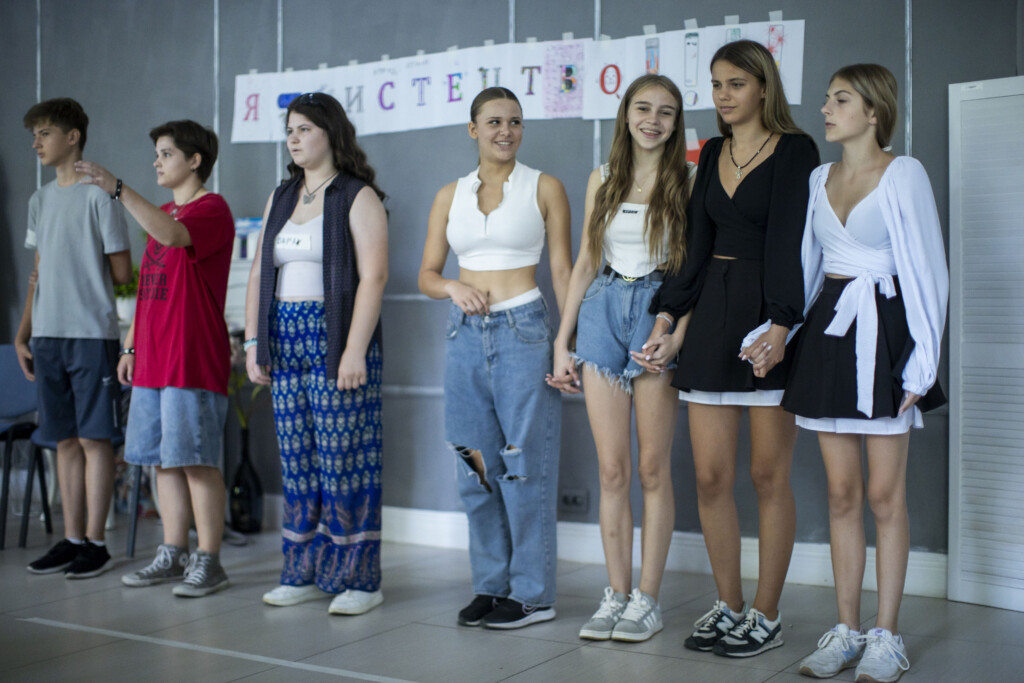
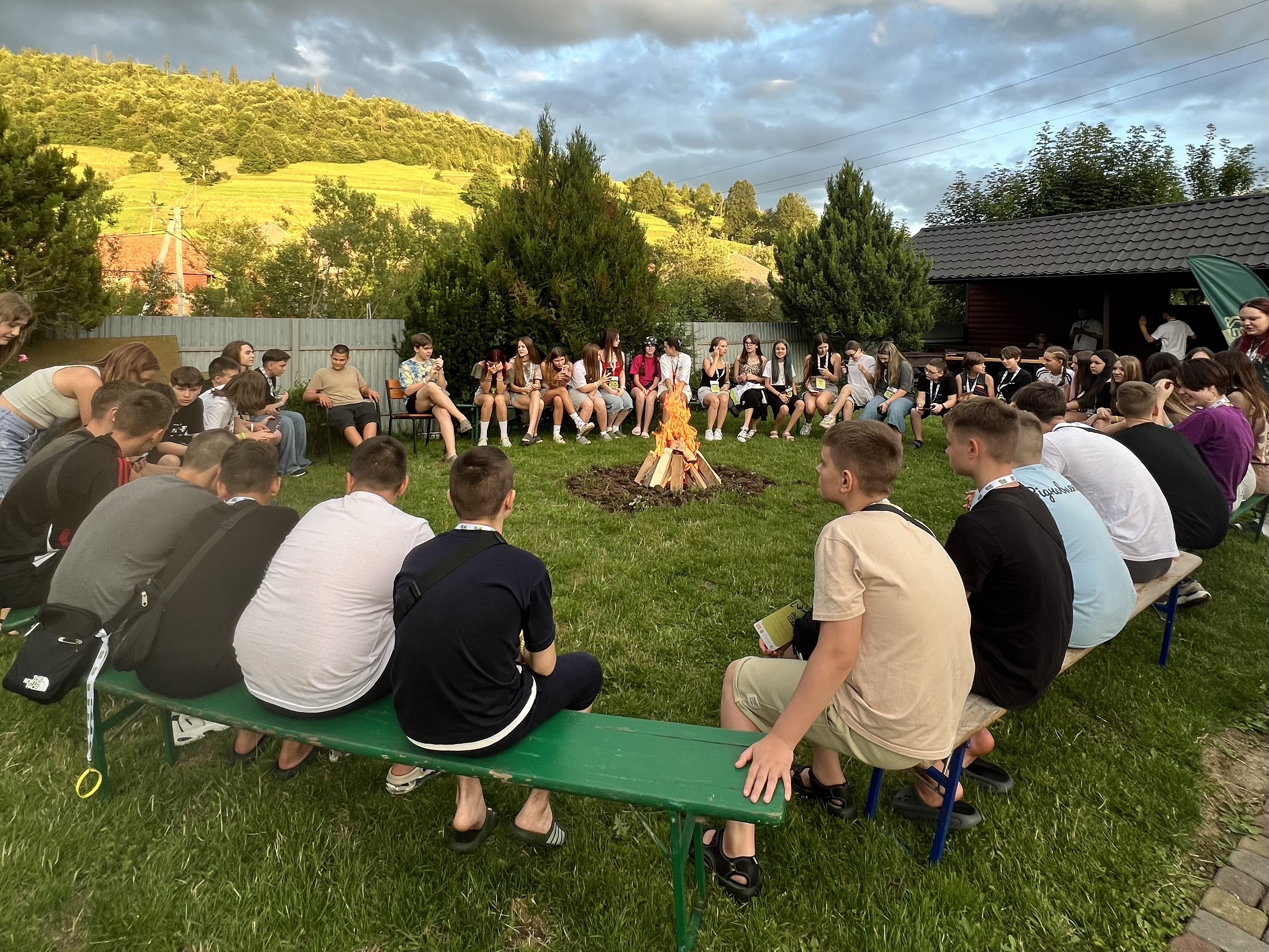
- hold camps to help children catch up on learning losses;
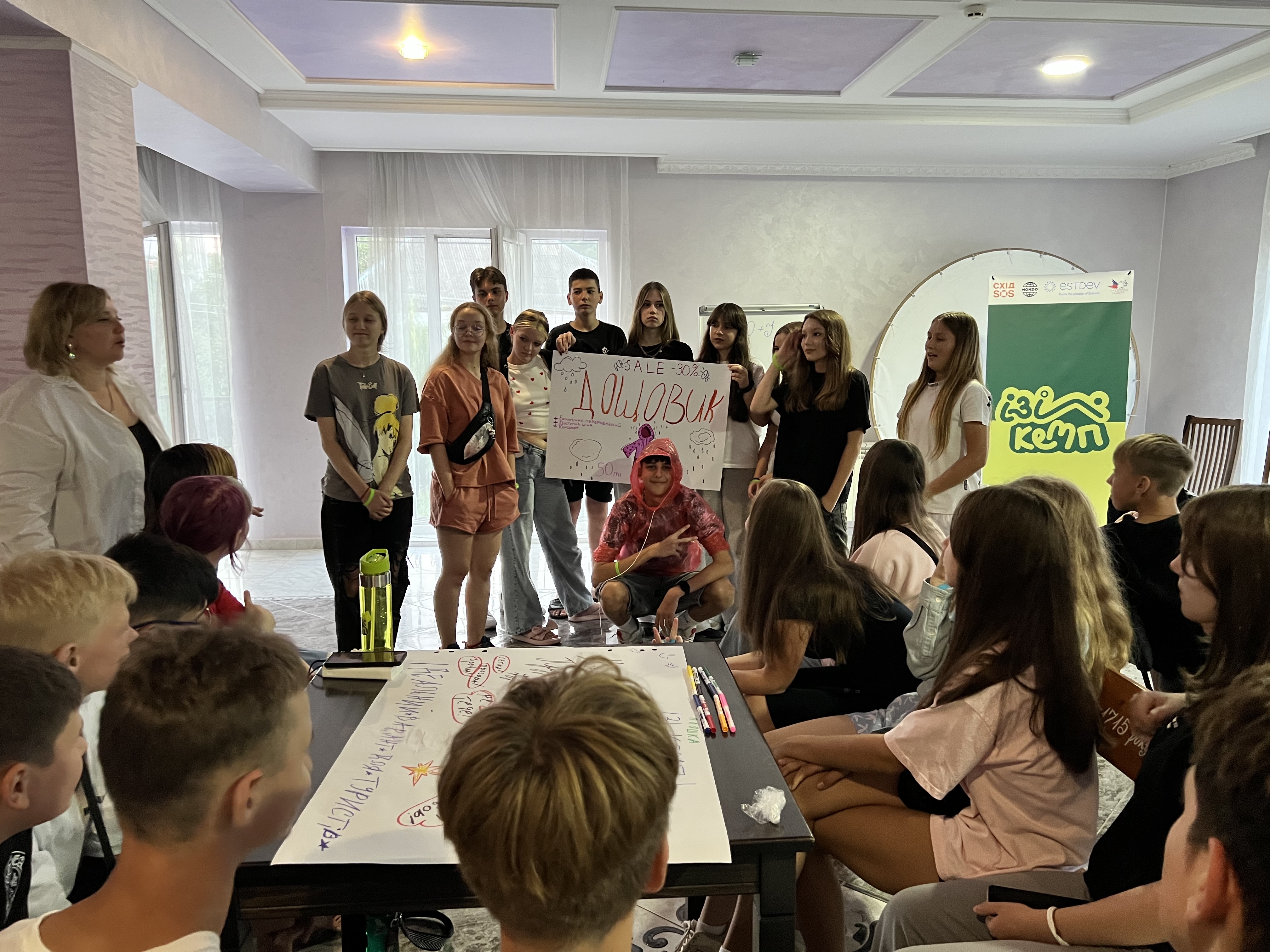
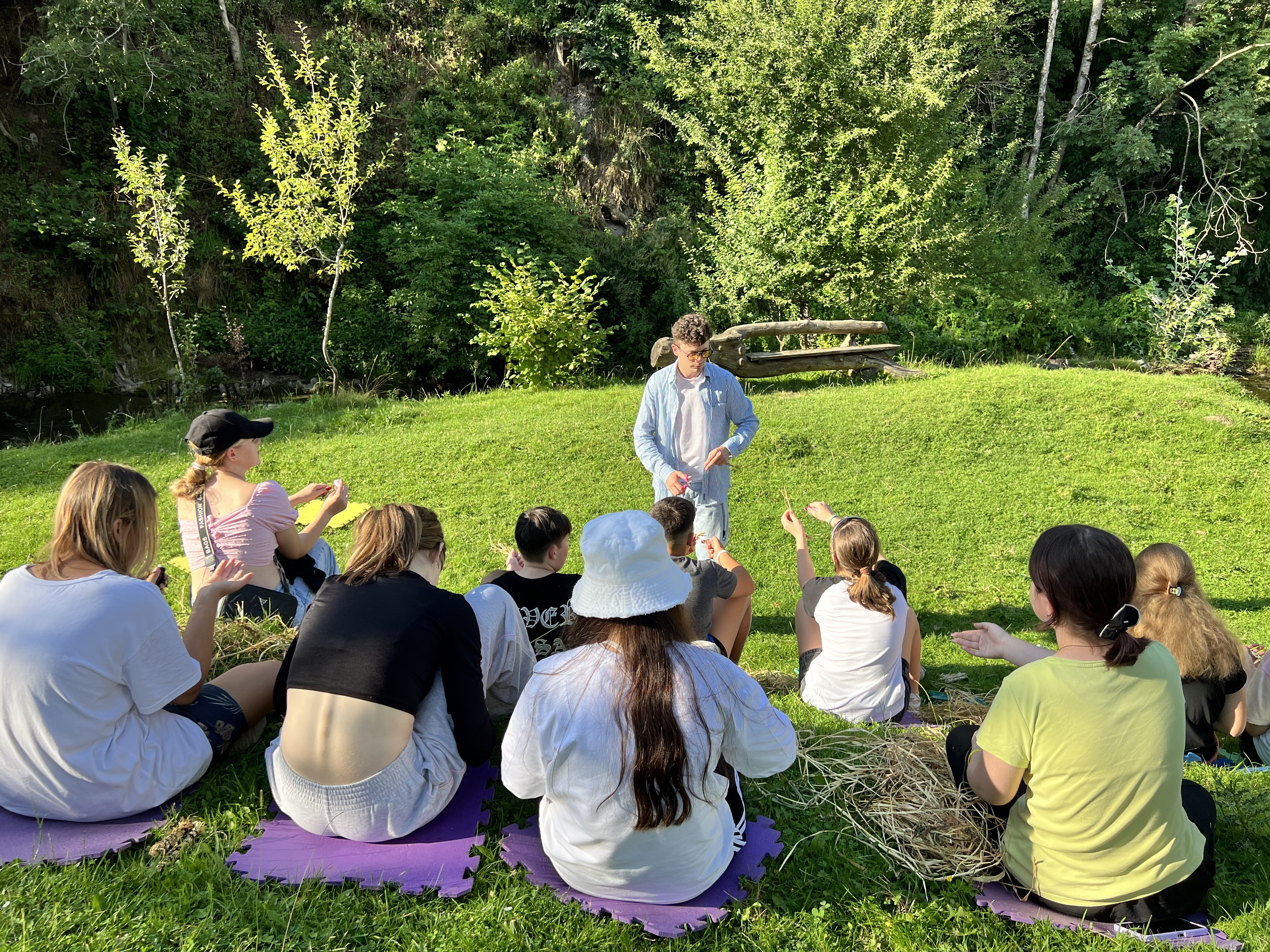
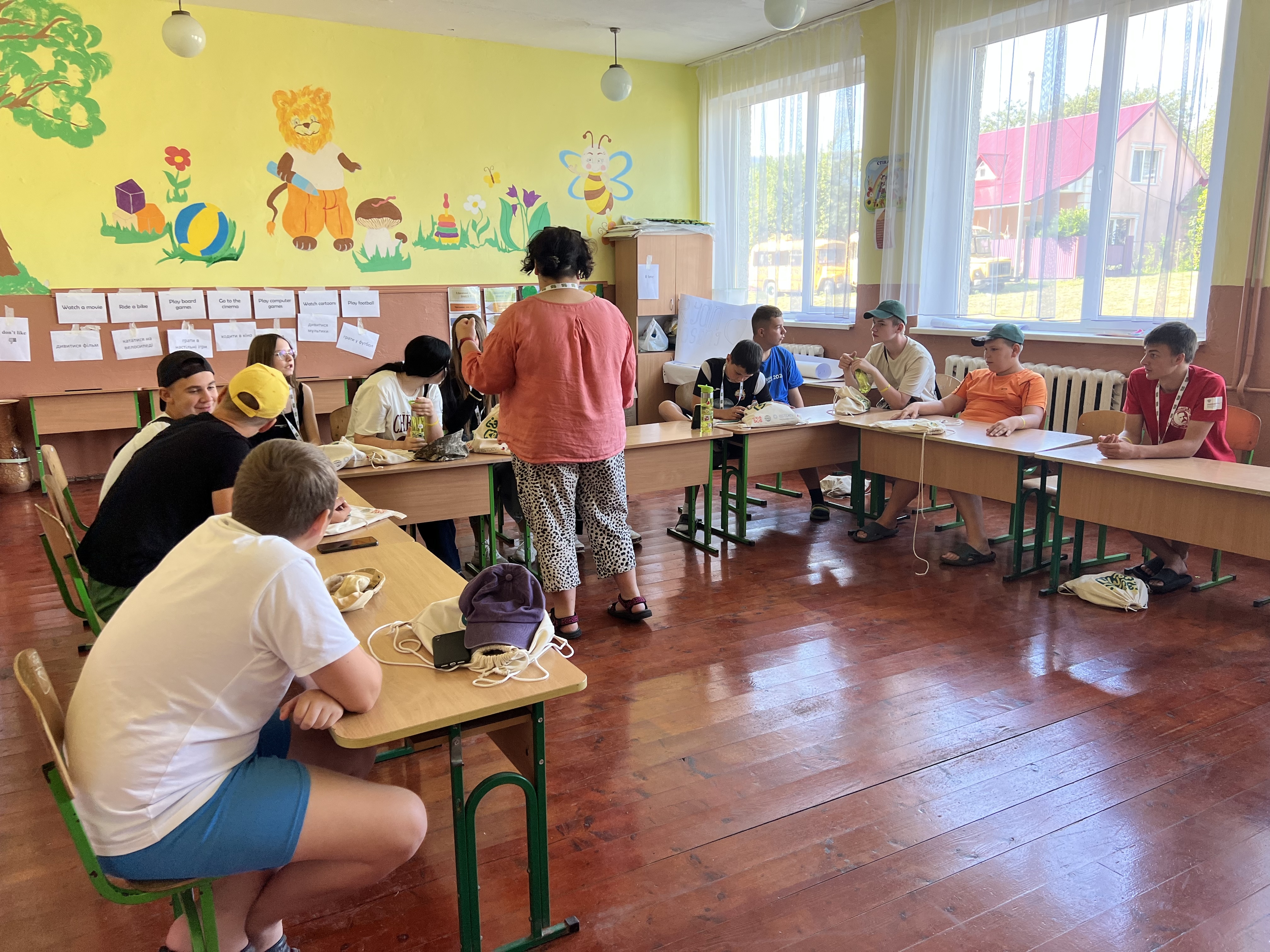
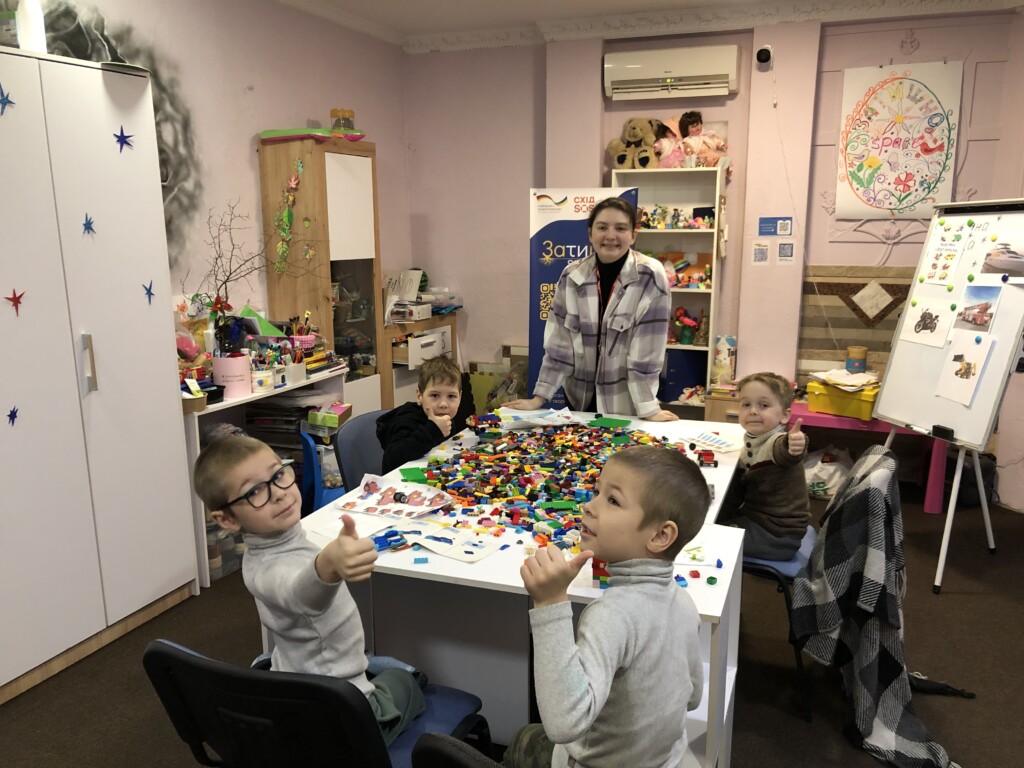
- support the creative and intellectual development of children and young people at Zatyshno Space centers;
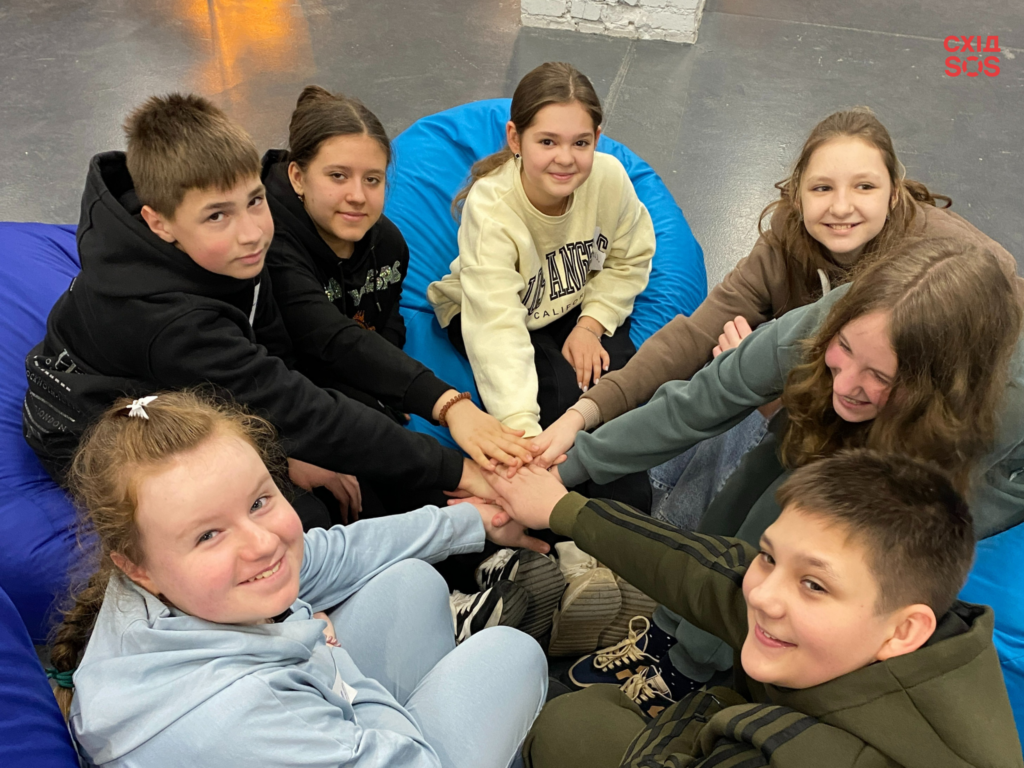
- provide comprehensive support to young people from the temporarily occupied territories who want to study in Ukraine.
We are grateful to our partners from the Danish Helsinki Committee for Human Rights and Civil Society in Development (CISU) for their trust and consistent support for Ukrainian education during the war. Thanks to this cooperation, we can not only respond to challenges but also develop long-term solutions together with hromadas that work every day for children’s future.
The visit of the team and educators was organized by the EAST SOS Charity Foundation as part of the project “School Up: Strengthening the Capacity of Frontline and Displaced Schools in Ukraine”, together with the Danish Helsinki Committee for Human Rights and with the support of CISU.
Read here how the life of Chernihiv Special School No. 1 changed after participating in the School Up project.