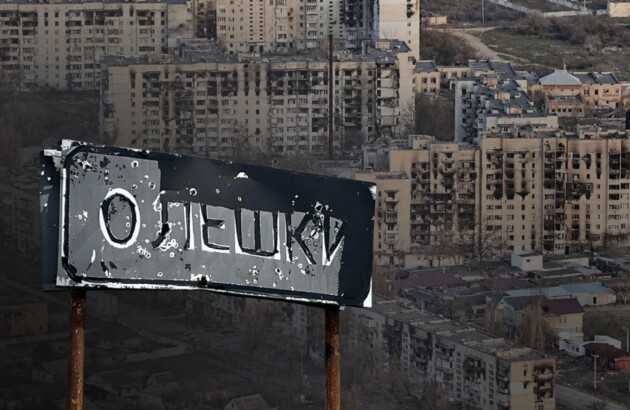
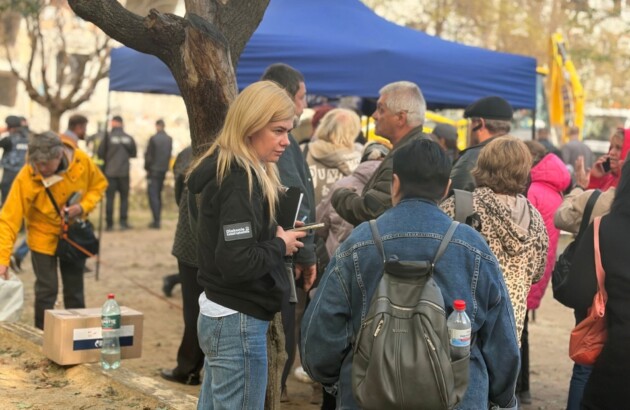
“Violations of International Humanitarian Law Affecting Education in Ukraine”. Key Takeaways from the Discussion of the Report Presentation
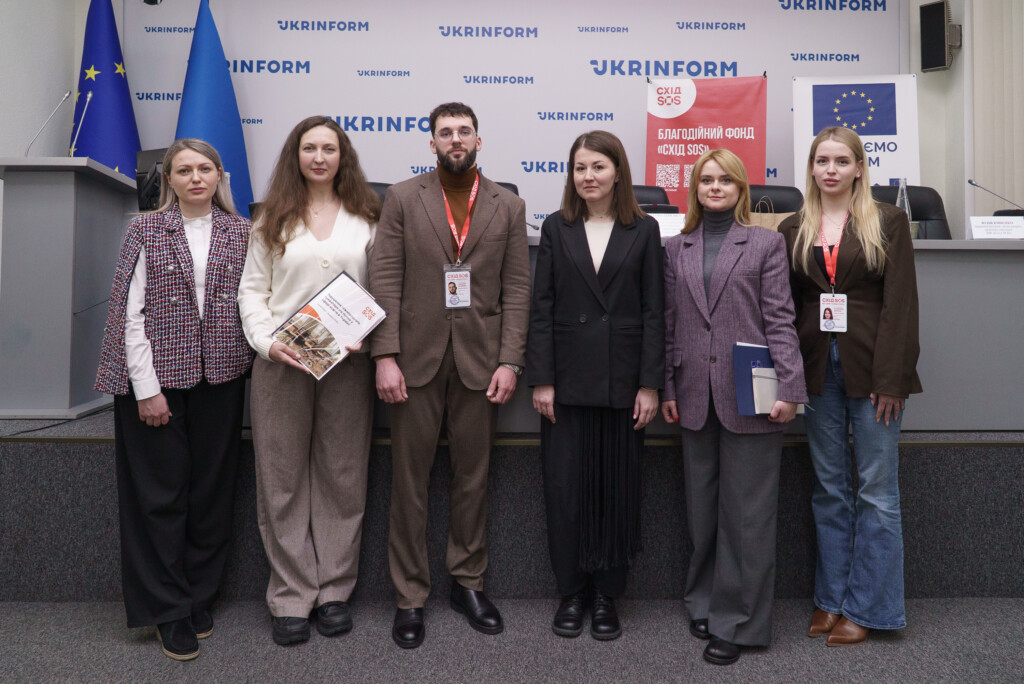
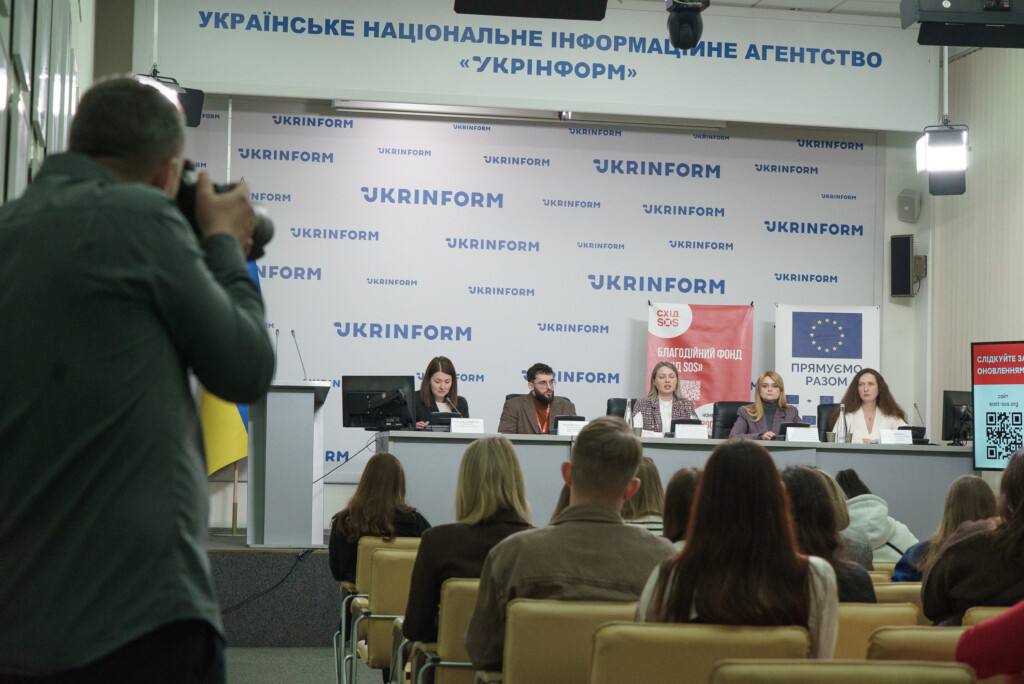
On February 13, the EAST SOS Charity Foundation presented its analytical report, “Violations of International Humanitarian Law Affecting Education in Ukraine (February 2022 – May 2025),” at Ukrinform.
The discussion featured:
- Nazarii Lutsenko, Analyst of the Documentation Department at the EAST SOS Charity Foundation
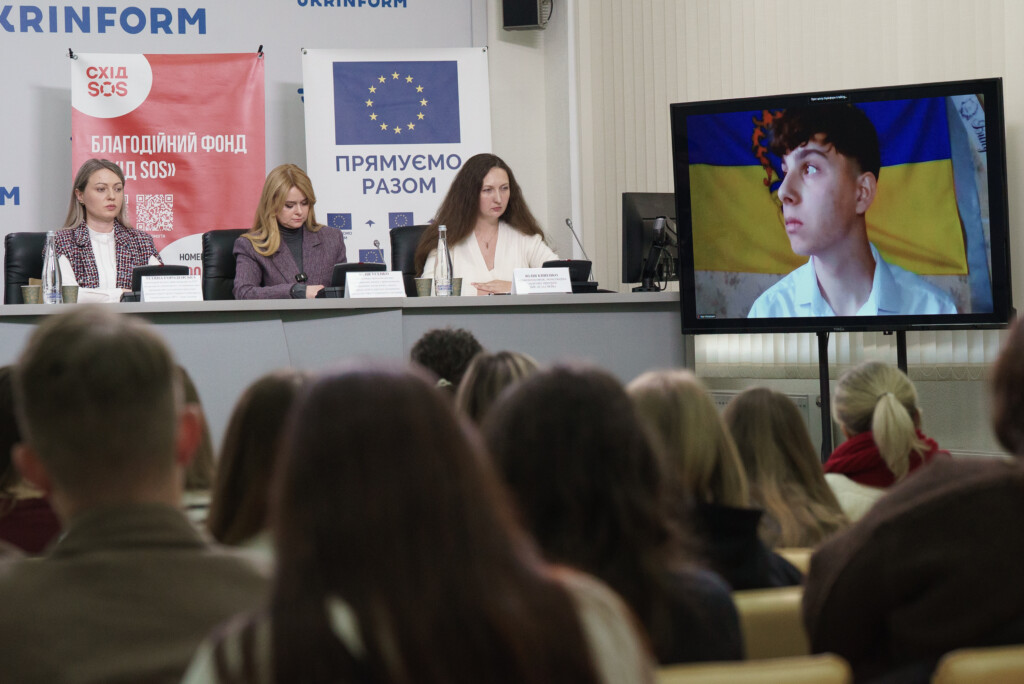
- Mykhailo Katralieiev, Teacher fromthe city of Rubizhne (online participation)
- Ivan Metrovych, Former student of a school in Luhansk Oblast (online participation)
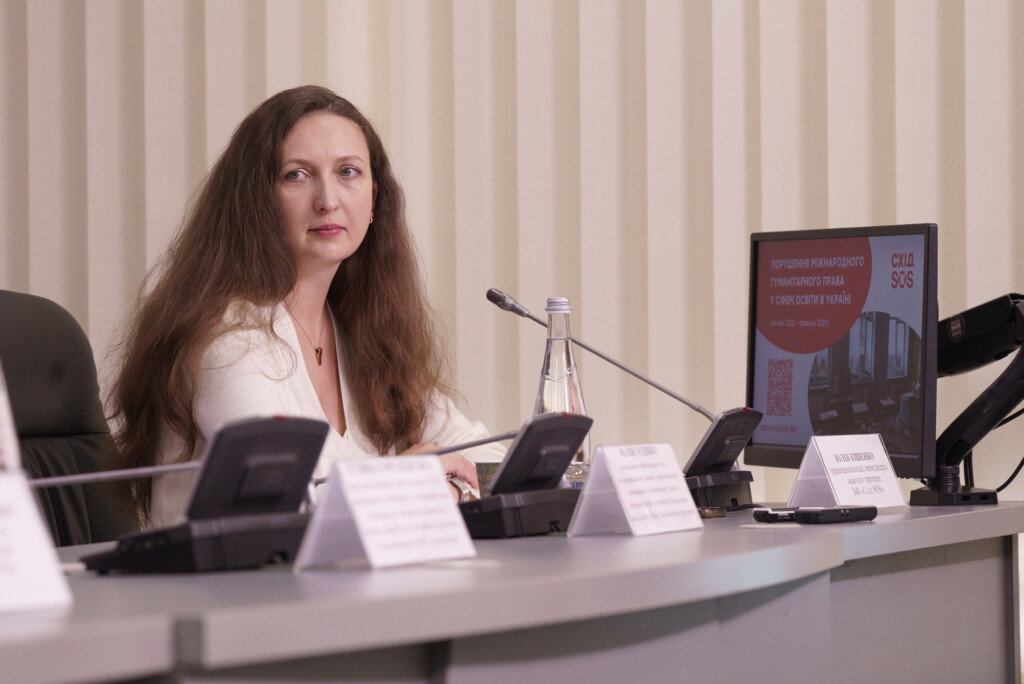
- Yuliia Kishenko, Human Rights Advocate, Education Programs Manager at the EAST SOS Charity Foundation
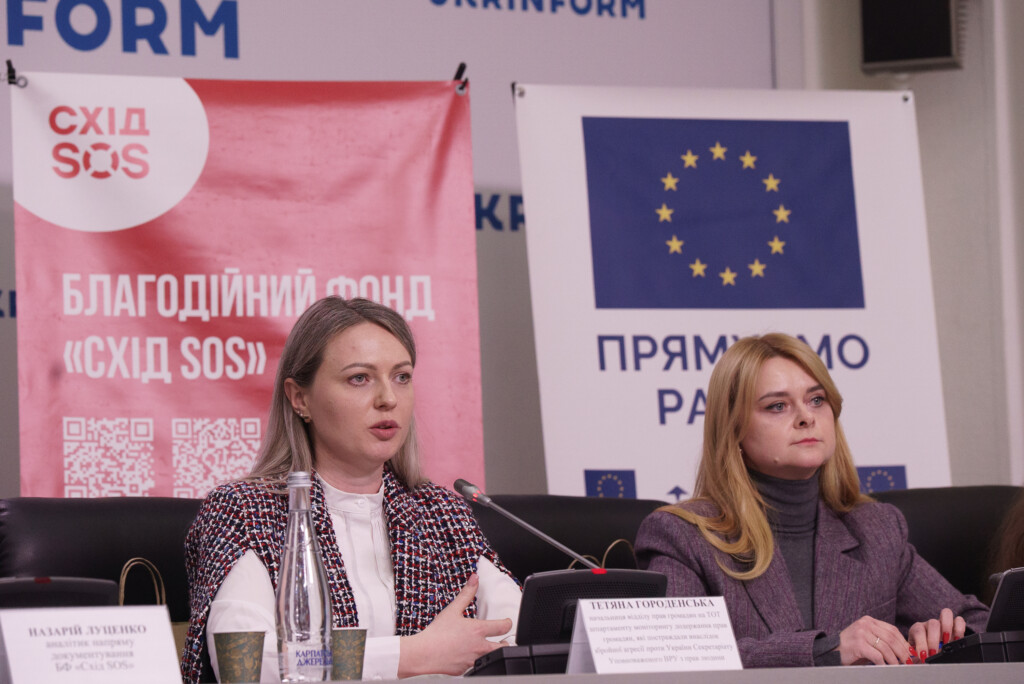
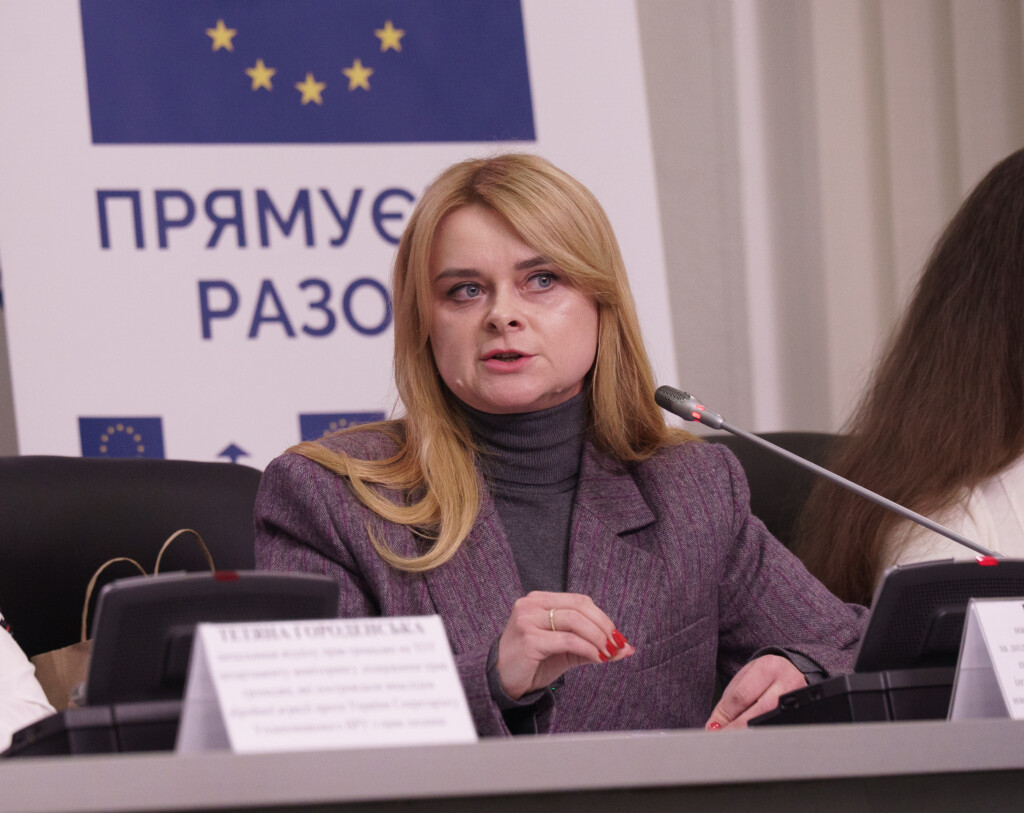
- Tetiana Horodenska, Head of the Department for Civil Rights in the Temporarily Occupied Territories at the Department for Monitoring Compliance with the Rights of Citizens Affected by the Armed Aggression against Ukraine, Secretariat of the Ukrainian Parliament Commissioner for Human Rights
- Yuliia Usenko, Head of the Department for Supervision of Law Enforcement in Criminal Proceedings of the Office of the Prosecutor General
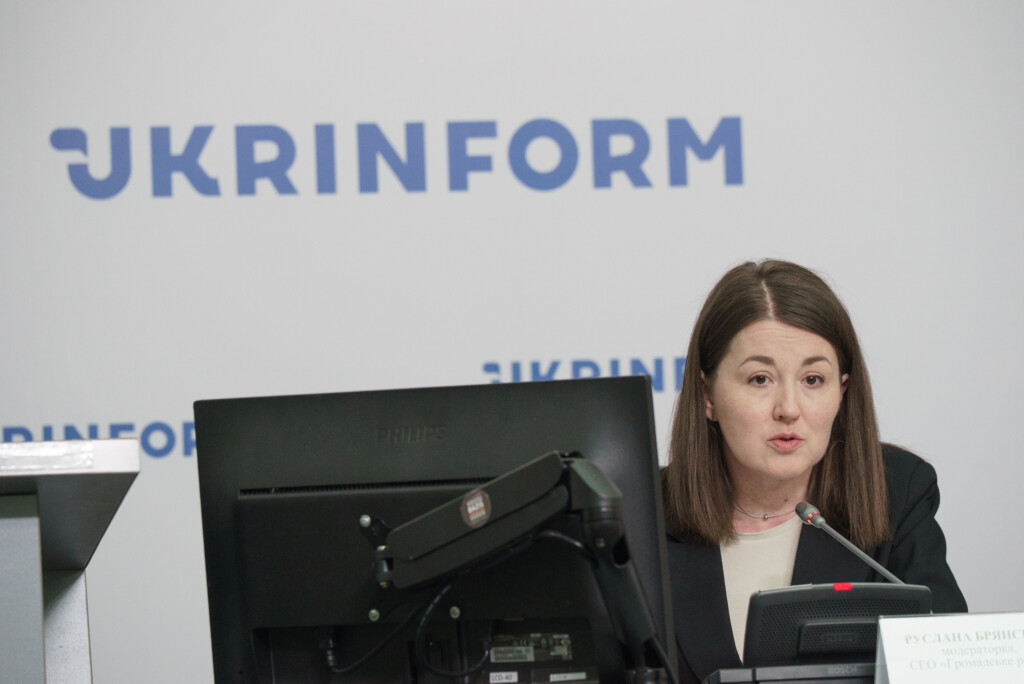
The discussion was moderated by Ruslana Brianska, Executive Director of Hromadske Radio.
Summary of the report discussion:
Ruslana Brianska, Executive Director of Hromadske Radio, emphasized that:
- people in the temporarily occupied territories are largely cut off from reliable information and often do not know what steps to take to leave the occupation, apply to Ukrainian universities, obtain documents, etc.
- the occupiers use the education system for propaganda and to shape children’s loyalty toward the aggressor.
- independent Ukrainian media cover life in the temporarily occupied territories and expose violations of children’s rights.
Mykhailo Katralieiev, a teacher from Rubizhne, described:
- how educators were persecuted by the occupiers for continuing to work within the Ukrainian education system;
- how students’ homes were searched, Ukrainian textbooks were taken away, and Soviet or russian textbooks were imposed instead;
- how children were forced to join militarized youth organizations, including “Yunarmiya” [Young Army, a russian paramilitary youth organization]
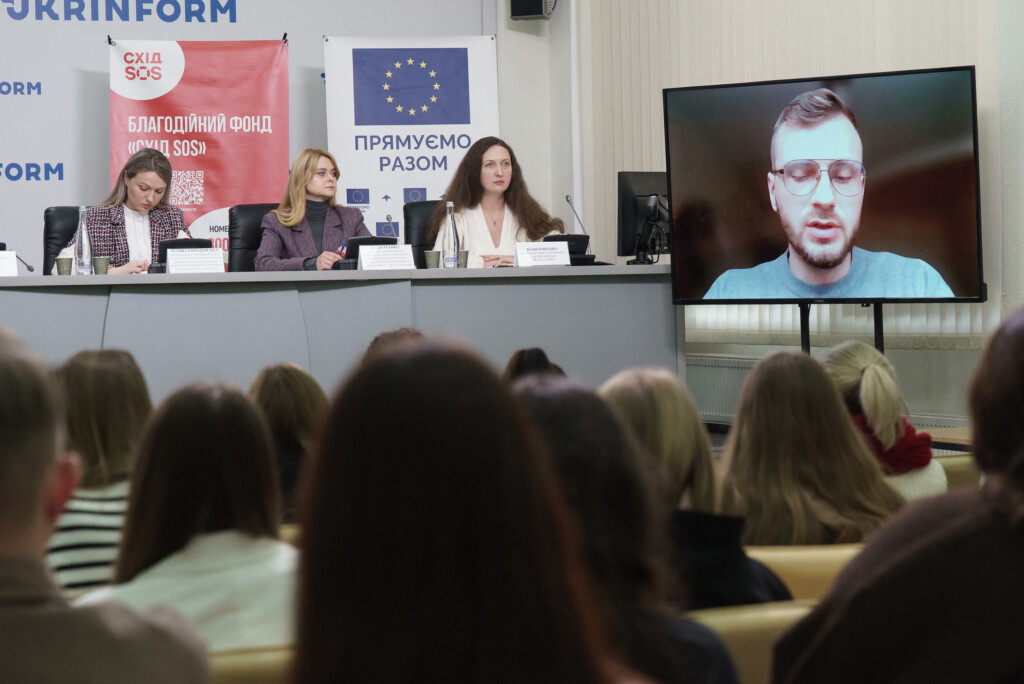
Ivan Metrovych, a former student from Luhansk Oblast, shared that:
- the occupiers spread russian propaganda in class and pressure students to join “Yunarmiya”;
- Ukrainian-language books are destroyed and confiscated;
- families whose children study in Ukrainian online schools face searches, threats, and humiliation.
Tetiana Horodenska, Head of the Department for Civil Rights in the Temporarily Occupied Territories at the Department for Monitoring Compliance with the Rights of Citizens Affected by the Armed Aggression against Ukraine, Secretariat of the Ukrainian Parliament Commissioner for Human Rights, spoke about:
- the challenges children and young people from the temporarily occupied territories face when applying to Ukrainian universities;
- the destruction of Ukrainian books by the occupiers in libraries across the temporarily occupied territories;
- the support provided by the Ombudsman’s Office in protecting rights and assisting applicants from the temporarily occupied territories throughout the admission process
Yuliia Usenko, Head of the Department for Supervision of Law Enforcement in Criminal Proceedings of the Office of the Prosecutor General, emphasized that:
- the forced imposition of russian education violates the Fourth Geneva Convention and is widespread across all temporarily occupied territories;
- military-patriotic education poses a direct threat to preserving the identity of children in territories under russian control.
Yuliia Kishenko, Human Rights Advocate, Education Programs Manager at EAST SOS, spoke about:
- obstacles faced by applicants from the temporarily occupied territories, including limited access to information, difficulties leaving the occupied territories, and additional barriers created by the occupiers;
- the need for comprehensive support for applicants from the temporarily occupied territories, including financial, informational and psychological support, assistance with restoring and obtaining documents, and admission support immediately after leaving occupation.
The full report is available for download here.
Link to the live presentation recording.
The documentation is carried out as part of the project “Support for War-Affected Vulnerable Groups and Residents of Remote Areas in Ukraine,” with financial support from the European Union. The contents of this publication are the sole responsibility of the Foundation and do not necessarily reflect the views of the European Union. (European Union in Ukraine).