Documenting war crimes
Mission
Achievements
Projects
All projects about activities
Support for War-Affected Vulnerable Groups and Residents of Remote Areas of Ukraine
Our Team
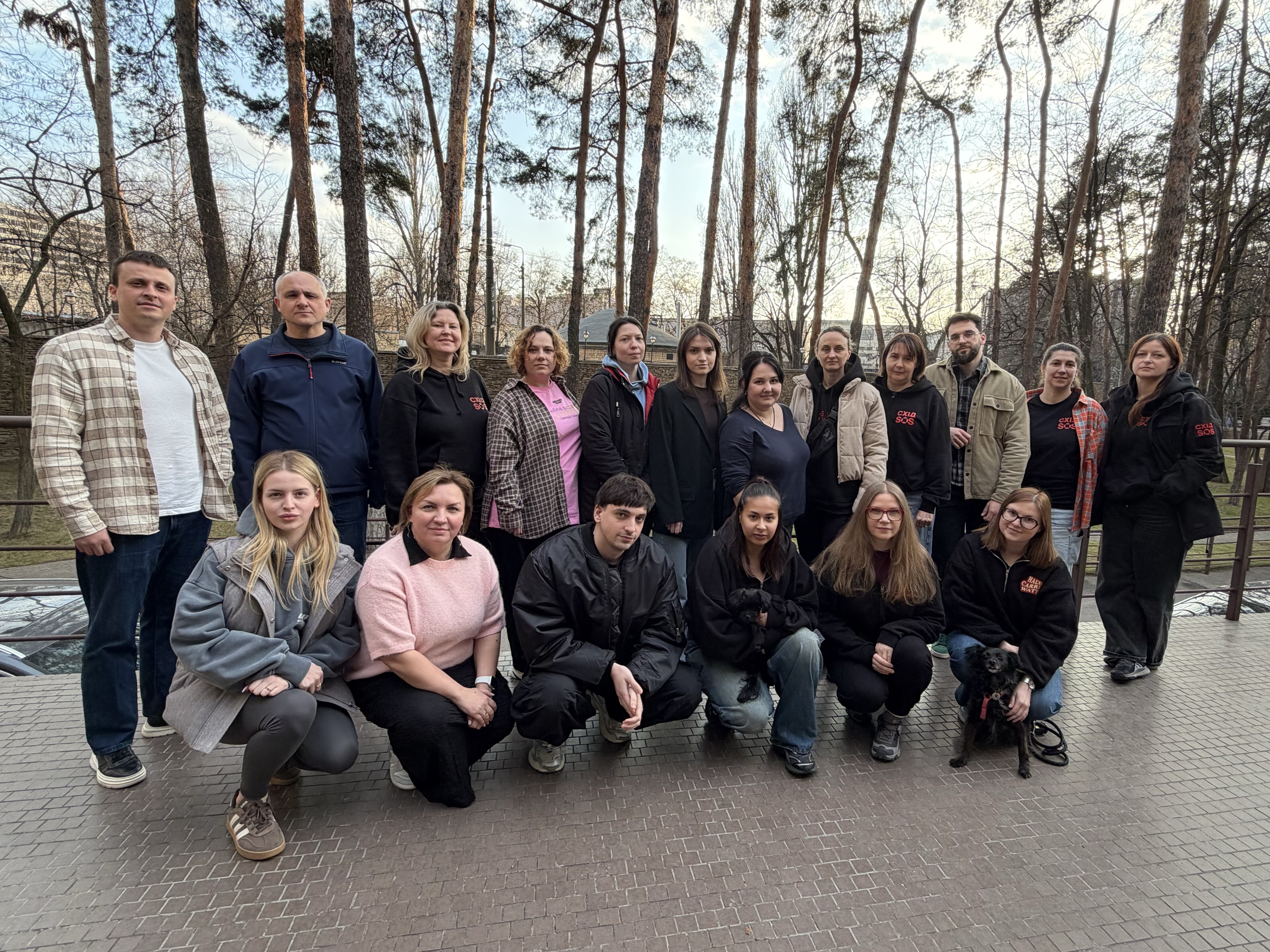
The war crimes documentation team works with victims and witnesses across Ukraine, collecting evidence of war crimes committed by representatives of the russian federation against civilians. All materials are documented in accordance with international standards and submitted to national authorities and international judicial institutions.
The team records a wide range of crimes, including those committed against residents of frontline and de-occupied territories, internally displaced persons, and other vulnerable groups. The collected evidence contributes to building a comprehensive evidentiary base, preparing analytical materials, publications, and reports, and is submitted to the Prosecutor’s Office as well as to the International Criminal Court.
Our team has presented three analytical reports:
- “Implementation of the Best Practices of Justice Amidst the Armed Conflict”;
- “Changes in the Demographic Composition of the Population in the Temporarily Occupied Territories of the Donetsk and Luhansk Regions”;
- “War Crimes and Crimes Against Humanity Committed Against Civilians in Ukraine in 2022”;
- “Invisible People of Ukraine’s Frontline”;
- “Violations of International Humanitarian Law Affecting Education in Ukraine”.
We are currently conducting new research on targeted attacks by enemy FPV drones against humanitarian missions. Our materials are published in cooperation with the following media outlets: Svidomi, New Ukrainian School, Svoi, Gazeta.ua, Babel, ZMINA.UA, War Stories in Ukraine, and Svidok.org.
History
We began documenting crimes committed by russian forces against the civilian population and launched the media resource Informator, which provided daily reports on killings, unlawful detentions, shelling of civilian infrastructure, and other violations in the temporarily occupied areas of the Donetsk and Luhansk regions.
East SOS was also one of the initiators and co-founders of the Justice for Peace in Donbas Coalition, which documents grave human rights violations in eastern Ukraine.
The initiative has evolved into documenting war crimes against civilians, with a primary focus on recording cases of enforced disappearances, torture, murder, and illegal detention.
Our team continued to record and compile testimonies from victims of crimes committed by the occupation authorities in the Donetsk and Luhansk regions.
One of our team members took part in a study visit dedicated to documenting crimes committed during the armed conflicts in the former Yugoslavia – including Bosnia and Herzegovina, Serbia, Kosovo, and North Macedonia (officially renamed in 2019). The participants studied practical approaches to documenting international crimes, and communicating victims’ stories to the international community.
We published part of our research in the Coalition’s collection Living Against All Odds: Challenges for Civilians During the War in Donbas, where we reconstructed the shelling of Bakhmut in February 2015.
In the Coalition’s study The City Where the War Began, we documented the summer 2014 shelling of Sloviansk and explored post-conflict recovery within the community. The book is based on interviews with Sloviansk residents conducted in 2018.
East SOS signed a cooperation memorandum with the Donetsk Regional Prosecutor’s Office to document war crimes.
Our documenters examined justice for international crimes in Ukraine, presenting their findings in the analytical report Implementation of the Best Practices of Justice Amidst the Armed Conflict.
Natalia Kaplun, documentation coordinator, joined the expert council of the Ministry of Reintegration to contribute to the development of a state database of violations.
The East SOS Charity Foundation initiated and co-founded the Ukraine. 5 AM Coalition to document international crimes in Ukraine.
Our documenters began recording crimes against civilians, gathering numerous testimonies from Mariupol residents about the city’s destruction. These accounts were published on our official website and media platforms such as Babel and Svidomi.
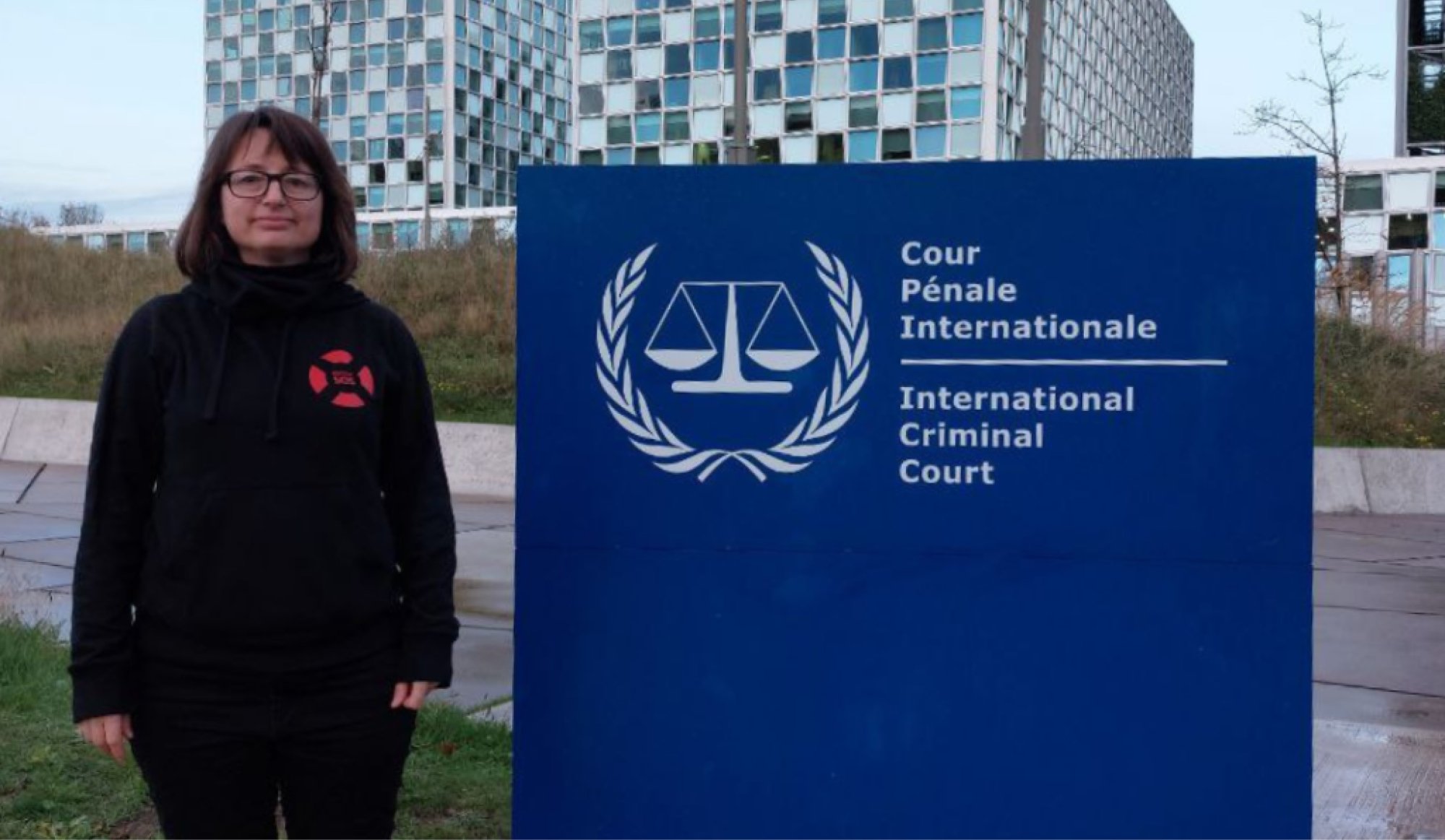
Additionally, we took part in a roundtable discussion at the International Criminal Court in The Hague, focusing on the documentation of crimes committed against and involving children.
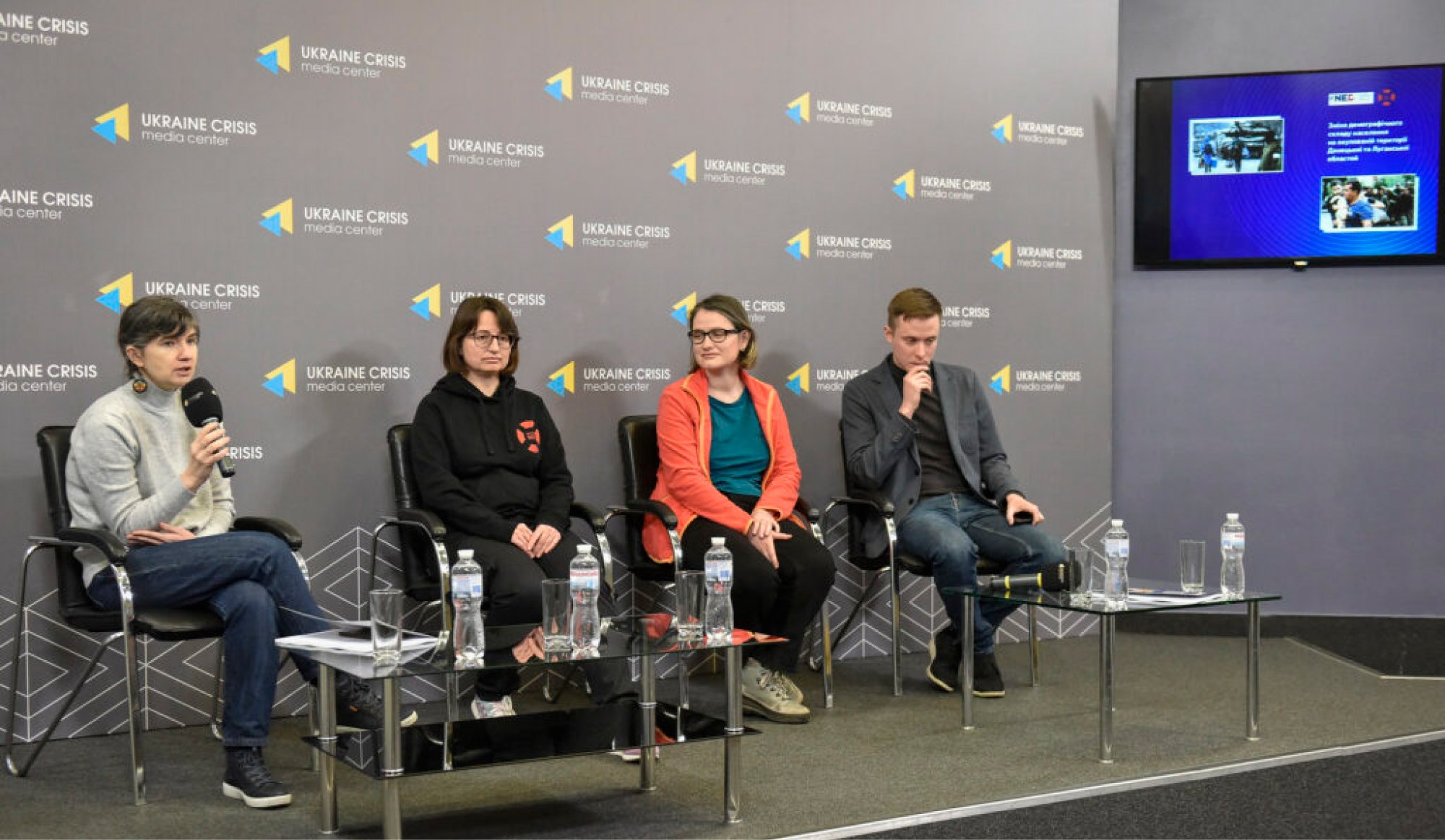
Our team presented the analytical report Changes in the Demographic Composition of the Population in the Temporarily Occupied Territories of the Donetsk and Luhansk Regions, documenting 137 cases of persecution in these areas from 2014 to 2022.
We also prepared the report War Crimes and Crimes Against Humanity Committed Against Civilians in Ukraine in 2022 and continued publishing victim testimonies on media platforms such as Svidomi, War Stories from Ukraine, Gazeta.ua, ZMINA.UA, and New Ukrainian School.
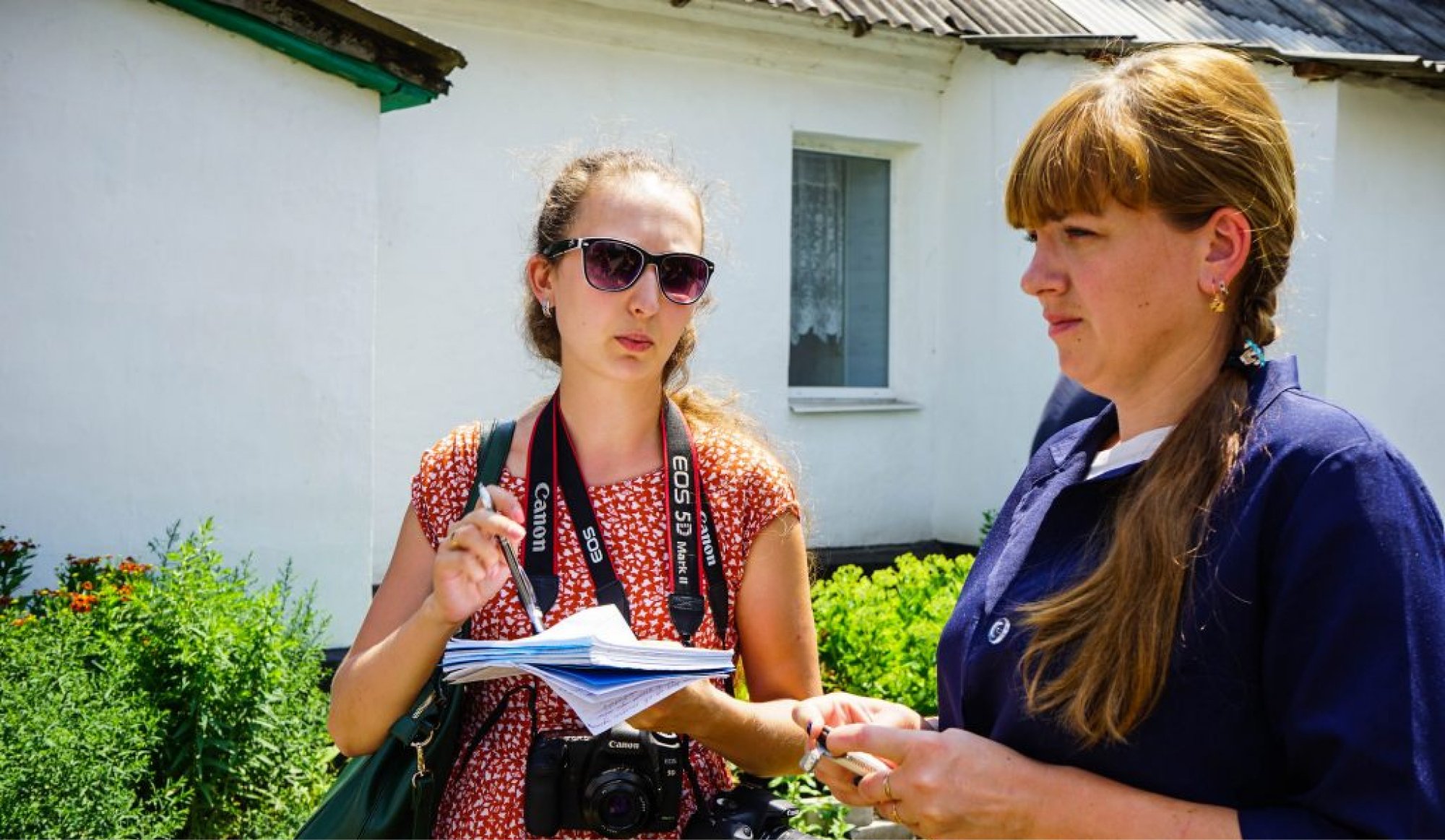
As part of the Freedom House project, our team conducted field missions in the de-occupied territories of the Kharkiv and Kherson regions, collecting evidence of war crimes committed by russian forces.
We continue to document crimes committed by russian forces against the civilian population, publishing witness and victim testimonies on our website and partner media platforms such as Svidomi, SERA, and others.
Our mission is to share the stories of ordinary people – those who may never be seen or heard by journalists. We strive to convey their experiences, to ensure these events are neither forgotten nor overlooked. Documenting these stories adds another dimension to understanding the war.
Kateryna Dorosh, War Crimes Documentation Coordinator
Contacts
If you have witnessed war crimes, please contact us at [email protected]
Photo gallery