“Thank You for Remembering Us”: Key Highlights from the Panel Discussion “Behind the Iron Curtain: How to Break Through Information Isolation to Reach People in the TOT”
“Thank you for remembering us” – this is what Ukrainian media often hear from people living in the temporarily occupied territories (TOT). These words reflect years of information isolation, blocked access to Ukrainian resources, and constant pressure from russian propaganda and the pressure of russian propaganda.
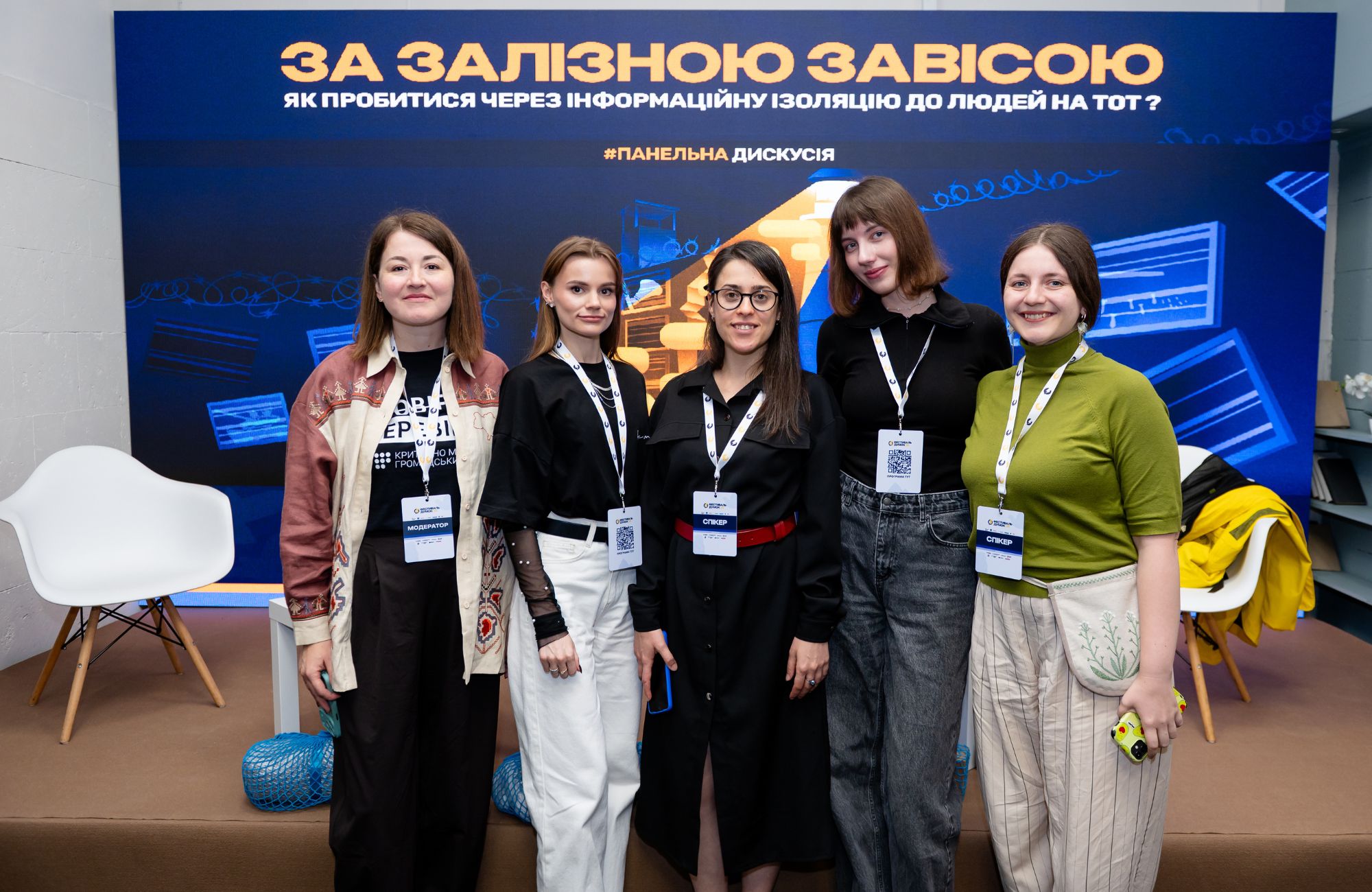
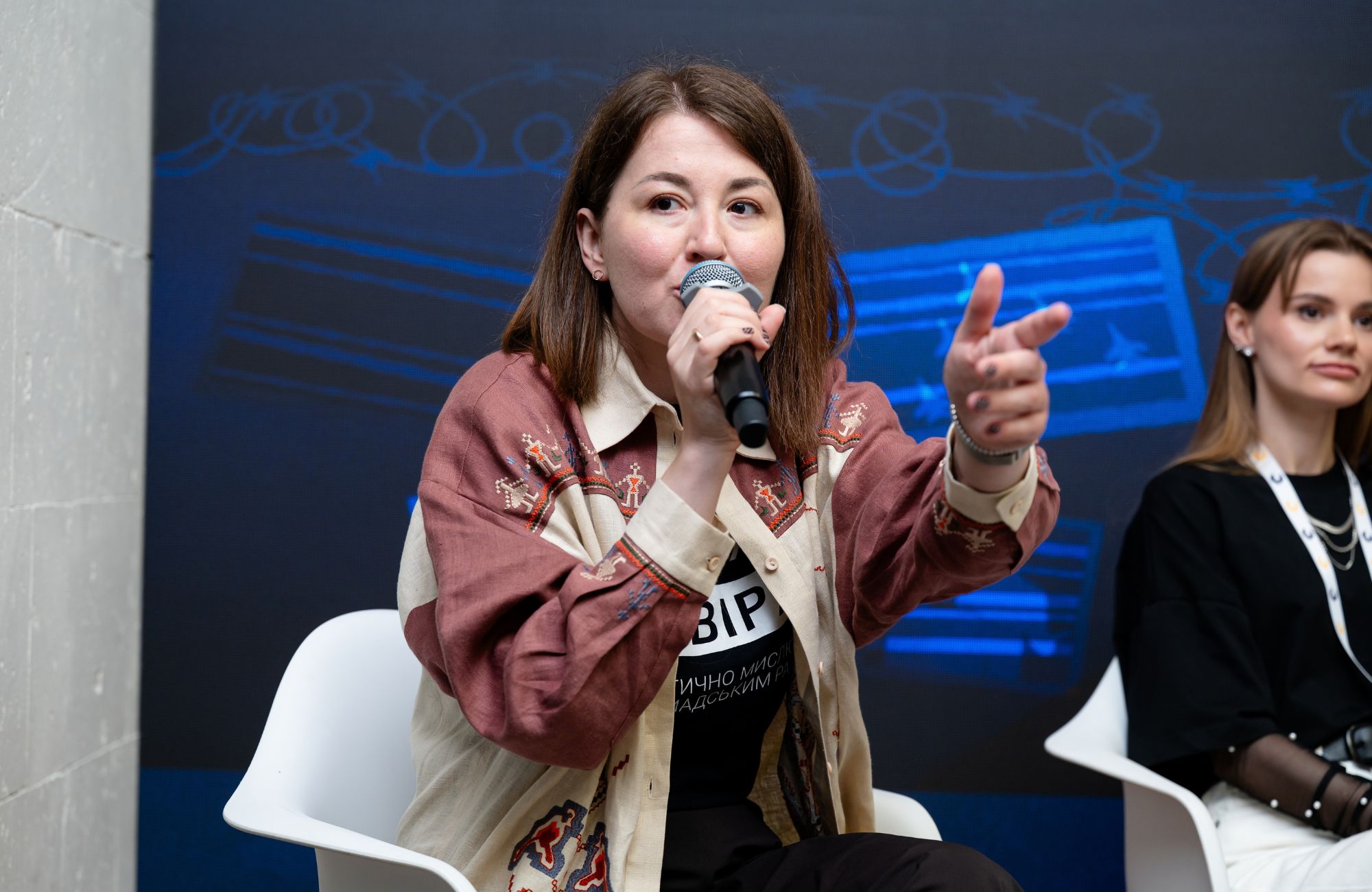
How can we stay in touch with people in the TOT and ensure they receive reliable and practical information? These questions were discussed by media representatives during the panel discussion of the same name at the anniversary Opinion Festival, organised by the EAST SOS Charity Foundation.
Anna Serdiuk, Editor-in-Chief of the Vilne Radio, spoke about one of the biggest challenges for media working with people in the TOT – ensuring their safety.
“We do not ask people who share information from the occupation to take photos or videos because it is too dangerous. We are still trying to cover at least everyday issues, but there are fewer and fewer topics that people feel safe discussing,” she said.
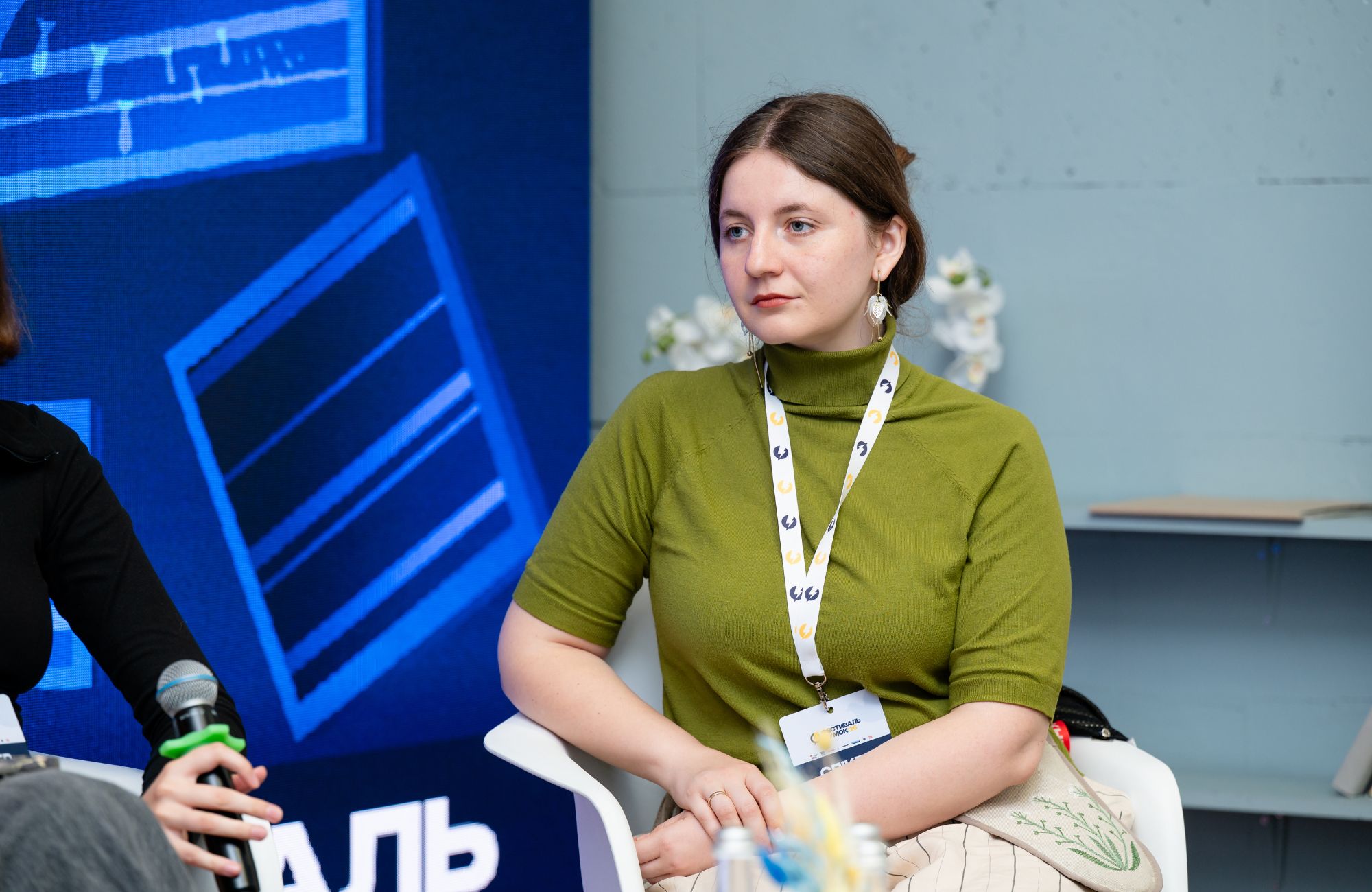
Hotlines and chatbots help maintain contact with people in the TOT. Valeriia Krupoderia, Project Manager and Coordinator of the Skhidnyi Variant hotline, explained that direct requests from the occupied territories are becoming less frequent because of blocked resources and security threats. Instead, relatives and friends of people who remain there contact the hotline more often. They ask about documents, evacuation, and support after leaving.
“There are ways to leave. Yes, it is difficult and sometimes dangerous, but it is worth talking about. We explain step by step how to leave the TOT in order to overcome the belief that nobody is waiting for people from Luhansk or Donetsk oblasts. We are waiting for them. Civil society is ready to support people with the resources it has,” said Valeriia Krupoderia.
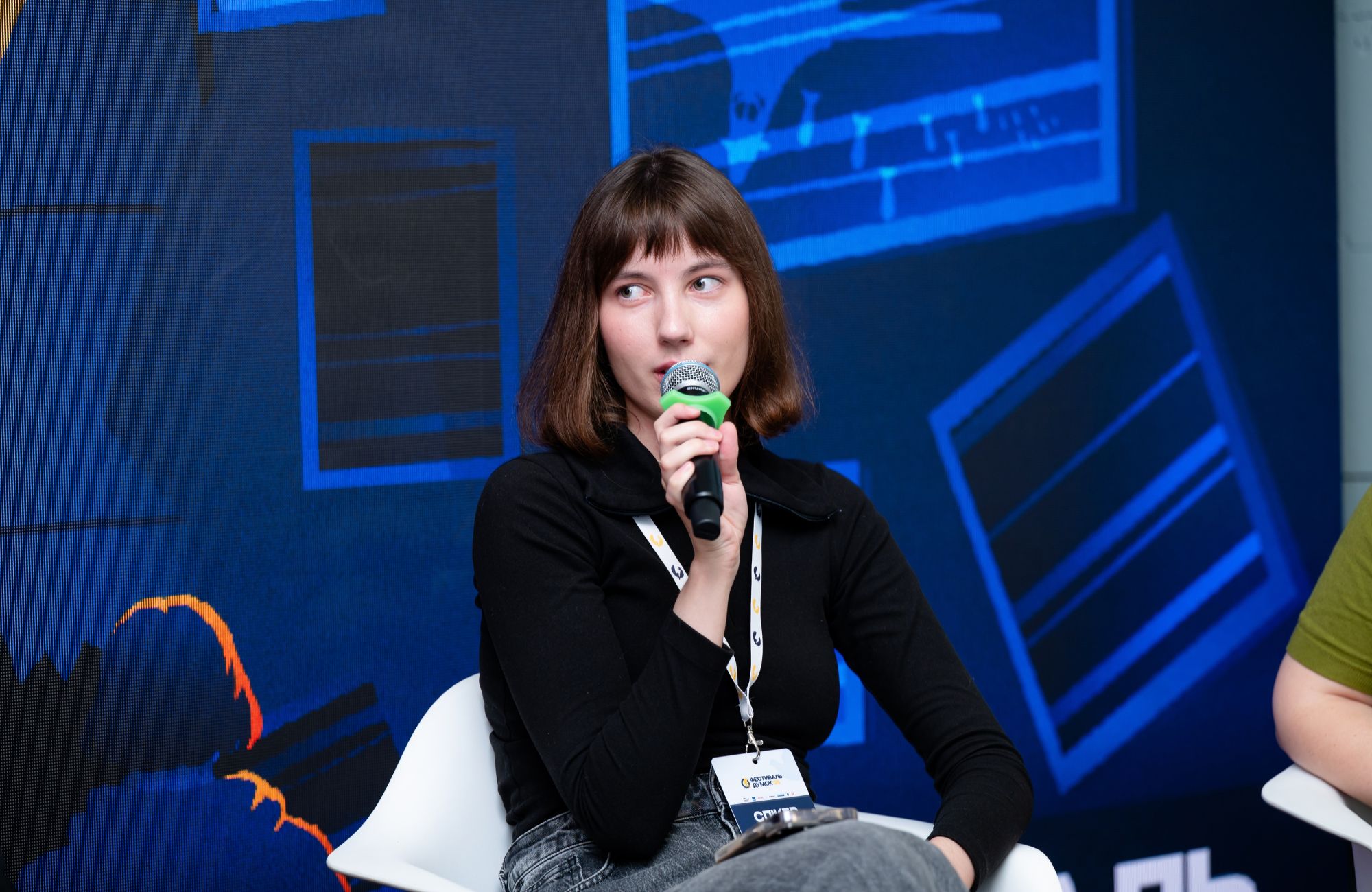
Olena Fietisova, editor of the online media outlet Realna Gazeta, highlighted that practical information needs to be repeated. Because of blocked resources and social media algorithms, important messages may never reach those who need them.
“We need to repeat across different platforms and in different media that people can leave, that there are options to settle, enter a Ukrainian university, live in a dormitory, or receive financial assistance,” Olena Fietisova emphasised.
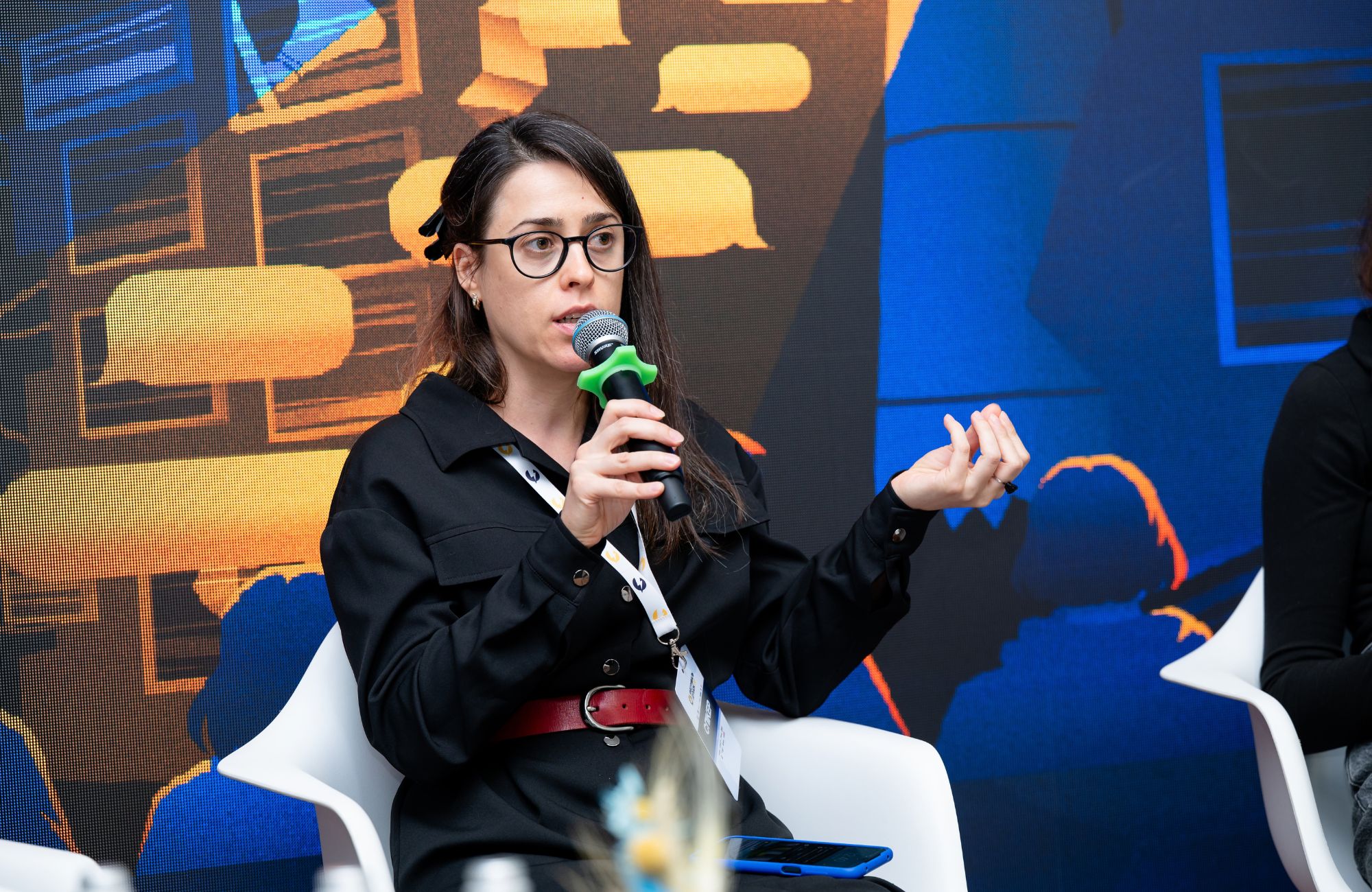
Yuliia Kanzeba, journalist of the Tribun publication, spoke about how russian propaganda is changing. Behind attractive images of “reconstruction” and “peaceful life”, propagandists hide damaged houses, problems with healthcare, education, and public utilities. Comments supporting Ukraine are deleted, and people are persecuted because of their public position.
Yuliia also shared the story of an 18-year-old young man from Donetsk who spent most of his life under temporary occupation but continued to identify himself with Ukraine and search for Ukrainian sources of information.
“He said that his perception of Ukraine was formed precisely thanks to Telegram channels and Ukrainian resources that he found through VPN. That is when you understand how important it is to publish content everywhere – on websites, Instagram, TikTok, and Facebook,” Yuliia Kanzeba stressed.
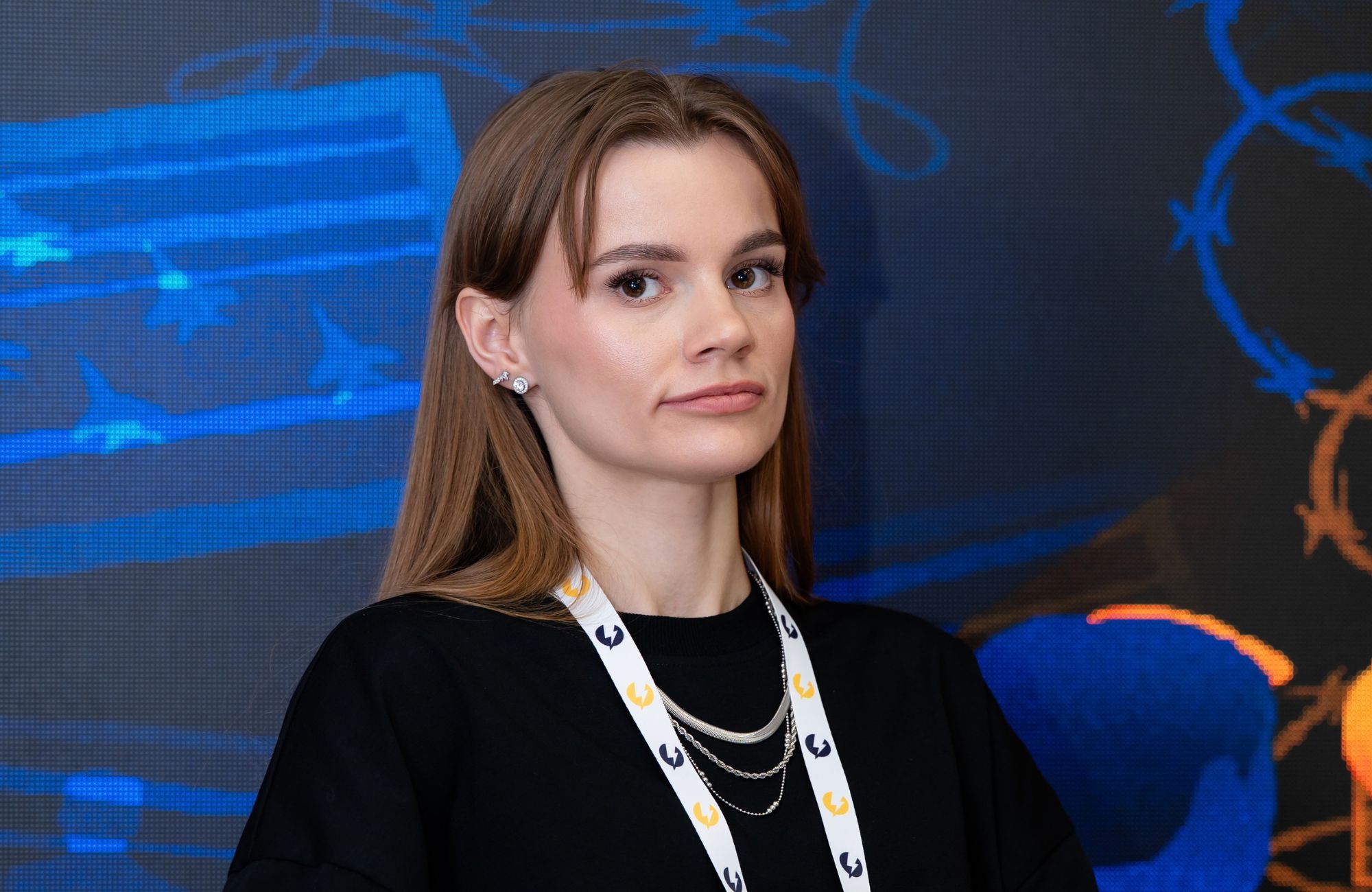
During the discussion, participants also spoke about the fact that people in the TOT lack not only news but also practical information about everyday life in government-controlled part of Ukraine that remains free. Information about how Ukrainian cities live during air raid alerts, what support is available after leaving, where to study, how to find housing and how to start a new life can help people decide to evacuate.
Ruslana Brianska, moderator of the discussion and Executive Director of Hromadske Radio, shared the story of media co-founder Maksym Butkevych. While in russian captivity, he constantly heard that Ukraine no longer existed. Another prisoner who accidentally heard a special Hromadske Radio broadcast dedicated to his birthday told Maksym about it.
“For him, it was extremely important to hear even a small piece of news that Ukraine exists. Maksym said: ‘If Hromadske Radio exists, then Ukraine definitely exists’,” said Ruslana Brianska.
russian attacks damage transmitters and towers that allow Ukrainian radio to be heard in frontline and temporarily occupied territories. Despite this, independent media continue searching for ways to maintain communication with people in the TOT.
The discussion participants agreed on one key point: while it is important to talk about people under temporary occupation, it is equally important to address them without judgment or devaluation but with respect and support. Every article, post, or comment can become a signal: Ukraine remembers, waits, and continues searching for a way to reach its citizens.
Opinion Festival was organised by the EAST SOS Charity Foundation within the EMPOWER project, funded by the Federal Ministry for Economic Cooperation and Development of Germany (BMZ) together with the European Union and implemented by GIZ Ukraine. Opinion Festival was also supported by Diakonie Katastrophenhilfe, the Estonian organisation MONDO, and with the support of the Ministry of Foreign Affairs of Estonia.
Responsibility for the content of this publication lies solely with the EAST SOS Charity Foundation. The content of the publication does not necessarily reflect the position of the festival’s partners and donors.
The festival’s media partners are Skhidnyi Variant, Rubryka, Free Radio, Hromadske Radio, Radio Nakypilo, Tochka Skhodu, Tribun, and UA.News.