East SOS Presented Its Civilian Evacuation Experience at an International Workshop in Warsaw
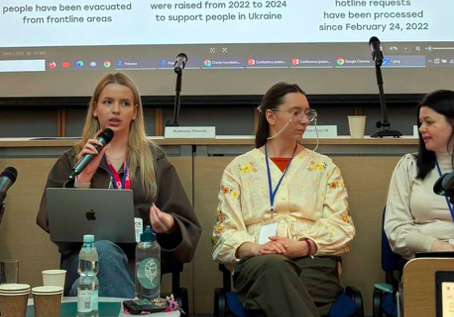
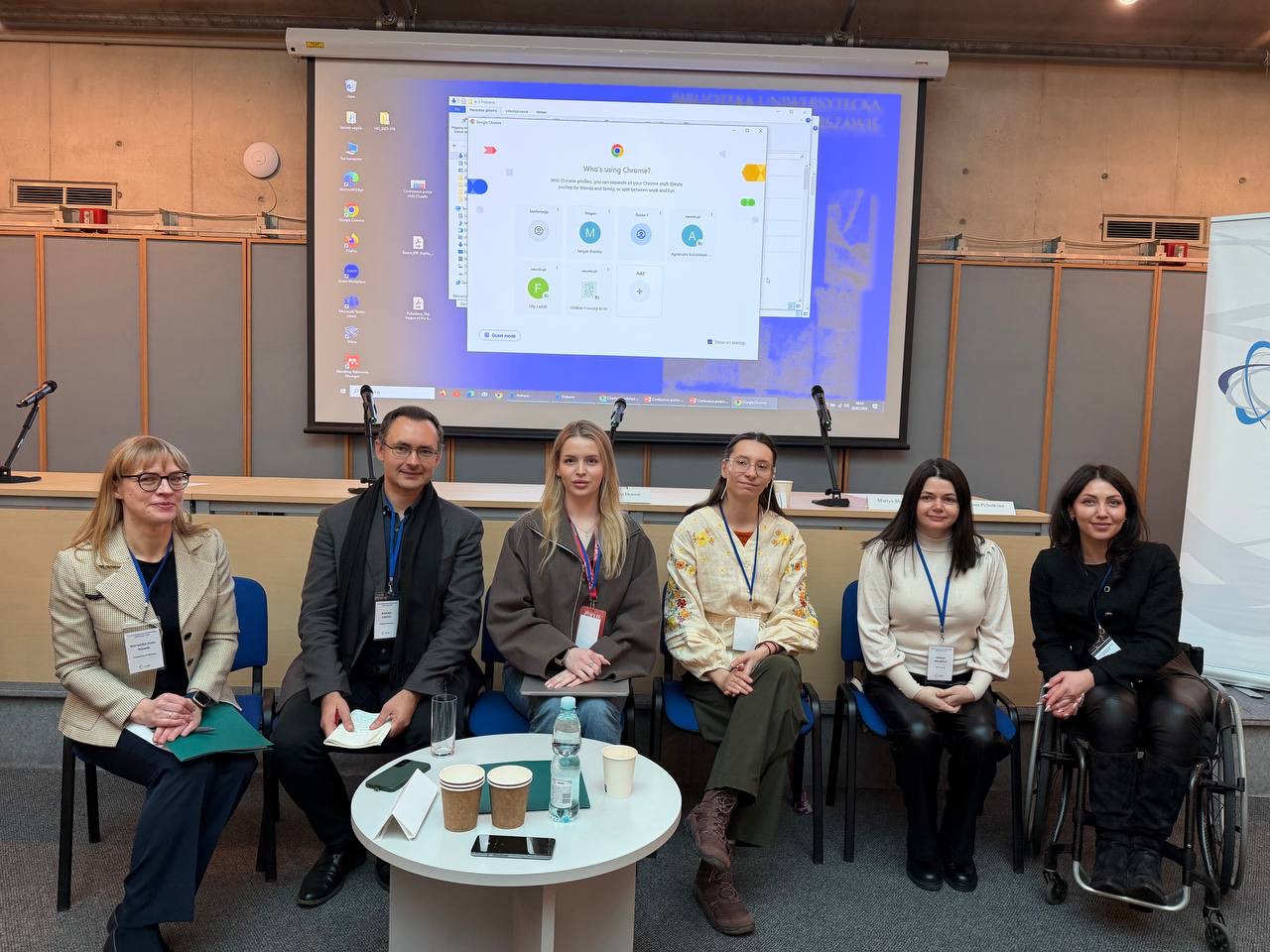
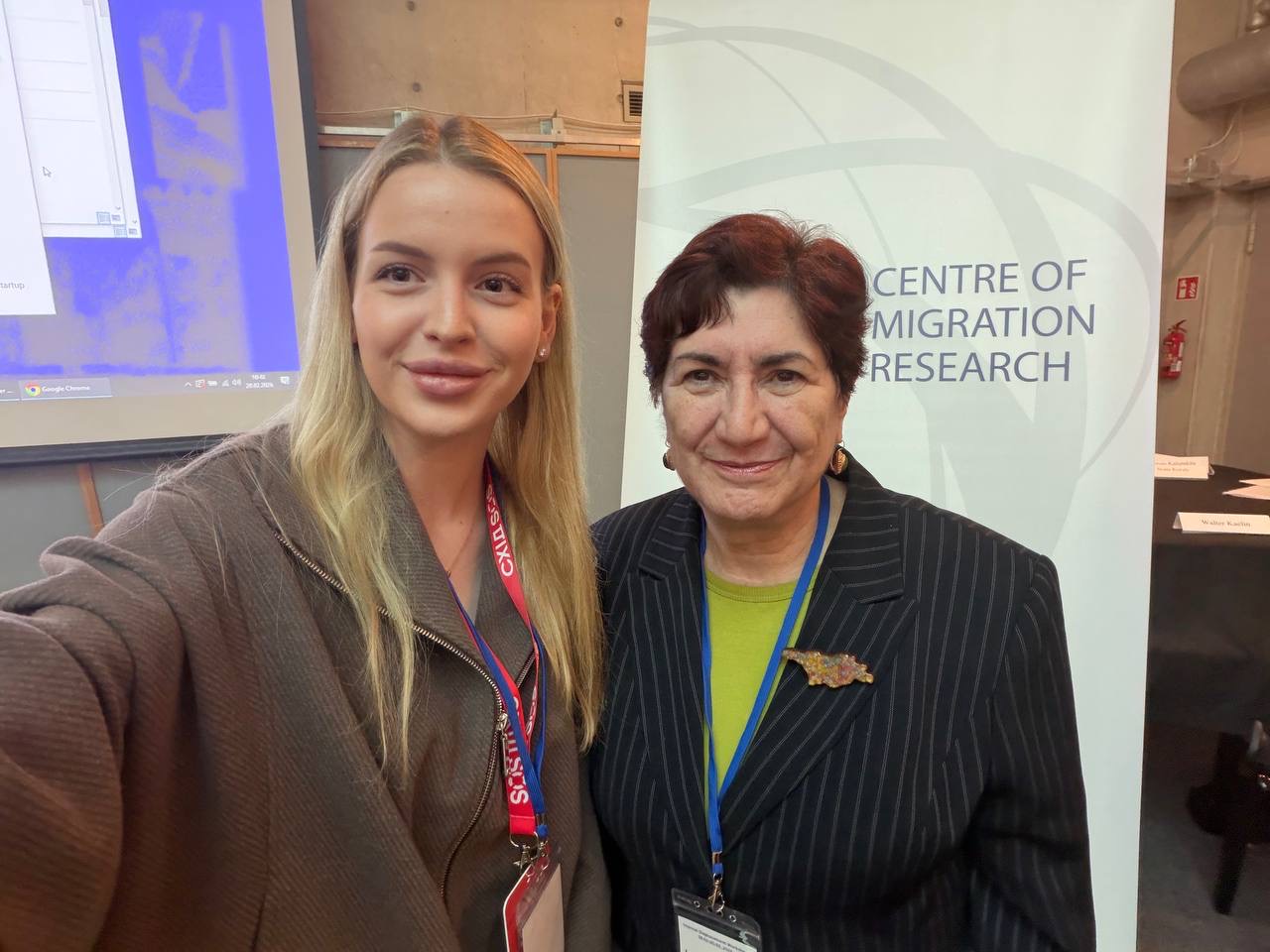
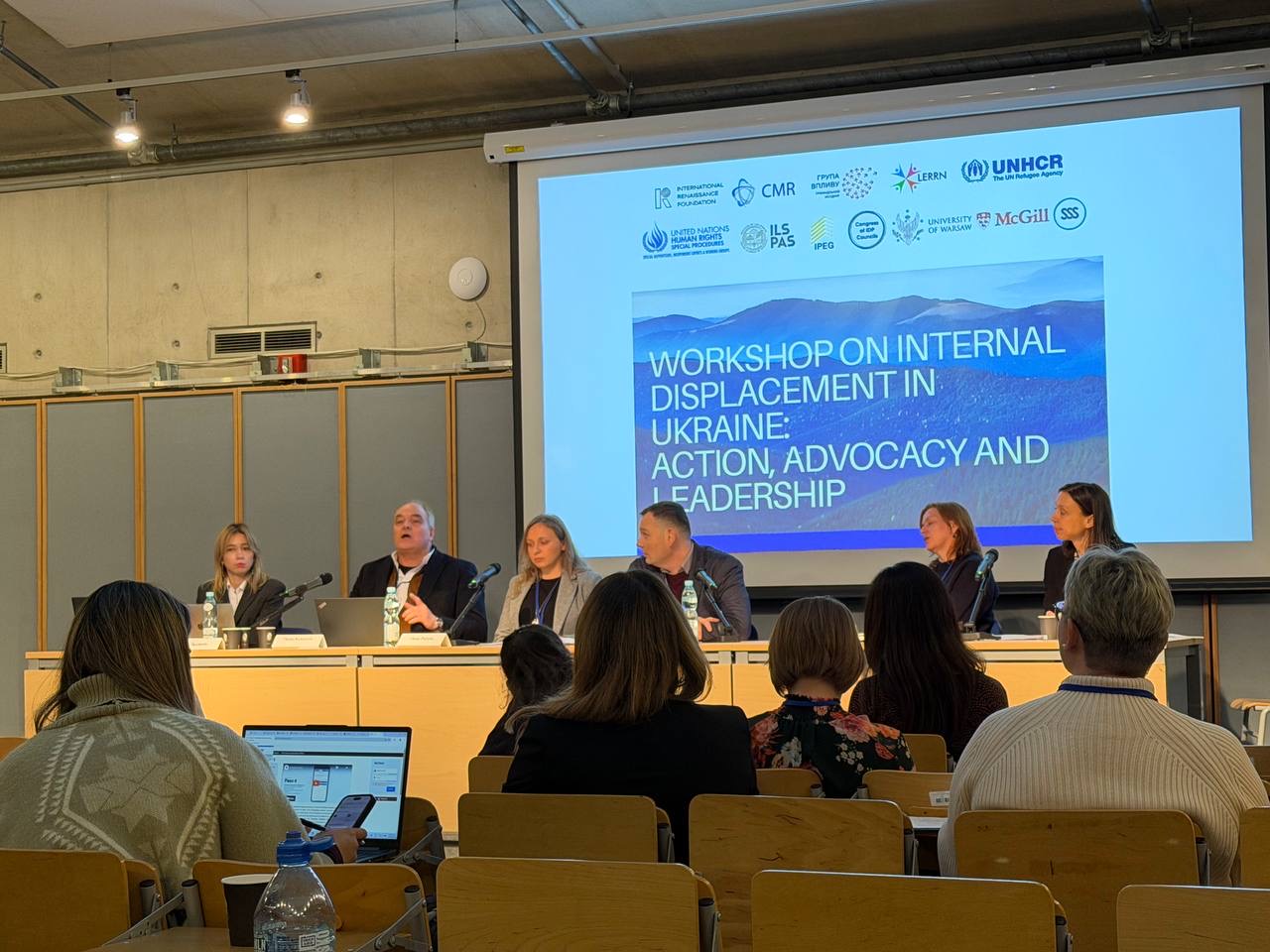
On February 19-20, 2026, Kateryna Dorosh, War Crimes Documentation Coordinator at East SOS, participated in the international workshop “Internal Displacement in Ukraine: Action, Advocacy, and Leadership,” held in Warsaw.
The event brought together IDP leaders from Ukraine, academics, representatives of the Ukrainian government, civil society organizations, and UN agencies. Participants exchanged experiences, analyzed advocacy practices, discussed strategies to strengthen the participation of internally displaced persons (IDPs) in decision-making processes, and explored leadership development in protecting the rights of forcibly displaced persons.
Kateryna Dorosh spoke at the panel discussion, “What Factors Shape Leadership and Participation of Displaced Persons in Ukraine?”
In her presentation, she highlighted the particular challenges faced by older displaced persons and persons with disabilities – groups for whom displacement is often literally a matter of survival.
Since 2022, East SOS has developed a systemic approach to evacuation, providing a full cycle of support – from helping people decide to leave dangerous areas to ensuring dignified living conditions in a new community. To date, the Foundation has established 650 barrier-free permanent residence places for evacuees in various regions of Ukraine.
Kateryna outlined four key messages during the discussion:
1. Evacuating people with limited mobility requires properly equipped vehicles. Currently, Ukraine does not have armored vehicles adapted for transporting people in a lying position. Such vehicles are essential for humanitarian missions in areas under constant shelling and represent a unique and life-saving solution.
2. Evacuation decisions must be made proactively at the community level. The “window of opportunity” to save civilians can close within days. Cities such as Kramatorsk and Sloviansk, which seemed relatively safe just yesterday, are now constantly within range of enemy strikes.
3. There is a critical shortage of accommodation capacity in Ukraine. The country lacks sufficient places both for individuals who require care after evacuation and for those able to live independently following displacement. There is an urgent need to expand long-term housing solutions, including supported living arrangements and inpatient care facilities for older persons and people with disabilities, as well as sustainable social housing options for other affected population groups.
4. It is essential to create conditions that foster socialization and inclusion, including the development of new social connections, improved access to social services, and employment support for displaced persons.
“Unfortunately, we are documenting horrific cases where delayed evacuation of people with reduced mobility has had tragic consequences – including deaths caused by starvation, hypothermia, or drowning during the destruction of the Kakhovka Dam. These are not abstract risks, but documented human stories. When evacuation is delayed, vulnerability turns into fatality,” said Kateryna Dorosh.
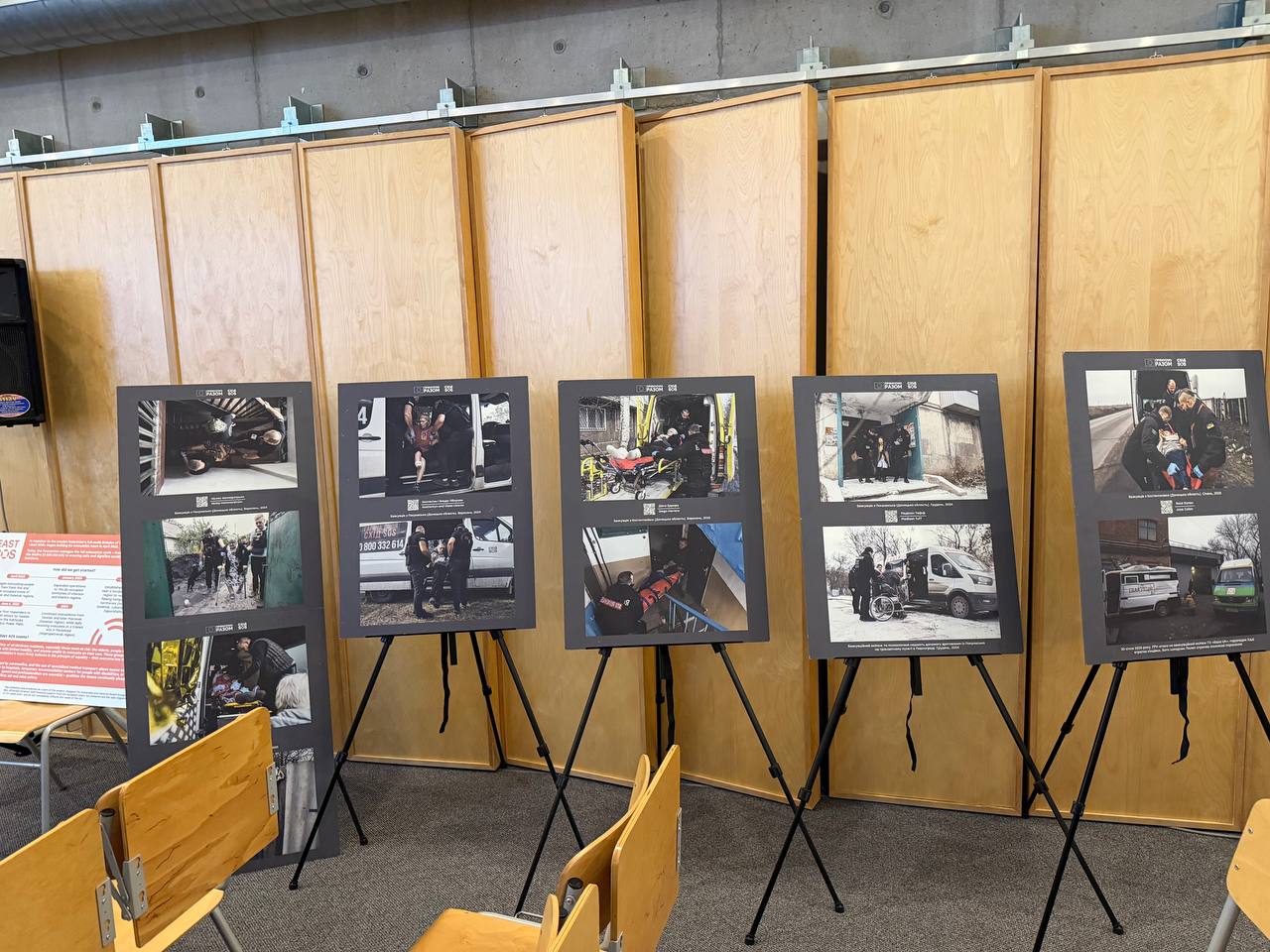
At the workshop, East SOS also presented the photo exhibition “Chronicles of Evacuation,” highlighting the work of the Foundation’s teams in Dnipro, Pokrovsk, Kramatorsk, Bakhmut, Kherson, and other frontline cities. The exhibition brings together photographs taken by Ukrainian and international photographers between May 2022 and 2025.
“Chronicles of Evacuation” is part of the project “Support for Vulnerable Groups Affected by the War and Residents of Remote Areas of Ukraine,” funded by the European Union.
Recently, East SOS has joined the presentation of the annual report and operational plan of the Alliance of Ukrainian CSOs for 2026.