Strengthening the Capacities of Frontline and Relocated Schools in Ukraine/SCHOOL UP Project
Completed
About the project
As a result of the full-scale war in Ukraine, where one in seven schools has suffered devastating damage from bombings, the education sector is facing a severe crisis. Challenges range from prolonged distance learning, which hinders the social and emotional development of both children and teachers, to critical underfunding for the restoration of educational infrastructure. Communities are now forced to seek additional resources to bring students back to safe, in-person education, creating an urgent demand for new management tools to support strategic decision-making.
Project goal
The project aims to enhance the professional development of teachers and school administrators by providing training in modern project management methods, digital literacy, and resource mobilization to restore and strengthen the education sector, which has been severely affected by the war. The initiative addresses key challenges, including prolonged distance learning, declining quality of education, lack of skills in developing and managing innovative projects in schools, which serve as vital centers of civil society in the regions. By integrating new management approaches and digital solutions, the project will create stable conditions for both face-to-face and distance learning, strengthen the role of local communities, and support the sustainable recovery and development of Ukraine’s education system.
Project segments
Project Management Bootcamp
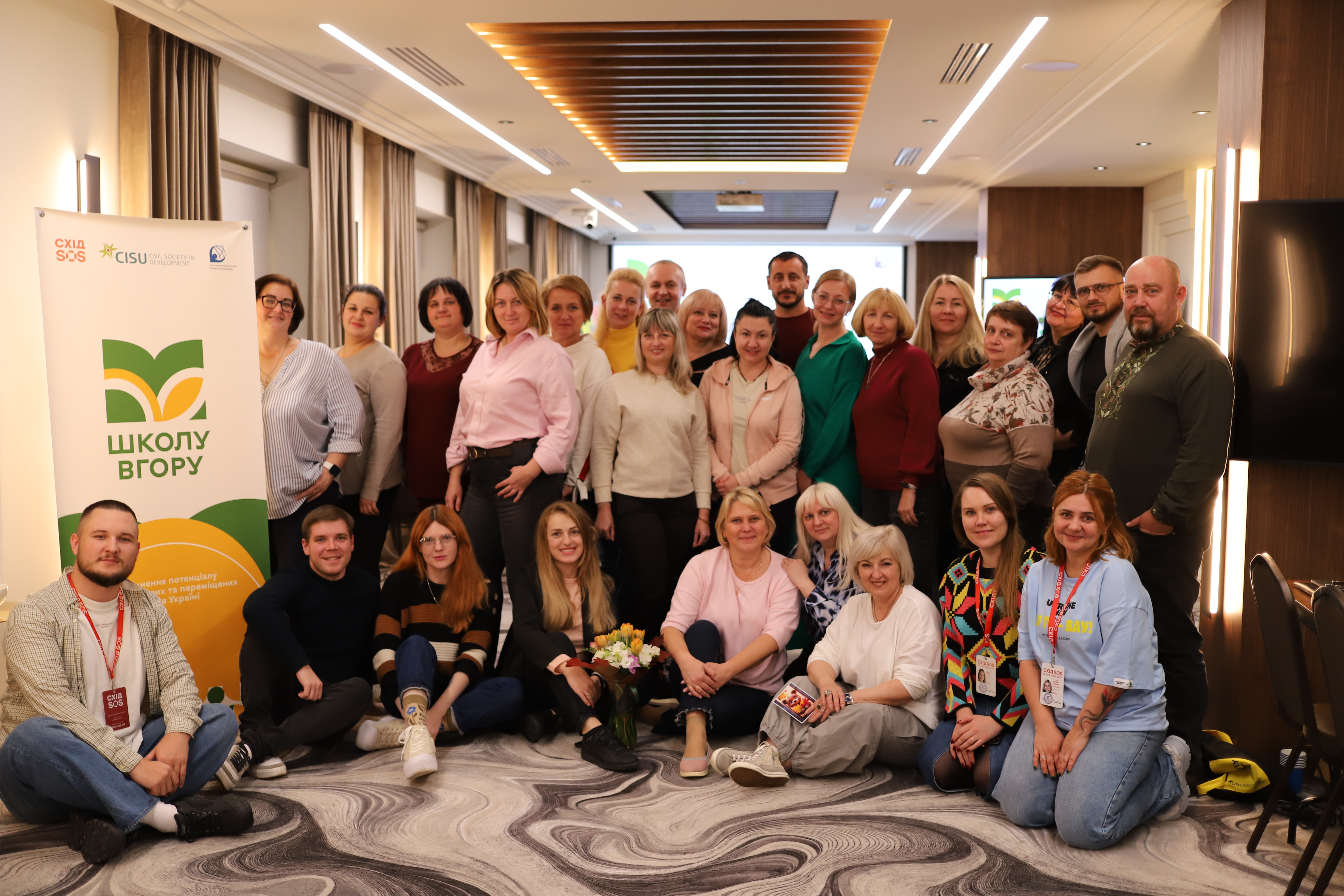
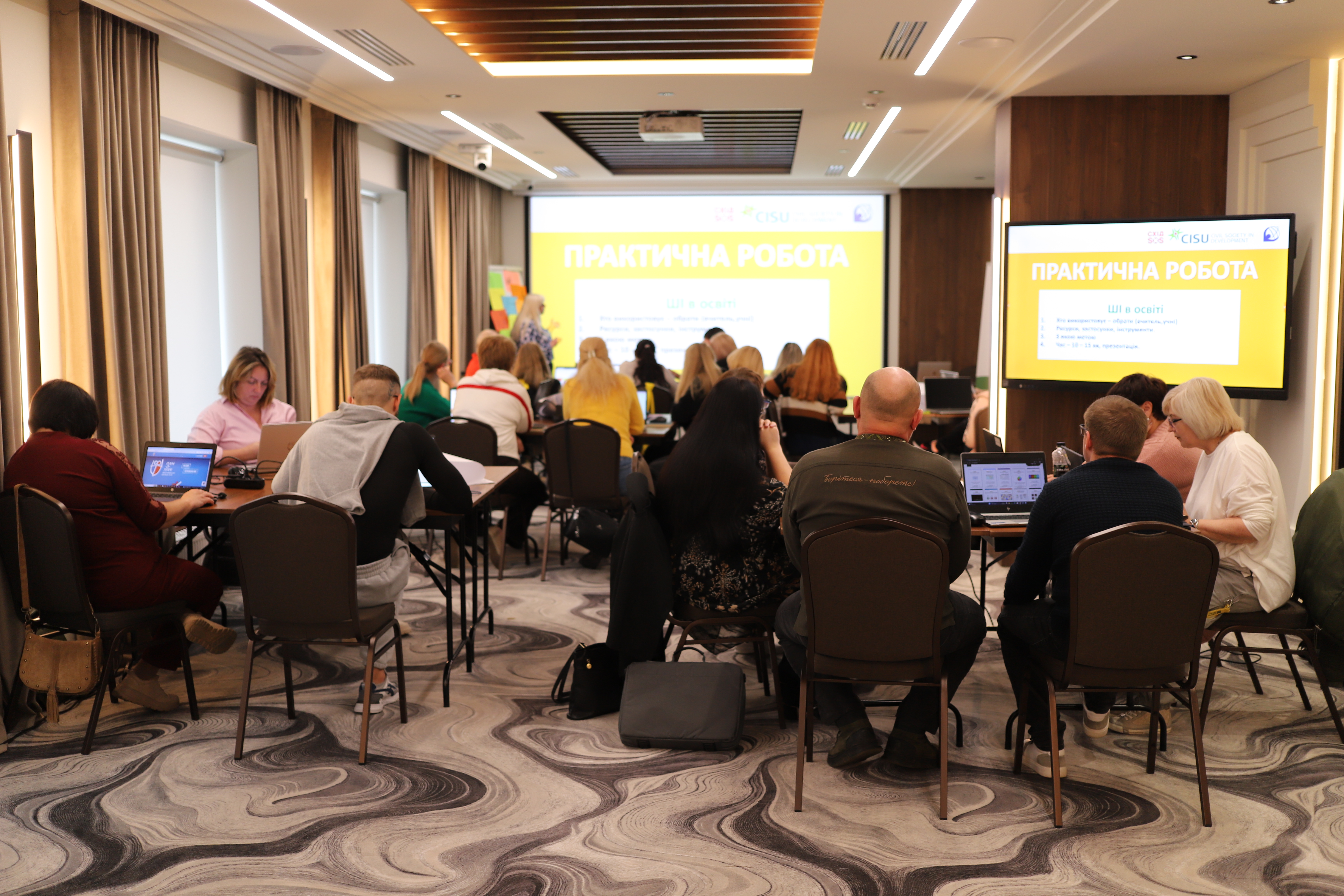
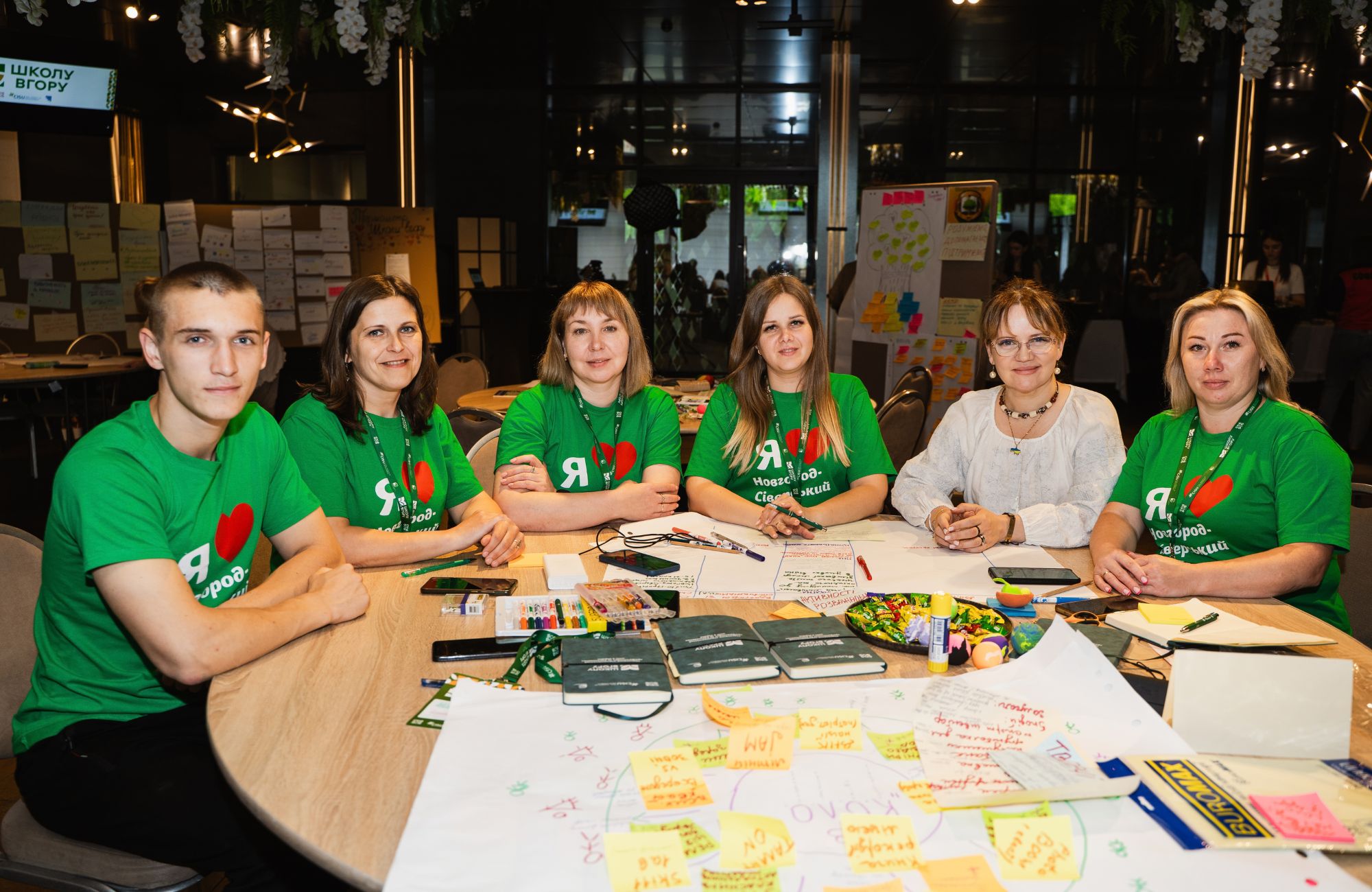
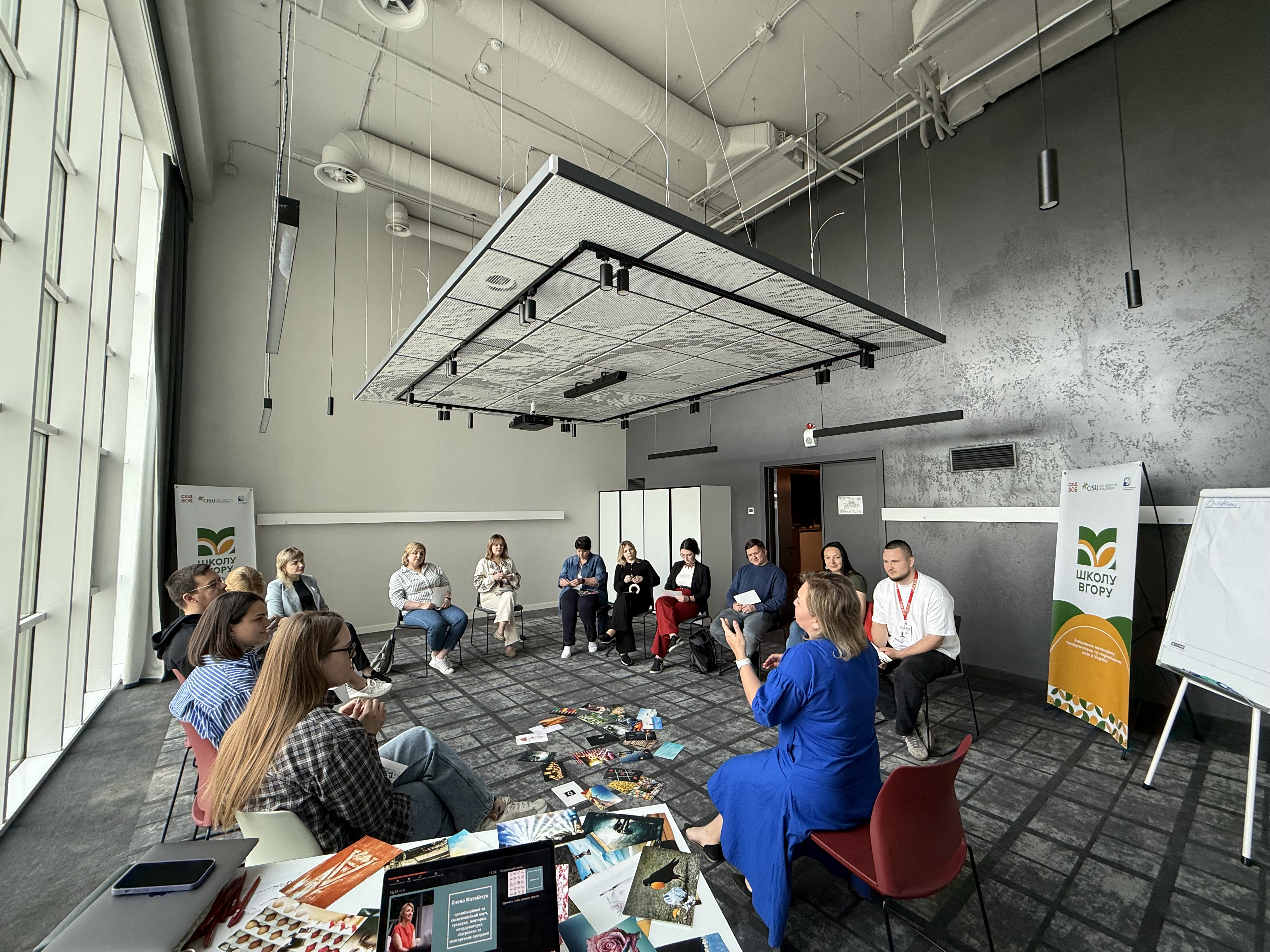
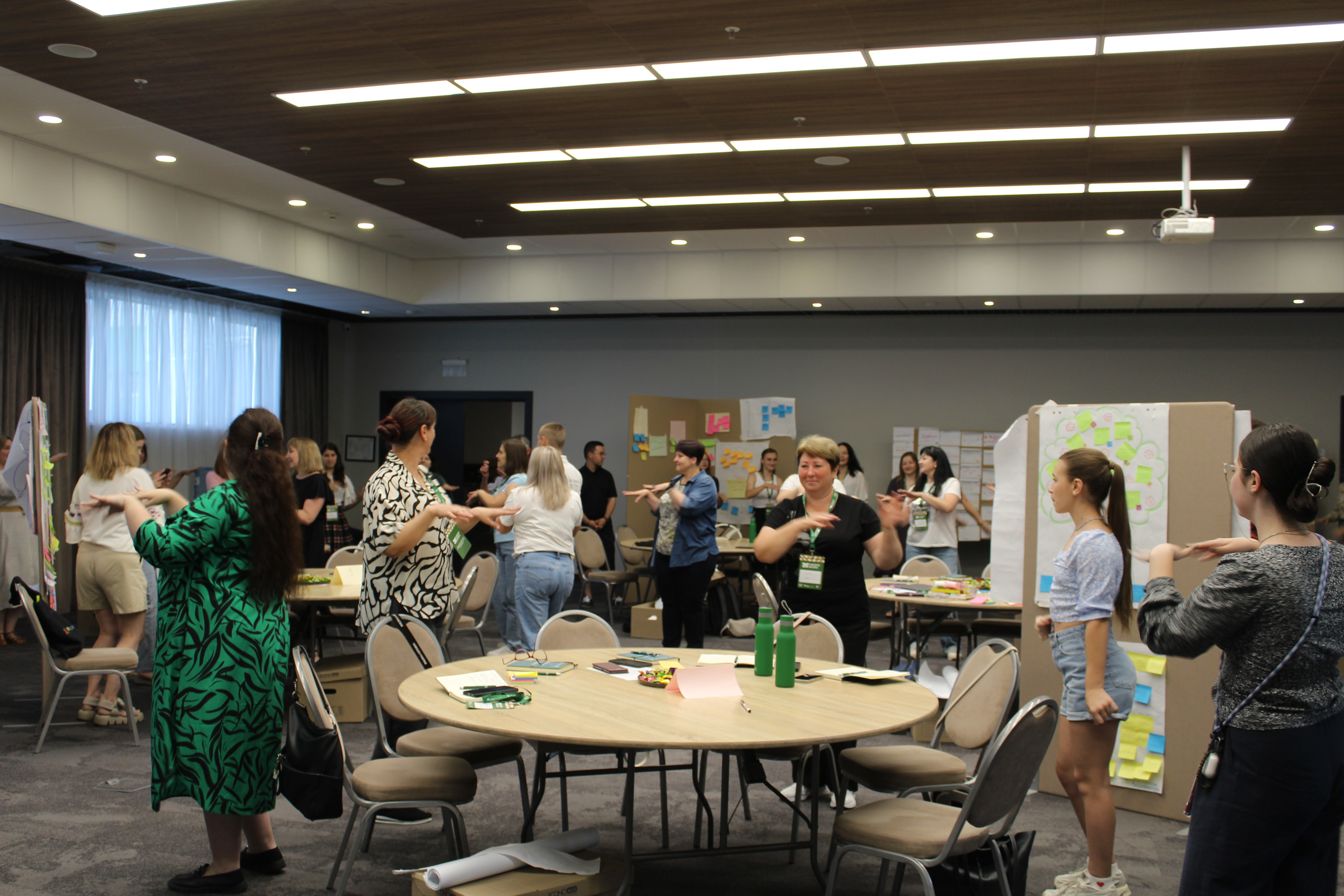
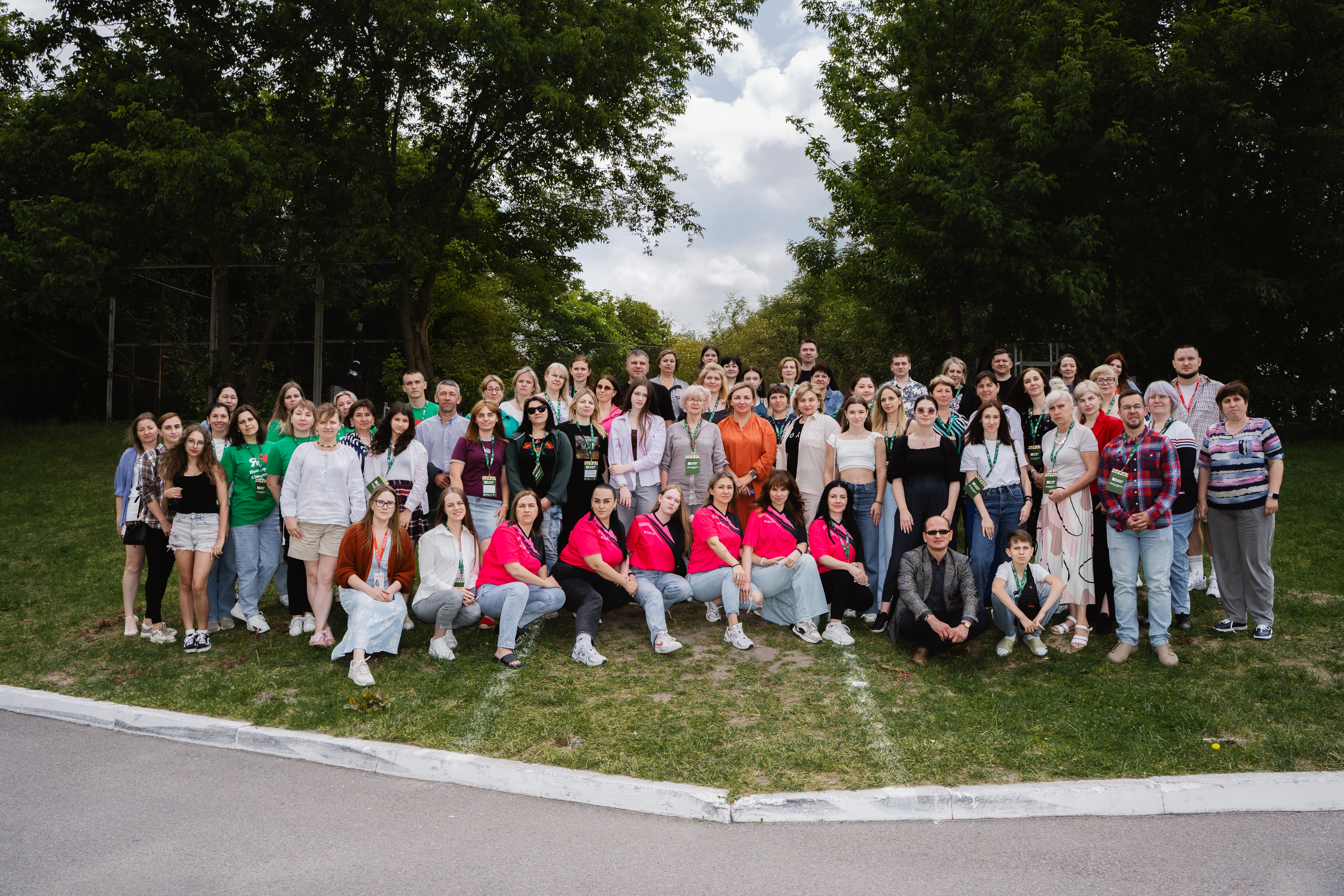
A four-day intensive offline training for ten school teams from frontline and border communities. Each team includes teachers, school administrators, and pupil representatives.Throughout the boot camp, participants learn key project management methodologies and tools, going through the full cycle — from researching pressing issues in their communities to developing project ideas to solve them.
After the training, the teams prepare full project proposals and budgets under the guidance of experienced mentors, which they present during a pitch event.
The five strongest teams will receive funding to implement their initiatives.
Training for teachers on digital competencies and media literacyTraining for teachers from ten displaced schools. Teachers will share the knowledge they have gained by organizing similar training sessions in their own educational institutions, which will help make online learning in displaced schools more effective and interactive. It will also make it safer, as educators will gain knowledge that will help prevent cyber threats and disinformation.
Hosting a boot camp on developing project ideas that contribute to the implementation of strategic development plans for local hromadas (communities). Five schools from border and frontline areas will join a second additional boot camp, where they will learn to develop project ideas to address socially pressing issues in their hromadas. Projects that demonstrate proven effectiveness, long-term sustainability, and clear alignment with strategic hromada development plans will be eligible for funding.
Donor
CISU – Civil Society in Development
Partner
Danish Helsinki Committee for Human Rights
Project participants
Teachers, school administrators, local authorities, and community representatives
Project period
January 1, 2025 – June 20, 2026
Extended until 30 July 2026.
Project geography
Frontline regions bordering russia: Kherson, Mykolaiv, Zaporizhzhia, Dnipro, Donetsk, Luhansk, Kharkiv, Sumy, Chernihiv, and Kyiv regions, liberated territories (occupied in 2022), displaced schools from temporarily occupied territories
Total budget
DKK 1 957 800
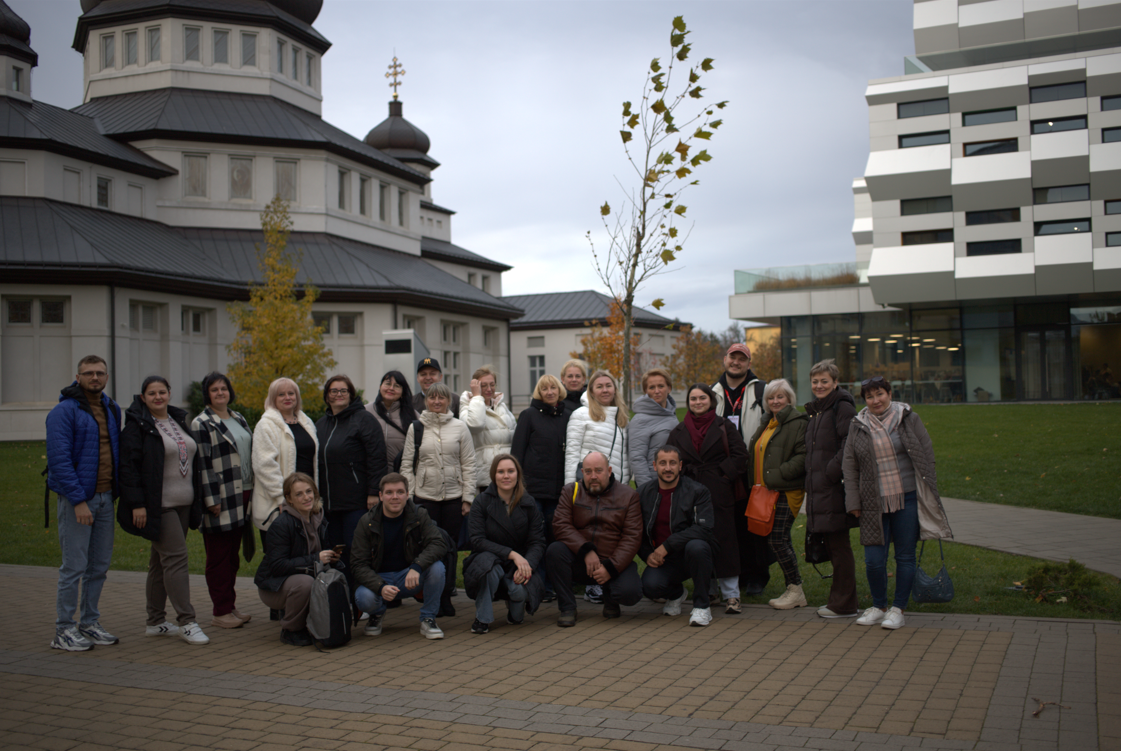
In October 2025, we hosted an in-person training session in Lviv, where teachers from frontline and relocated schools received training in digital literacy, cybersecurity, and information hygiene. Each of them then shared the knowledge they gained with their colleagues.
The project team decided to consolidate the valuable insights gained from years of working with teachers in digital literacy and to publish a guide. This publication explores the latest trends in AI and digital tools designed to make learning engaging and diverse, even in hybrid and online formats.
Professional Development ProgramProject Management Boot Camp for School Teams from Frontline and Border Areas
Professional Development Provider: Charitable Organization Charitable Foundation East SOS
Program Developers: Anna Loza — Educational Program Coordinator at CF East SOS; Mykola Overchenko — Educational Program Manager at CF East SOS; Anna Kior — Educational Program Manager at CF East SOS.
Program goal
The program is designed to provide teachers with practical project management skills for planning and implementing changes in educational institutions. The training is structured as an intensive experience, addressing real challenges faced by schools, from problem analysis to preparing a completed project proposal.
Participants learn to identify and define problems, work with the needs of target groups, create user profiles for educational services, analyze stakeholders, and consider their impact on the implementation of the initiative. A significant emphasis is placed on structured problem-solving, using methods such as the 5 Whys, brainstorming, hypothesis formation, and selecting the optimal intervention model.
The program includes mastering planning tools such as setting goals using the SMART method, building project logic, defining performance indicators, creating a step-by-step implementation plan, and managing risks and resources. Participants are introduced to tools for visualizing and structuring ideas (Canvas model, stakeholder matrix, Gantt chart), and also practice skills in budgeting and proposal preparation.
Special emphasis is placed on teamwork: role distribution, decision-making, communication within the team, aligning positions, and preparing the project idea pitch. During the training, participants go through the entire process of developing their own initiative and present it to experts.
The program combines brief theoretical modules with practical exercises, group work, case analysis, management simulation, and reflection. The outcome of the training is a developed team project with a clear structure, implementation plan, and defined key performance indicators (KPIs).
Areas of Professional Development
Development of digital and information literacy
Building skills for safe interaction in the information space
Creating a safe educational environment
Psychosocial support for students and teachers
Implementing project management in educational institutions
Developing management and teamwork skills
Form of Professional Development
In-person
Type of Professional Development
Training (courses under professional development programs).
Target Audience
teachers,
deputy principals,
practical psychologists,
social teachers,
teacher-organizers,
methodologists,
and school administrators.
General Competencies
General Competencies:
ZK.02 – Ability to collaborate and work effectively with others
ZK.04 – Ability to make effective decisions in professional settings and take responsibility for duties, while inspiring others toward shared goals
ZK.05 – ability to generate new ideas, identify and solve problems, and take initiative
ZK.06 – ability to reflect on, evaluate, and analyze one’s own teaching practices, and identify paths for professional growth
ZK.07 – capable of lifelong learning and ongoing personal growth
General Teaching Competencies According to the Professional Standard of August 29, 2024, No. 1225 Teacher of General Secondary Education Institutions
A3.1 – Ability to navigate the information space, search for, and critically evaluate information
A3.1.U2 – Ability to critically evaluate the credibility and reliability of information sources, assess the impact of information on students’ consciousness and development, and decision-making
A3.3 – Ability to employ digital technologies in the learning environment
B1.1 – Ability to take into account the age and individual differences of students, their emotional and psychological state
B1.1.B1 – Monitoring changes in students’ age and individual characteristics, emotional and psychological well-being, and making necessary adaptations/modifications in the educational process
Б1.2 – Ability to employ educational strategies that promote the development of positive self-esteem and emotional well-being in students
B1.3 – Building motivation to learn and supporting students’ psychological well-being
B1.3.U2 – Ability to create conditions favorable to students’ motivation to learn
B2.1 – Ability to recognize and manage one’s own emotional states
B1.1 – Ability to create a safe learning environment
B1.2 – Ability to offer pedagogical support to children in stressful situations
Program duration
5 days (total duration – 40 hours). The program includes five days of intensive training, 8 hours per day.
The training combines classroom sessions with independent work, including material review, practical assignments, individual and team contributions, and a reflective analysis of the experience gained.
The program covers theoretical modules, practical exercises, interactive activities, analysis of professional case studies, scenario modeling, and group reflection.
The program accounts for 1 ECTS credit.
Program content
Expected learning outcomes
Upon completion of the training, teachers will be able to use project management tools to analyze challenges in educational institutions, set goals and objectives, identify target groups, plan the stages of initiative implementation, allocate resources, and assess risks. They will be able to design a cohesive project logic, from identifying needs to expected outcomes, use strategic and operational planning tools, prepare brief presentations of project solutions, and effectively present them to professional communities or management.
Participants will show their ability to work effectively in teams: agreeing on roles and responsibilities, organizing small group activities, maintaining constructive communication, considering stakeholder perspectives, and ensuring transparency in decision-making. They will be able to make well-founded professional decisions based on data analysis, pedagogical relevance, and safety criteria, while also initiating changes within their professional competence.
The program cultivates participants’ ability to reflect on their own practice: assessing the strengths and weaknesses of their professional practice, evaluating the effectiveness of methods used, and identifying areas for development. Teachers learn basic self-regulation techniques, gain awareness of their own emotional states, and learn to prevent professional burnout, which helps them maintain consistency in working with students and colleagues.
“Since 2016, we have been supporting educational institutions and developing programs aimed at strengthening civil society and addressing educational losses. The project presentations showed that the teams have learned to listen to their communities and take action for their benefit. When children and teachers act together, it’s the best investment in building stronger communities for the future,” said Yuliia Krasilnykova, Executive Director of the Charitable Organization “Charity Foundation “East SOS”.
“A school during wartime must be about unity, resilience, and the ability to act. We provide motivation and support to participating schools as they take their first steps. After completing the program successfully, the teams will not only develop a project and submit an application, but also receive institutional support,” explained Anna Loza, Education Program Coordinator, “Charity Foundation “East SOS”.
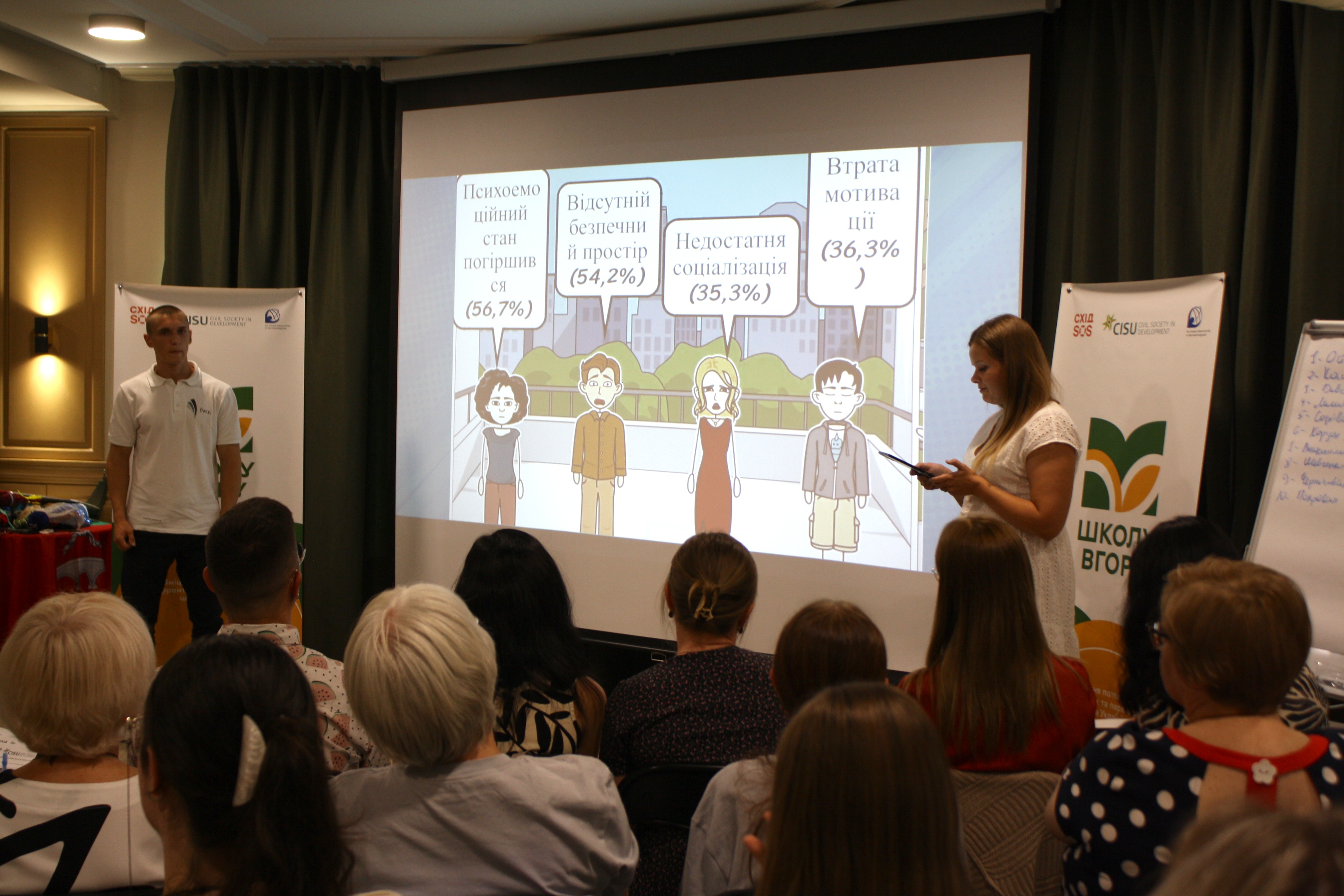
“The community needs assessment – and the pupils themselves – showed that both pupils and teachers need to be heard, to release stress, and to stop being afraid to talk about what hurts. We became inspired by the idea of creating a multifunctional space in the school assembly hall, which we plan to divide into different zones: one for musical instruments, one for handicrafts, one for sports, and one for relaxation. It will be a place where the community can come together — to knit socks for the military or weave camouflage nets. We’re happy to have won and grateful to receive feedback from our community, especially knowing that parents and local craftspeople are willing to come and hold activities for us,” shared Nataliia Drobot, a teacher at Dyvosvit Lyceum of the Zhovti Vody City Council.
CISU is Denmark's largest membership-based platform for civil society organizations engaged in global development. Its member organizations work in partnership with local actors to promote democracy, human rights, and sustainable development.