“The Right to Housing: How to Help People Find Home Again and Restore Trust” – Key Takeaways from the Panel Discussion at Opinion Festival 2026
As a result of russia’s armed aggression, millions of Ukrainians have lost their homes because they were damaged, destroyed, or occupied. These losses, and the people whose lives have been affected by them, were at the focus of the panel discussion “The Right to Housing: How to Help People Find Home Again and Restore Trust” at Opinion Festival 2026. According to the latest official figures cited by the discussion moderator, Liudmyla Tiahnyriadno, 14% of Ukraine’s housing stock and more than three million households have already been damaged or destroyed. Some property cannot currently be recorded at all, so these figures are not final. Behind every statistic is a person’s life and story.
The speakers discussed whether people whose homes were lost in government-controlled areas face different circumstances from those whose homes are in temporarily occupied territories (TOT), as well as how it varied through the different stages of the russia-Ukraine war. Particular attention was paid to the various housing programs offered by the state, the eligibility requirements, and the groups of people who can access them. The panel also explored how accurately official figures reflect the actual scale of housing loss and shared experiences of securing funding for programs that can help people find a new home.
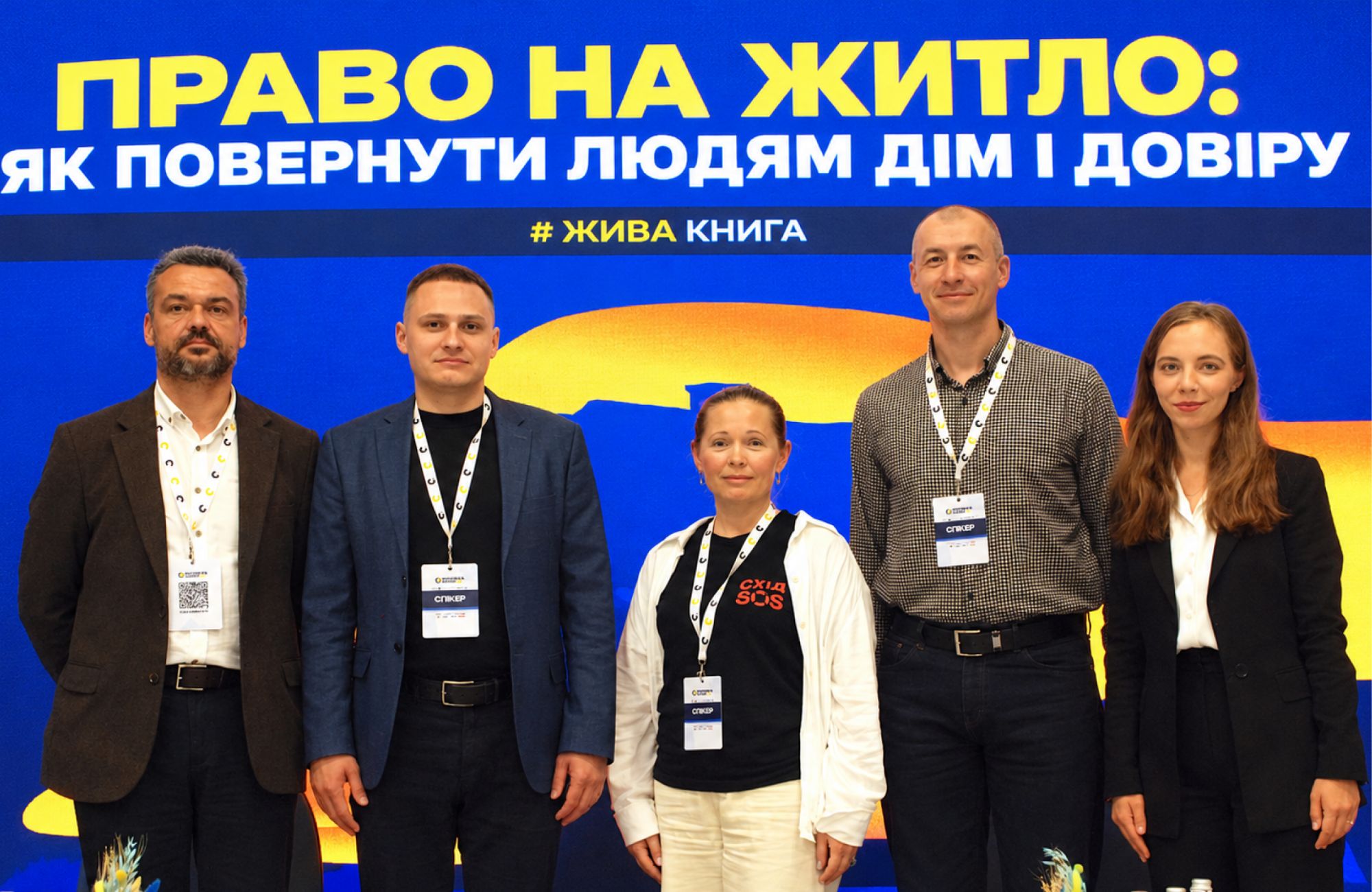
The discussion was moderated by Liudmyla Tiahnyriadno, a representative of the Public Broadcasting Company of Ukraine and host of Ukrainian Radio.
The panel speakers were:
- Yaroslav Taranets – Advocacy Officer at East SOS;
- Svitlana Ahadzhanian – a two-time internally displaced person (IDP) and Partnerships Manager at East SOS;
- Yurii Diakon – Senior Advocacy Lawyer at the Right to Protection;
- Mykola Marchuk – Chair of the Management Board of the State Specialized Financial Institution “State Fund for the Promotion of Youth Housing Construction” (Derzhmolodzhytlo).
Here are the key points and takeaways from the discussion
Key takeaways:
- Lost homes may still be physically intact but located in temporarily occupied territories. Their owners have the right to have their property recorded and to hope for justice in the future.
- Internally displaced people are people who have been forced to leave their homes, regardless of whether they have obtained an IDP certificate or applied for assistance.
- State needs a comprehensive housing policy, a responsible ministry, and a sustainable institutional record of housing losses.
- People should also explore local housing programs offered by the hromadas where they previously lived, as these may provide solutions to their housing needs.
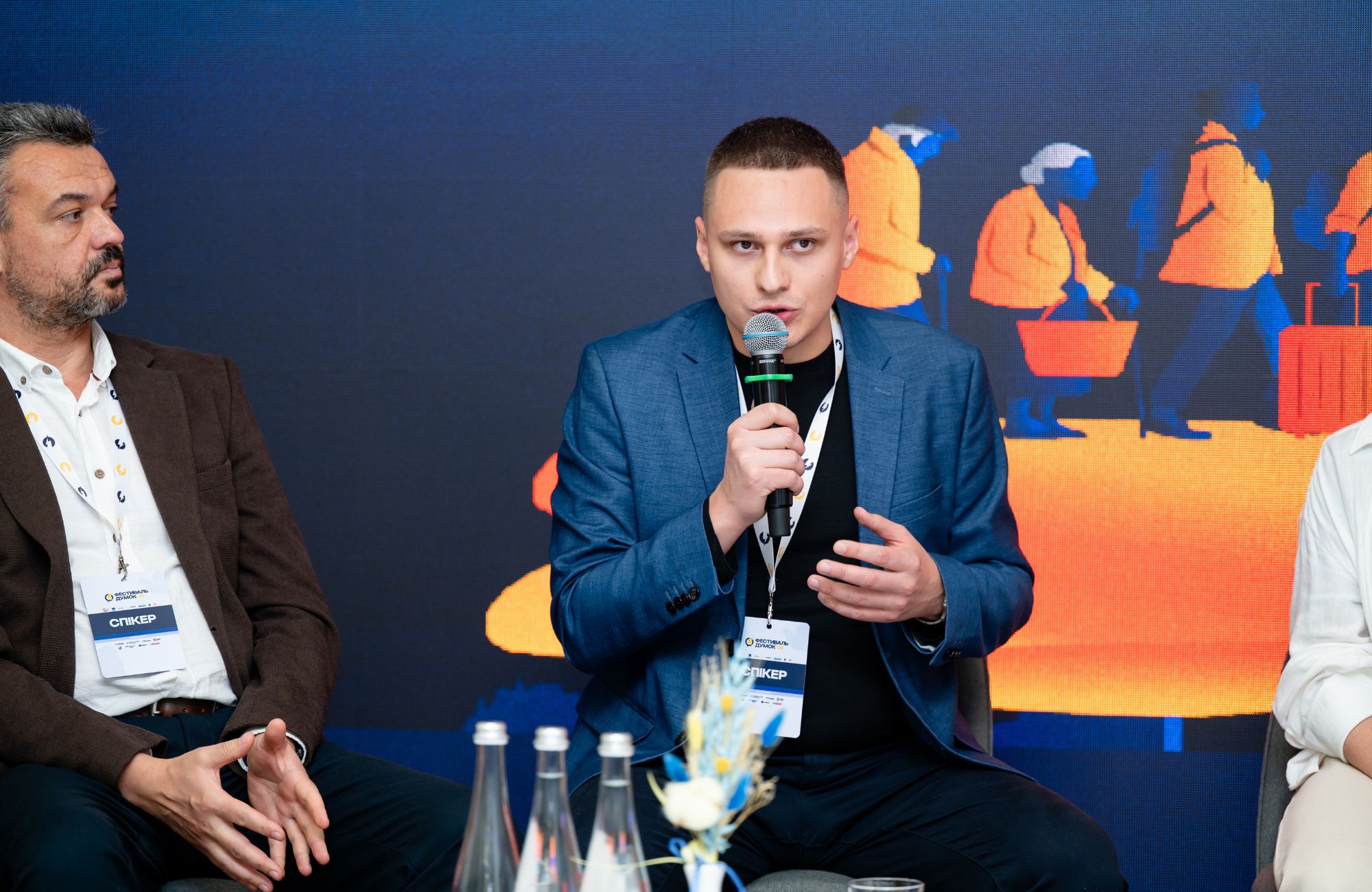
“We are facing two very different situations. People who have lost their homes in government-controlled territory have access to a compensation procedure. They can submit an application and have their homes inspected by a commission or remotely. The situation is fundamentally different for people from temporarily occupied territories. Their homes may still be intact, but they have lost them as they left temporarily occupied territories. They have questions too, and they want them answered,” said Yaroslav Taranets, Advocacy Officer at East SOS.
He also highlighted the needs of people with reduced mobility, who require special arrangements, while the number of suitable places available remains insufficient.
In addition, Yaroslav Taranets stressed the importance of taking a closer look at regional housing programs as they have significant potential.
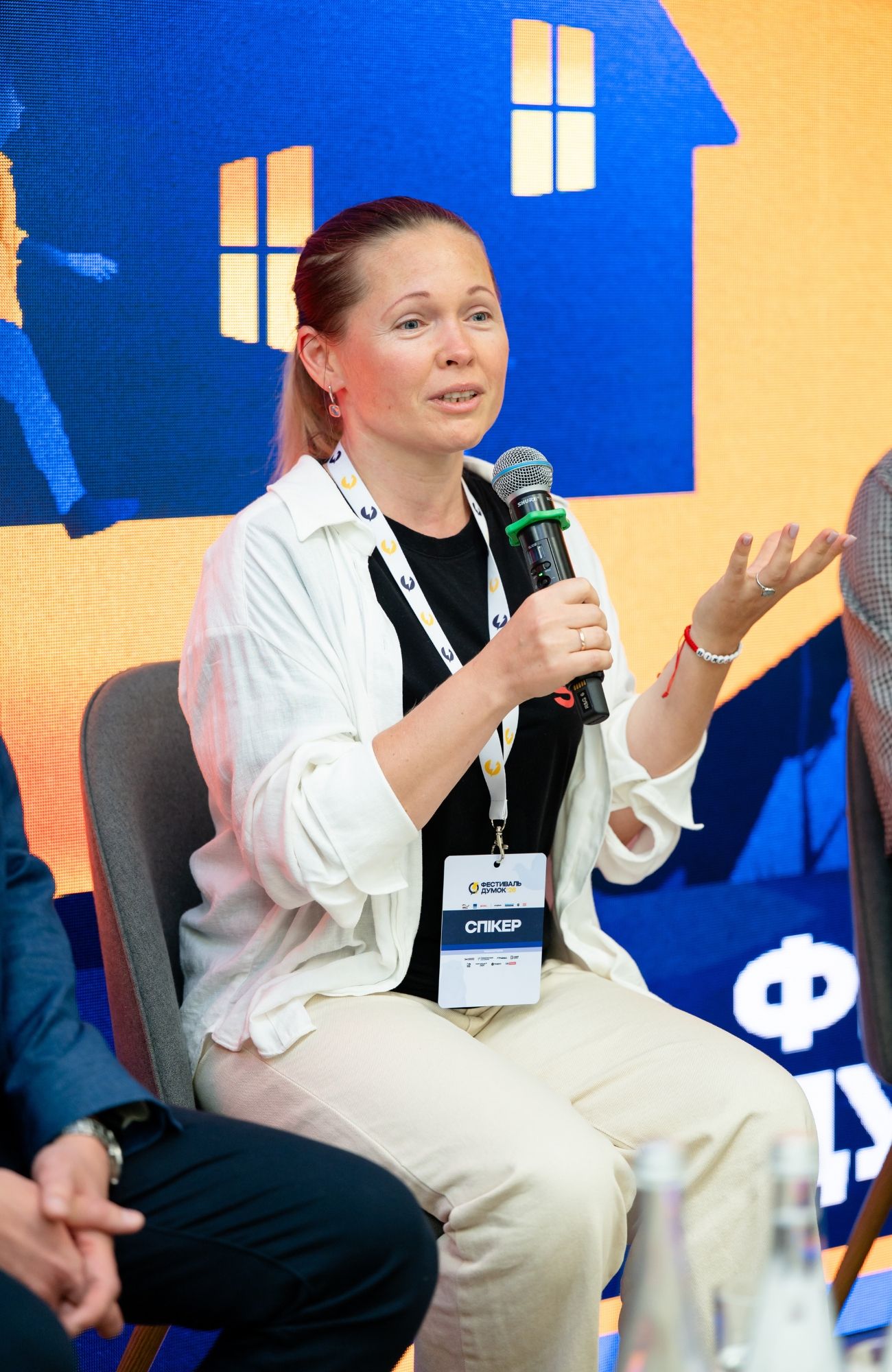
Svitlana Ahadzhanian, Partnerships Manager at East SOS and a two-time IDP, shared her personal story:
“In 2014, my family had to leave our home in Donetsk and start over in Druzhkivka. In 2025, I found myself wondering once again whether russia would destroy our apartment there, too.
I hope that by listening to my story, you feel encouraged. Even after being displaced for the second time, my family was able to benefit from a program run by the Derzhmolodzhytlo and was given a chance to find a new home in Kyiv. So I know for certain that it is possible.”
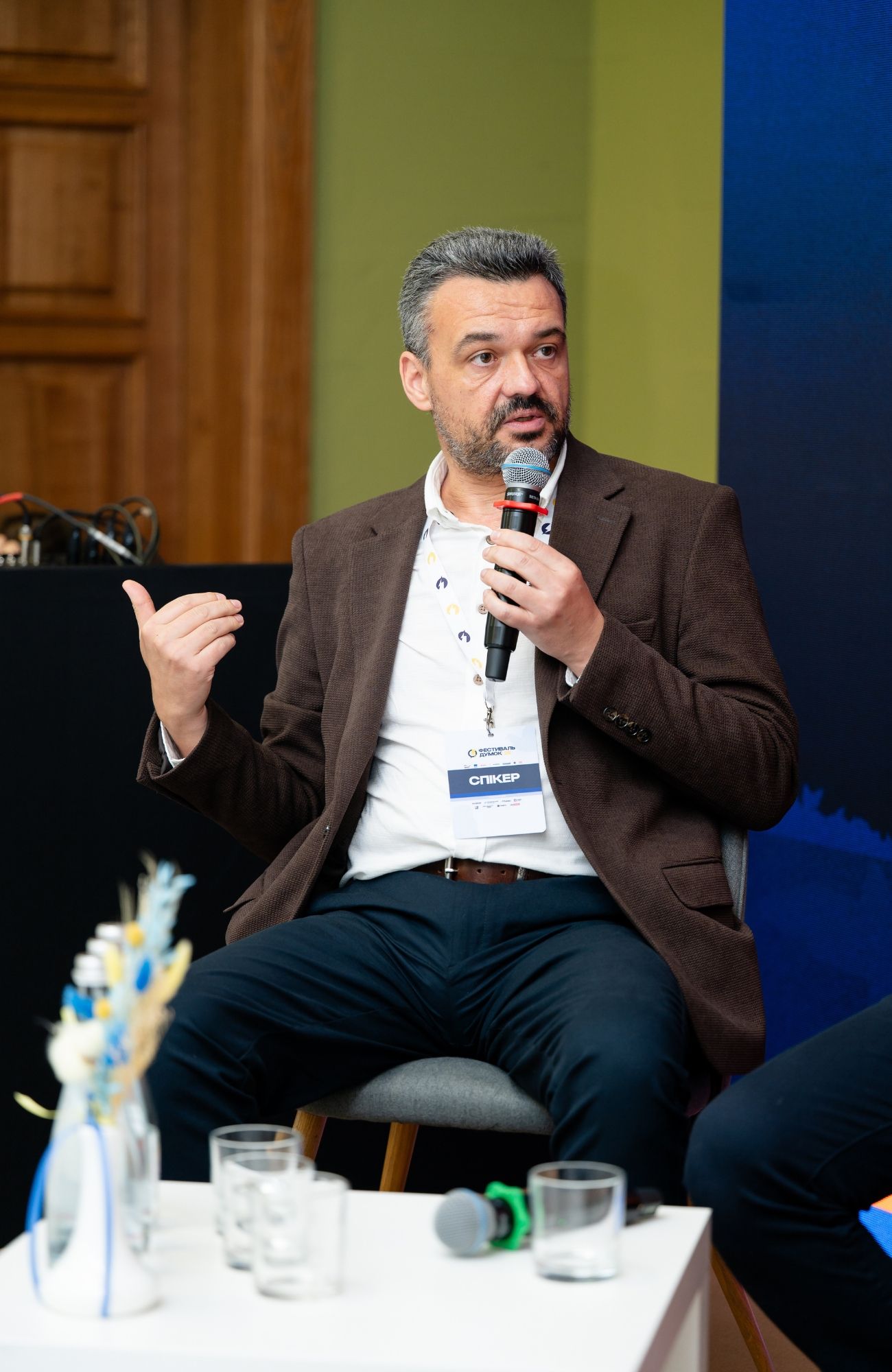
“We need to establish a record of lost property and explain to people that, yes, we cannot compensate everyone today because almost the entire state budget goes towards defense. However, your children and grandchildren will be able to count on assistance. The state should not talk to people as if they were children or make promises of ‘pie in the sky’. We have a sensible, thoughtful, and reasonable society,” emphasized Yurii Diakon, Senior Advocacy Lawyer at the Right to Protection.
He noted that changes in ministries and legislation repeatedly disrupt ongoing work and force everyone to start from scratch, even when a considerable amount of work has already been done. He also stressed that loans and mortgages are not the only solutions. Other options are available, and their accessibility depends on the circumstances of displaced families, including their financial capacity, needs, age, and mobility.
To determine what type of housing would be suitable, all these factors must be considered together and form part of a sustainable state policy.
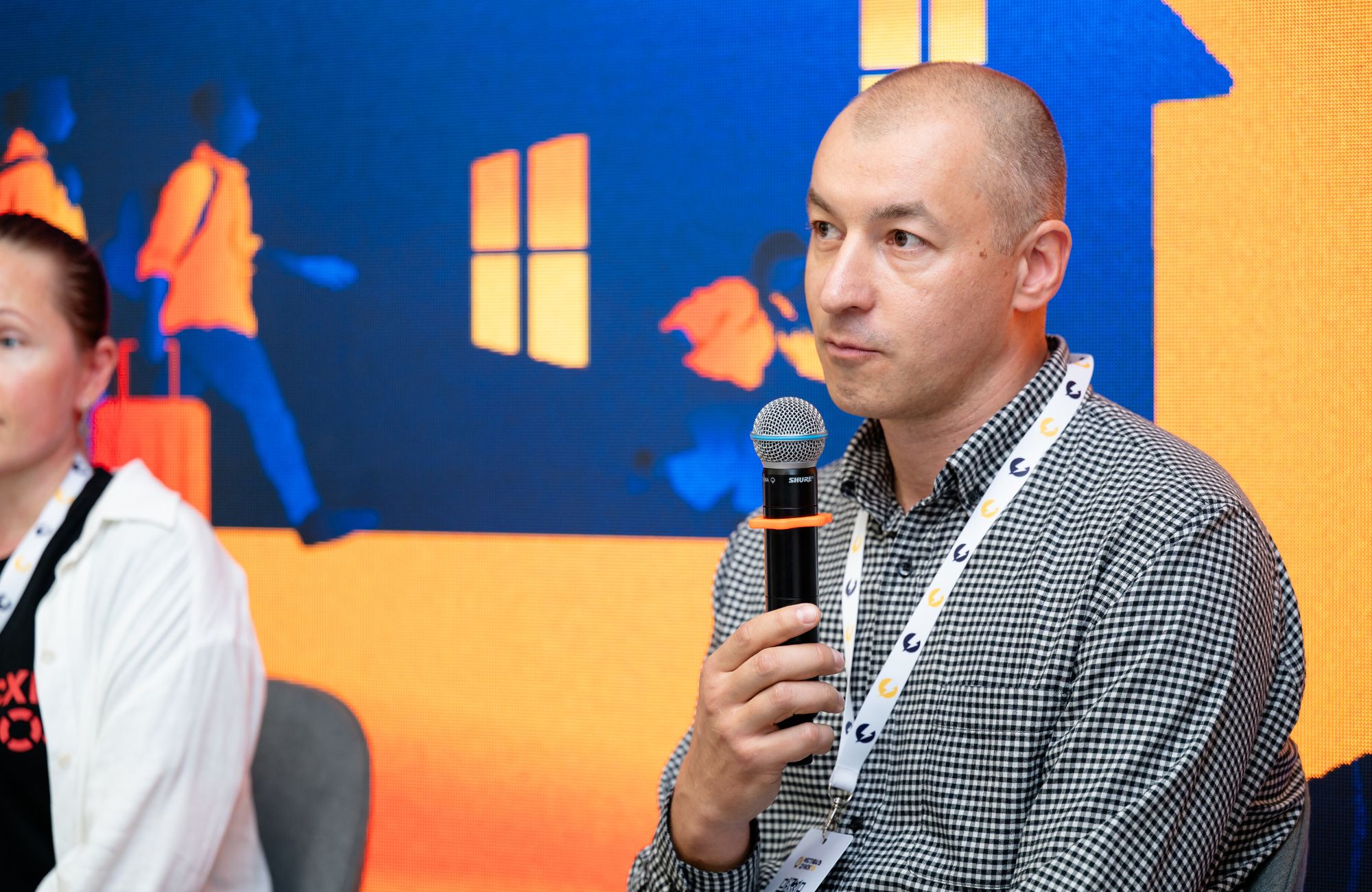
Mykola Marchuk, Chair of the Management Board of the State Specialized Financial Institution “State Fund for the Promotion of Youth Housing Construction”, spoke about the support currently available:
“Today, Derzhmolodzhytlo is about much more than loans for young people. We now support servicemembers and their families, veterans, internally displaced people, and academic and teaching staff. All internally displaced people under the age of 65 are eligible to apply for the subsidized mortgage program. Around 2,300 families have already benefited from it.”
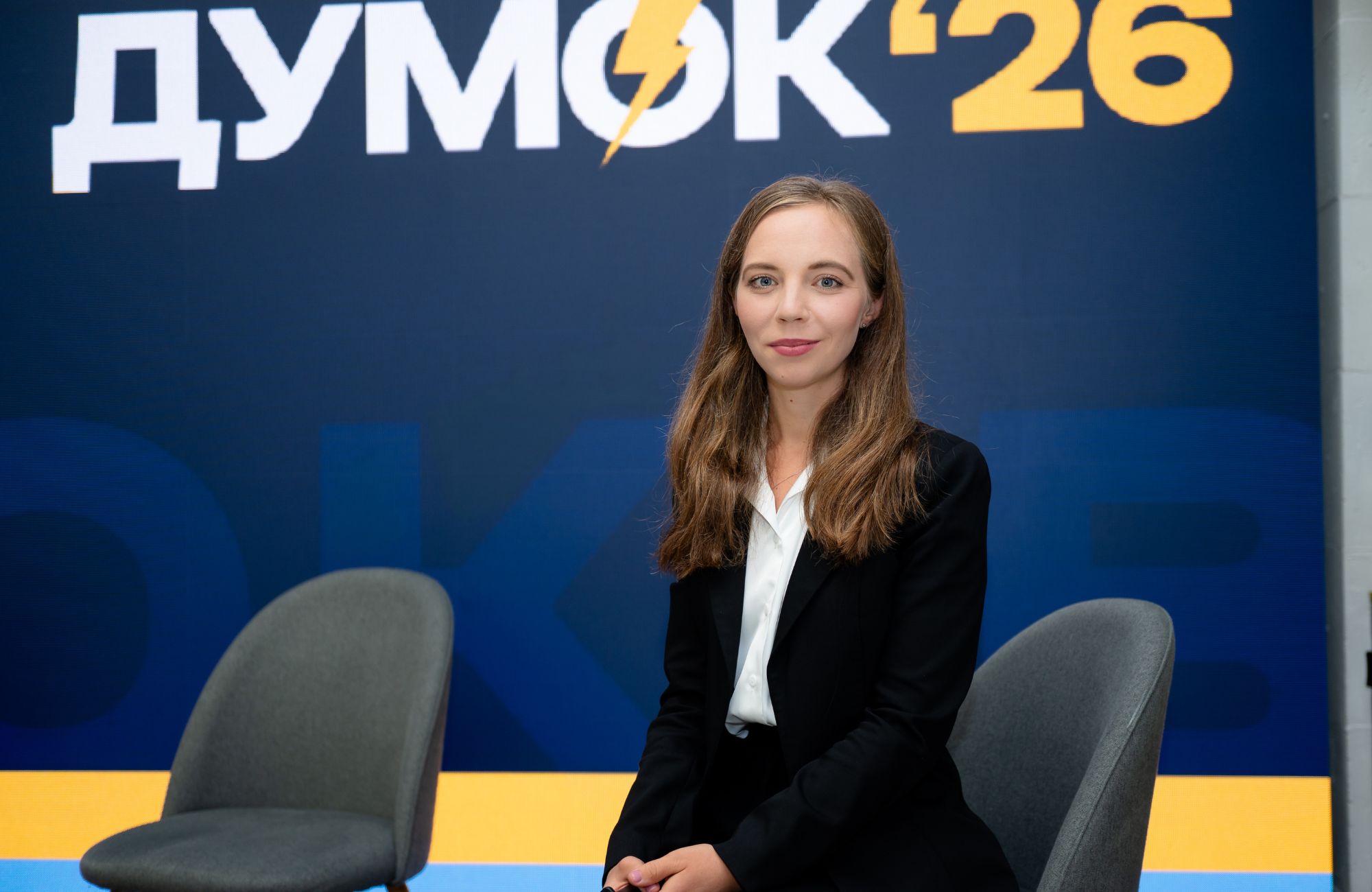
“Don’t give up, no matter how old you are – there is always a chance. If you don’t know what to do right now, you can turn to civil society organizations, the media, or authorities. Never think you are alone in facing your problem. There is always a way forward,” concluded Liudmyla Tiahnyriadno, a representative of the Public Broadcasting Company of Ukraine and host of Ukrainian Radio.
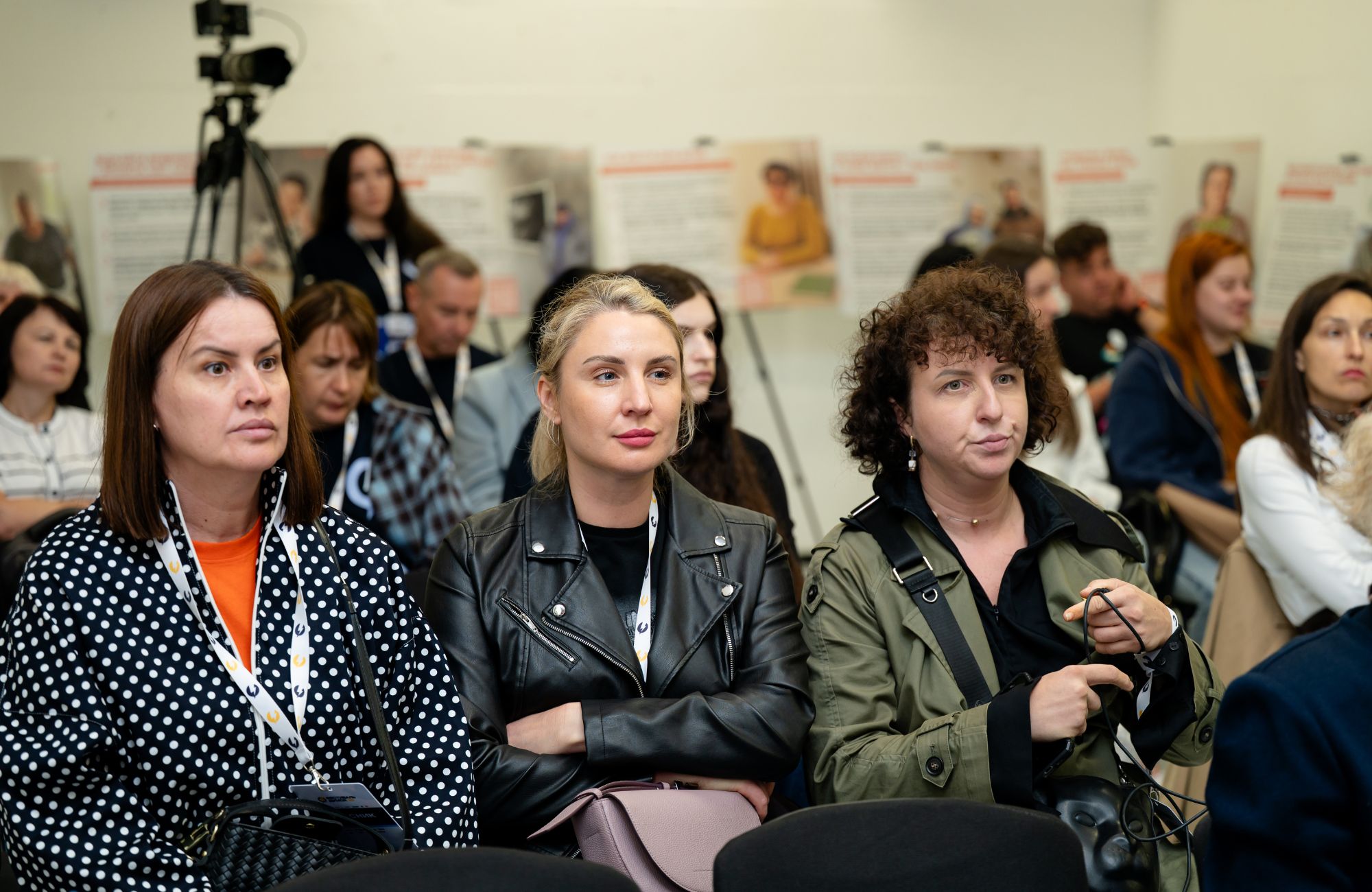
The Festival is organized by East SOS as part of the EMPOWER project, funded by the German Federal Ministry for Economic Cooperation and Development (BMZ) together with the European Union and carried out by GIZ Ukraine, with additional support from Diakonie Katastrophenhilfe, the Estonian organization MONDO, and with assistance from the Estonian Ministry of Foreign Affairs. East SOS bears sole responsibility for the content of this publication. The content does not necessarily reflect the views of the Festival’s partners and donors.