The EAST SOS Team Supports Evacuees at the Zaporizhzhia Transit Center

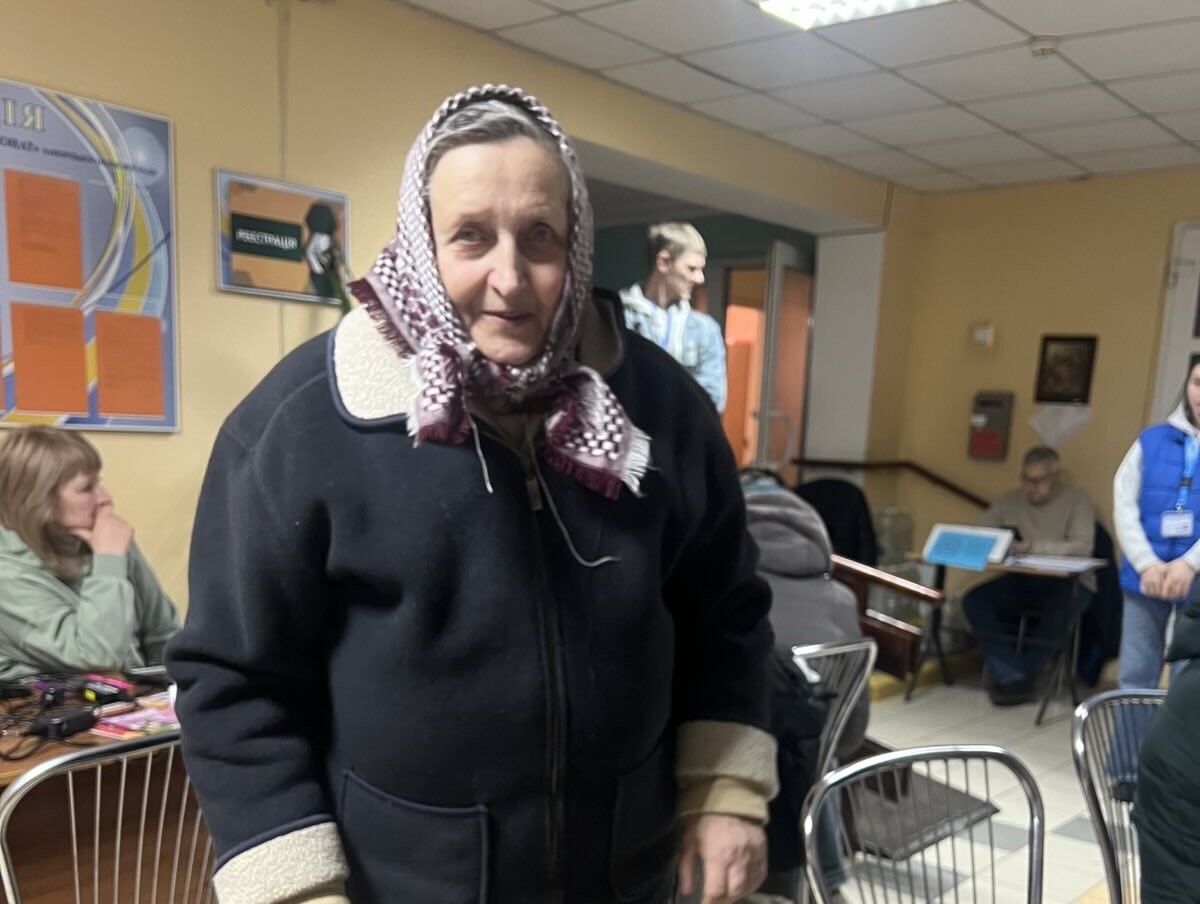
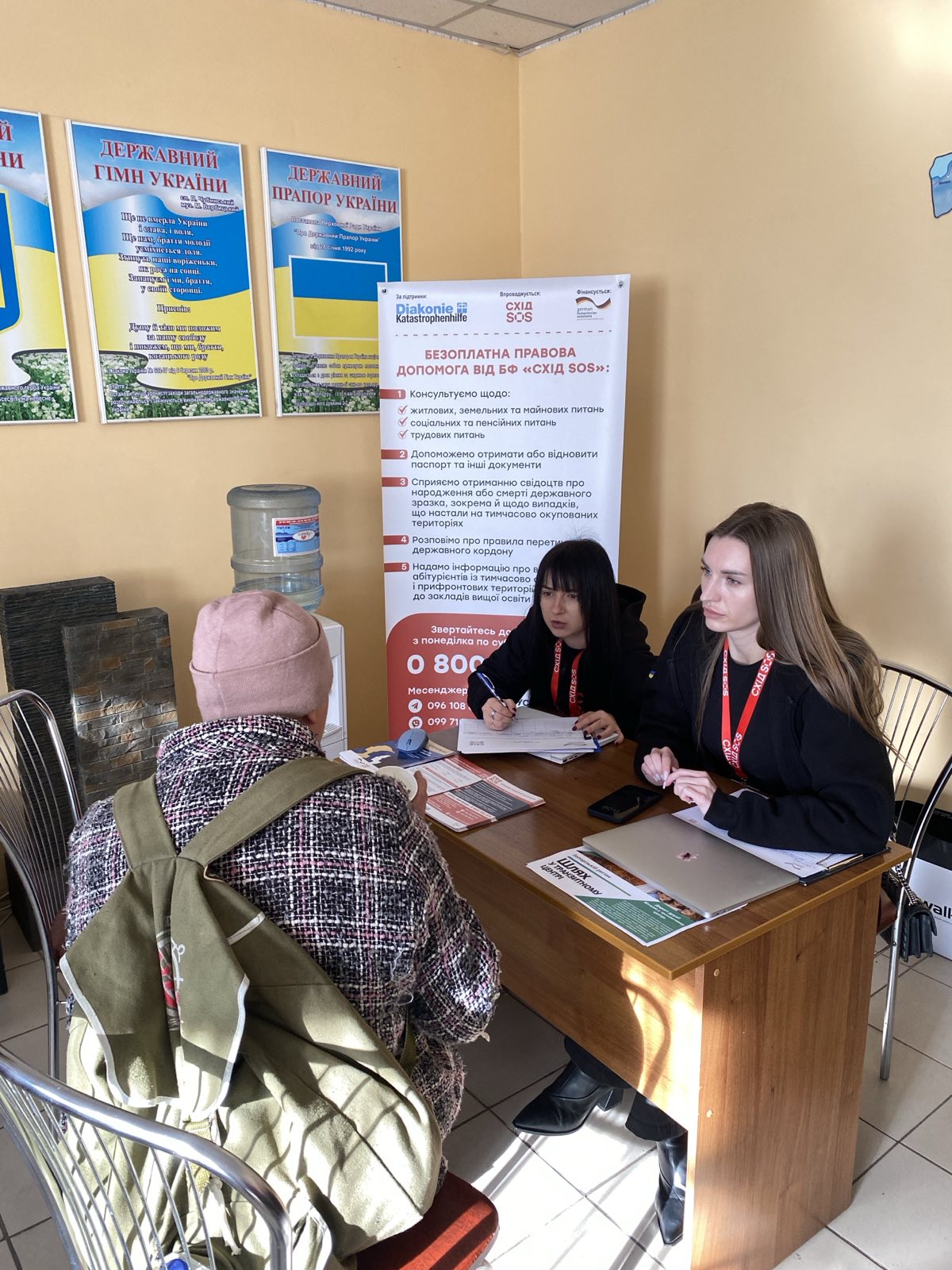
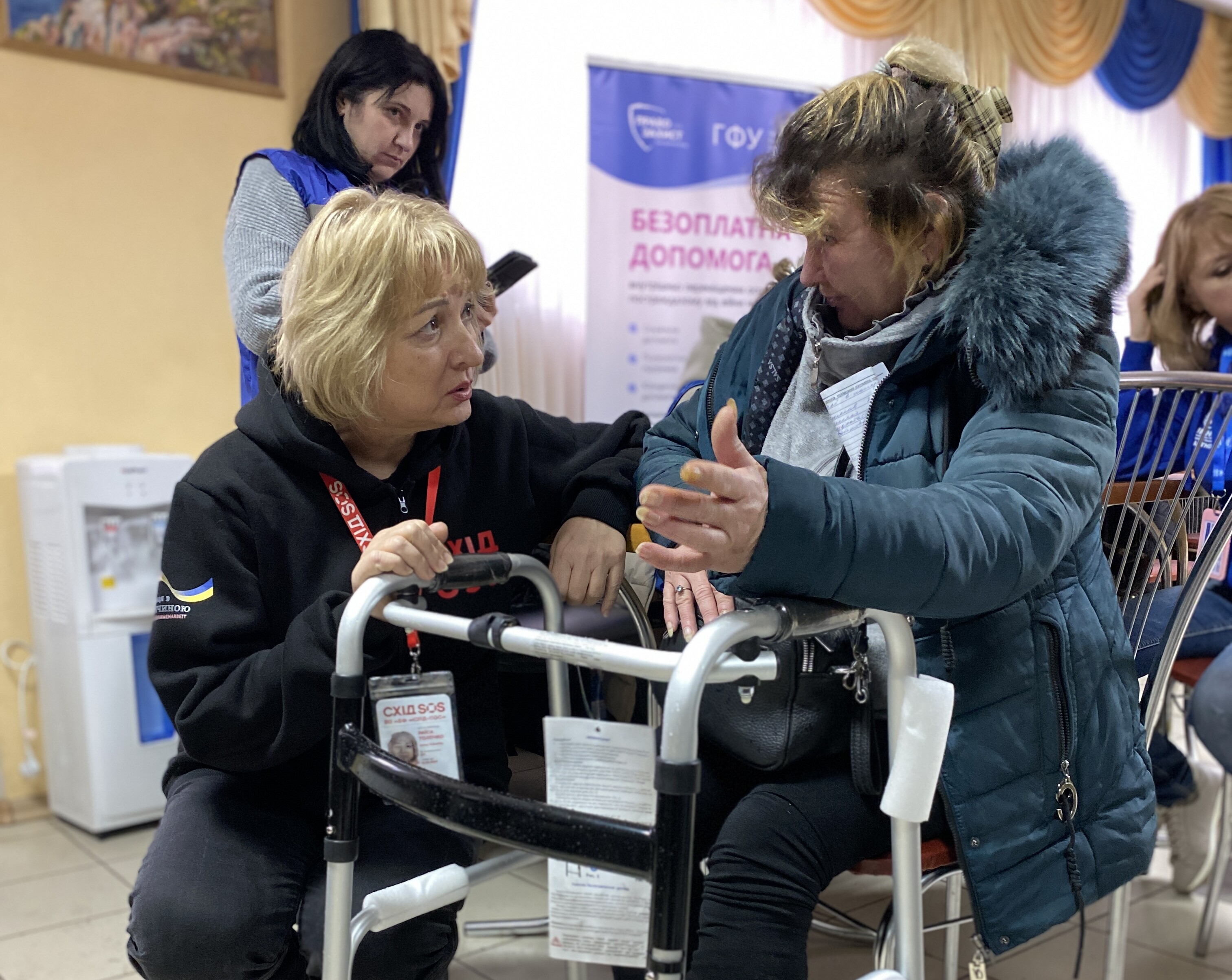
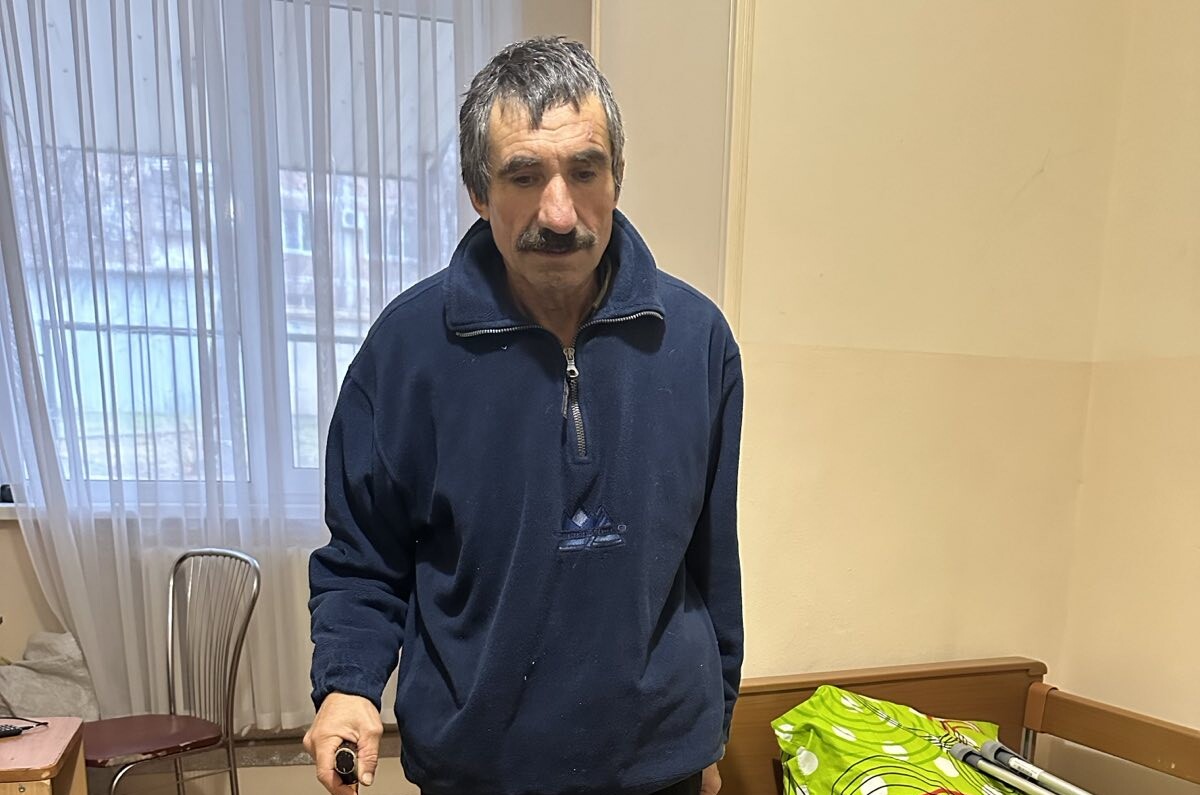
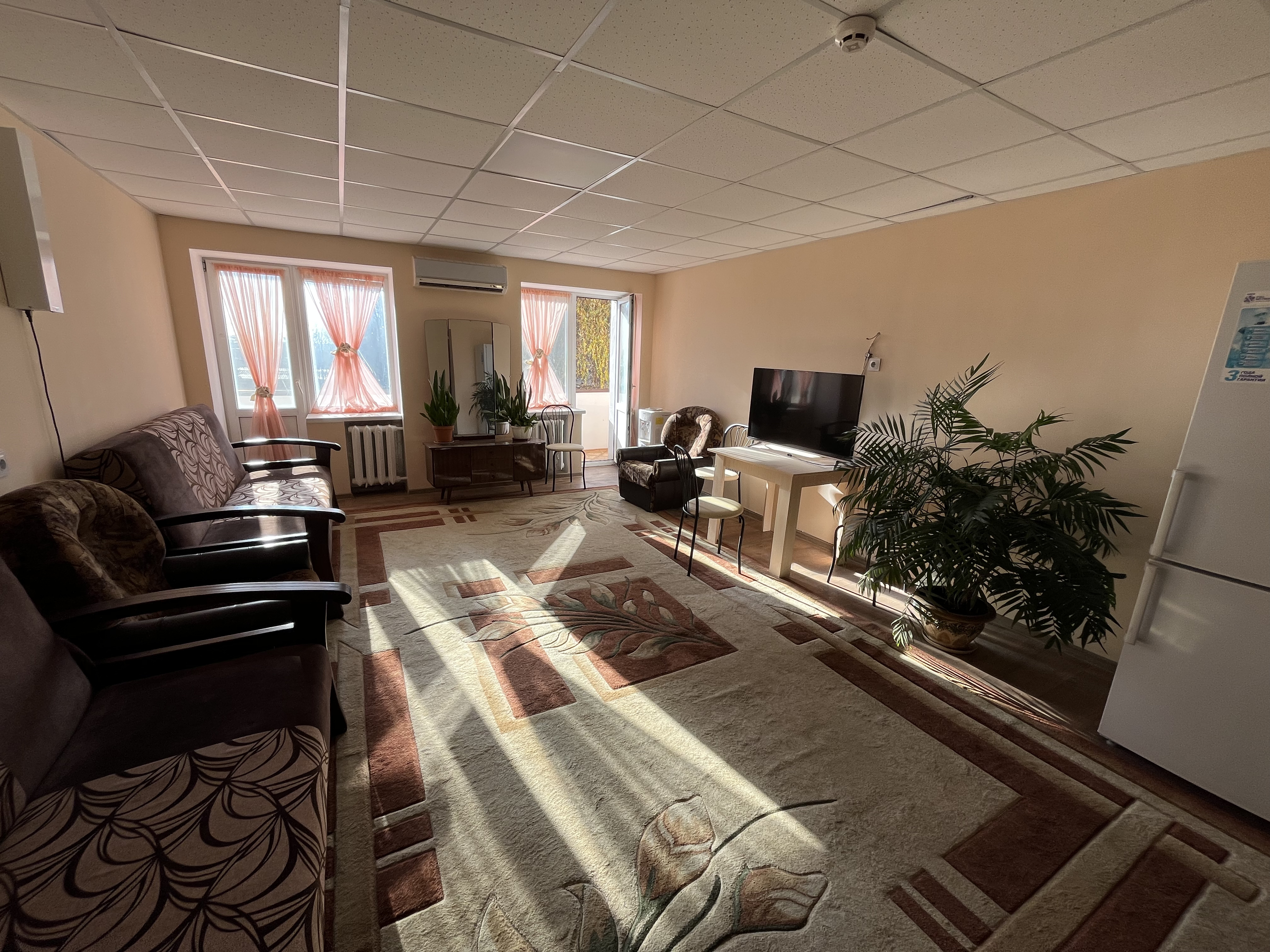
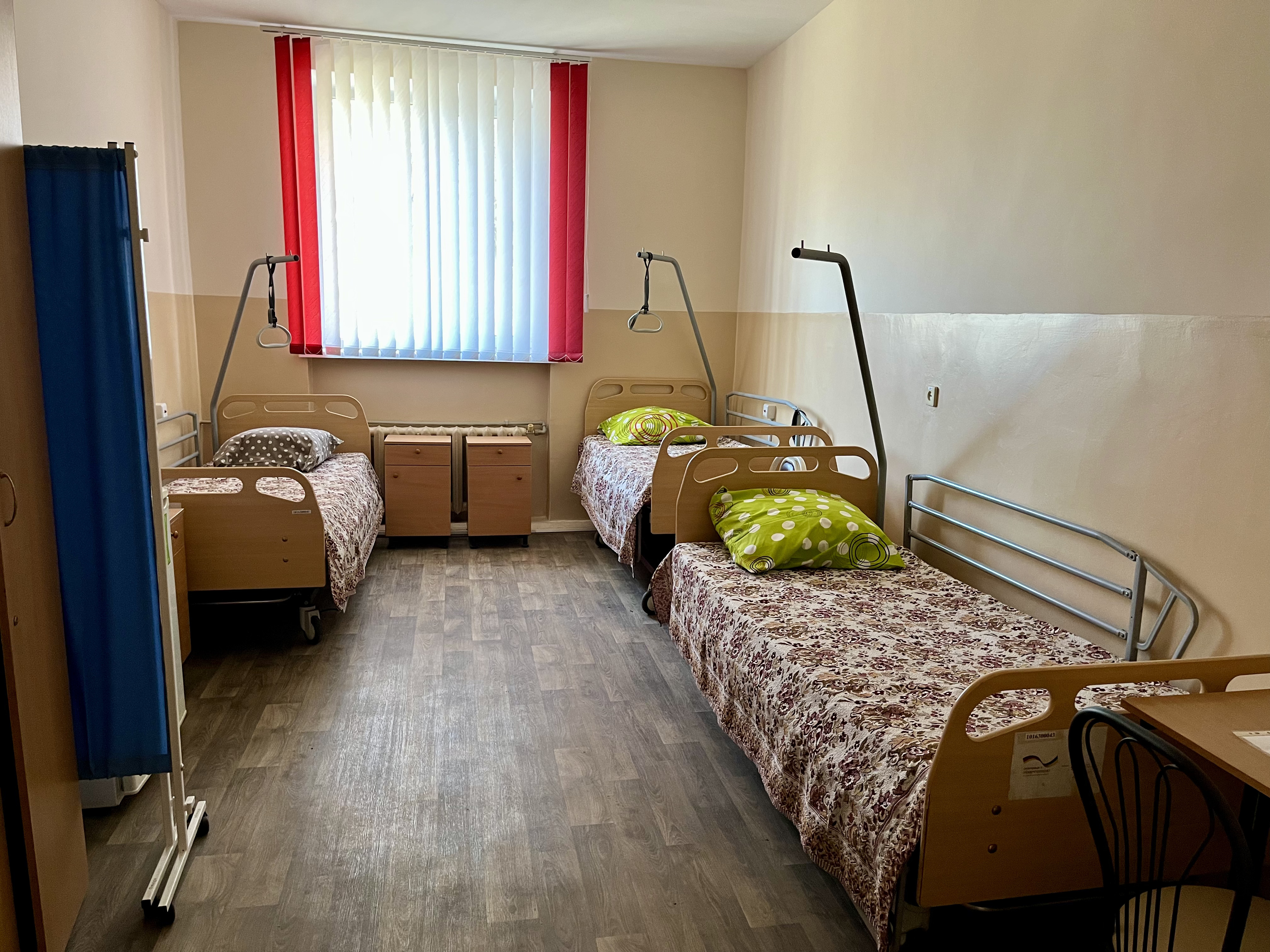
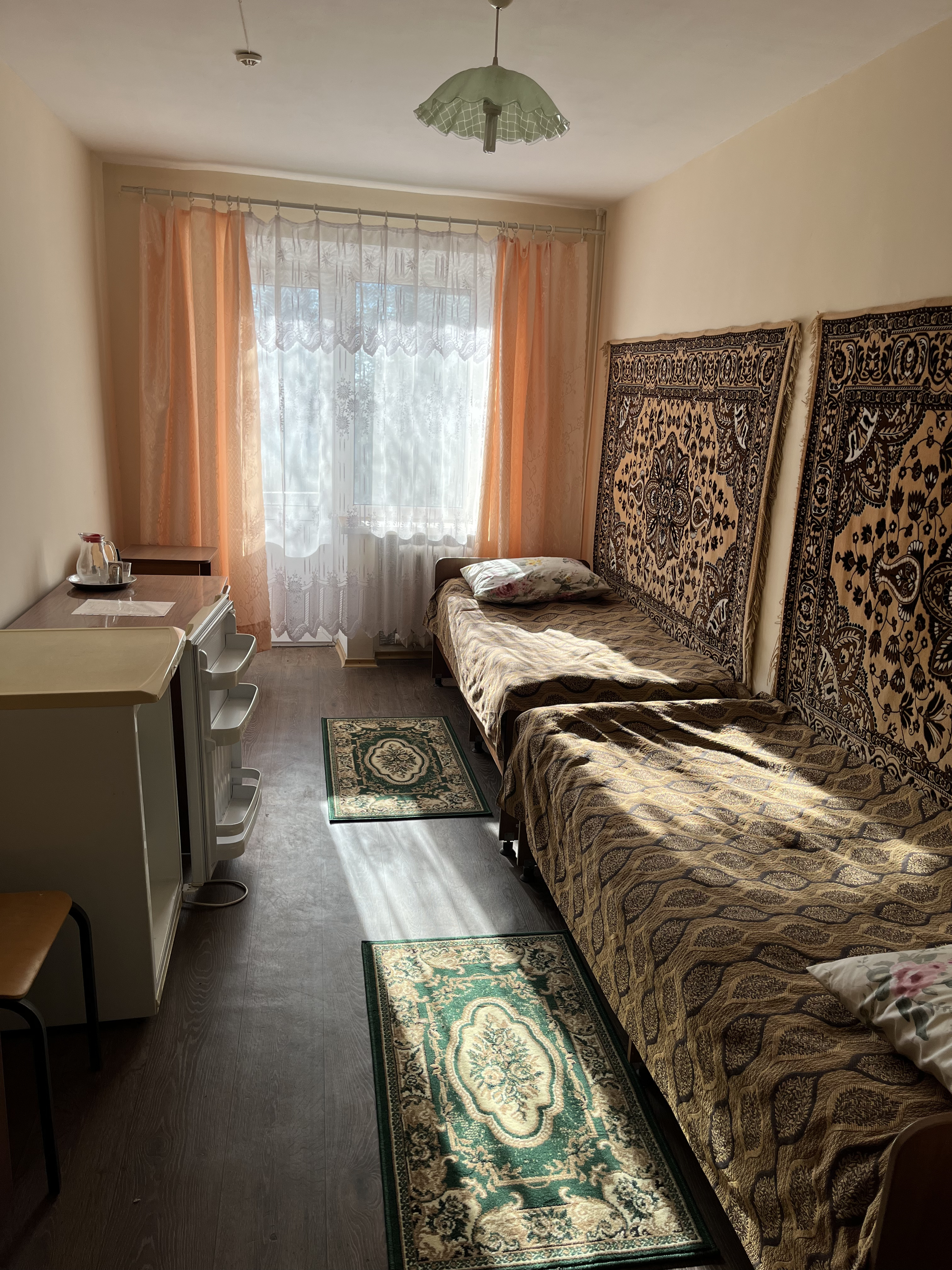
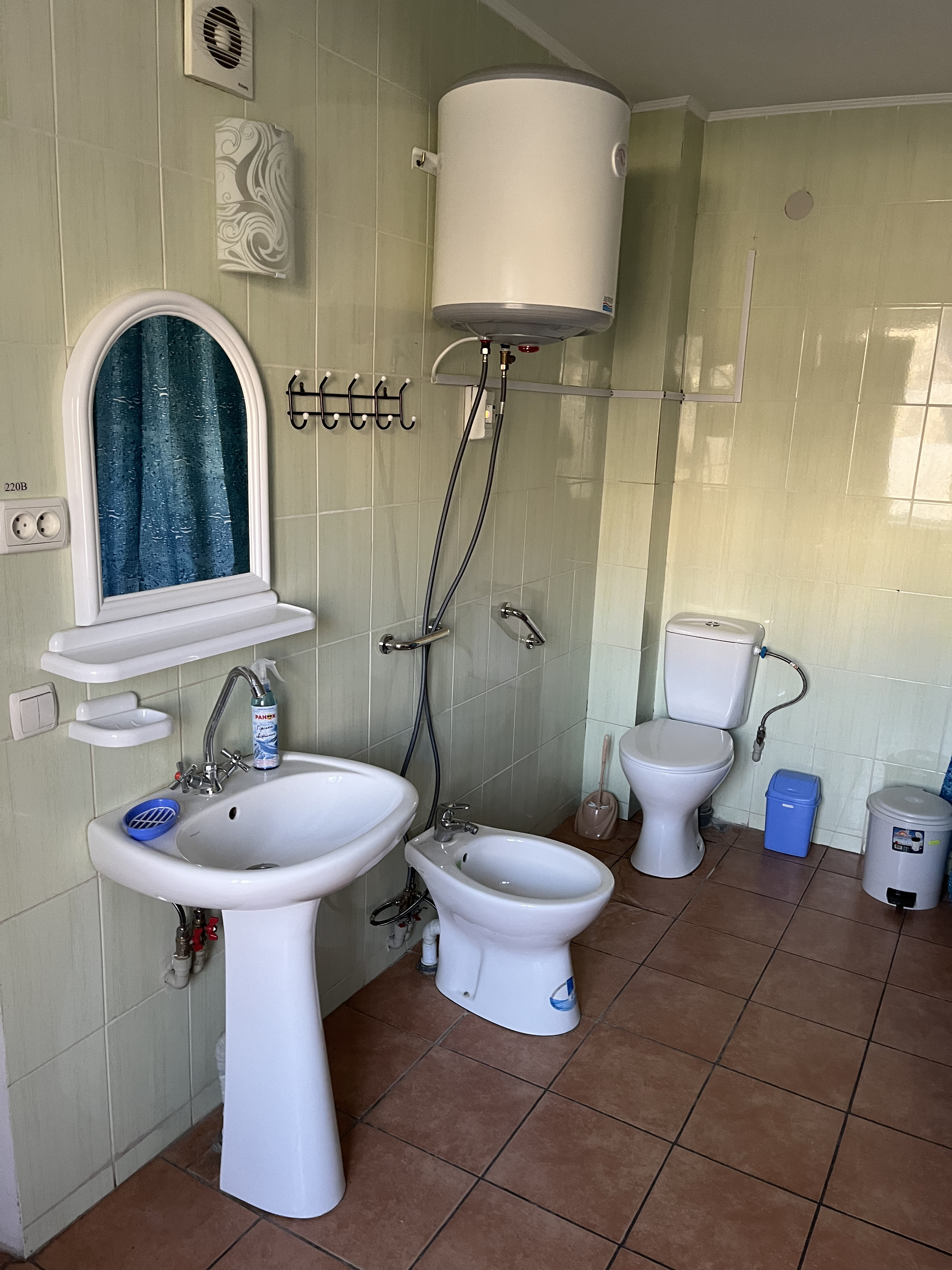
In November 2025, a transit center opened in Zaporizhzhia for people forced to leave their homes because of russian attacks. More than 2,150 residents from frontline settlements in Polohy, Vasylivka, and Zaporizhzhia raions of Zaporizhzhia oblast have already found help, support, and temporary shelter there.
The transit center works as a one-stop shop, where people can receive:
- IDP certificate and administrative services;
- social payments and consultations;
- medical and psychological assistance;
- food and humanitarian support;
- assistance with further free accommodation or relocation to safer regions.
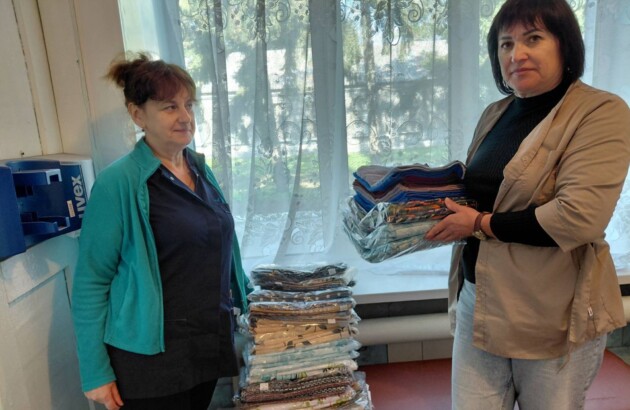
Evacuees can stay at the center for several days while their further resettlement is arranged or while they look for housing themselves. The center has comfortable rooms for 160 people, including 50 beds adapted for people with limited mobility. There is also a children’s room and a social wardrobe.
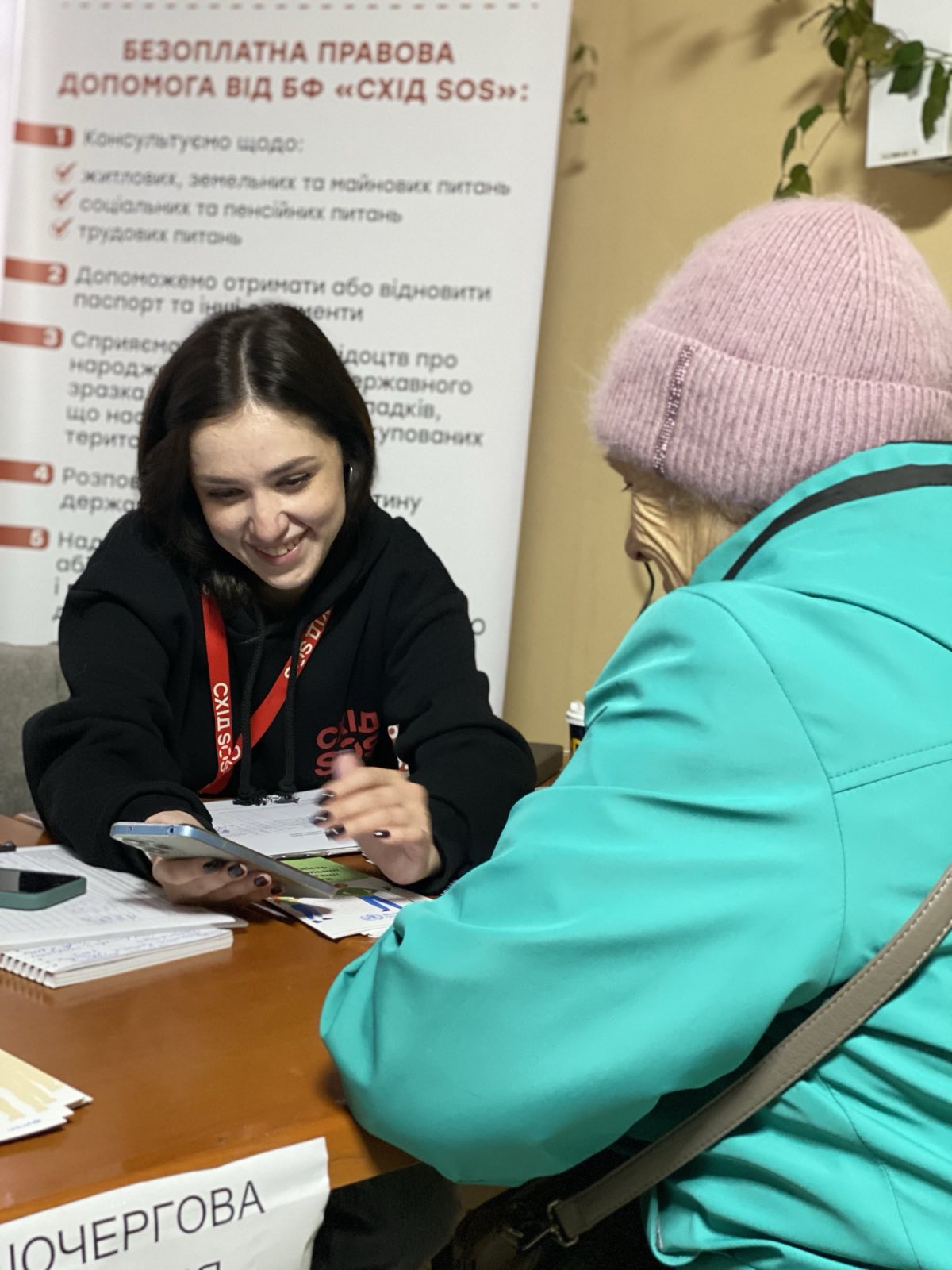
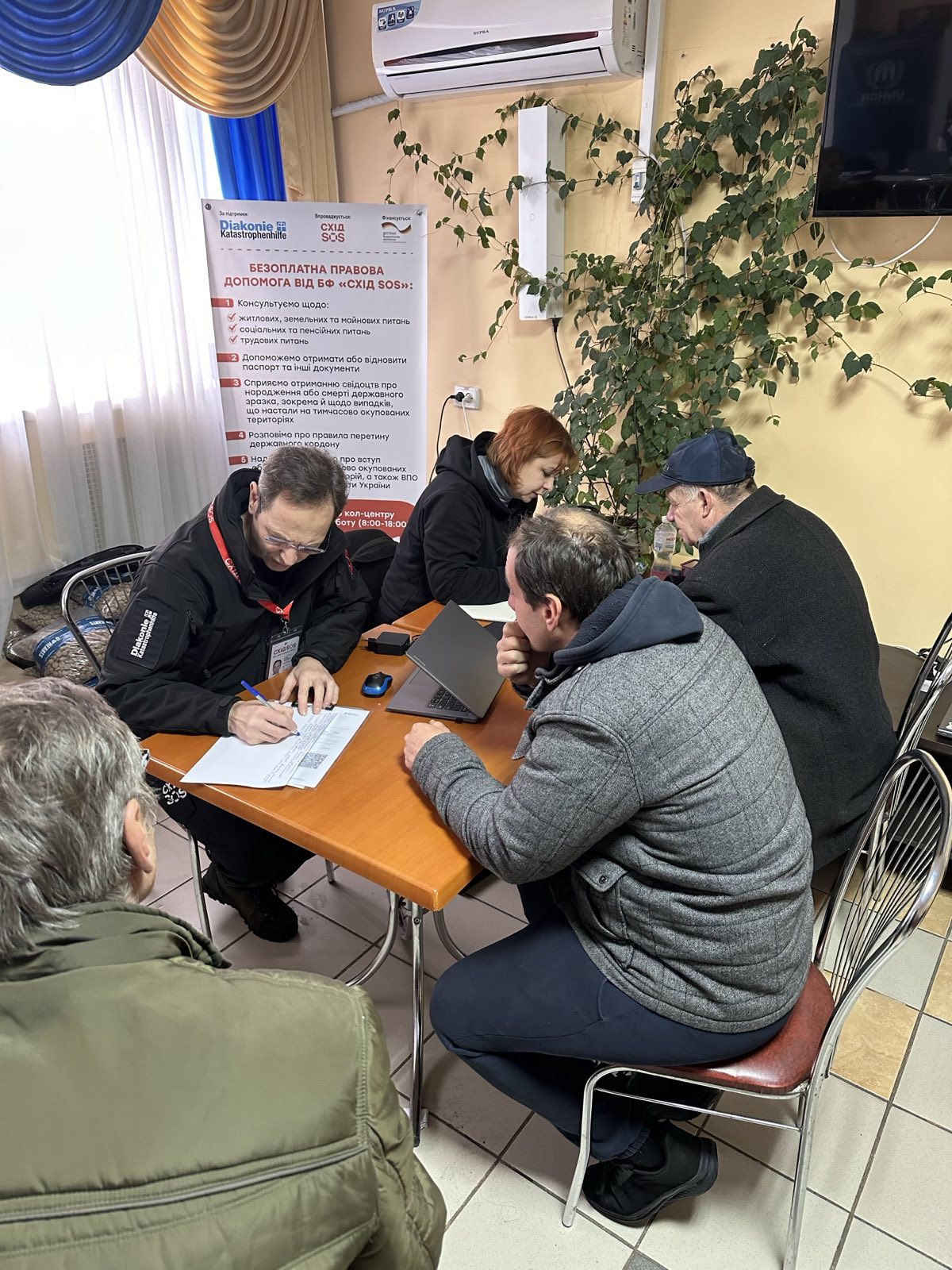
EAST SOS specialists are there for evacuees in the first hours after they arrive at the transit center. They help people regain emotional stability, restore documents, and obtain the certificates they need. When necessary, the team accompanies people to banks to help them open accounts for cash assistance or pensions. We also provide walking sticks for people with limited mobility and pet food for the first few days for those who evacuate with their four-legged companions.
Due to the difficult security situation, in January 2026, mandatory evacuation by compulsory means was announced for children with their parents or other legal representatives from the settlement of Kushuhum and several settlements in Ternuvate and Novooleksandrivka hromadas of Zaporizhzhia Raion, as well as Preobrazhenka Hromada of Polohy Raion of Zaporizhzhia Oblast.
Every day, our team meets people who have decided to leave. Since the transit center began operating, EAST SOS specialists have provided evacuees with 123 psychological consultations, 207 social consultations, and 746 legal consultations.
“Families with children, older people, people with disabilities, and wounded people arrive at the transit center. Often, they leave with just a few bags or with no belongings at all – everything has been left under the rubble after russian airstrikes. Recently, our crew evacuated a family with children from the village of Kyivske in Zaporizhzhia Raion to the transit center. We are now planning visits to settlements to inform people about the possibility of evacuation and the assistance available when searching for a new place to live,” said Oksana Kuiantseva, a Board Member of the EAST SOS Charity Foundation.
Among those supported at the transit center was 83-year-old Kateryna from the village of Zaporozhets in Novooleksandrivka Hromada. She said she had hesitated for a long time before leaving and remained under enemy shelling. The final three days before leaving were especially difficult: constant explosions left her exhausted, unable to sleep, and feeling unwell.
A police crew evacuated Kateryna. At the transit center, EAST SOS lawyer Alina Rodina helped her update a certificate with her bank details so she could apply for one-time cash assistance from international partners in the amount of UAH 10,800. Later, Kateryna went to stay with her son in Zaporizhzhia.
We urge people not to delay evacuation: leaving danger in time means saving what matters most – life and health.
The EAST SOS call center accepts evacuation requests at: 0 800 332 614, Monday–Saturday, 8:00 AM–6:00 PM. 0 800 332 614 (Monday–Saturday, 8:00 AM–6:00 PM).
You can also contact us via messengers:
Viber: +38 (099) 710 48 72
Telegram: +38 (096) 108 60 48
In Zaporizhzhia Oblast, there is also a specialized evacuation hotline: 0 800 33 16 30.
Support to evacuees in the transit center is provided within the framework of the following projects:
“Protection and Psychosocial Support for War-Affected Populations in Ukraine’s Frontline Regions,” funded by the German Federal Foreign Office.
“Integrated humanitarian response for conflict-affected Ukrainians and third-country nationals in Ukraine, Poland, Romania and Moldova,” with the support of Diakonie Katastrophenhilfe and funded by the German Federal Foreign Office.