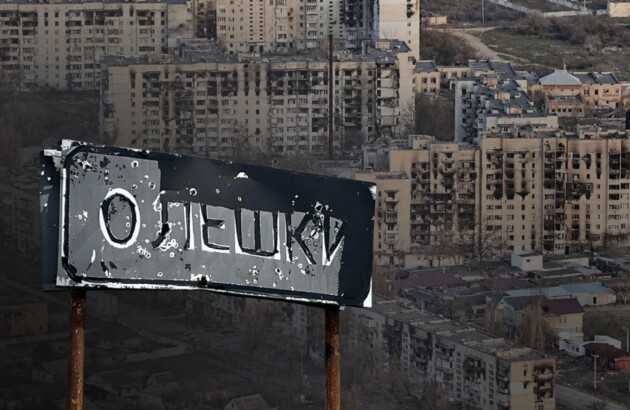
“Stories of Resilience”: Schools in the Sumy Region, 30 km from the russian Border, Combine Learning and Safety
According to the Ministry of Education and Science of Ukraine, nearly 780,000 students will study in a blended learning format this school year. Many of them live in frontline communities that face daily shelling, power outages, and unstable communication.
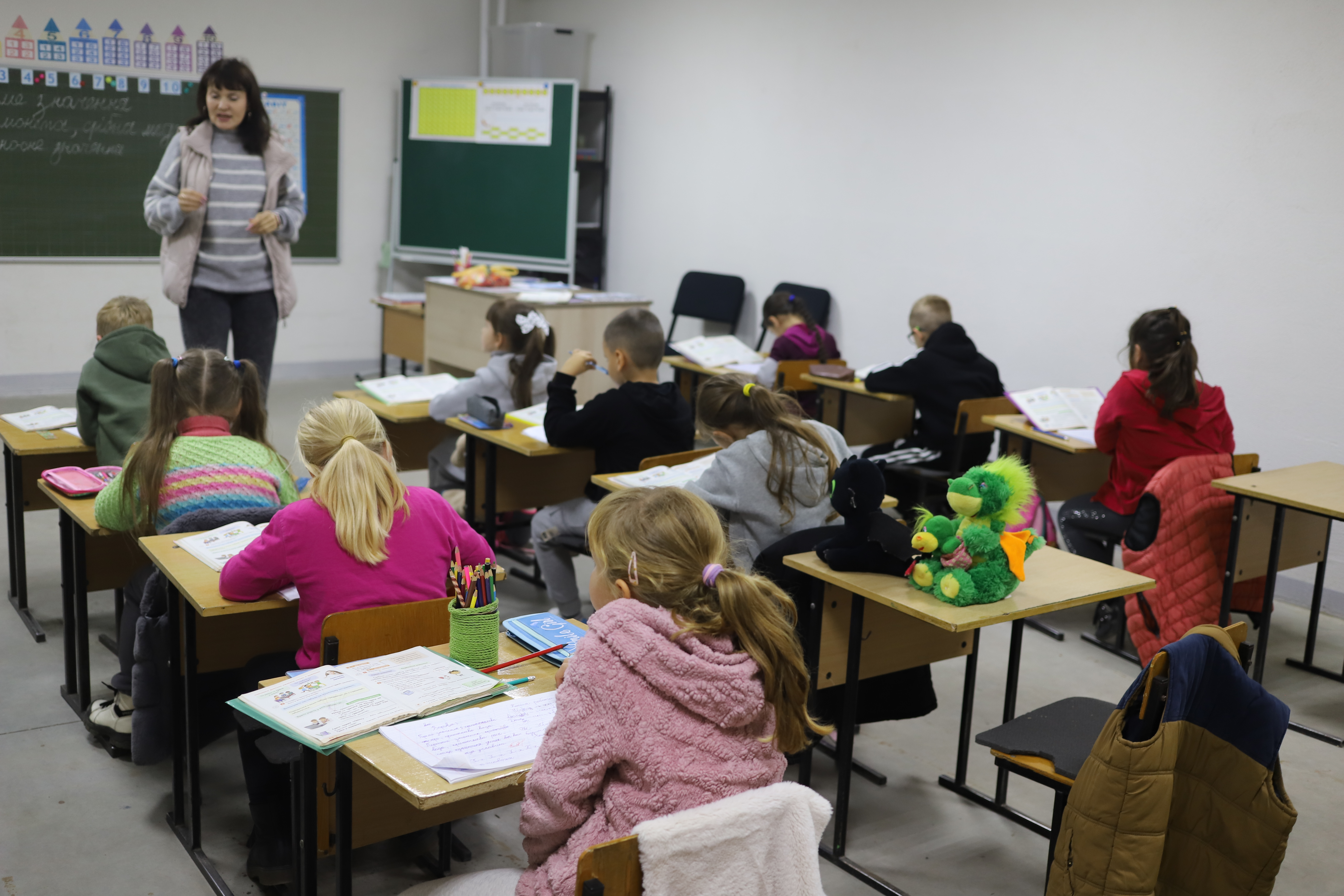
In the fourth year of the full-scale russian invasion, Ukrainian educators continue adapting to new threats: transforming shelters into classrooms, combining online and offline lessons, and teaching children how to act in emergencies.
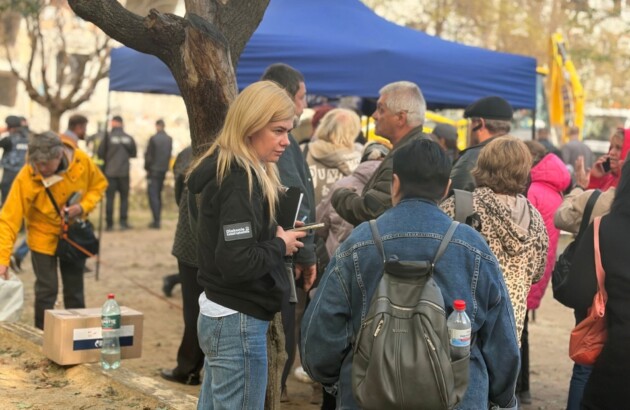
As part of the School Up project, the East SOS team conducted a monitoring mission to see firsthand how teachers in the Sumy region meet these challenges. What we witnessed reaffirmed the urgent need to strengthen schools’ safety measures and psychological resilience.
In the “Stories of Resilience” series dedicated to safeguarding the future in border communities, we have already shared the experiences of three schools in Konotop. Today, we highlight Mykolaivka Hub Lyceum and Kosivshchyna Lyceum named after Lesia Ukrainka – two of the many educational institutions that continue their work despite constant danger.
Mykolaivka Lyceum, Mykolaivka Village Council, Sumy District, Sumy Region
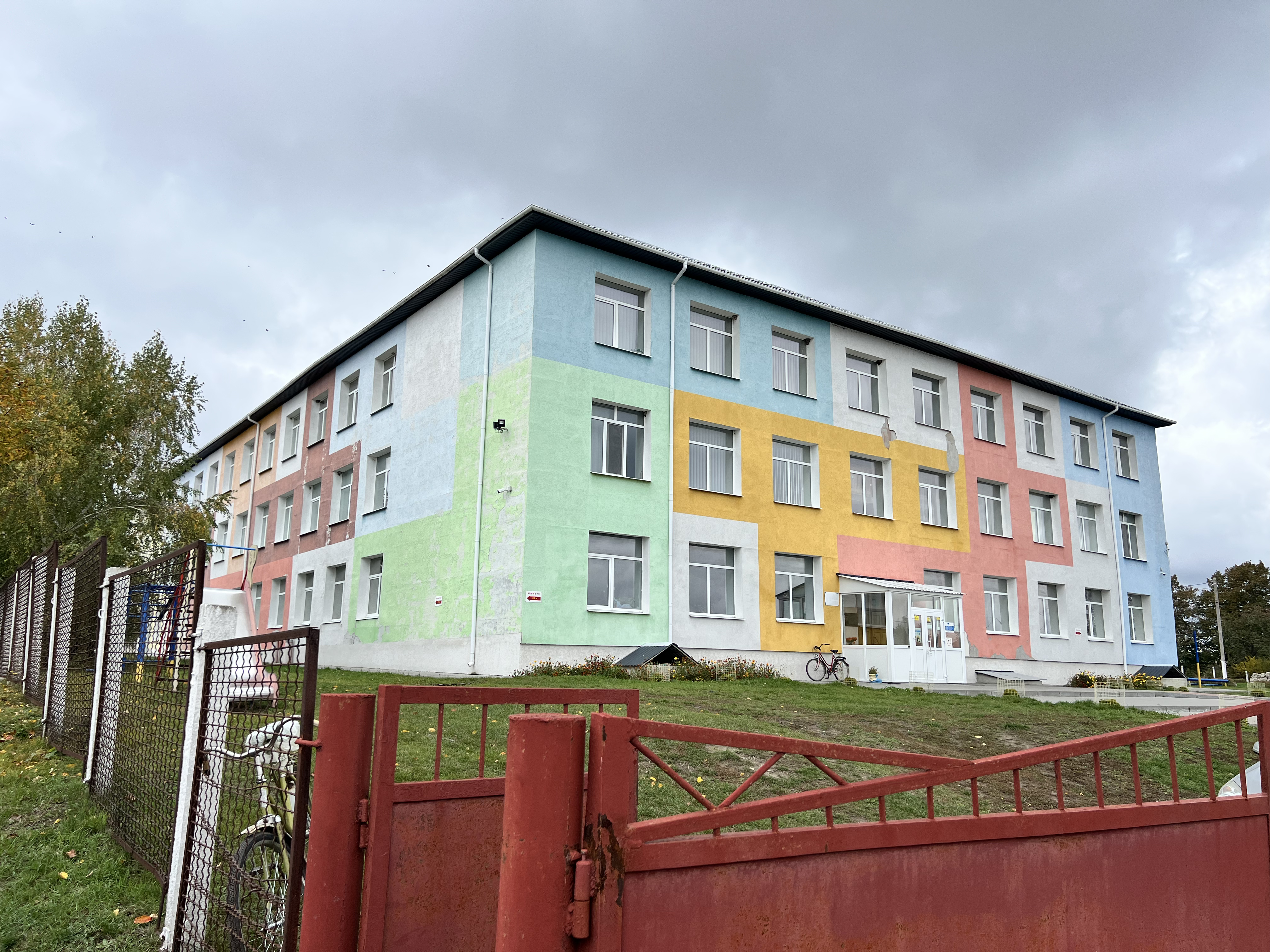
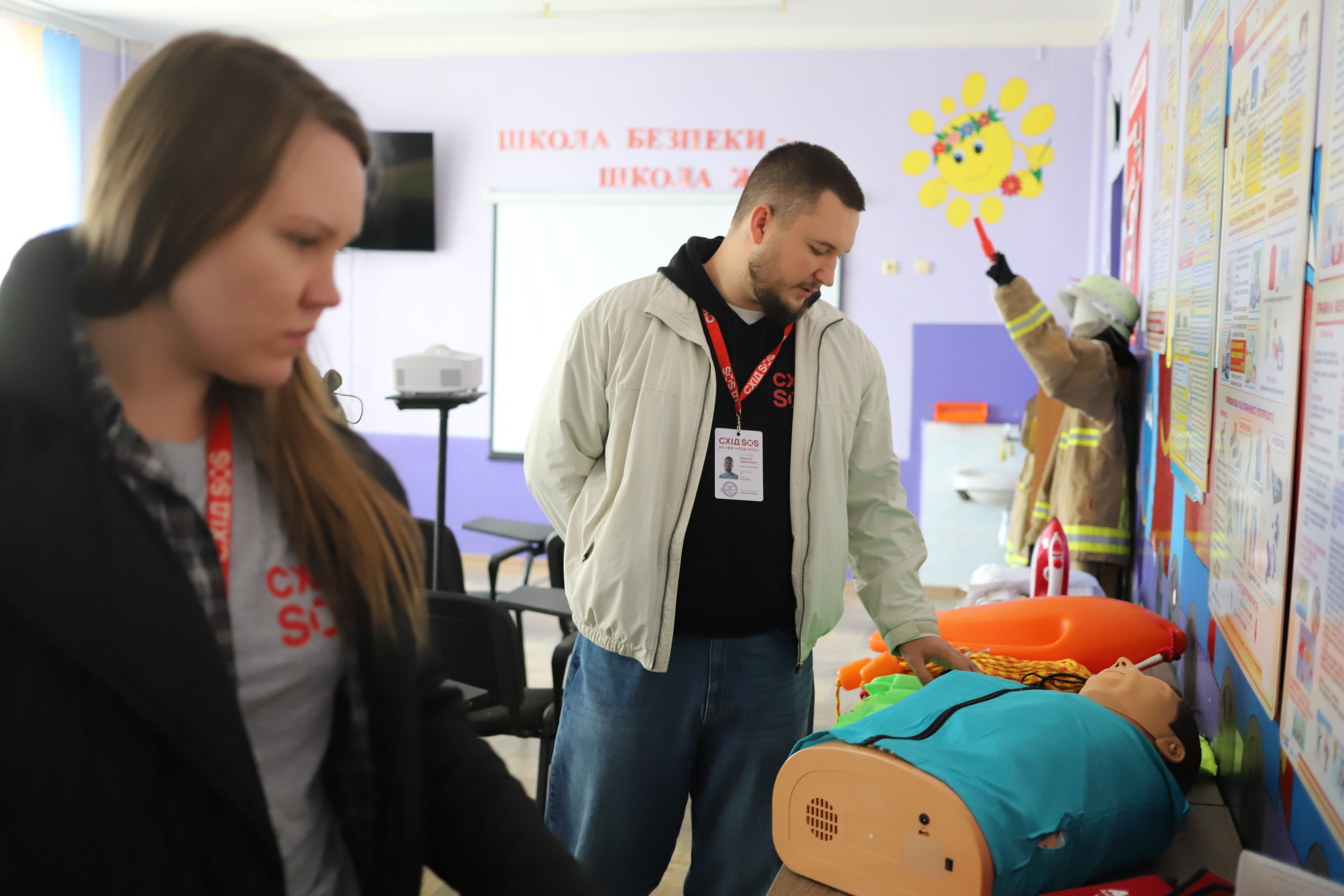
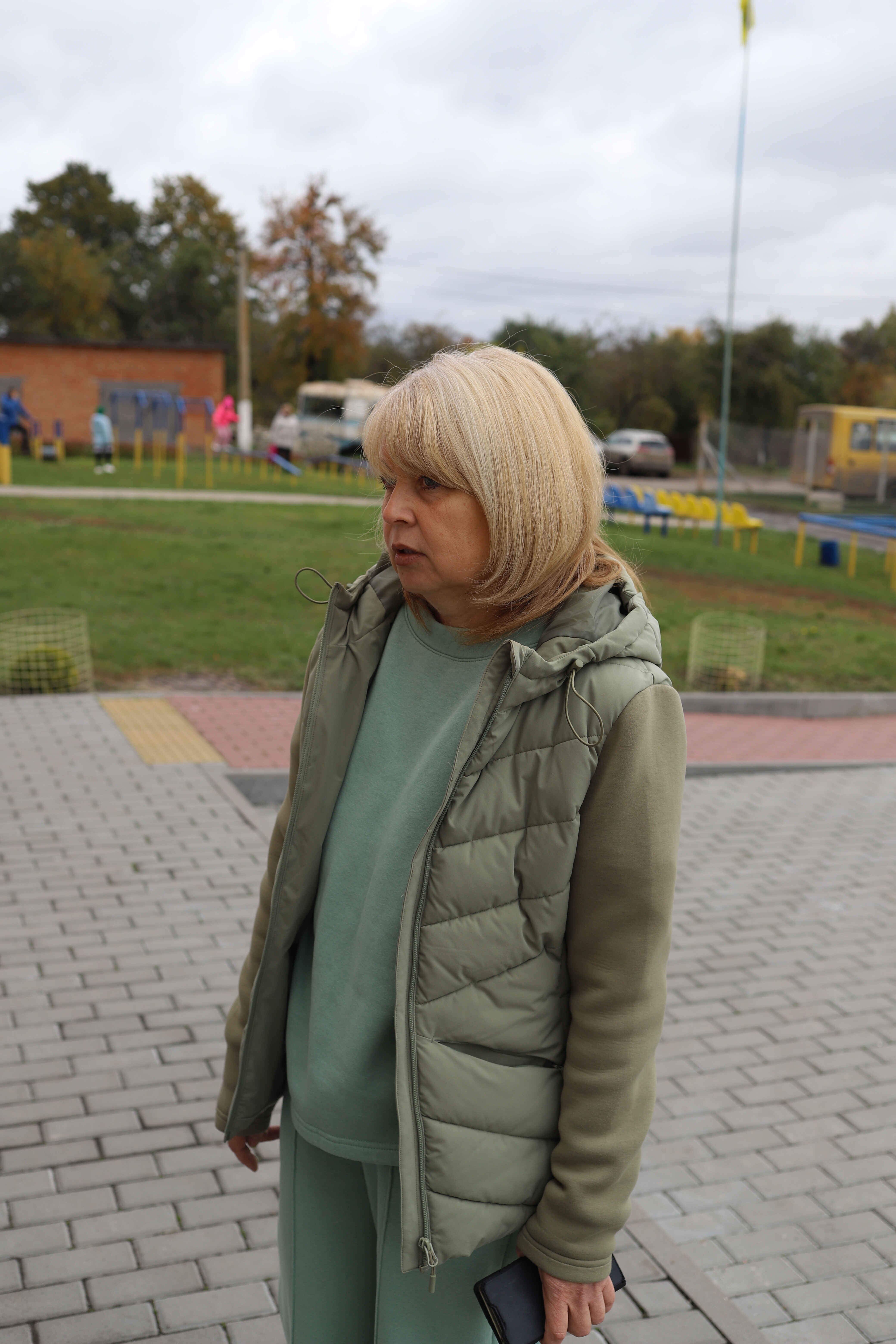
Before the full-scale invasion, the Mykolaivka Lyceum – an important hub school that provides organized transportation for children from nearby villages – was full of activity. Today, due to the constant threat of shelling, the usual rhythm of school life has changed dramatically: large sports events, walks, and excursions around the region and across Ukraine have become impossible.
“Parents escort their children to school and pick them up afterward, asking them not to leave the shelters during air raid alerts. We are proud that before the full-scale war we traveled widely across the Sumy and Chernihiv regions, as well as to Lviv. We miss that peace and sense of security,” shared Lyceum Director Olha Panasovska.
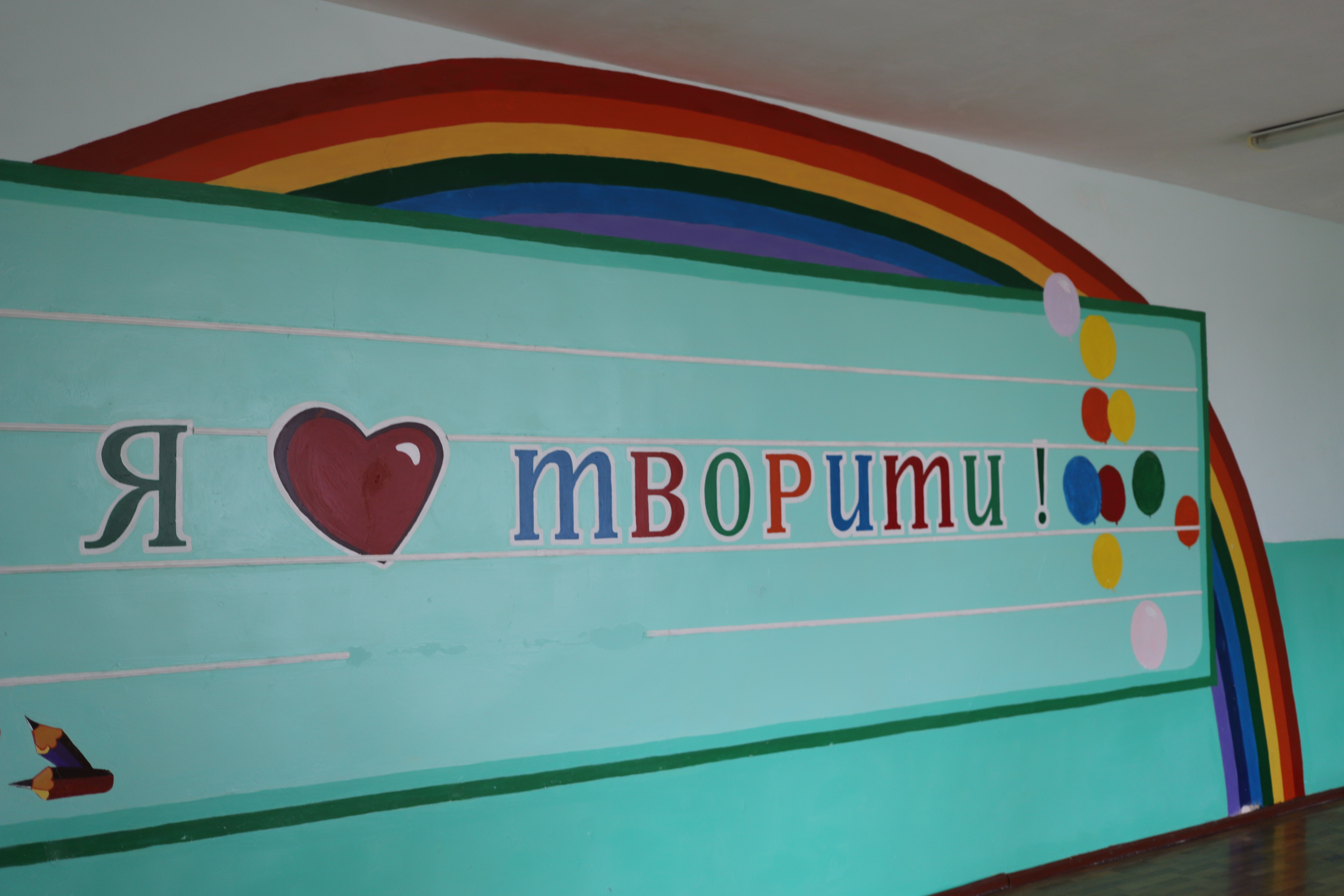
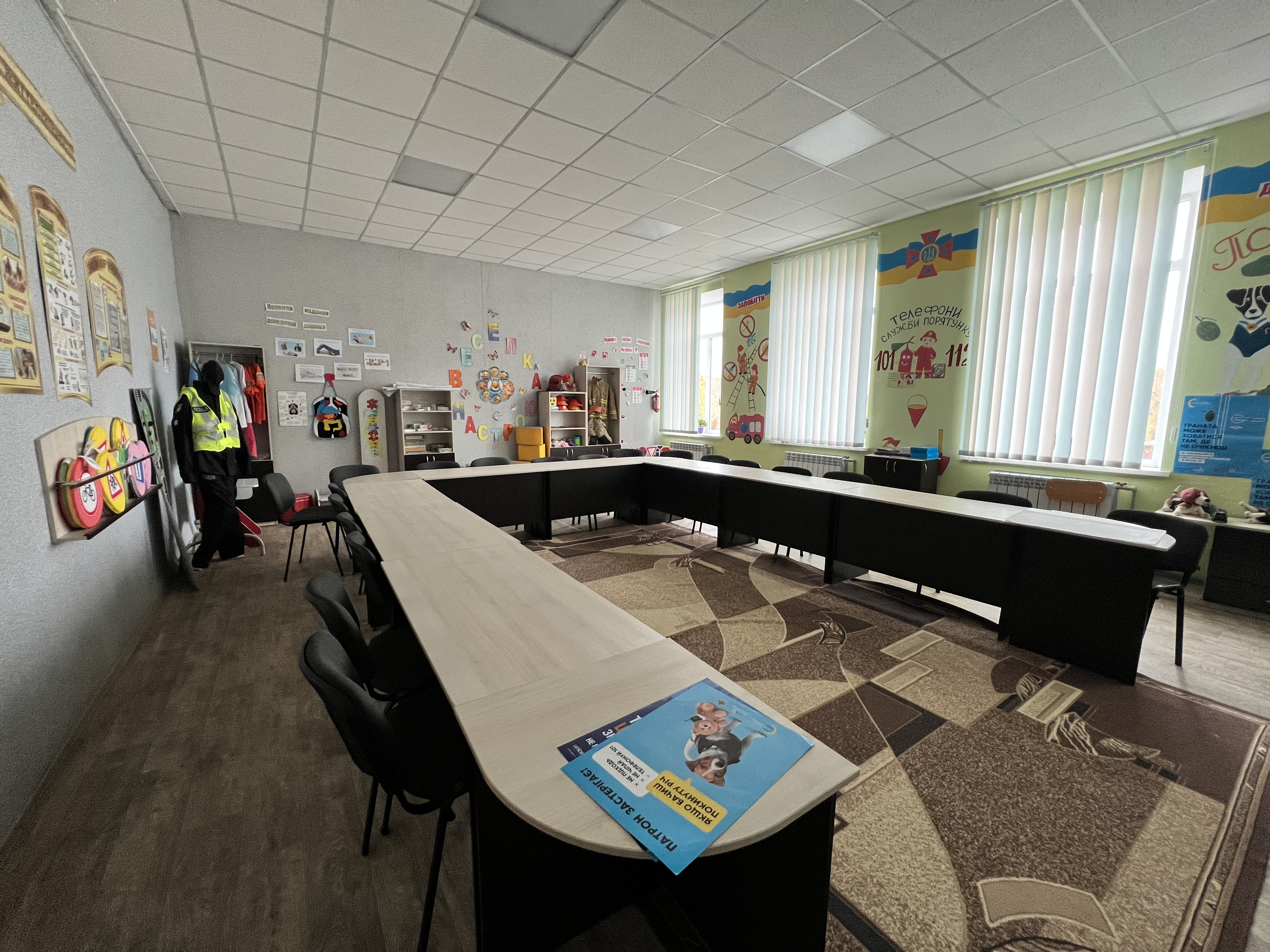
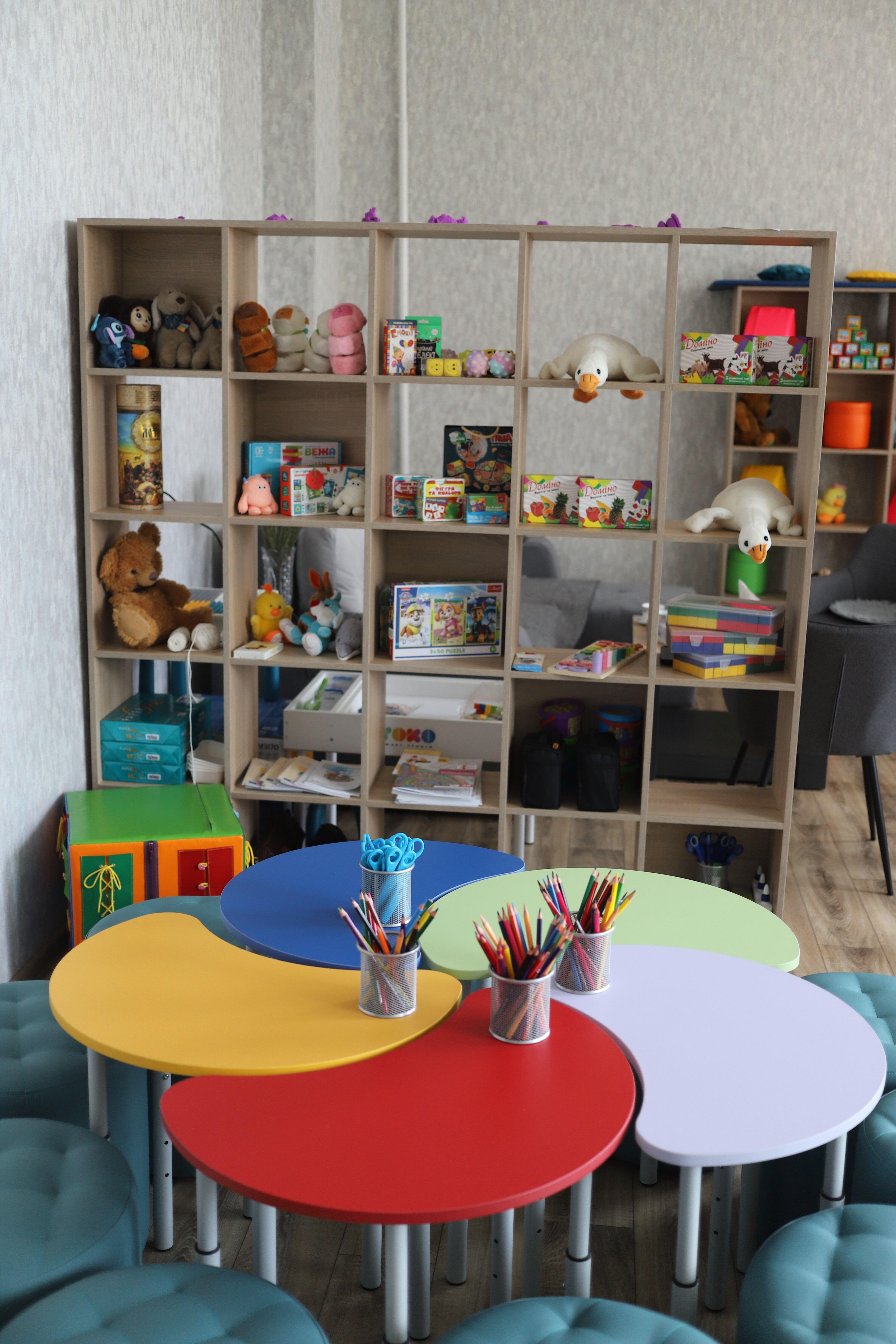
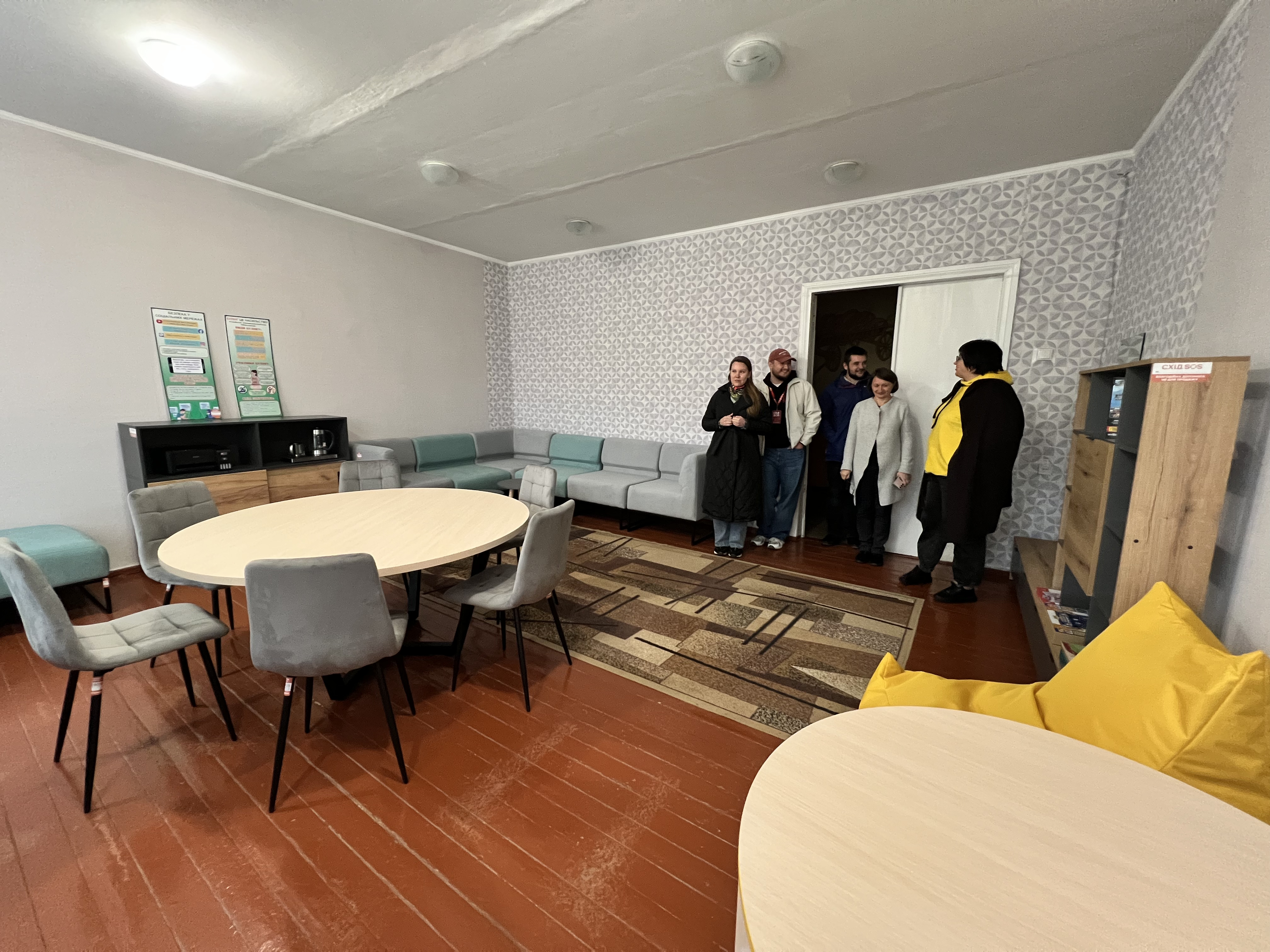
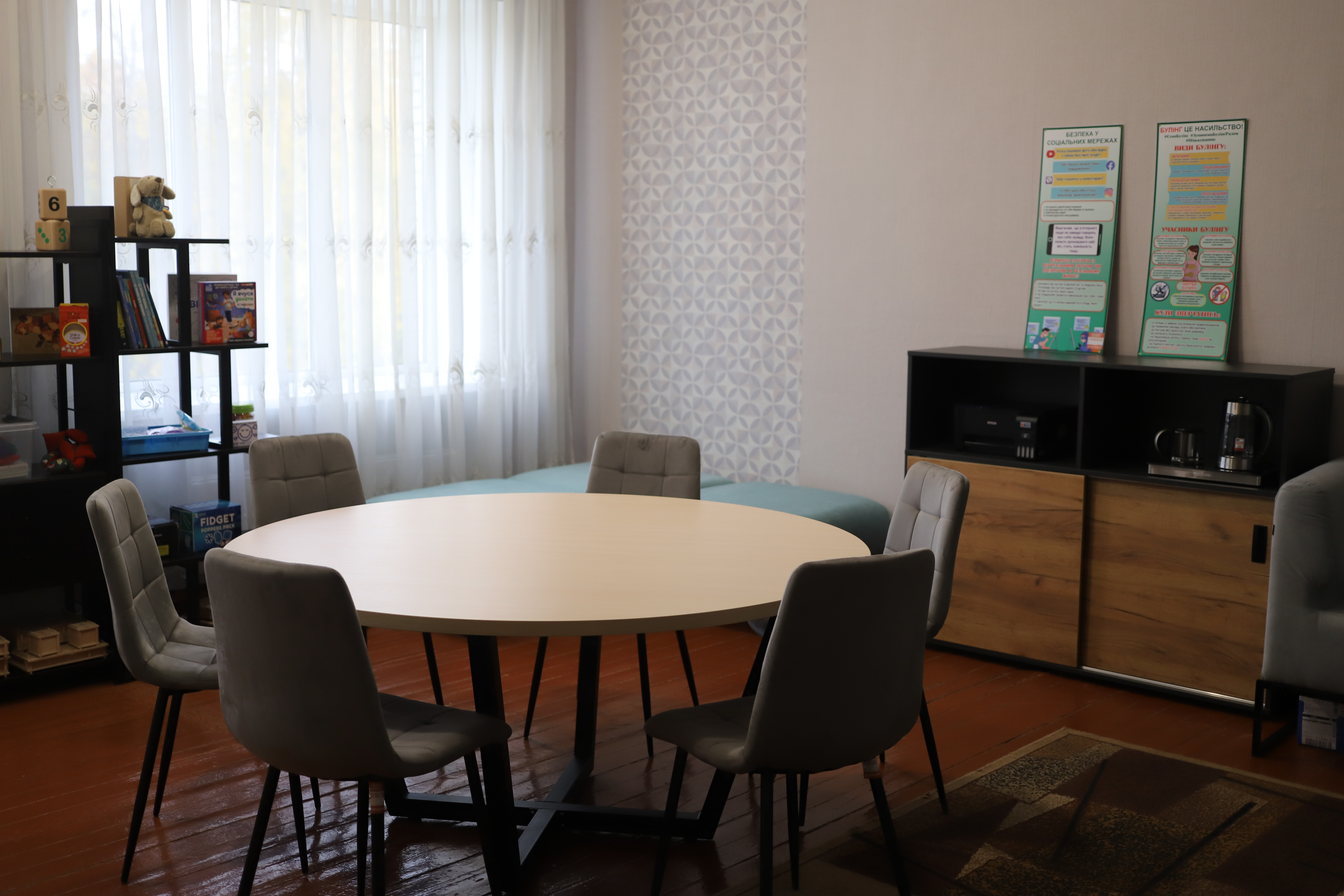
As part of the School Up project, and alongside establishing shelters and safety classes in five schools in the Sumy region, the East SOS Charity Foundation supported the creation of special spaces for psychological recovery. At Mykolaivka Lyceum, an entire classroom was dedicated to this purpose and fully renovated. Today, it has become a favorite place for both students and teachers – a calm, cozy environment where one can relax, feel safe, and hold meetings or classes in a more informal atmosphere.
“I hold online meetings with students here whenever possible, including with those who left the village a year or two ago. I feel that because of the lack of in-person interaction, the usual boundaries between teacher and student are somewhat blurred – children call me by my first name and ask how things are at home. This is actually not bad; it shows that the war has taken away many opportunities for socialization,” said school psychologist Maryna Akimenko.
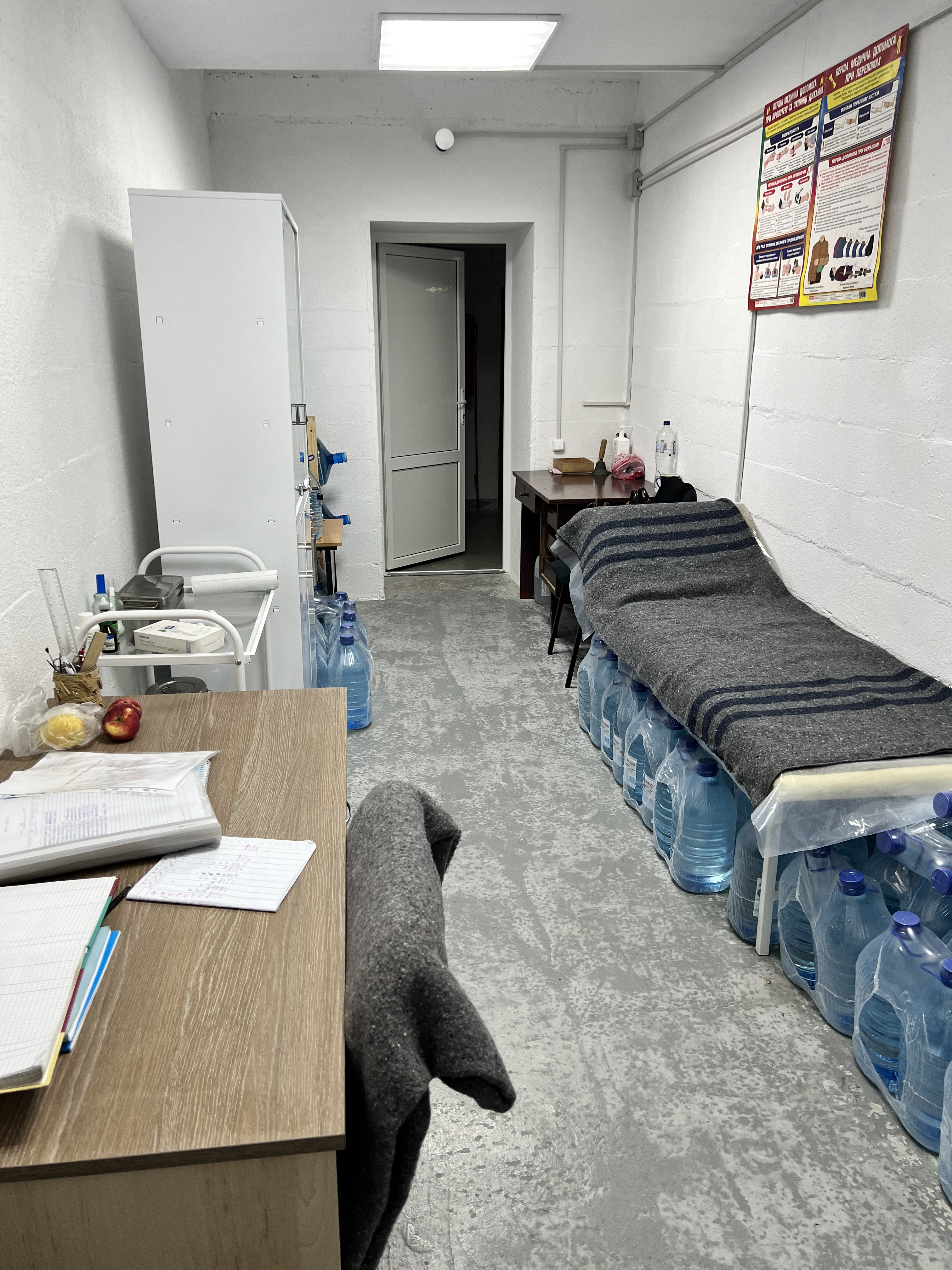
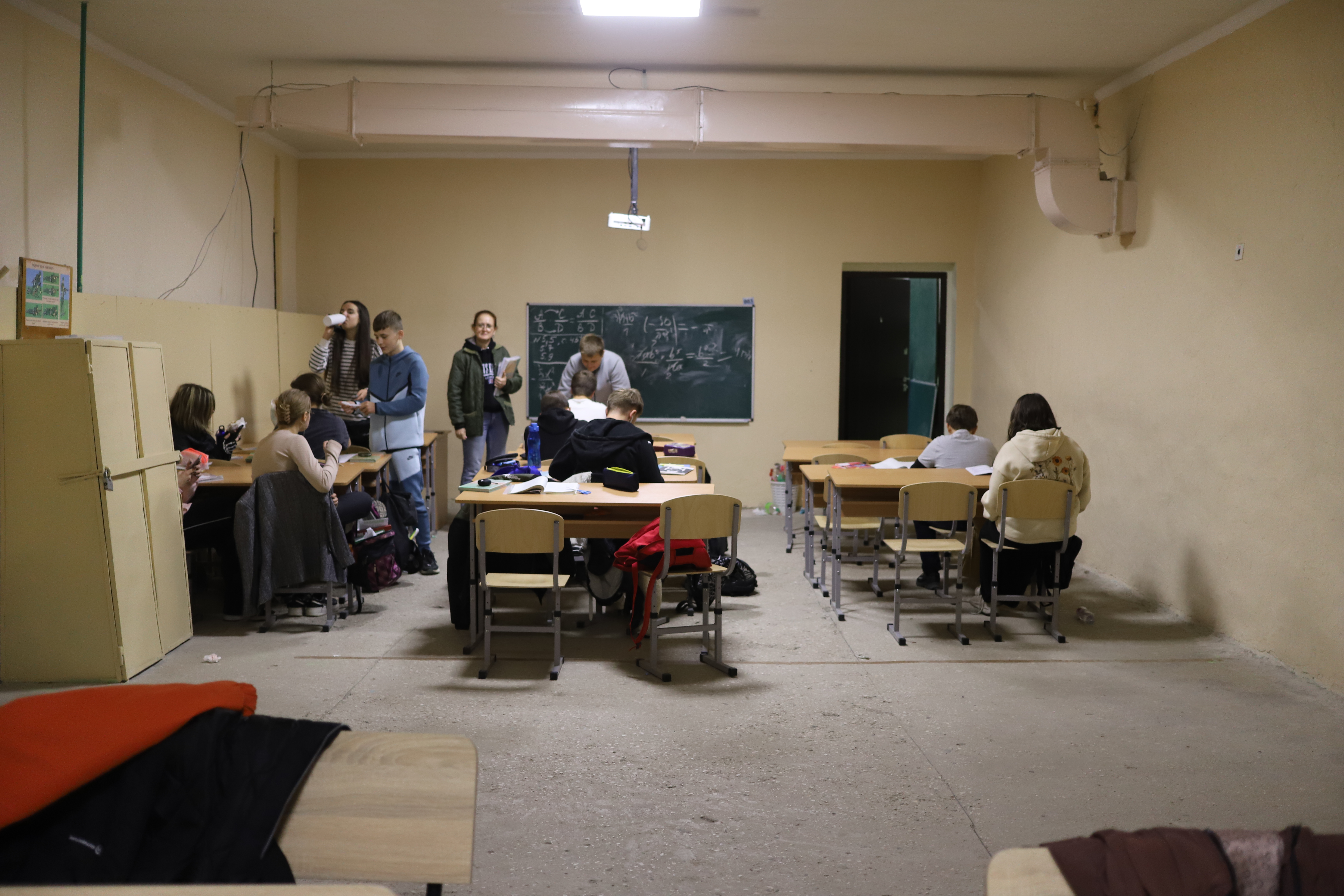
While children are able to continue their education in shelters and still sit at their desks, it is essential to be prepared for different challenges. Therefore, at the initiative of the school administration, a first aid station has also been set up inside the shelter.
Kosivshchyna Lyceum named after Lesia Ukrainka, Stepanivka village council, Sumy district, Sumy region
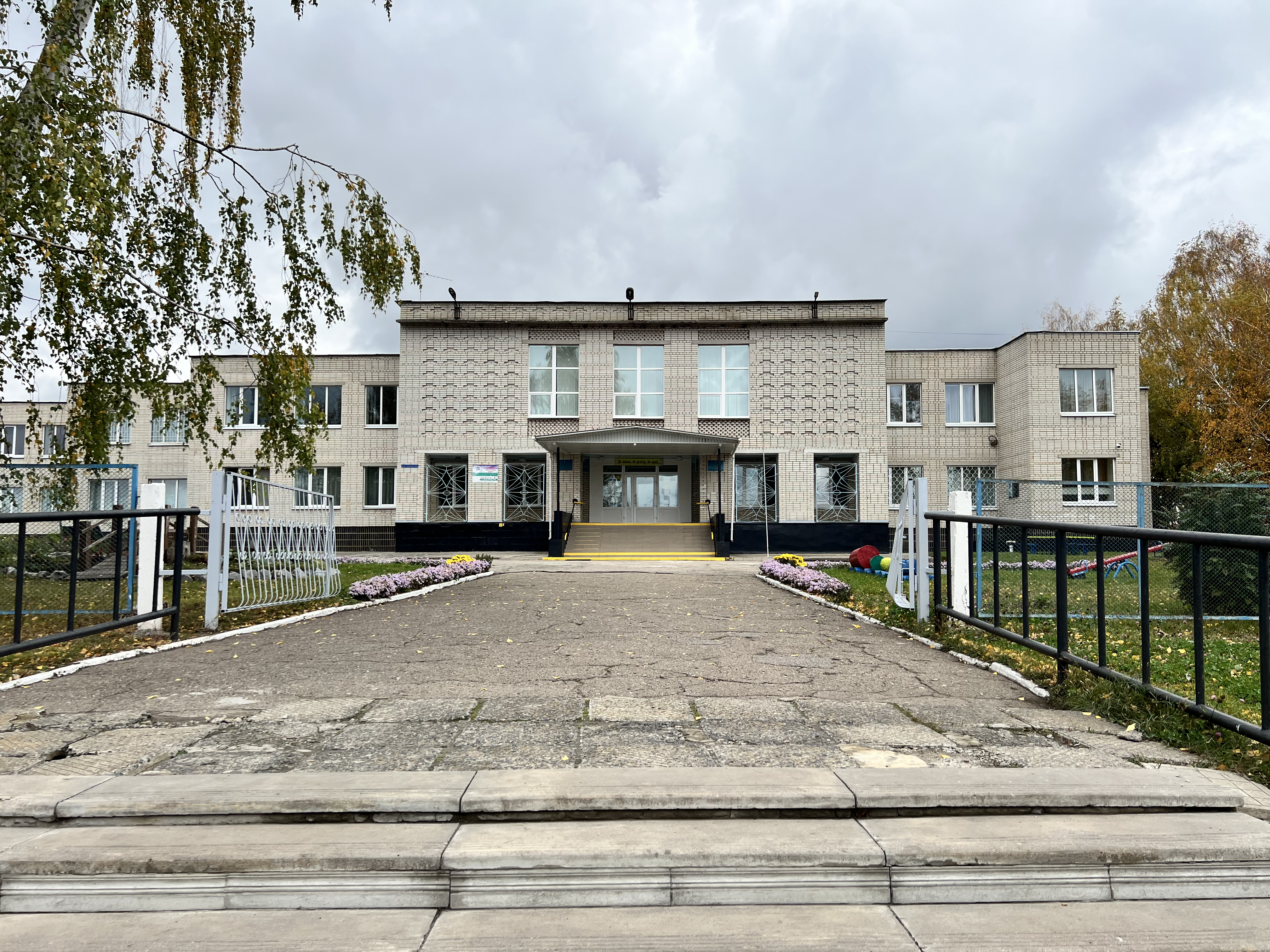
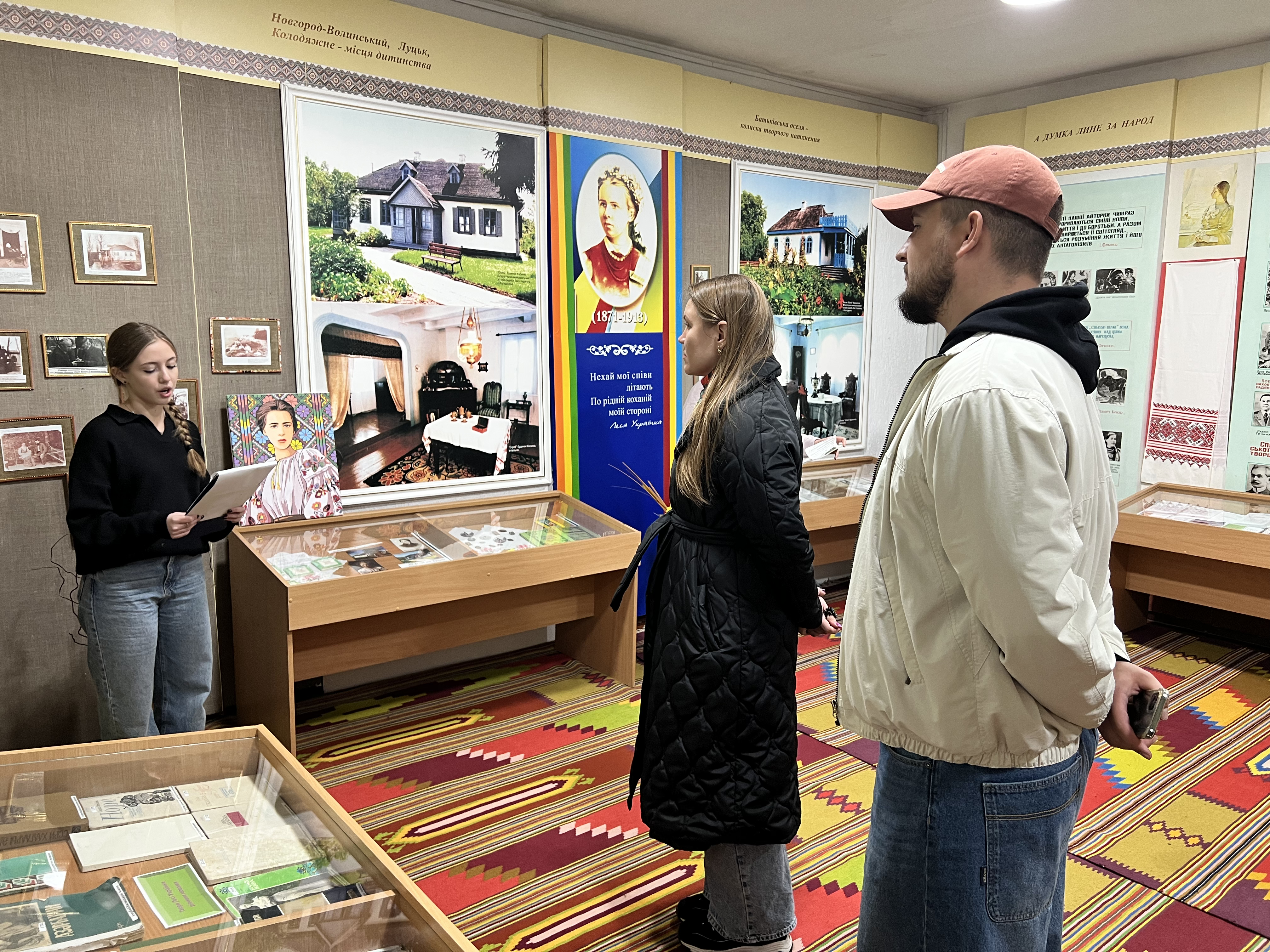
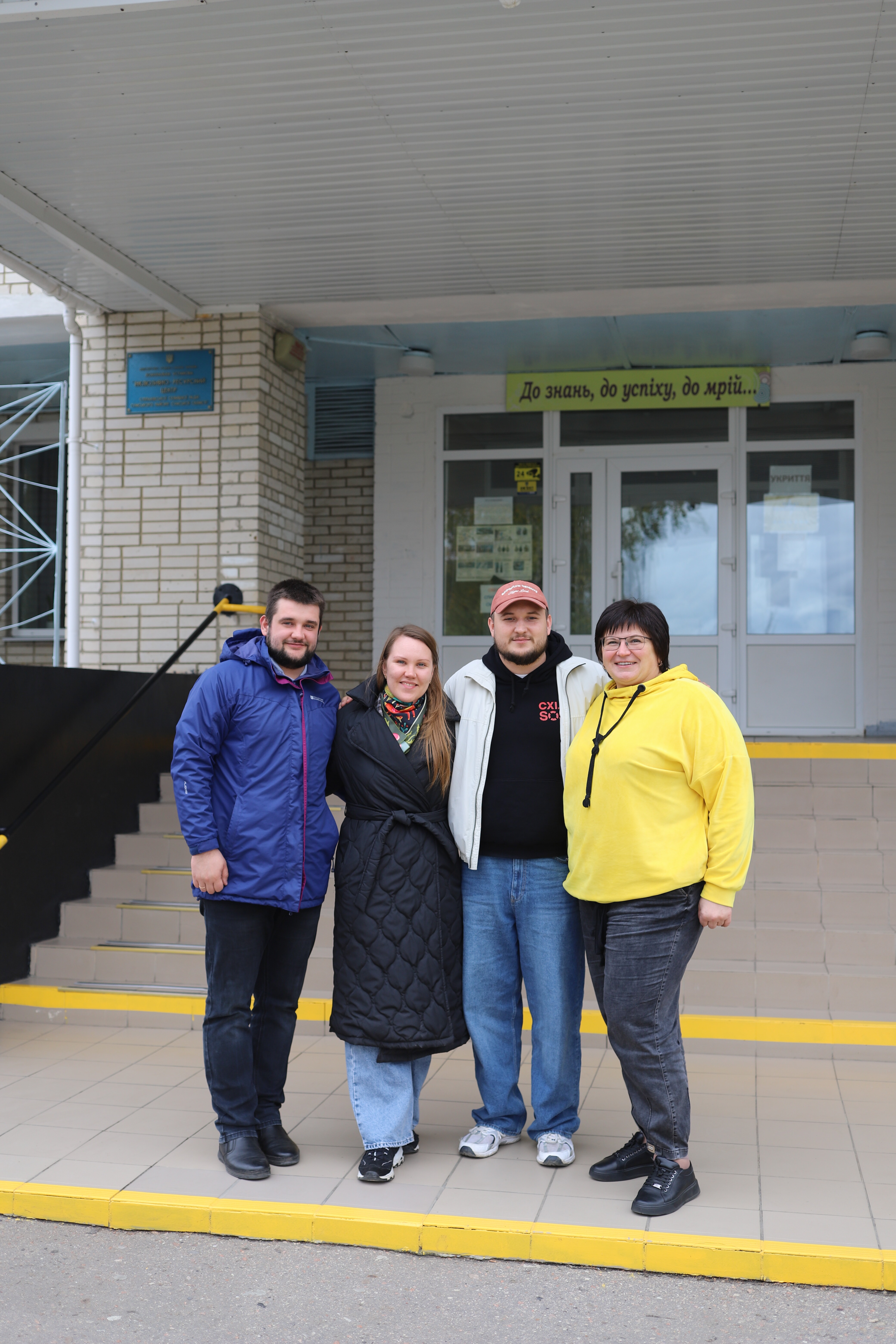
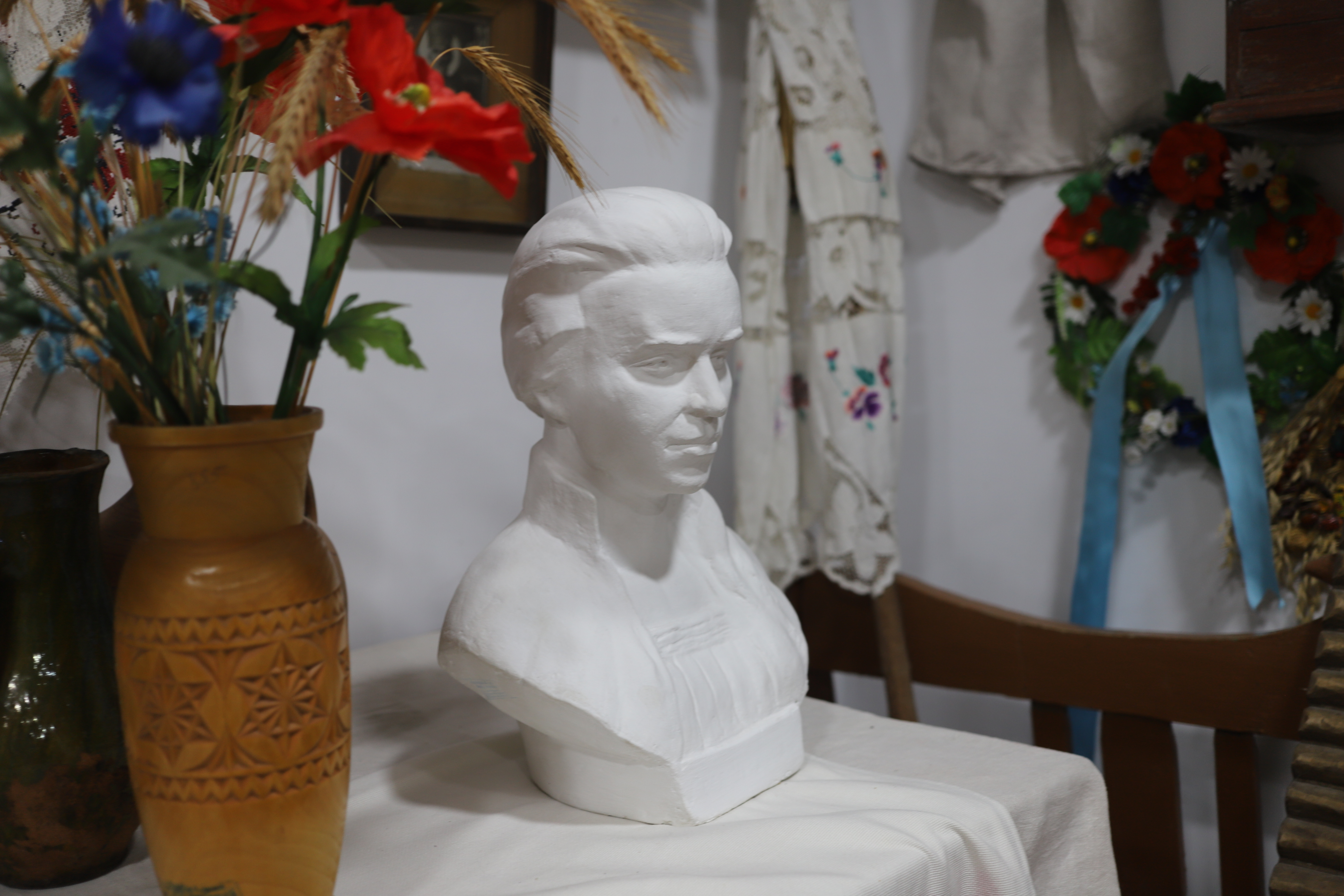
The night before the East SOS team visited the Kosivshchyna community was tense: russia once again launched drone attacks on Sumy and nearby settlements. One of the drones hit the yard of Ruslan Yeroshov, a chemistry and computer science teacher at Kosivshchyna Lyceum.
“It damaged our house and car. However, my wife and I did not hear the explosion because we are used to it. The sound of breaking glass woke us up. We repaired what we could, cleaned up the yard, took the car to the service station, and came to class,” the teacher recounted.
At this lyceum, safety lessons are not just formalities – they are a necessity. The examples used in training are not hypothetical but drawn from real-life experiences within the community. Students attend safety classes where they learn how to respond during alarms, recognize explosive devices, provide first aid, and care for themselves and others under challenging circumstances.
The constant threat of shelling with various types of weapons from russia is the main reason frontline schools have had to move lessons to shelters. Even before the full-scale invasion began, the Kosivshchyna Lyceum administration started renovating their shelter. Over time, it became clear that the space needed to be fully equipped so children could spend an entire school day there, as air raids often force lessons underground.
“We see some students leaving due to the war – some go abroad, some move to safer regions – but this is still a small percentage. We are glad that our students, even those now in different European countries, want to continue their Ukrainian education online,” said Lyceum Director Viktoriia Shchebetenko.
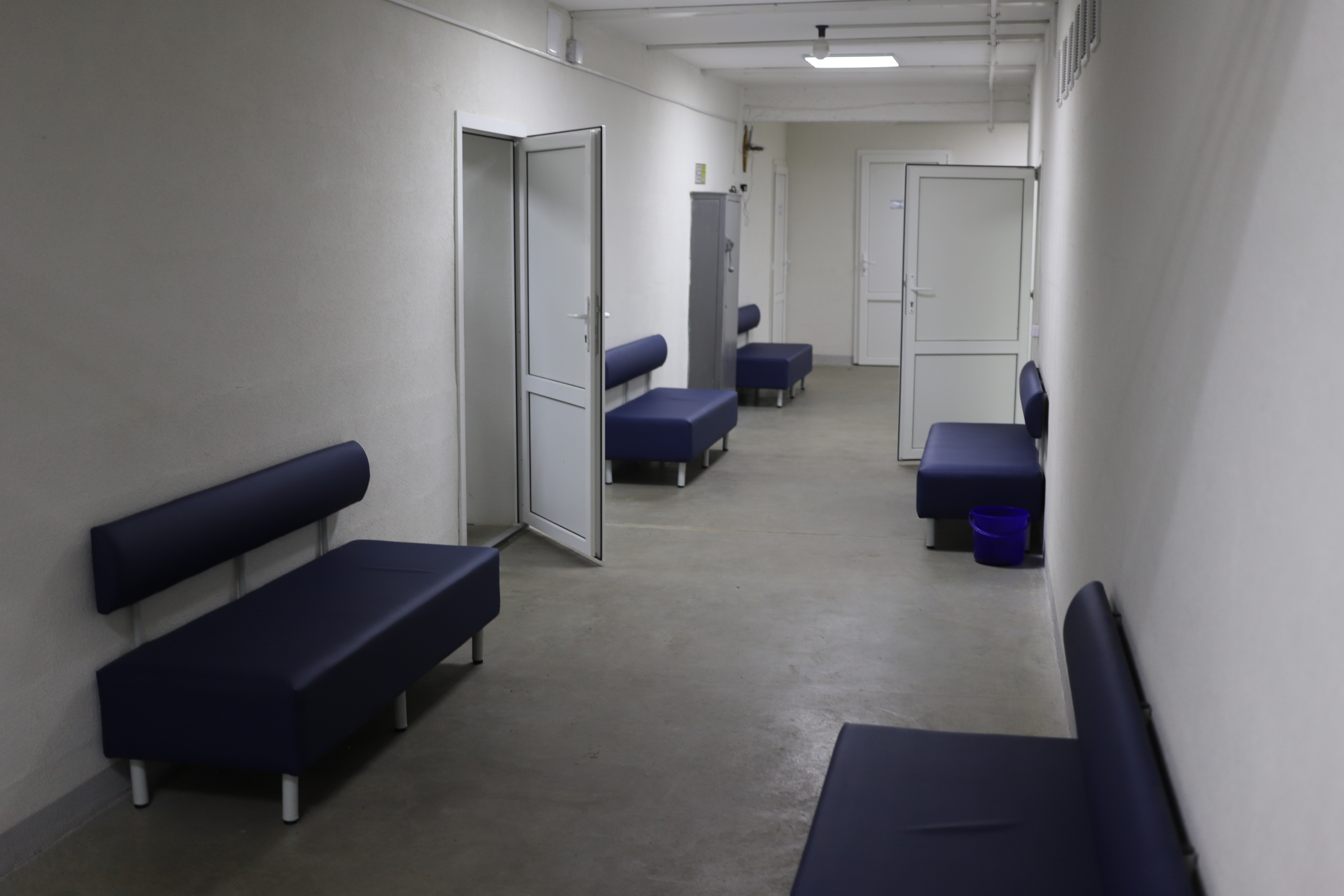
Multiboards, computers, chairs, desks, fire shields, and soft benches in the corridors of the shelter – all of these were provided by East SOS to ensure that lessons can continue comfortably and safely, even underground.
The support for educational institutions was provided as part of the project “School Up: Supporting Schools in the Sumy Region to Improve Safety and the Psychological Well-being of Students” implemented by East SOS with the financial support of Fondation suisse de la Chaîne du Bonheur (Swiss Solidarity).
A selection of stories from Konotop as part of the Stories of Resilience project can be found here.