Resilience Lessons from Educators in the Zaporizhzhia and Kherson Regions Who Resumed Their Professional Lives After Occupation


The war has turned Ukrainian education into a battlefield, with walls crumbling but spirit remaining unbroken. For thousands of teachers and students, the computer screen has become the only possible classroom, while digital technology has emerged as a key tool in the fight for Ukraine’s future.
Relocated schools play a crucial role in maintaining educational continuity, particularly in areas affected by occupation. They unite children and teachers scattered across Ukraine and around the world within a shared educational space. This format allows communities to stay connected, preserve relationships, and maintain a sense of belonging despite displacement.
As part of the School Up project implemented by the East SOS Charity Foundation, the final selection of “Stories of Resilience” features two powerful testimonies from educators who participated in digital competency training. Both have endured occupation, loss, and forced life-changing decisions, yet have preserved their professional identity and sense of purpose.
One story tells of a music teacher from the Kherson region who lived under temporary occupation for three years and is now seeking physical and psychological recovery in the government-controlled territory of Ukraine.
The second story focuses on the dignity and resilience of teachers from Berdiansk, who refused to remove the Ukrainian flag from their school until recently, narrated by a teacher of Ukrainian language and literature.
Together, these stories illustrate a journey from distrust to the transformative power of modern technology. By mastering digital tools, educators build an invisible bridge that connects children and Ukraine’s future every single day.
Tetiana Cherepanova: Life Under Temporary Occupation, Overcoming Fear, and Finding Tools to Preserve Quality Education
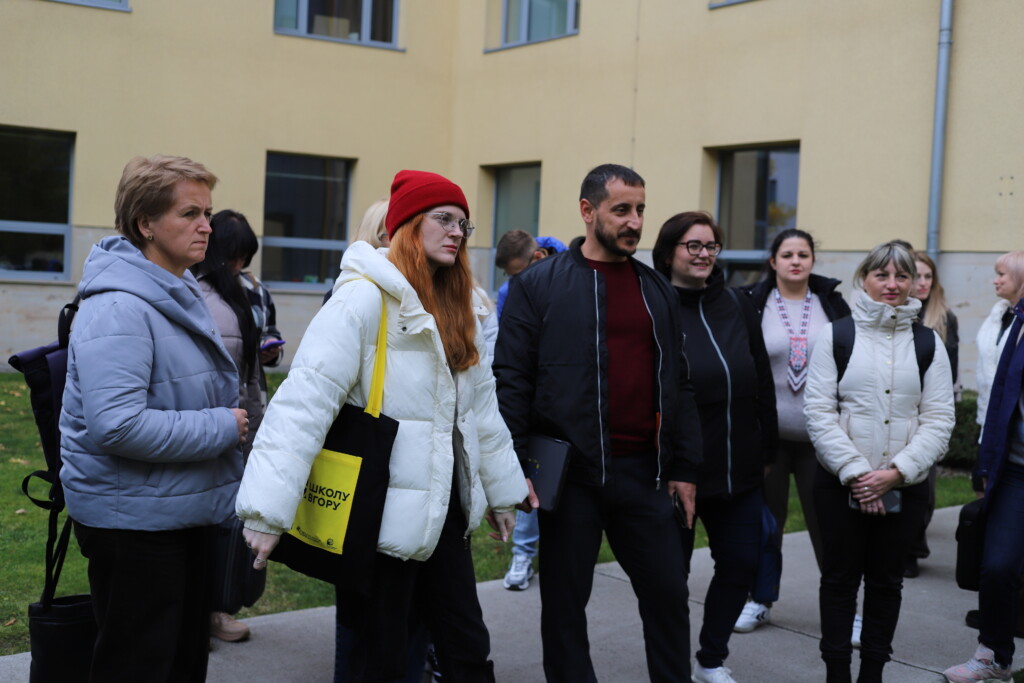
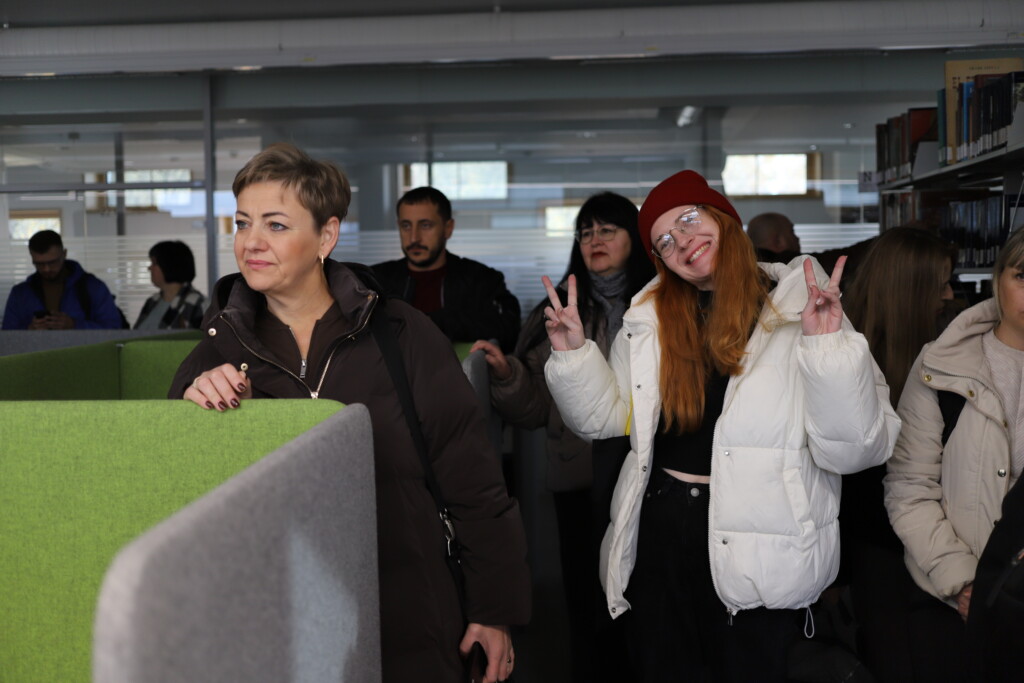
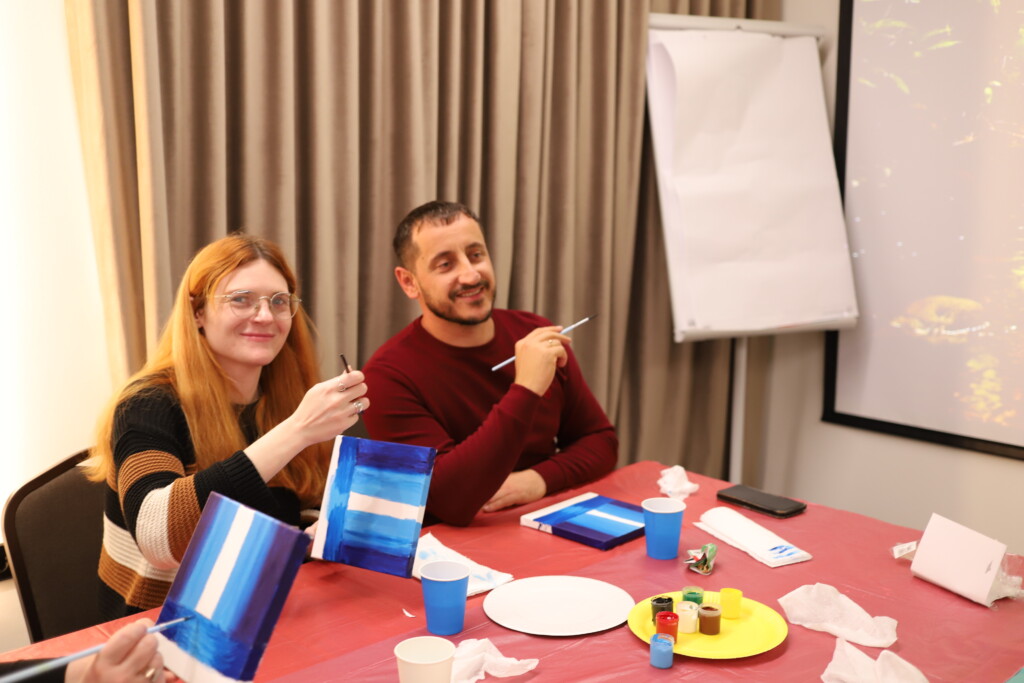
Tetiana Cherepanova, a teacher of Ukrainian language, Ukrainian literature, and world literature, joined a five-day digital competencies training organized by the East SOS Charity Foundation with a clear objective: to strengthen her knowledge of cybersecurity and data protection for students scattered across the world by the war. However, the training offered much more than she expected. Alongside practical digital skills, Tetiana discovered the real potential of artificial intelligence – a tool she had previously approached with caution and skepticism.
“When GPT first appeared and all my students were talking about it, I wasn’t sure how to use it. It felt like someone else’s work, not really ‘mine.’ For a long time, I consciously avoided it,” Tetiana recalls.
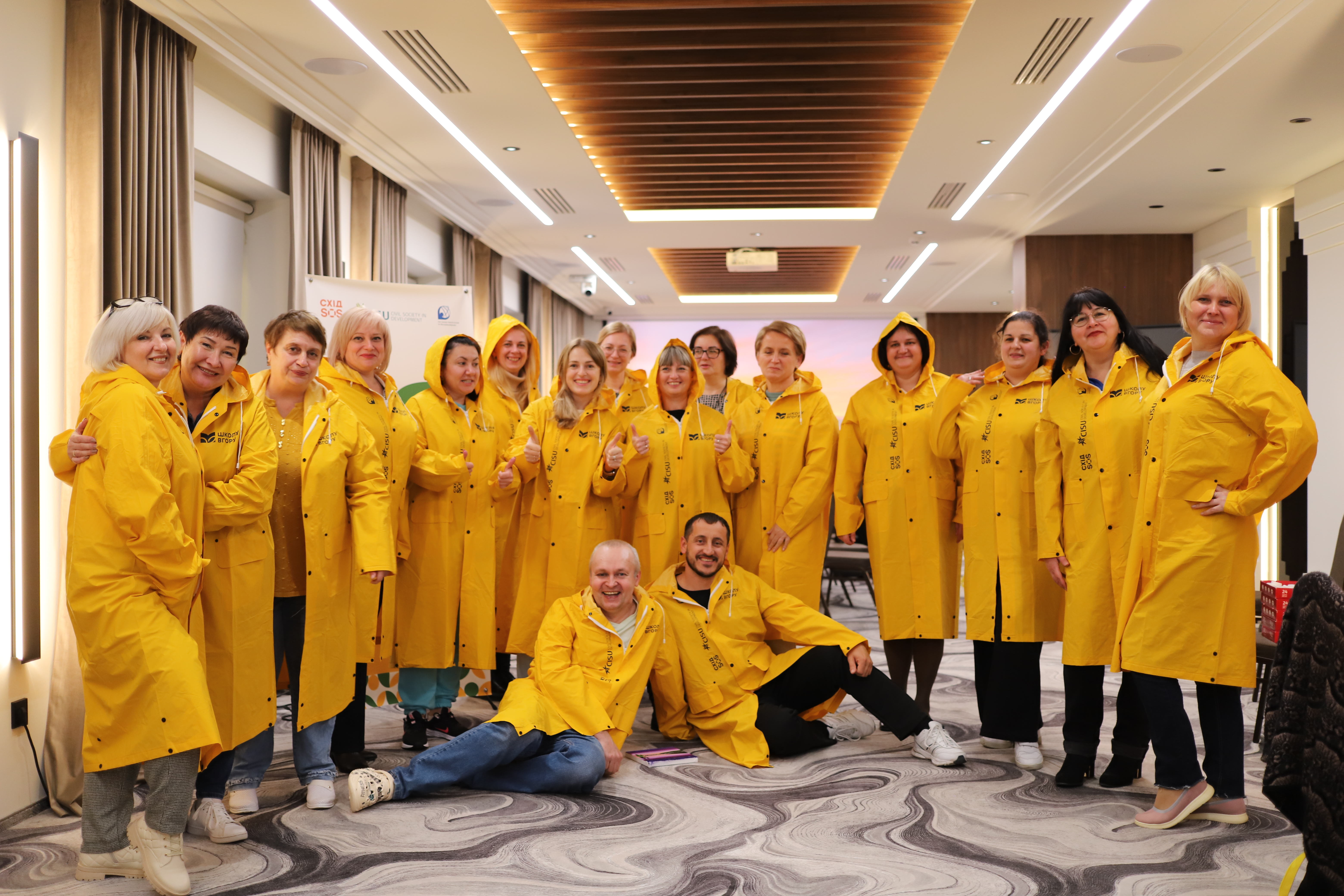
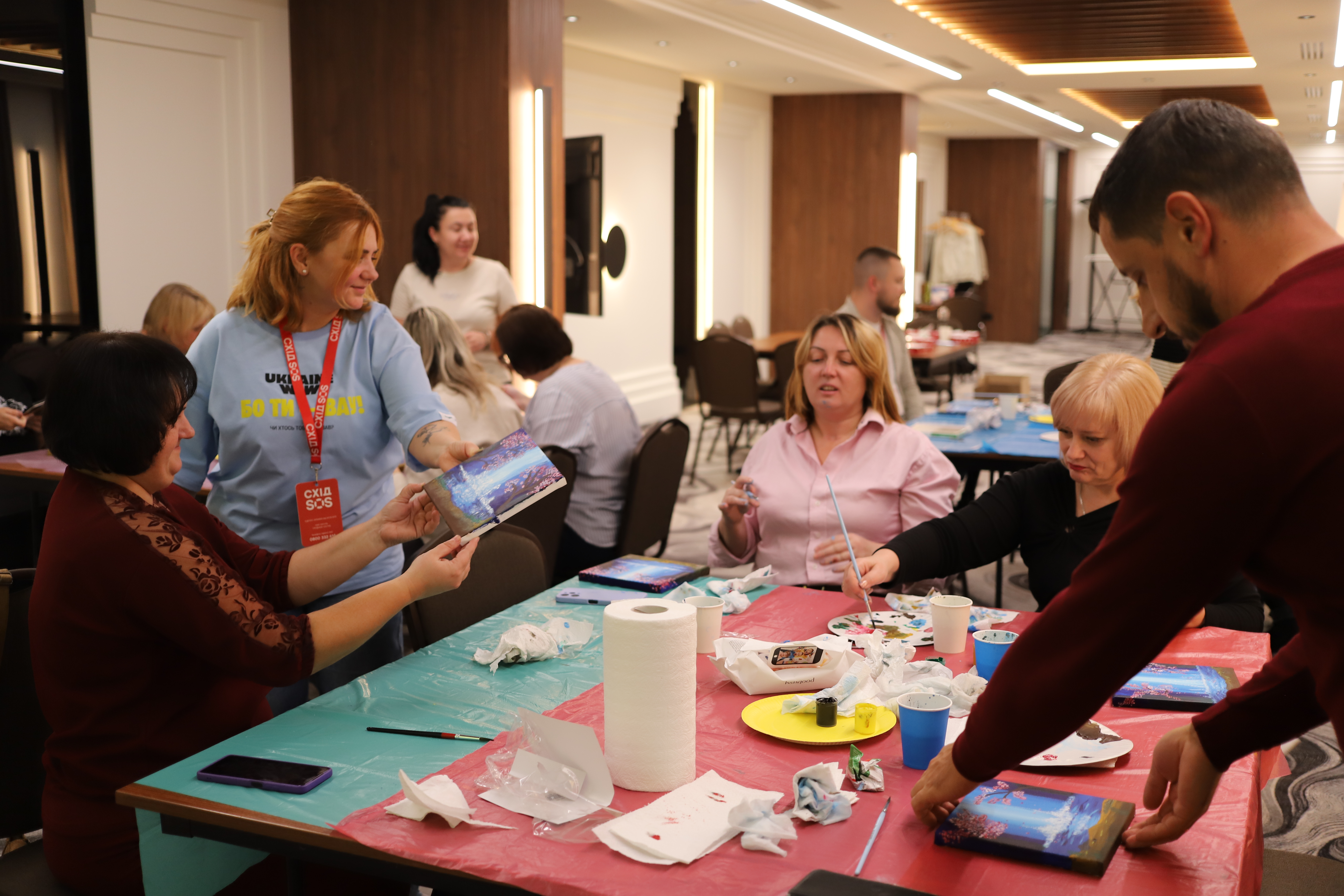
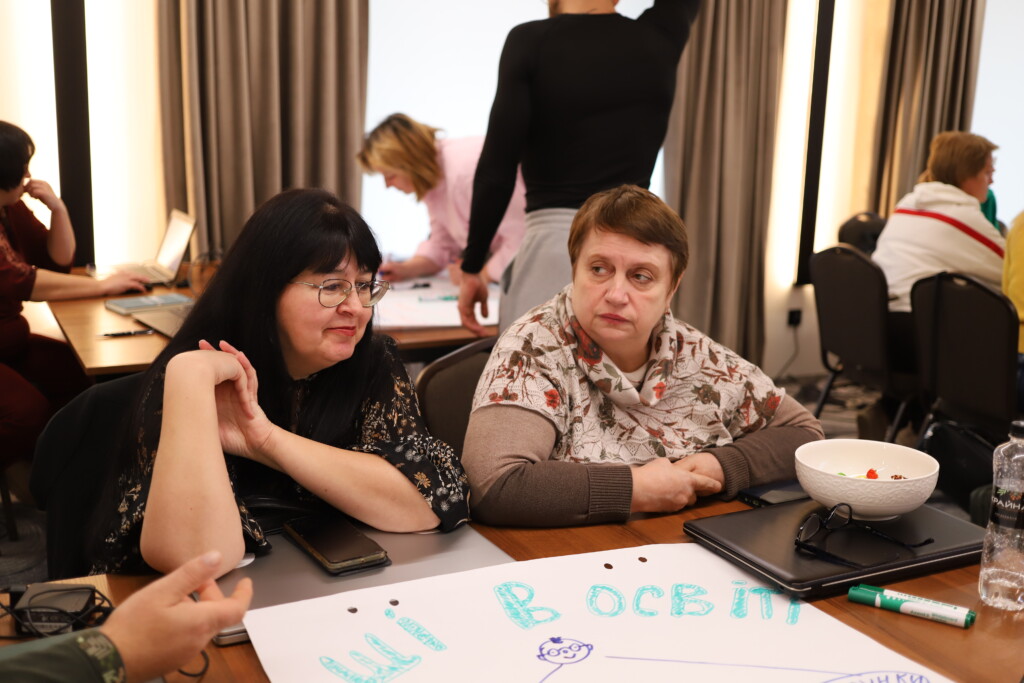
The training became a turning point. Together with 24 colleagues from relocated schools, she mastered tools for image animation, presentation creation, and online whiteboards for interactive learning. One of the most significant discoveries for educators was learning to work with AI tools that generate high-quality videos and images, as well as understanding the principles of crafting effective prompts.
“I’ve become convinced that AI tools cannot replace people. In the hands of a teacher, they are an opportunity to save time and create high-quality visual materials that capture attention and make learning engaging,” Tetiana emphasizes.
Being up to date with modern technologies means not only keeping pace with the times, but also staying connected with students who were forced to leave their homes because of the war or remain in territories temporarily occupied by russia.
Tetiana began her teaching career in 2021 and never fully experienced the in-person classroom environment familiar to many of her colleagues. First, the COVID-19 pandemic disrupted traditional learning, and later, a wave of mass anonymous bomb threat reports targeting schools emerged on the eve of the full-scale invasion. For Tetiana, building connections with students online became a way to remain together despite fear, distance, and uncertainty. Over time, this connection gained a deeply personal dimension through her own experience of living under occupation.
“We lived in temporarily occupied Berdiansk for a month and a half, constantly afraid that they would come for me because I am a teacher. We were warned immediately that schools would be encouraged to cooperate [with the occupiers]. We decided that this would never happen in our lives,” Tetiana recalls.
She and her husband lived under russian occupation from February 27 to April 15, 2022. Tetiana taught Ukrainian language and literature, and her husband worked as a history teacher, so the family planned their departure early on, realizing that cooperation with the occupiers was impossible and that pressure on educators would only intensify over time.
Fear became a constant companion. Tetiana remembers sleeping fully dressed every night: “What if the russians come now and we are still in our pajamas?” This fear was not abstract. It was reinforced by real stories of colleagues who were detained, subjected to psychological pressure, and coerced into cooperation.
“I know of a colleague from another school – an elderly woman – who was detained in a so-called ‘basement’ for posting in Ukrainian on Facebook. She was later released because of her age. Colleagues who stayed told me that russians also came to our school, driving around and looking at our flag with suspicion. Our gymnasium, Leader, was the last school in Berdiansk to take down the Ukrainian flag,” recalls Tetiana Cherepanova.
When the opportunity finally arose, Tetiana and her husband managed to evacuate from Berdiansk with only their backpacks and their dog.
Today, Tetiana continues doing what she loves most – teaching. At the relocated Berdiansk Gymnasium Leader, which has resumed its work online, she teaches core subjects and also leads an additional course, “Drama and Theater,” for students in grades 5–8.
The teacher believes that distance learning has clear advantages for older students, especially amid constant anxiety and instability.
“Distance learning is the best option for high school students in the current environment because it ensures uninterrupted access to education. One of my students moved to Spain because of the war. She completed a mandatory course there and is now catching up with her classmates in a Ukrainian school, preparing for the NMT, and planning to return to Ukraine to enroll in a university,” Tetiana says.
At the same time, distance learning remains a challenge for younger students due to limited opportunities for socialization. Tetiana admits that, having never studied online herself, she sometimes finds it difficult to fully understand the needs of the new generation.
“Quality lessons can be taught online, but I understand how much children miss school events, planning activities together, and simply having fun during breaks. That’s why we try to keep our school life as vibrant as it was before the full-scale war. We launched the project ‘Berdiansk Residents for Berdiansk Residents,’ which introduces students to well-known military officers, volunteers, journalists, and media professionals from our city. Among other things, they talk to children about recognizing disinformation,” Tetiana explains.
These extracurricular activities help bring students and teachers closer together, restoring a sense of belonging and community despite the distance. Tetiana dreams of returning to Berdiansk. She says she would even agree to relocate temporarily to Zaporizhzhia if it meant reopening at least a few in-person classes and being able to see her students face-to-face.
“I wish there were an opportunity to open at least a couple of classes in our school. I want to live in my hometown, contribute to the community’s development, and grow professionally as an educator. My ultimate dream is to leave things better than they were before me,” she says.
Tetiana Pytko: Life After Occupation in the Kherson Region and a New Impetus for Work
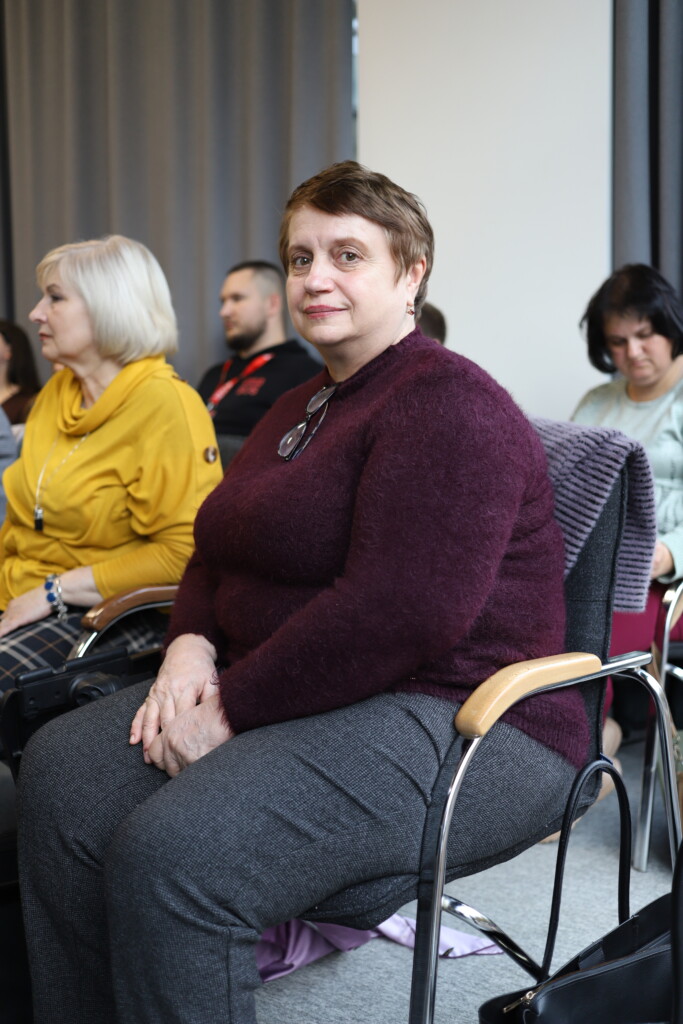
Tetiana has devoted 33 years of her life to music and teaching at a small school in the Kakhovka district of the Kherson region. For the past three years, due to the war and the temporary occupation of her native village, the educational process there has almost completely come to a halt, and her opportunity to work with children has nearly disappeared.
The trauma of those years remains deeply felt. Tetiana was able to leave the temporarily occupied territory and reunite with her family in the government-controlled areas of Ukraine only in February 2025.
The decision to relocate was not easy, but she found crucial support from her daughter.
“My daughter is a psychologist and could see how difficult it was for me to adapt. She encouraged me to apply for a digital technology course and even helped me write a motivation letter,” Tetiana recalls.
Her family left the village in the spring of 2022, hoping the separation would be temporary. Tetiana and her husband stayed behind to “guard the house.” They managed to leave the russian-occupied territory only after her husband was able to sell what remained of their property.
“We sold one of the trucks that survived. The other two were shot, and another was taken by the occupiers. Despite everything, it is easier to breathe here, in the territory controlled by Ukraine – even with the shelling and air raid alerts,” she says.
Before her forced displacement, Tetiana worked at a small rural school with fewer than 200 students. She jokingly refers to herself as a “universal soldier,” as she taught four subjects at once: music (including the art and aesthetic cycle), art, ethics, and foreign literature. Organizing school celebrations and events was always a special passion for her.
Tetiana has a clear pedagogical credo:
“I believe that a teacher should not only impart knowledge, but also teach children to think critically, find their place in life, and form their own opinions.”
Unfortunately, the school where Tetiana worked is no longer operating due to a lack of students – most children were transferred to schools in the administrative center of the community. Because of health issues and the need to renew her disability documentation, Tetiana has temporarily postponed an active job search.
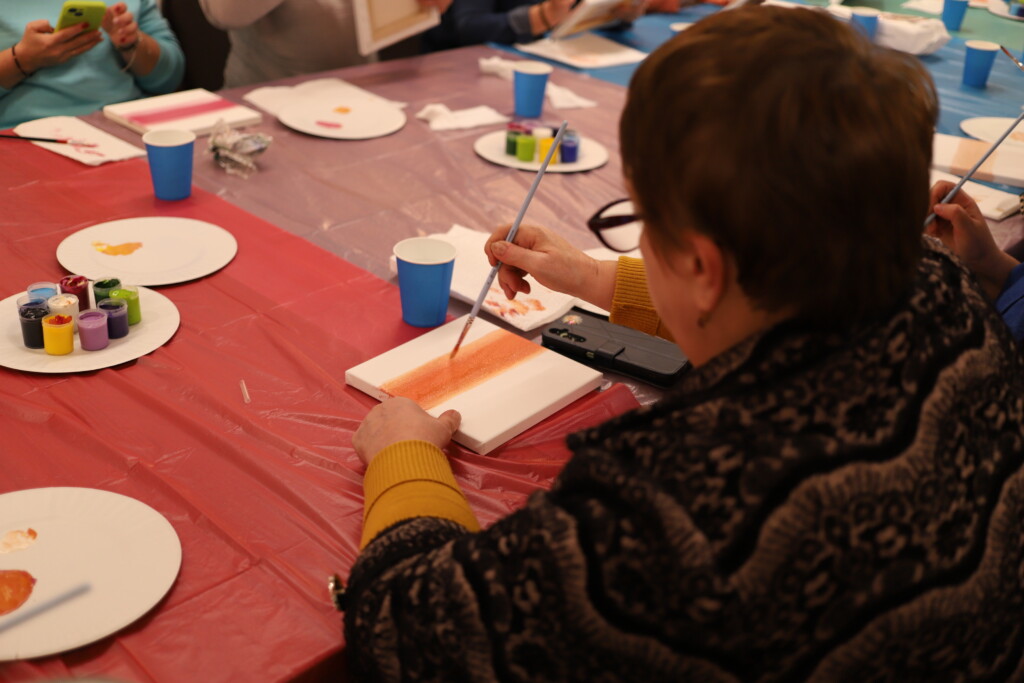
For her, the digital competencies training became far more than a professional refresher. It turned into a source of psychological support and a powerful motivation to return to professional life.
“I met colleagues who had already mastered online learning much better than I had. For me, it felt like real professional development – gaining new technological knowledge,” Tetiana shares. “I was very worried that I would be, as my son says, a ‘punching bag’. But during the training, I kept telling myself: ‘No, I still understand, I still know what I can do.’ During the three years of occupation, I barely left the house – I became withdrawn. And here, there is a strong learning format and, most importantly, a tolerant and humane attitude toward people.”
At 56, having endured occupation and a difficult relocation, Tetiana feels a renewed surge of energy and determination.
“I don’t want to sink into despair because I’ve lost so much. I want to keep working, and I need support. For me, this training became an impulse to look for a new path,” the teacher says.
The training for educators was organized by East SOS as part of the project “School Up: Strengthening the Capacity of Frontline and Displaced Schools in Ukraine”, implemented in cooperation with the Danish Helsinki Committee and with the support of CISU.