Over 36,000 Calls to the East SOS Call Center in Six Months of 2025
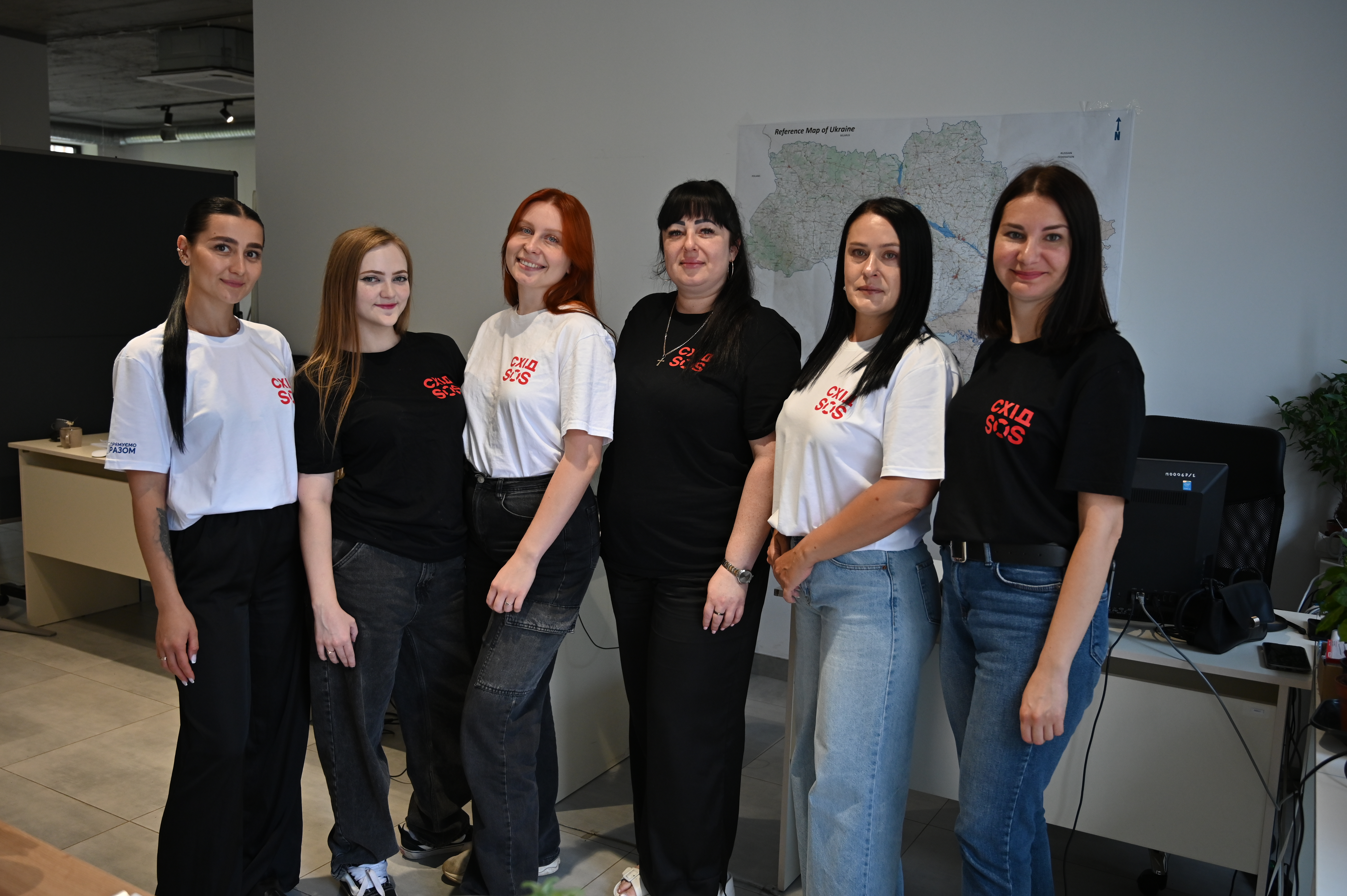
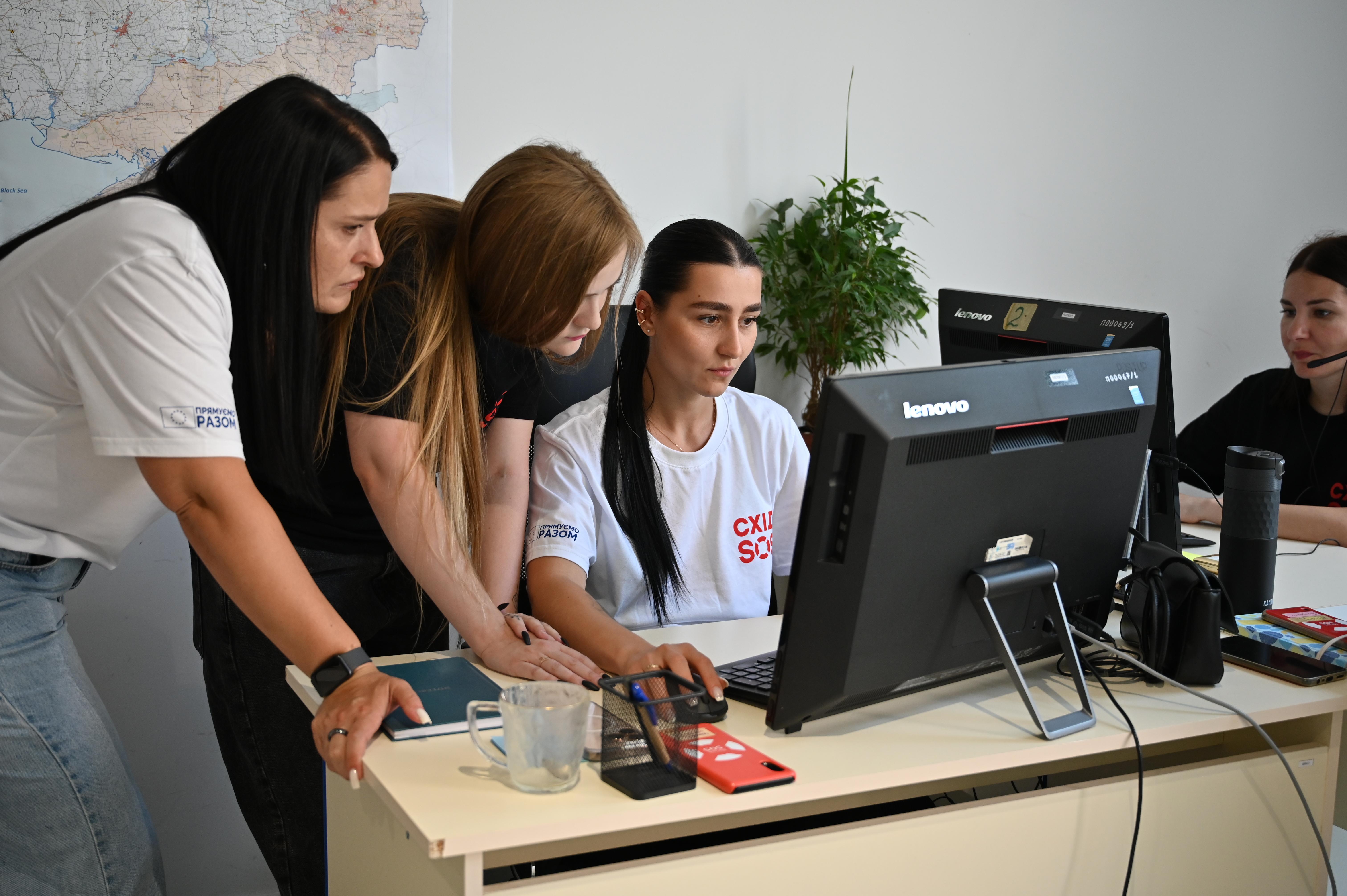
From May to October 2025, East SOS call center operators handled 36,404 calls.
Many of these calls came immediately after enemy shelling – shaken voices asking for help evacuating older adults, people with disabilities, families with children, and people fleeing with their pets from frontline communities. Each appeal carried fear, hope, and an urgent need for support from our specialists.
Maryna Lemeshko, a call center operator, recalls one evacuation request from the Donetsk region. A man from Kharkiv contacted East SOS about his 86-year-old relative who was unable to move independently. The woman had suffered a shrapnel wound to the head during shelling in Kostiantynivka. East SOS promptly coordinated the evacuation with the White Angel police unit. The crew evacuated the woman and her daughter to a designated point along the route, where our team met them and continued the evacuation. The injured woman will receive medical care and, if necessary, temporary accommodation at a social adaptation center in Dnipro.
“Fortunately, the family managed to escape danger. But very often, we receive evacuation requests after tragic events, when access to frontline areas becomes extremely difficult due to intense shelling,” Maryna emphasizes. “We urge people not to delay evacuation and not to risk their lives, health, or the safety of evacuation crews.”
Most Common Requests to the East SOS Call Center During 6 Months
50% – Evacuation from the frontline
The majority of calls concerned the evacuation of civilians by East SOS teams from the Dnipropetrovsk, Donetsk, Kherson, and Kharkiv regions. Requests were often submitted from settlements inaccessible without armored vehicles. In such cases, information was transferred to the White Angel police unit, which carried out evacuations to designated points along the route, where evacuees were then received by East SOS crews for further transportation and assistance.
10% – Search for resettlement
The second most common request involved assistance with finding accommodation for evacuees with limited mobility. Many people evacuated independently but later realized they could not live on their own due to age or health conditions and required constant care. We also received calls from families who initially assisted with evacuation but later found themselves unable to provide long-term care and support.
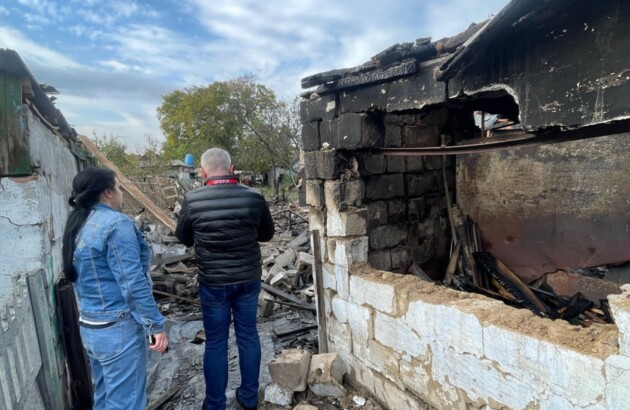
10% – Repair of damaged housing
These requests related to the restoration of homes in the Donetsk and Kharkiv regions. People sought assistance with repairing roofs, windows, doors, and other essential elements in order to return home or make their shell-damaged houses livable again.
5% – Volunteering requests
These calls reflected people’s willingness to help. We received inquiries from across Ukraine and even from abroad. Some callers expressed a desire to join evacuation missions, while others wanted to support evacuees at transit centers. The willingness to act and stand in solidarity unites people, even at a distance.
5% – Search for missing relatives
Most often, these calls came from relatives of people living in frontline areas where communication has been disrupted by shelling. Callers sought information about the fate of their loved ones. If East SOS teams are able to access the relevant settlements, operators pass on these requests and ask crews to verify specific addresses. However, such visits are only possible when security conditions allow, and it is not always feasible to establish contact or locate a person.
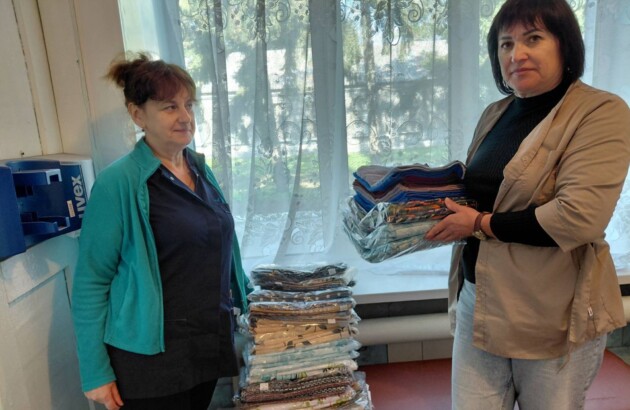
15% – Humanitarian aid
Callers requested information on where to obtain food and hygiene kits. In response, call center operators provide guidance on organizations operating in the caller’s district or region that can offer the necessary humanitarian assistance.
5% – Legal support
These inquiries concerned difficulties with obtaining compensation for destroyed or damaged housing under the eRecovery program, entering information into the Unified State Register of Real Property Rights, and applying the Procedure for Providing Assistance to Resolve Housing Issues for Certain Categories of Internally Displaced Persons from Temporarily Occupied Territories. Additional requests related to pension payments, benefit appointments, and access to social assistance.
The East SOS call center is not only a support hotline, but also a channel for direct feedback from people affected by the war. We receive calls about resettlement conditions and difficulties encountered during evacuation. Call center operators are also involved in monitoring the quality of services provided by East SOS specialists.
Among the thousands of calls we receive, the voices of those who managed to escape danger are especially memorable.
“When our teams evacuate people from under fire, away from explosions, those who were rescued often tell us how they decided to call the call center. Fear, doubt, anxiety – ‘What if no one comes?’ At the same time, people express deep gratitude to the team for answering the call, helping them stay focused, supporting them emotionally, and explaining how to prepare for evacuation. In moments like these, you truly realize that the voice of the operator is often the only thing keeping a person from panic,” – Yevheniia Tkachuk, Call Center Coordinator.
You can contact the East SOS Call Center, Monday–Saturday, 8:00 AM–6:00 PM at 0 800 332 614.
We also provide consultations via messengers:
• Viber: +38 (099) 710 48 72
• Telegram: +38 (096) 108 60 48
The call center operates as part of the project “Support for War-Affected Vulnerable Groups and Residents of Remote Areas of Ukraine”, implemented with the financial support of the European Union.
Read more about the calls to the East SOS Call Center during the first four months of 2025.