Knowledge That Helps Stay Calm in a Crisis: The Story of an EAST SOS Evacuation Specialist
12 September marks World First Aid Day. In the first minutes after an emergency situation, often it is not a medical professional by the victim’s side, but a passerby, colleague, or loved one. Taking the right steps before the ambulance arrives can reduce the consequences of injuries and even save lives.
Every six months, the EAST SOS Charity Foundation team undergoes first aid training. For our specialists, these are essential skills, as they evacuate people from frontline areas, assist hromadas close to active hostilities, support people at transit centres and after russian attacks. In these situations, it is important to be able to assess a person’s condition and provide assistance before medical professionals arrive.
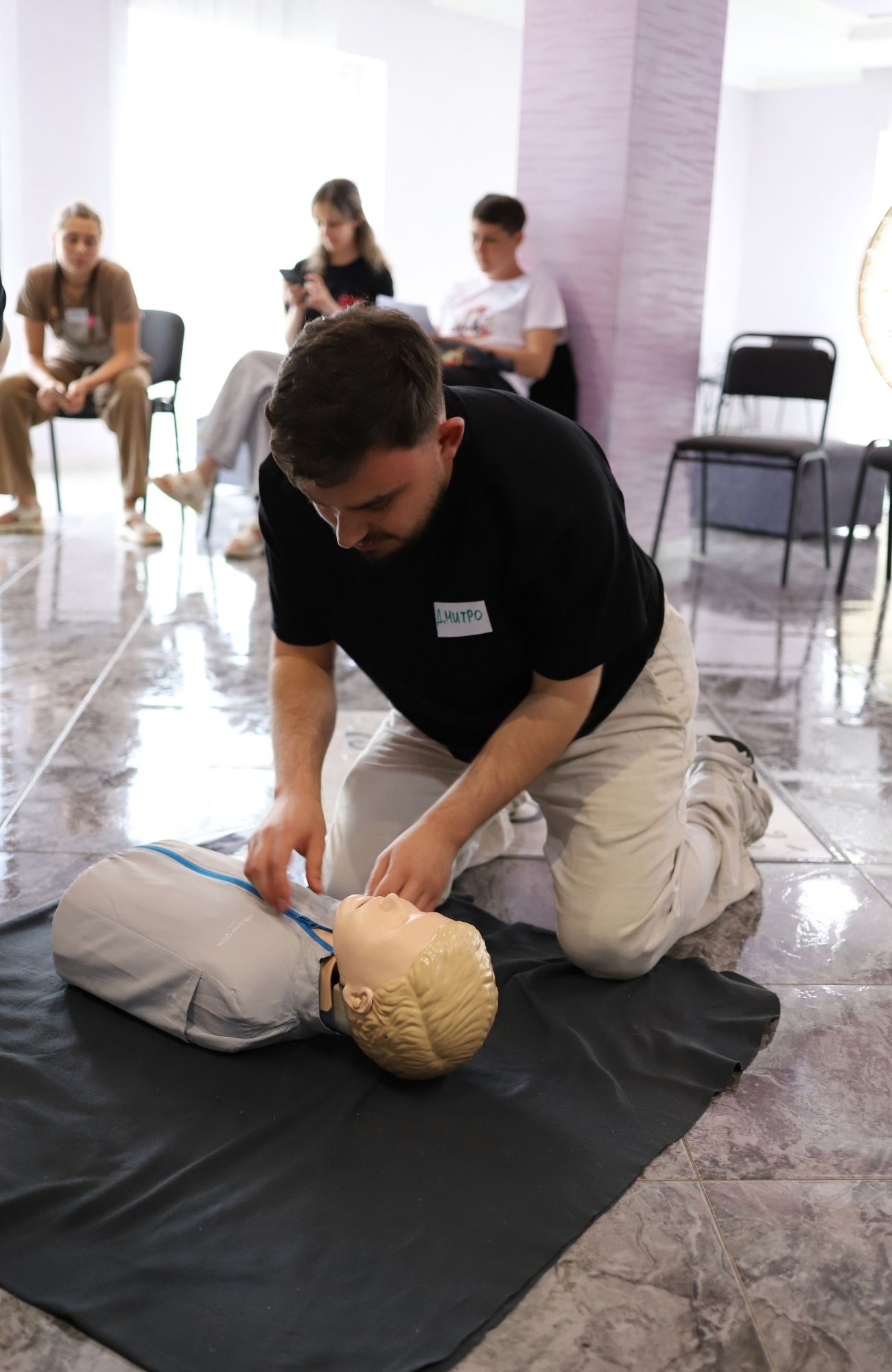
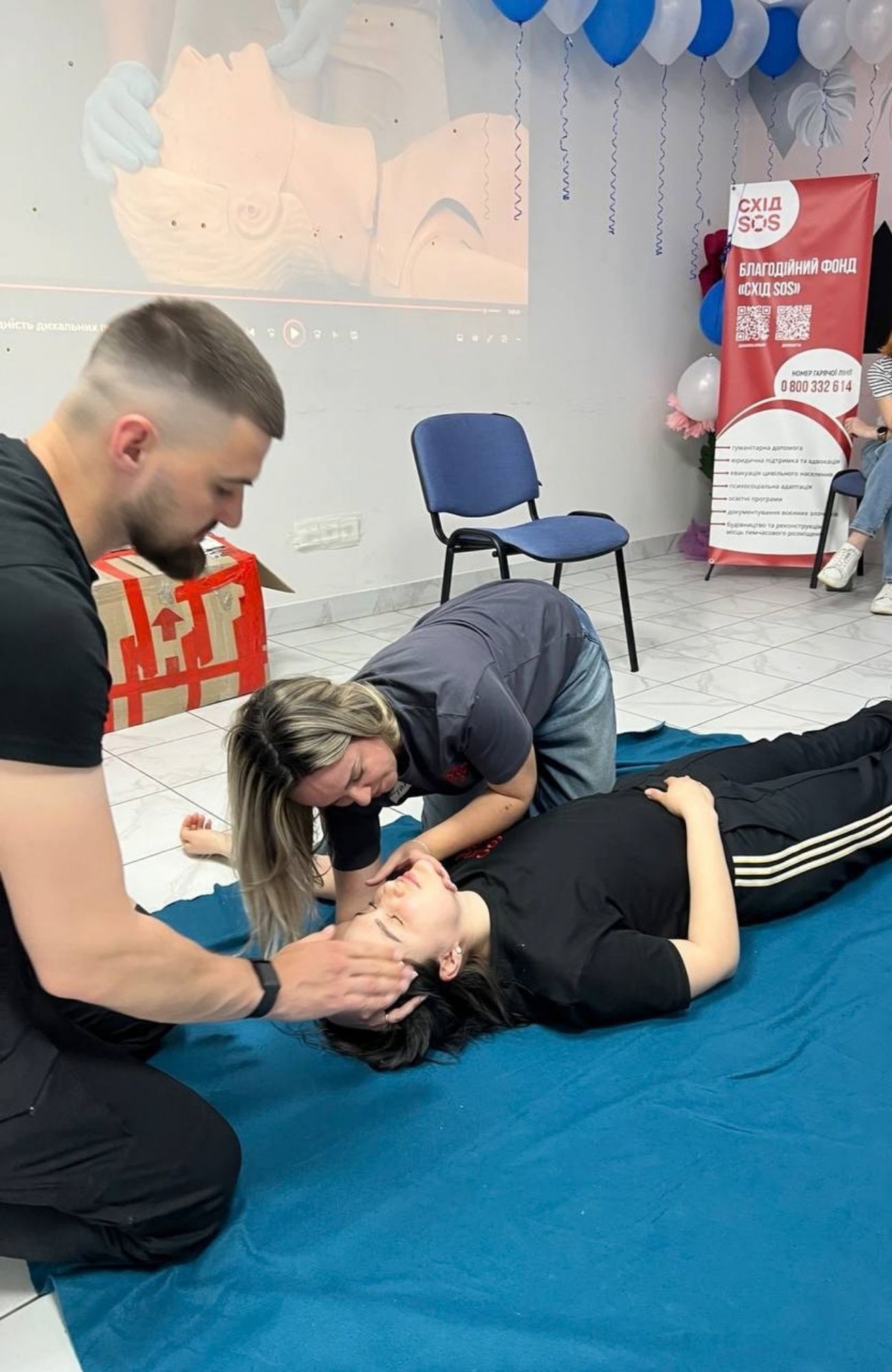
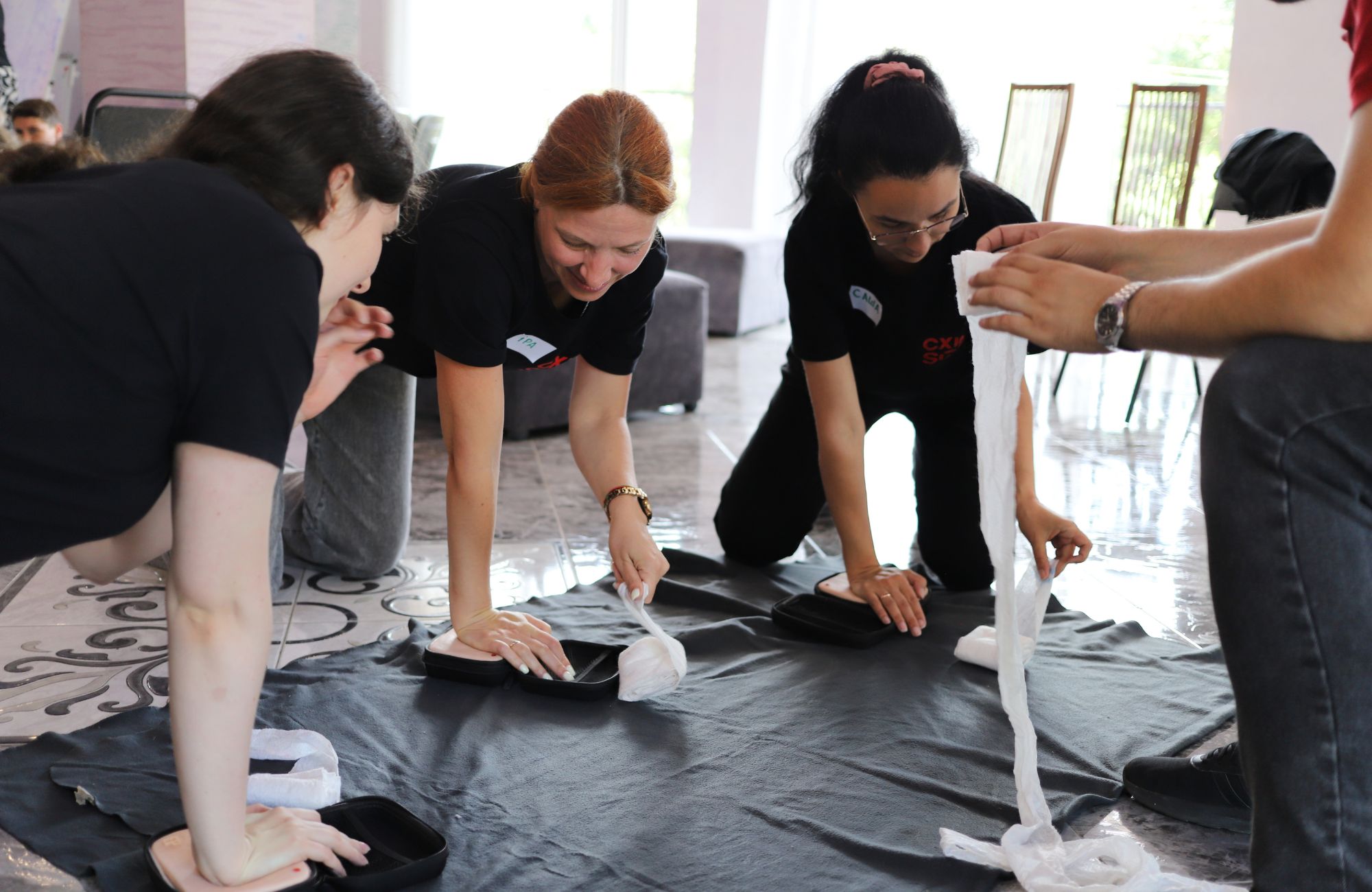
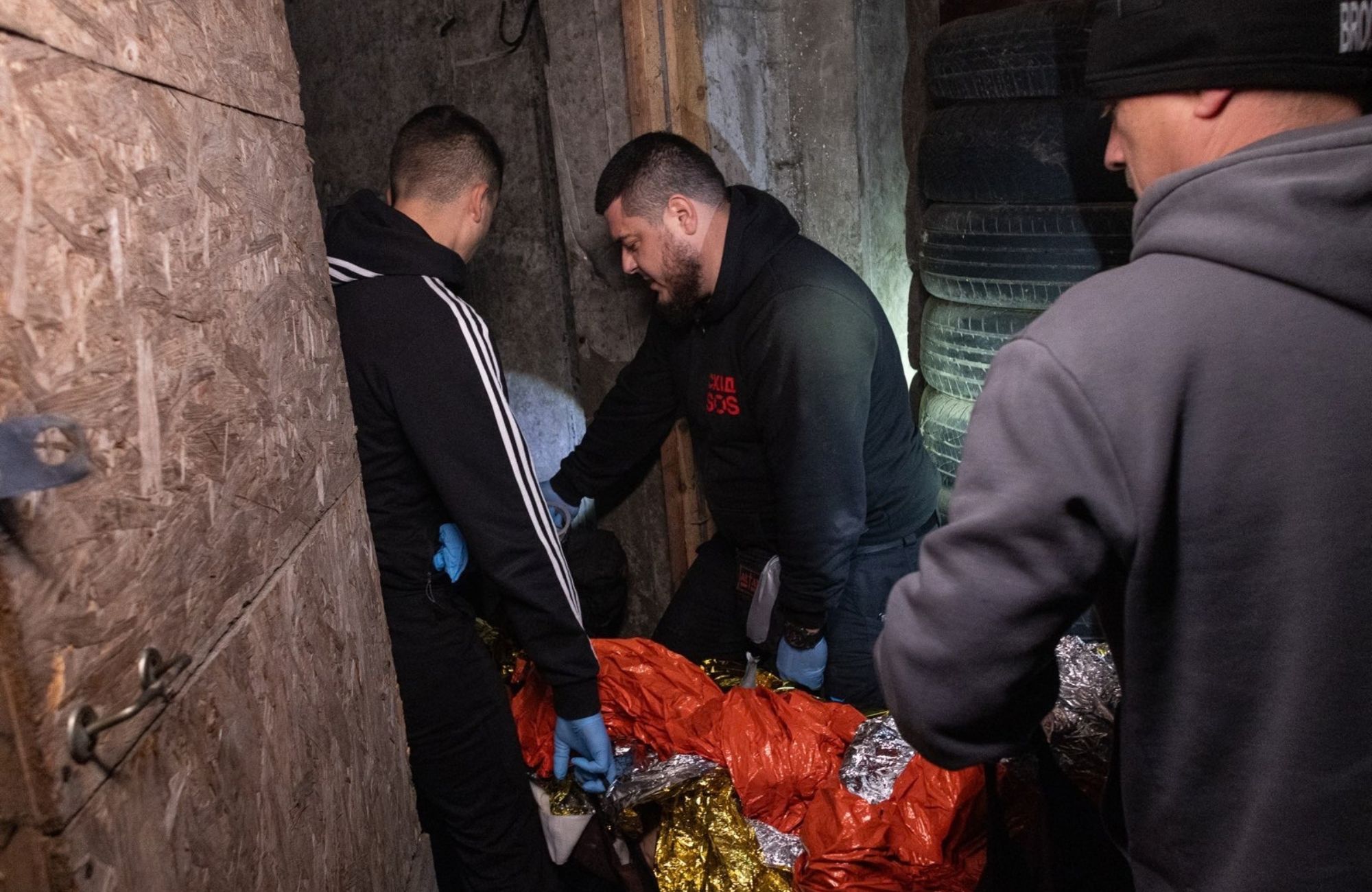
During trainings, the team learns how to stop severe bleeding, apply tourniquets, pack wounds, and perform cardiopulmonary resuscitation. A situation where this knowledge is needed can happen anywhere. This is exactly what happened to our Foundation’s evacuation specialist Roman Matsevko.
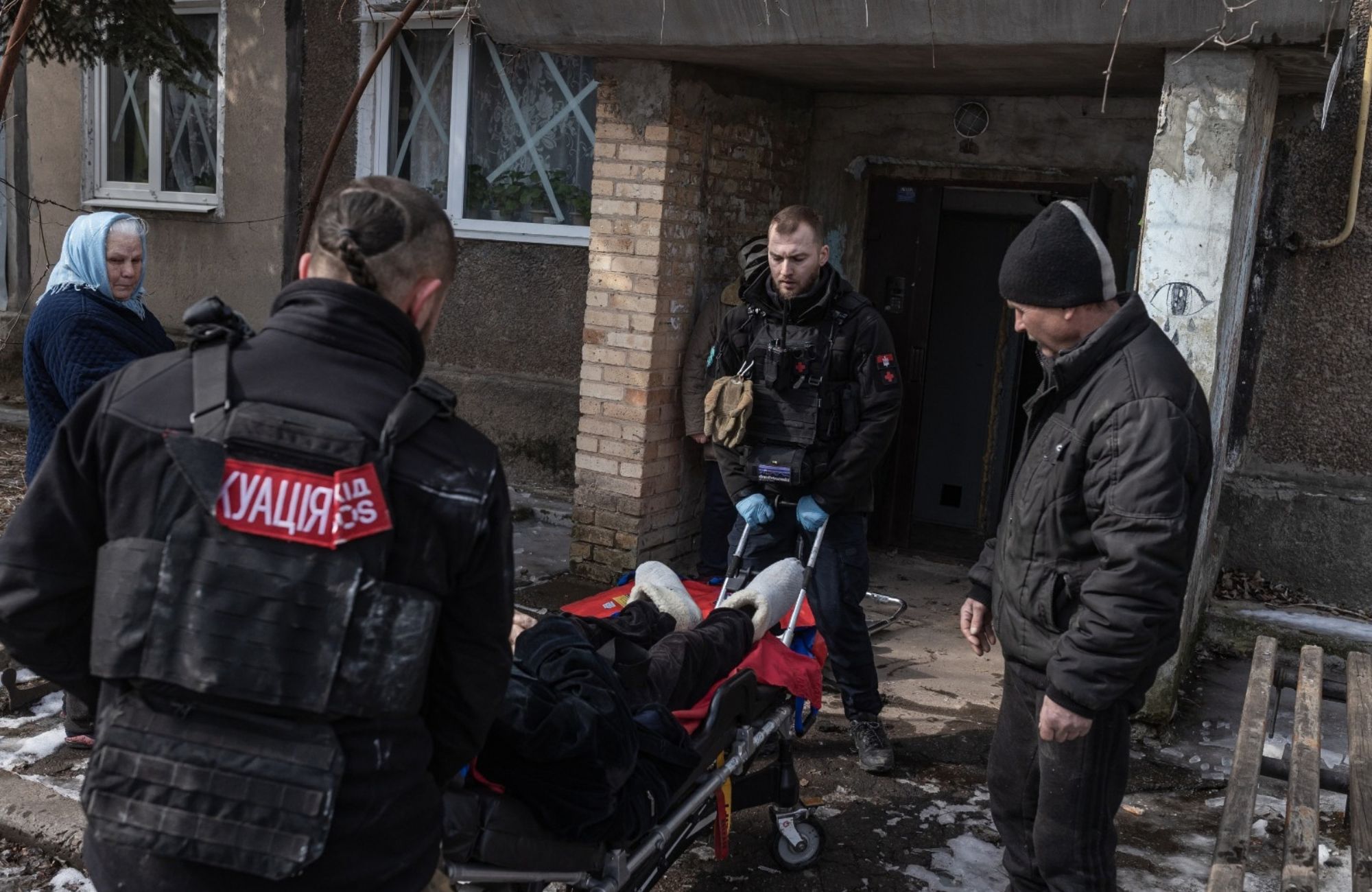
In autumn 2025, he was heading to the railway station to help people board an evacuation train when he saw the aftermath of a road accident.
“A crowd had gathered near two injured people. I stopped and asked whether help was needed. Hearing several anxious shouts in response, I realized I needed to act without delay. I grabbed a stretcher and a medical pack from the car and ran over to help.
One man was standing on his feet, covered in scrapes. The other was lying face down, his leg twisted at an unnatural angle and showing signs of bleeding. First, I checked whether he was conscious, whether he was breathing, whether there was massive bleeding or other injuries. After making sure there was no immediate threat to his life, began to carefully immobilize the injured leg with a splint.
Soon, an emergency medical team arrived. I helped transfer the injured person into the vehicle,” Roman shared.
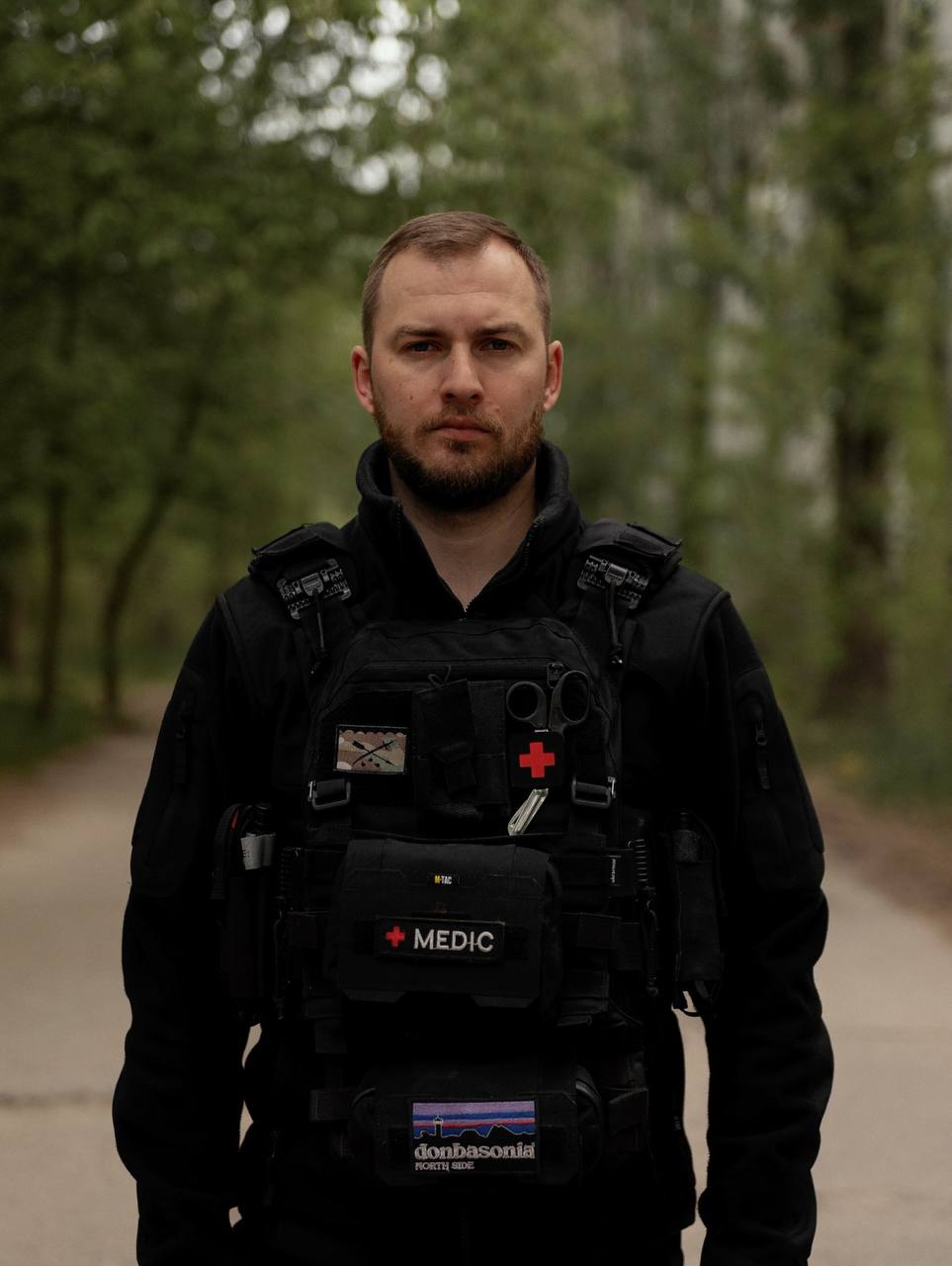
First aid is not only the ability to react quickly. It is about assessing the situation correctly, avoiding further harm, and supporting a person until professional medical help arrives. In wartime, support also goes beyond physical health. At the same time, in wartime, assistance is not limited to caring for physical health. After evacuation, a russian attack, or another crisis event, a person may feel disoriented, experience severe anxiety, or have an acute stress reaction.
That is why EAST SOS Charity Foundation specialists regularly strengthen their skills according to the challenges they face in their work. In addition to first aid, the team receives training in psychological first aid, personal safety in armed conflict situations, and learns how the nervous system responds to acute stress, while practicing stabilization and self-help techniques.
Such knowledge helps specialists communicate safely with people, take their condition into account, and provide the necessary psychological, social, and legal support, including during evacuation.