Know, Prepare, Act: East SOS Kyiv Team Completes First Aid Training
Timely first aid can save lives. Knowing how to provide it is essential at all times, especially during a full-scale war, with its daily threats to life and health.
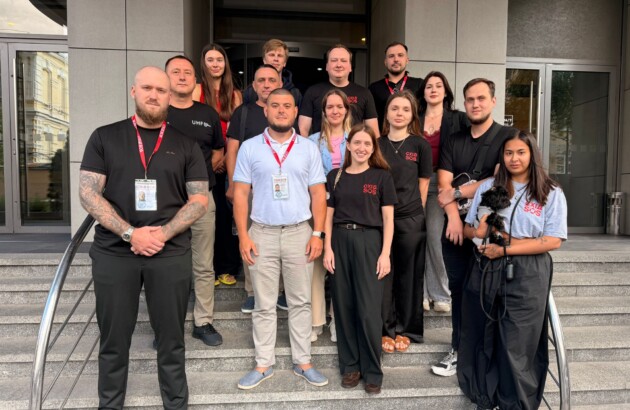
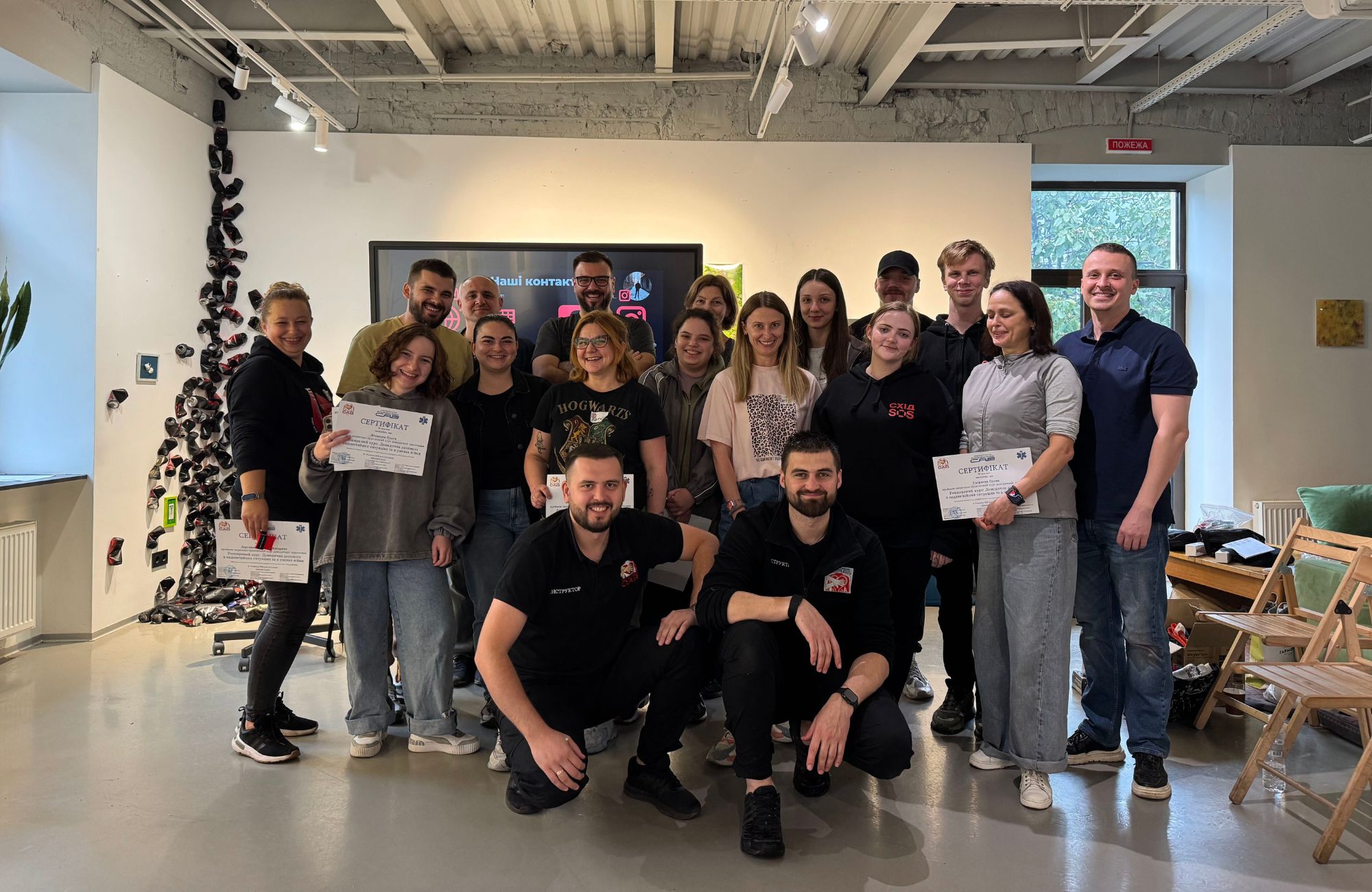
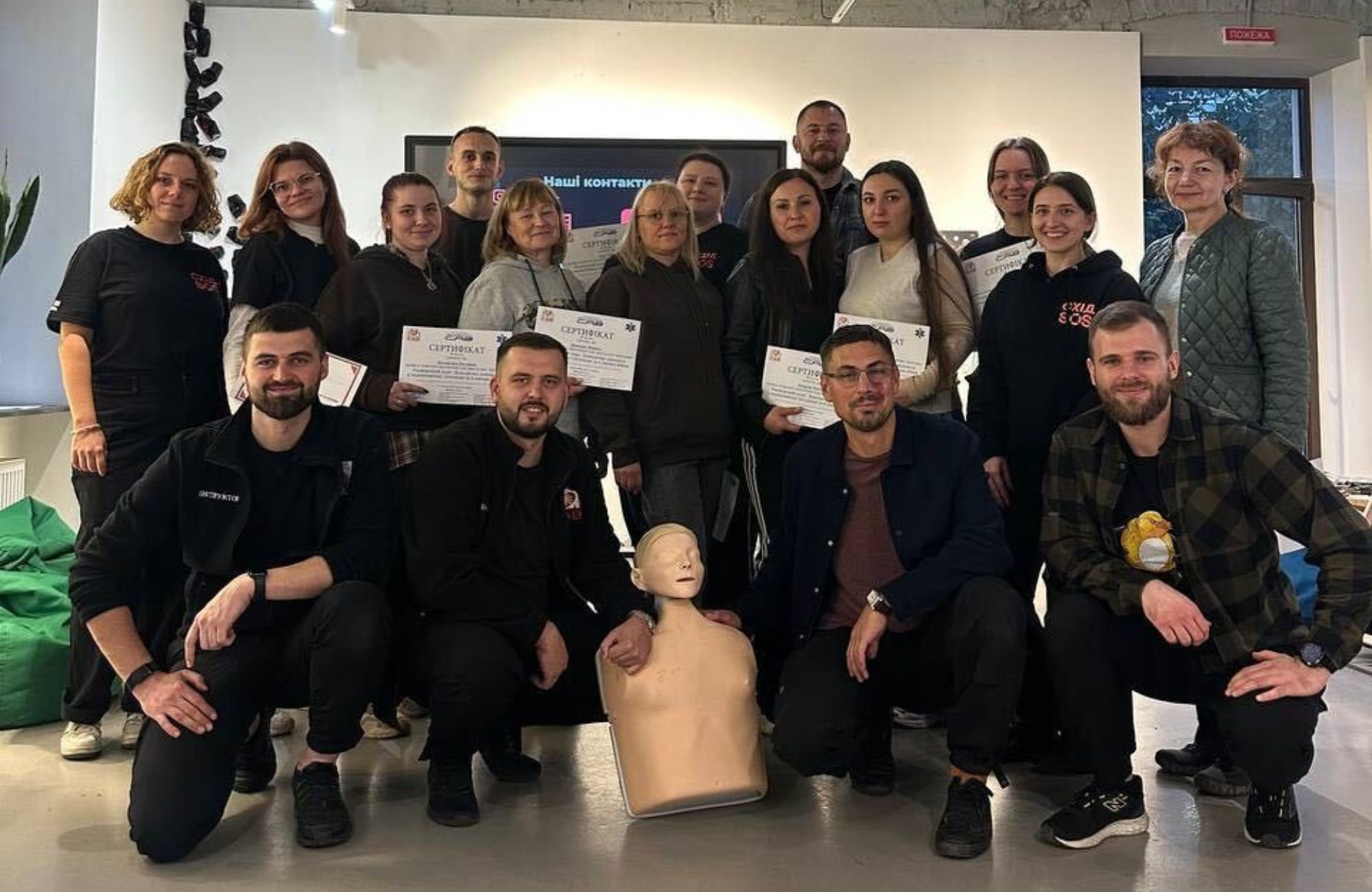
In early October, the East SOS Kyiv team took part in two two-day training sessions on providing first aid in emergencies and wartime conditions. The team members deepened their knowledge and honed their skills as part of the extended first aid course by CAB.
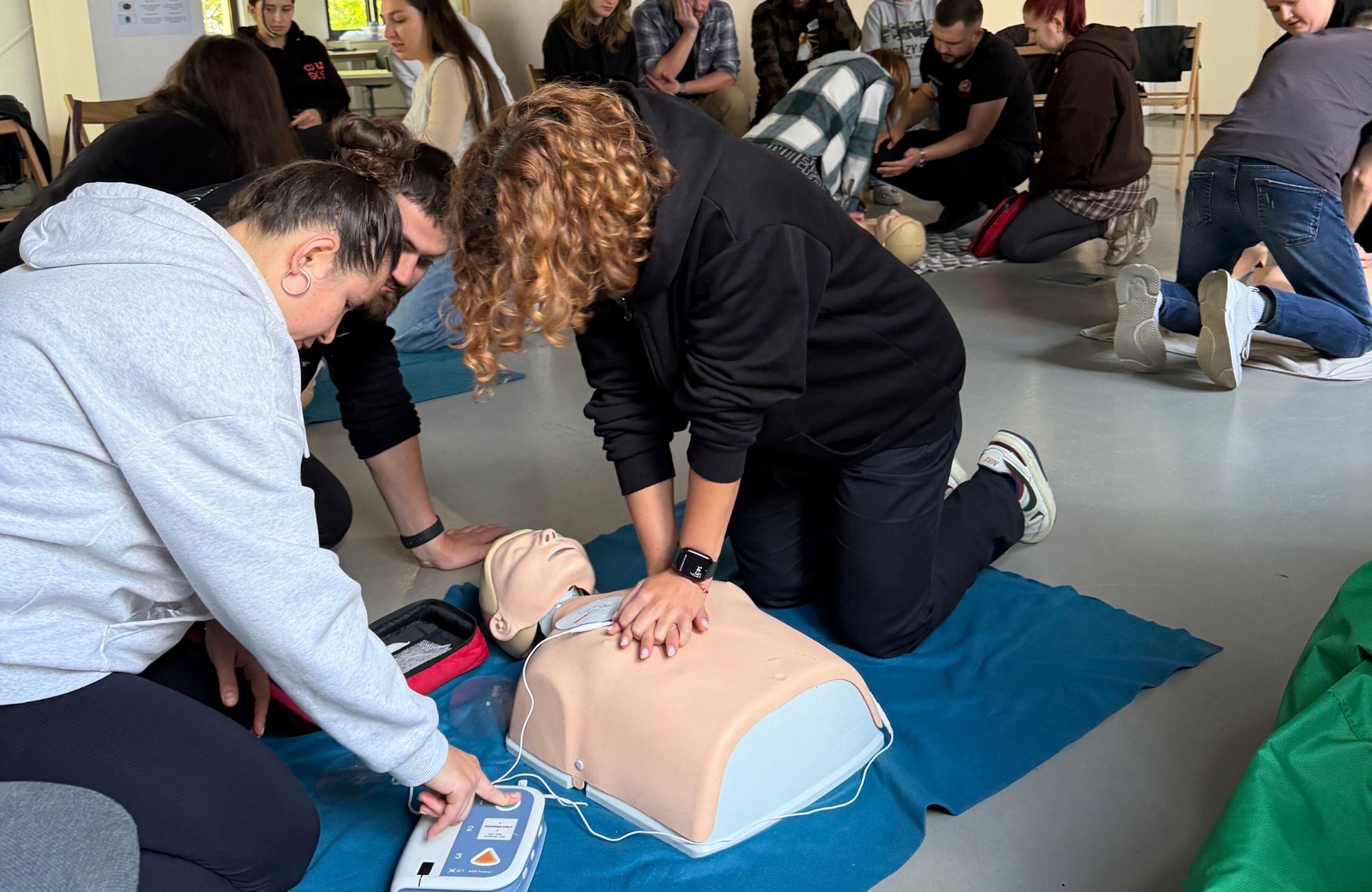
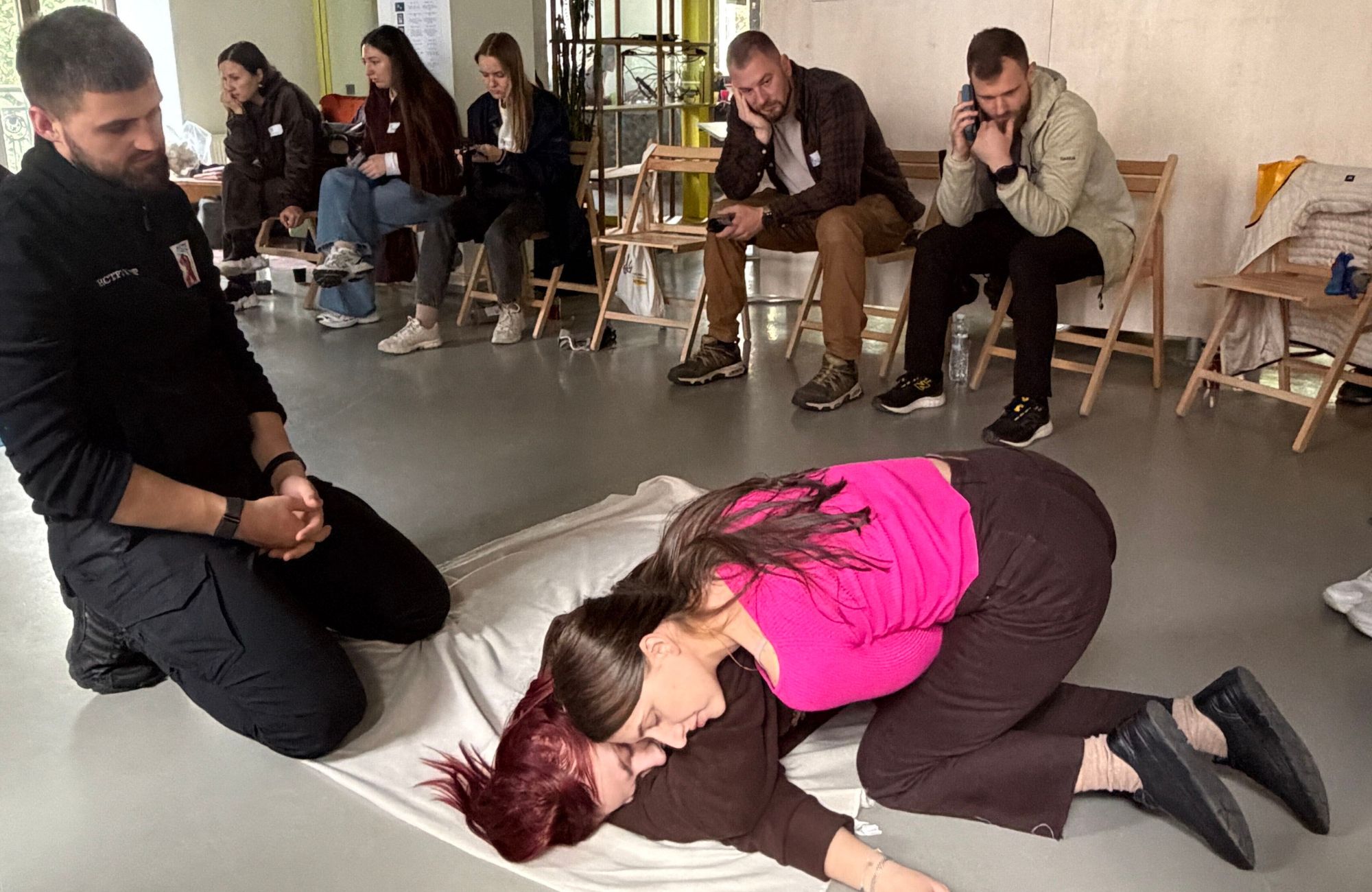
They learned to recognize life-threatening bleeding, apply tourniquets and pack wounds, perform cardiopulmonary resuscitation (CPR), and use AED. Participants also learned the steps to take in cases of loss of consciousness, burns, dislocations, fractures, seizures, and choking.
In addition, the team studied the international MARCH protocol and the principles of providing care in critical situations. They immediately put their newly acquired knowledge into practice, including through simulation exercises designed to replicate real-life conditions closely.
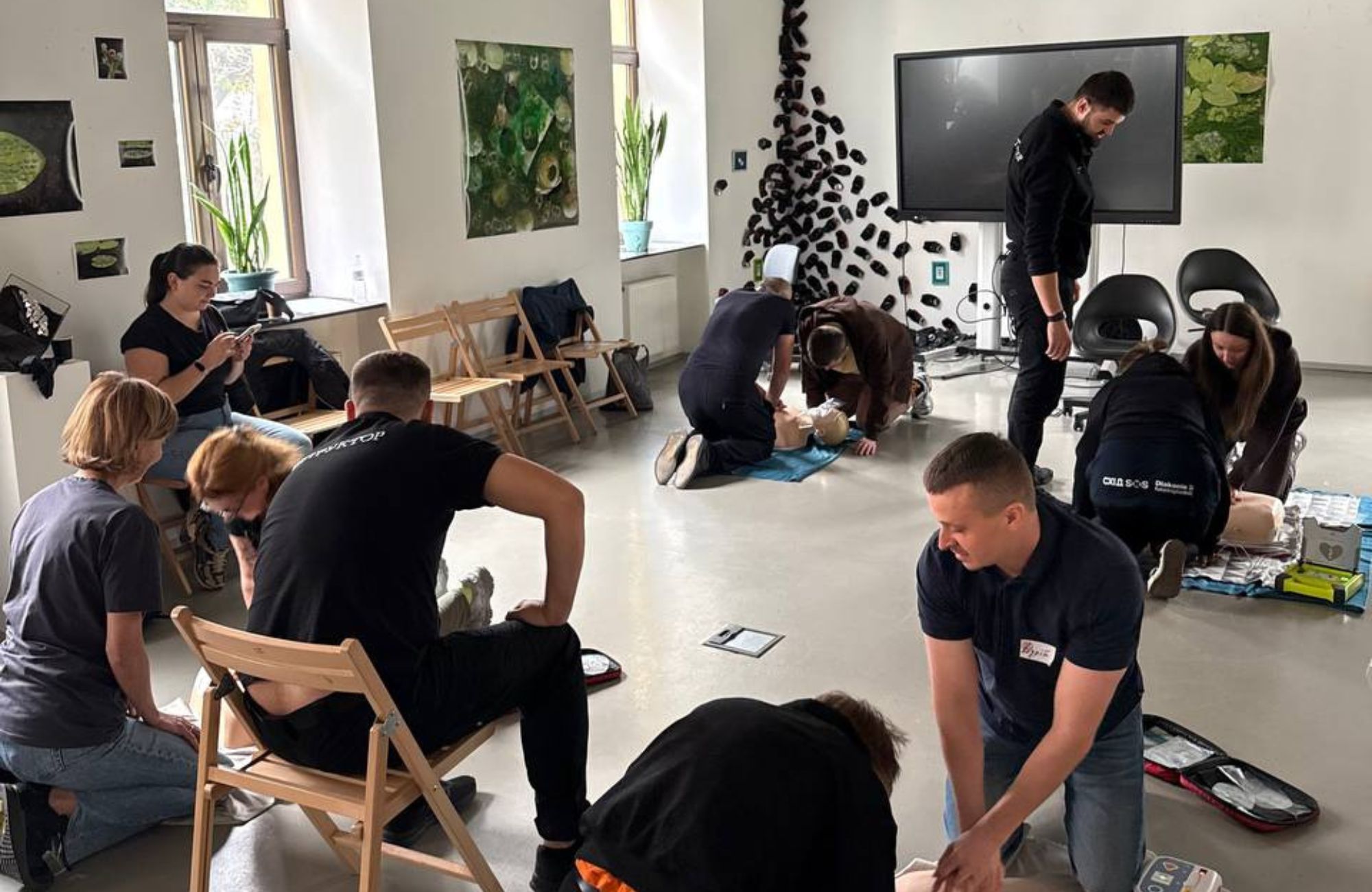
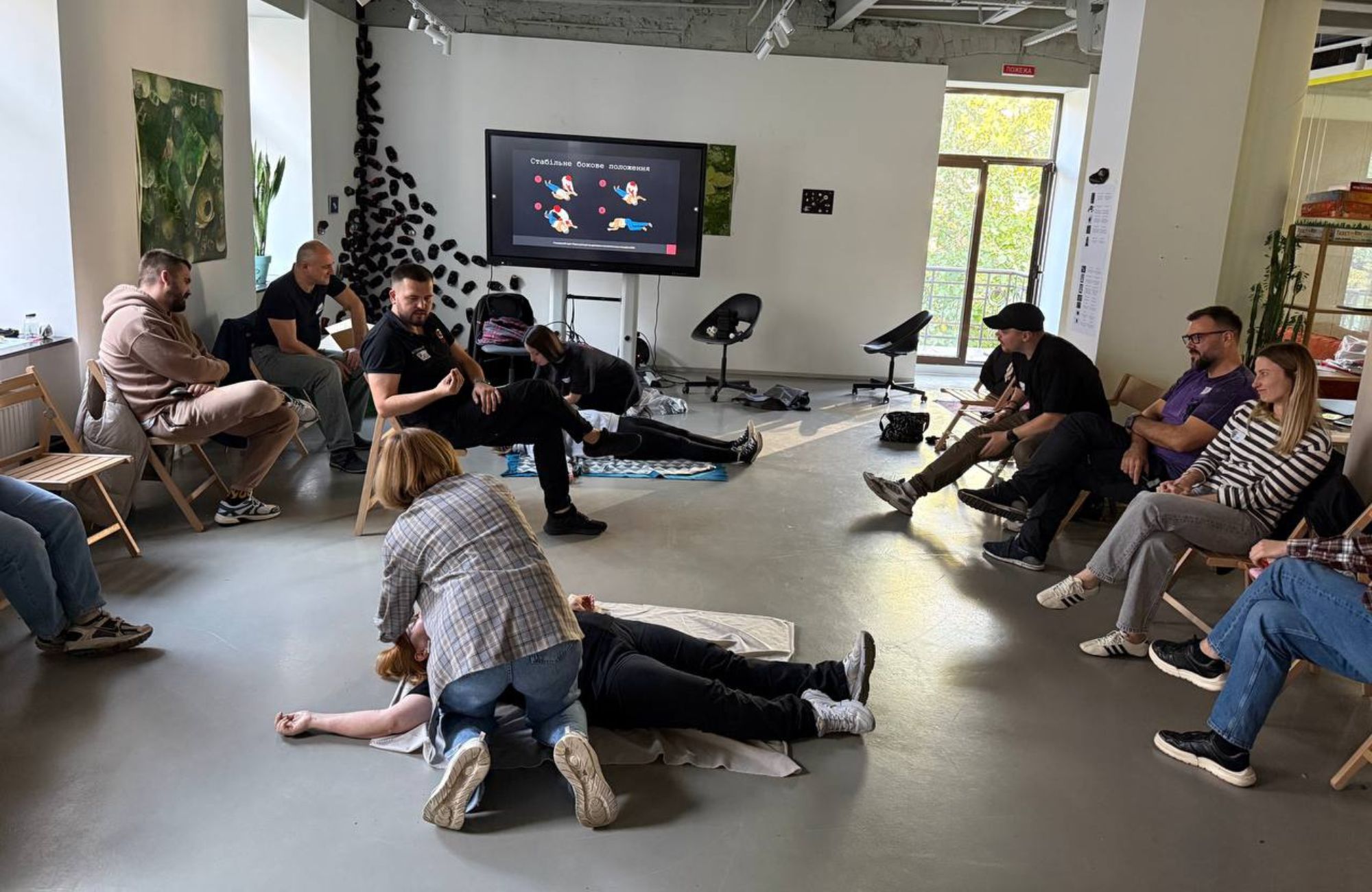
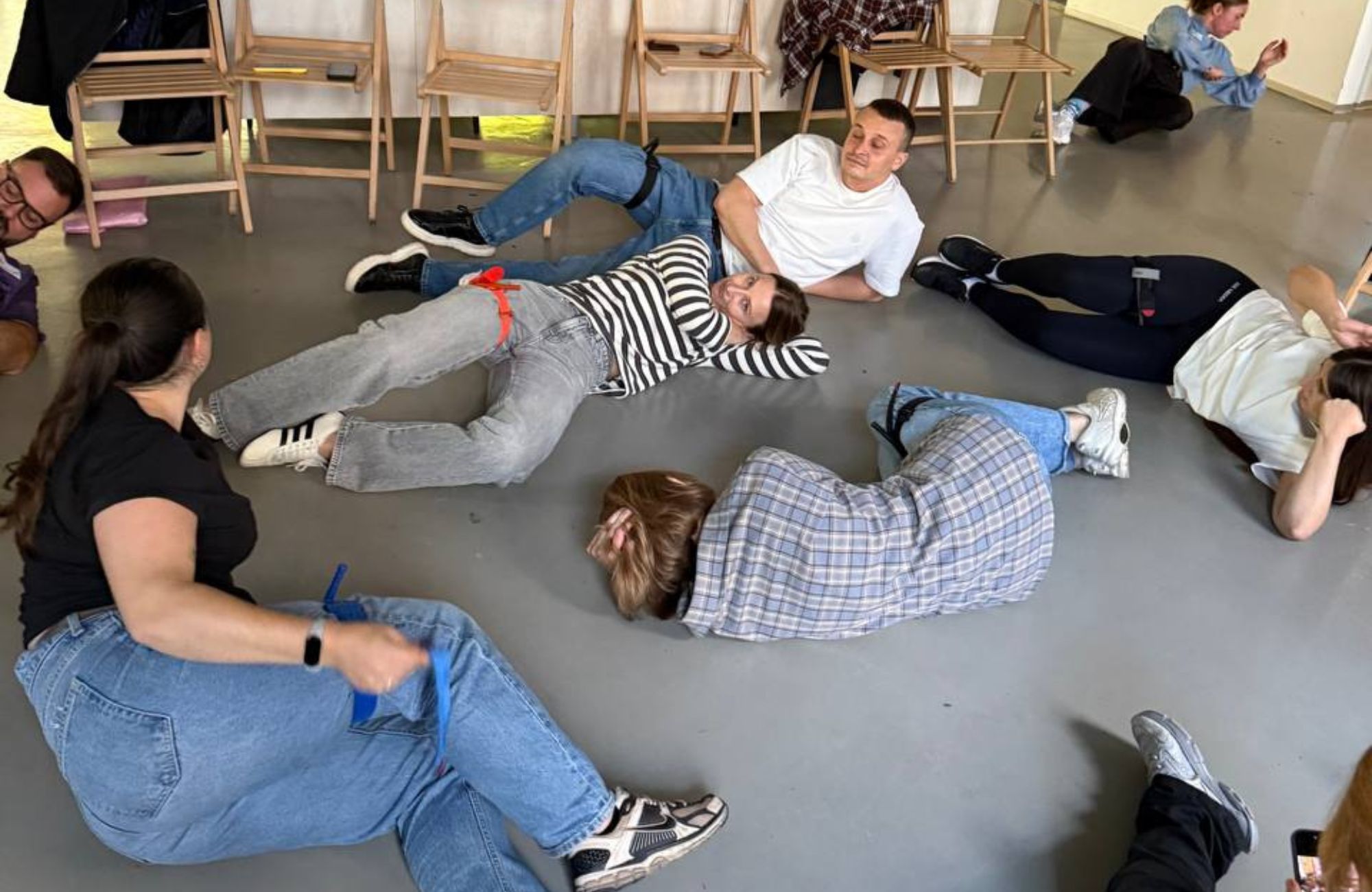
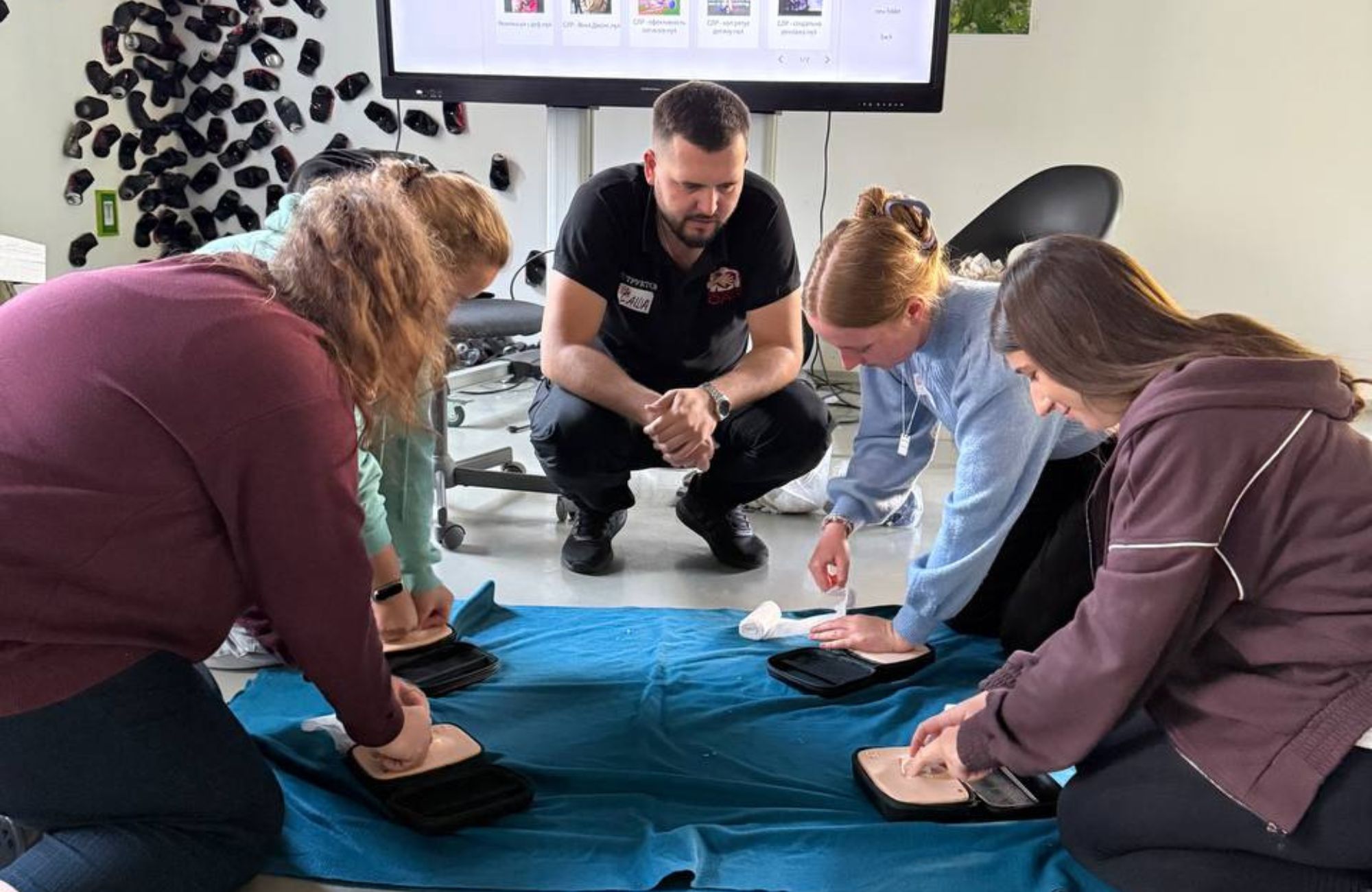
“First aid skills are essential not only for staff who take part in evacuation missions, travel to frontline hromadas for outreach activities, and assist people at transit centers and after the russian attacks, but also for those working in our offices and community spaces. You never know when or where your knowledge and skills may make all the difference to your own life or someone else’s. The training made me rethink it. I put basic first aid supplies in my bag that could come in handy: a tourniquet, gloves, and a CPR face shield. I feel much more confident now,” said Tetiana Kosova, Training Manager at East SOS.
Course instructors Oleksandr Bushtyn and Hryhorii Matsyshyn emphasized that the most important thing is not to hesitate: remember what you have learned and take action. What you do in the first few minutes can make all the difference. Participants also noted that the instructors managed to make a serious subject engaging and informative while keeping it light with a sense of humor.
The Foundation’s team attends such training sessions at least once every six months. In a high-stress situation, skills practiced until they become second nature are the ones most likely to kick in.
The trainings are conducted as part of the project “Protection and Psychosocial Services for People with Limited Mobility and Persons with Disabilities Affected by the War”, implemented with the support of the Swedish International Development Cooperation Agency (Sida).
This summer, the East SOS psychological support team completed specialized training on working with veterans and their families.