January 24 – International Day of Education
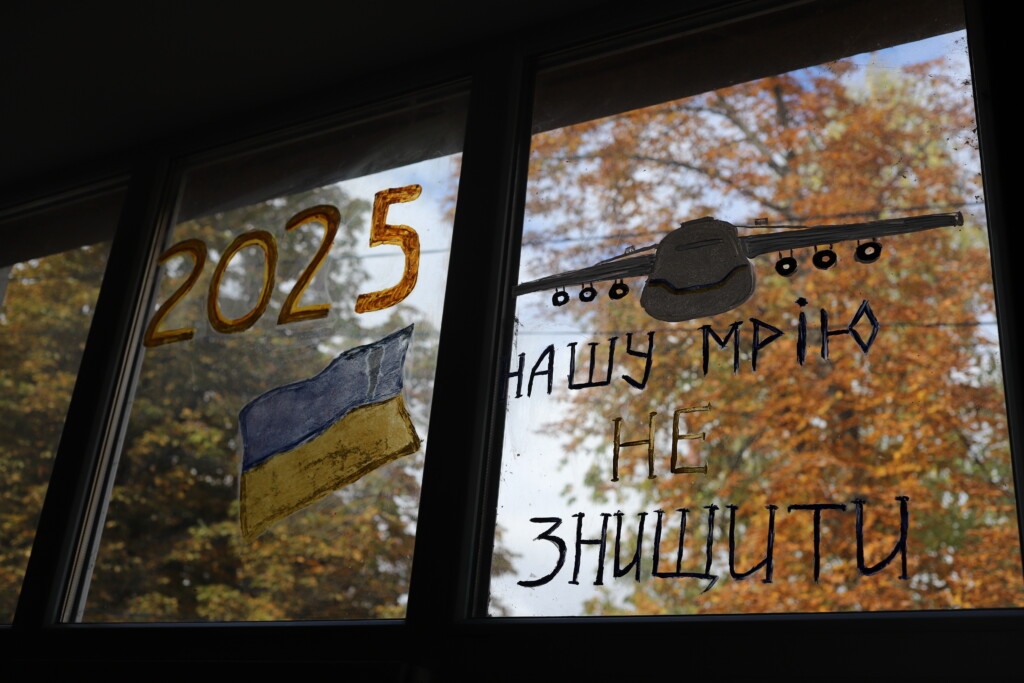
Around the world, International Day of Education is a time to speak about access to learning, equal opportunities, and personal development, which is actively shaped during school years. In Ukraine, however, this date is also a time to speak not only about development, but also about the basic capacity of education to withstand the challenges of war.
russia’s full-scale invasion has changed the reality of learning for millions of Ukrainian children. According to the Ministry of Education and Science, 4,456 educational institutions have been damaged by bombing and shelling, and 408 of them have been completely destroyed. For many hromadas, the educational process now depends on the security situation and the availability of electricity and heating. For children from frontline and temporarily occupied territories, education often happens under direct risk. That is precisely why the conversation about education today inevitably focuses on these regions, where the right to learn is inextricably linked to the right to safety and to life itself.
Today, Ukrainian education faces numerous challenges. The EAST SOS team documents them during monitoring visits, through its work in hromadas, and in cooperation with educators from different regions of Ukraine.
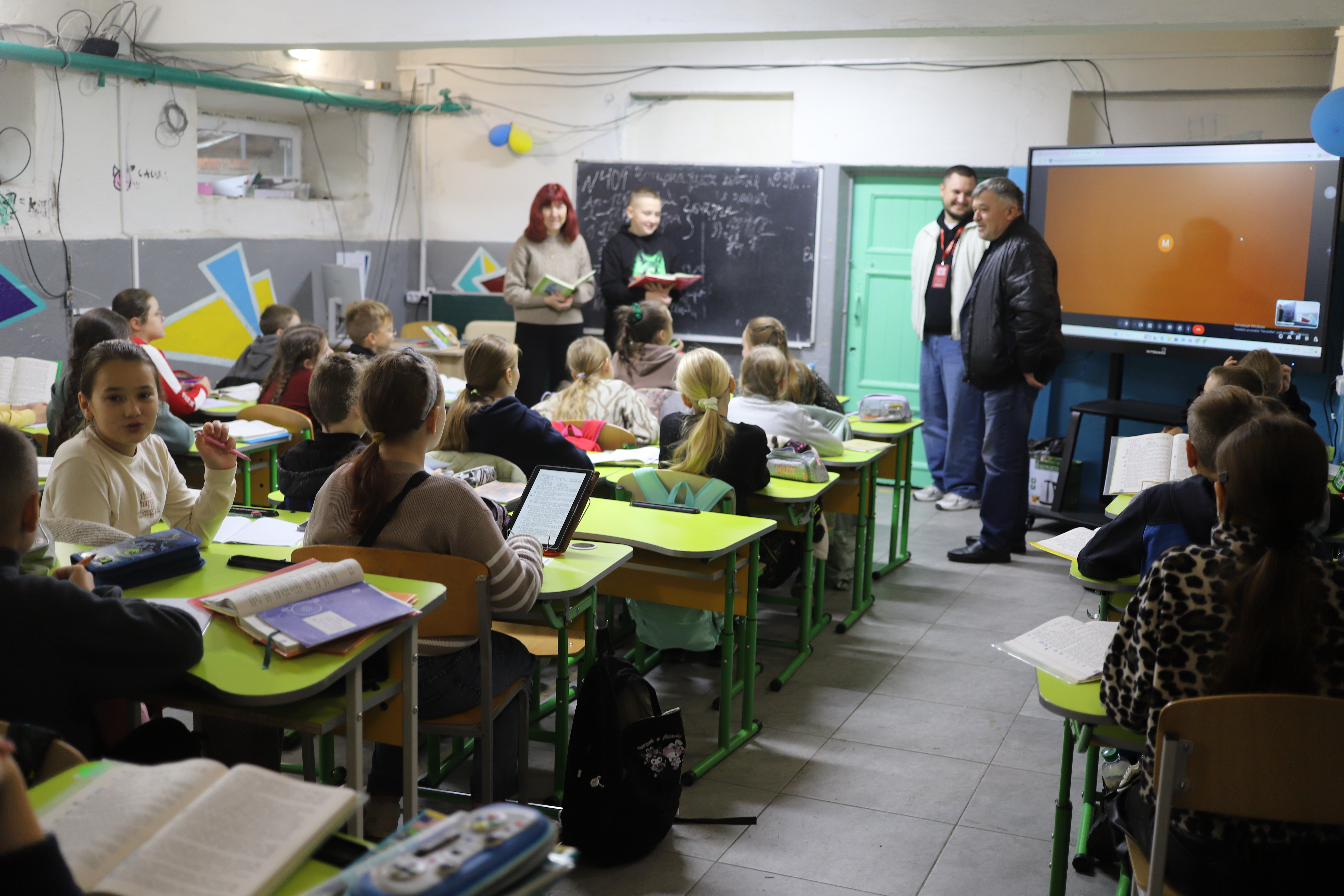
Winter and cold: in some places, schools operate in shelters where it is difficult to create even basic comfort for participants in the educational process without proper heating and ventilation.
Power outages and unstable connection: online learning is interrupted due to lack of electricity and internet access, while access to digital resources remains limited.
Learning in shelters: lessons take place between air raid alerts in basement premises, often without proper furniture or technical equipment.
Safety: the educational process depends not on the timetable, but on the situation in the hromada. Students in the temporarily occupied territories are forced to study in conditions of increased risk and constant danger.
Emotional state: children and teachers continue learning and working while living with anxiety, stress, and the painful experience of loss.
Since 2016, our education team has worked with frontline hromadas and schools. The EAST SOS Charity Foundation supports teachers working in crisis conditions, helps create safe educational spaces, supports access to both offline and online learning, and cooperates with hromadas and NGOs so that education does not stop even during war.
The response to these challenges lies in many joint initiatives – often quiet, but always crucial. In this post, we show how we contribute to improving the educational process during wartime and creating dignified conditions for children to learn and teachers to work.
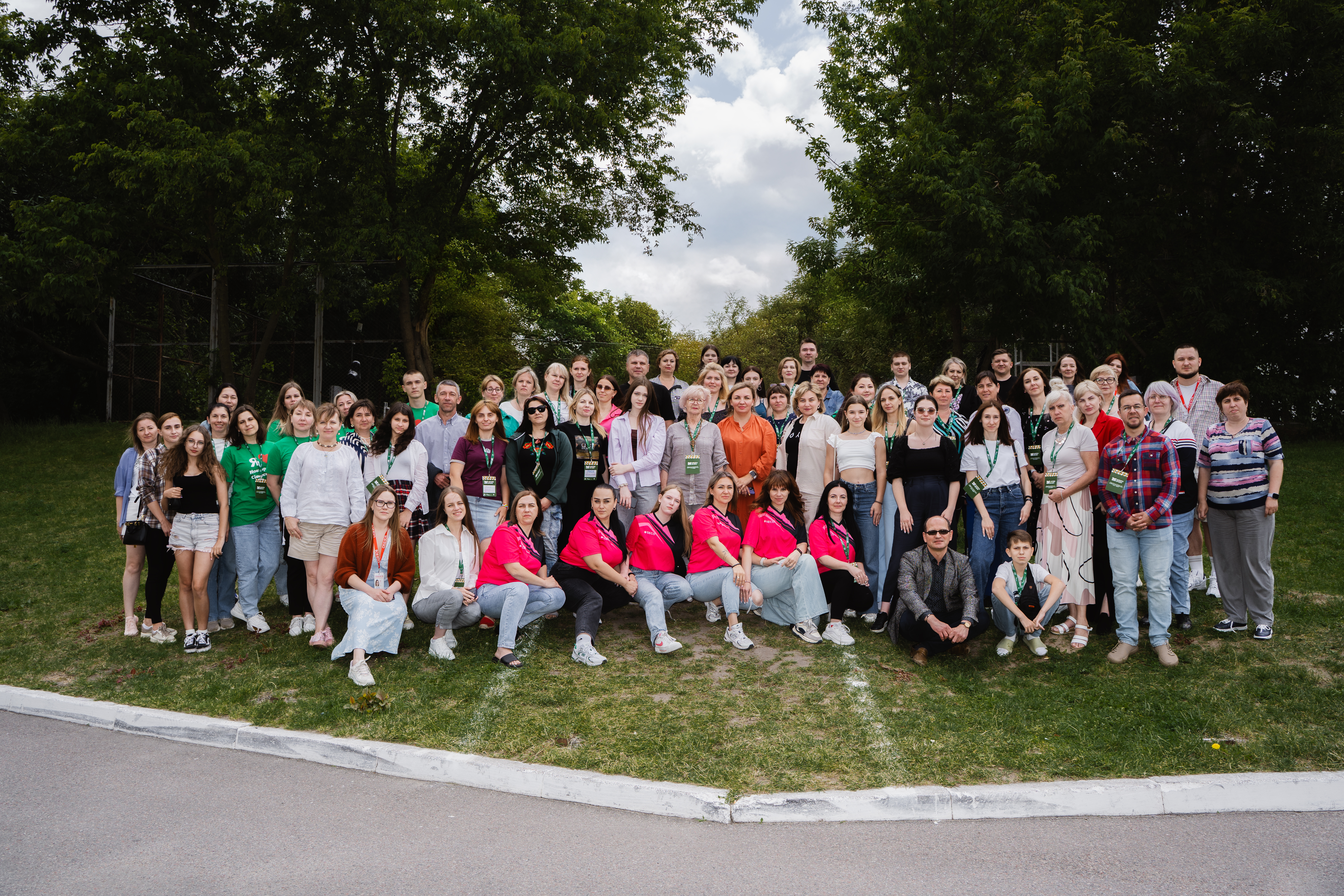
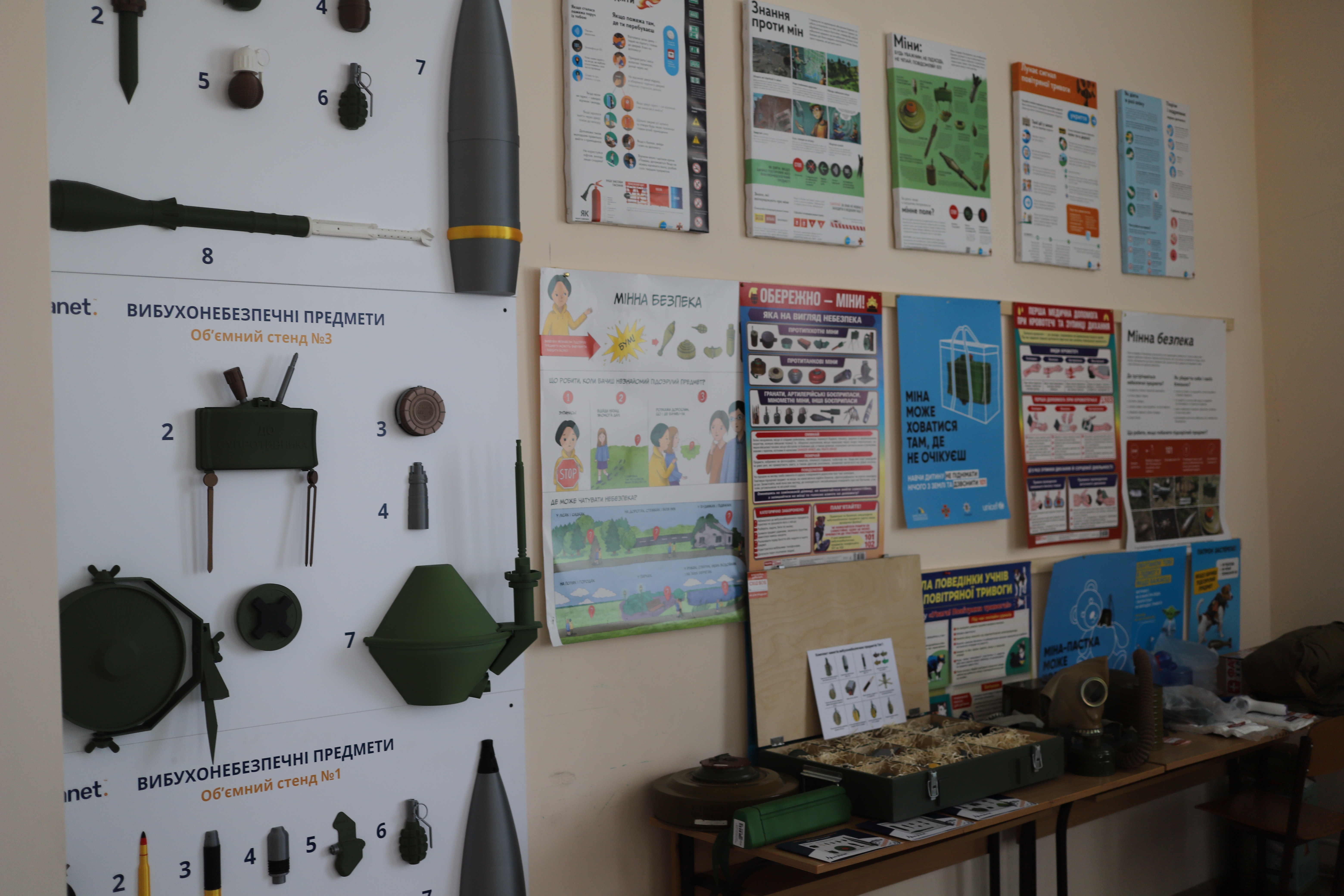
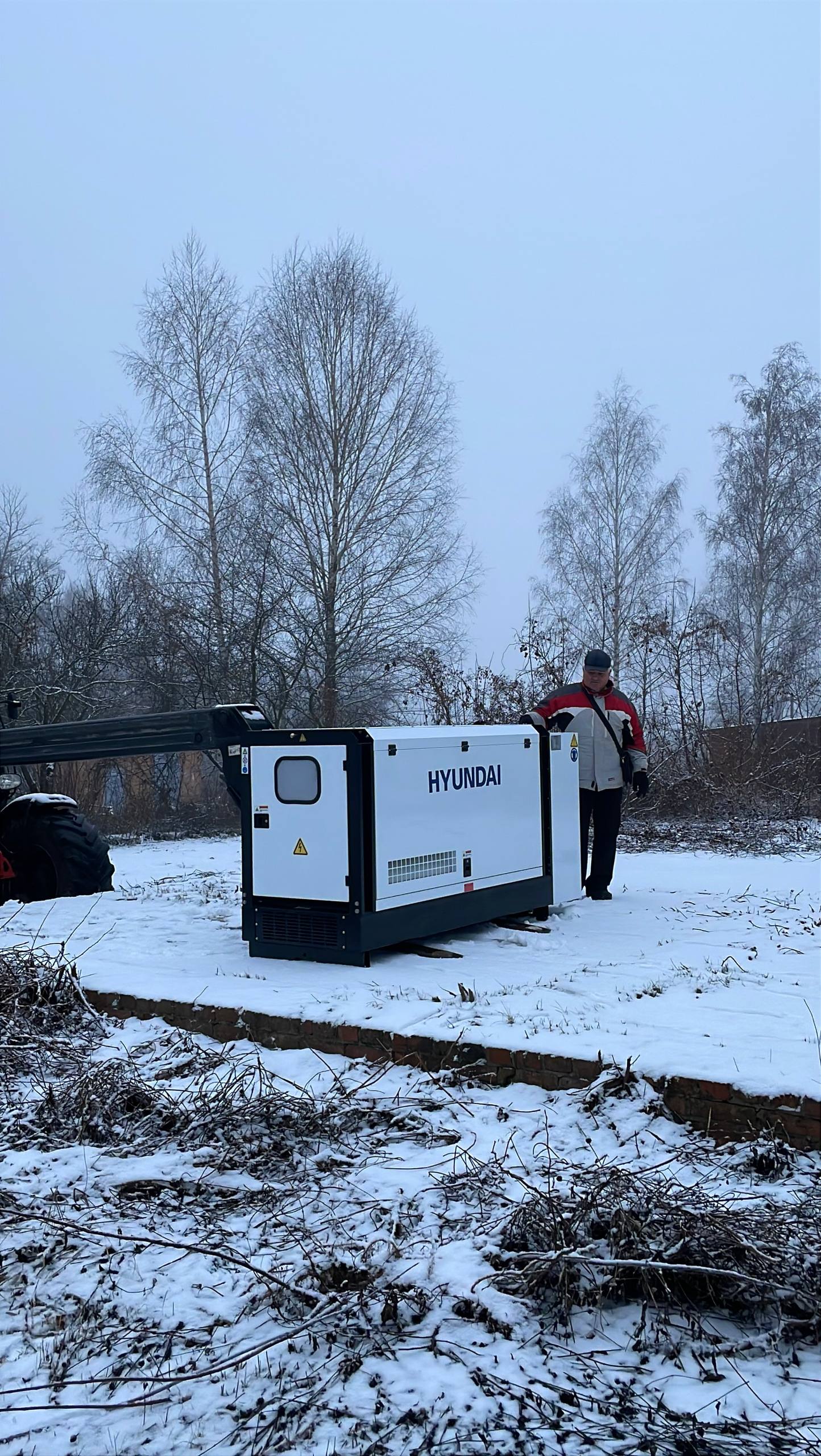
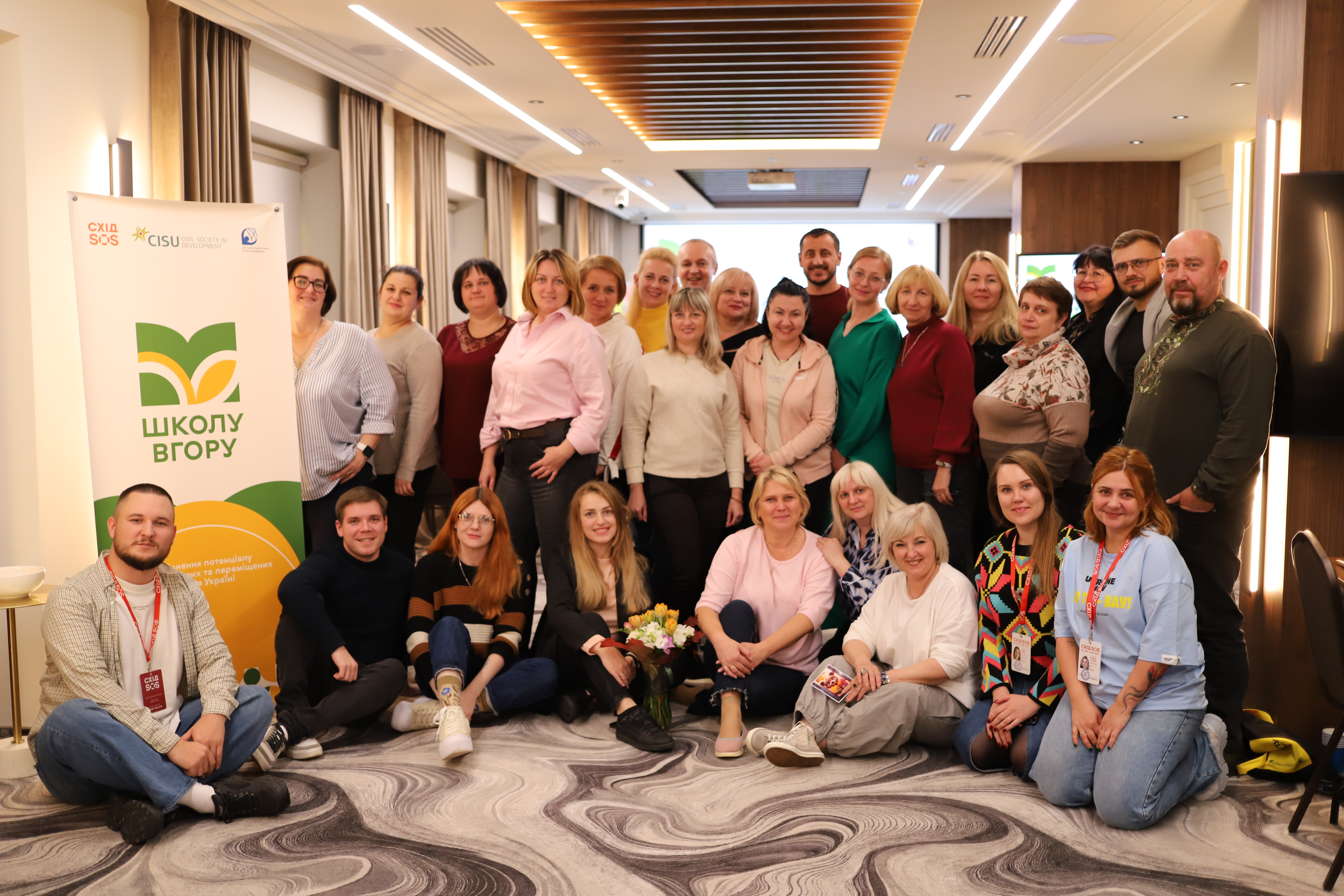
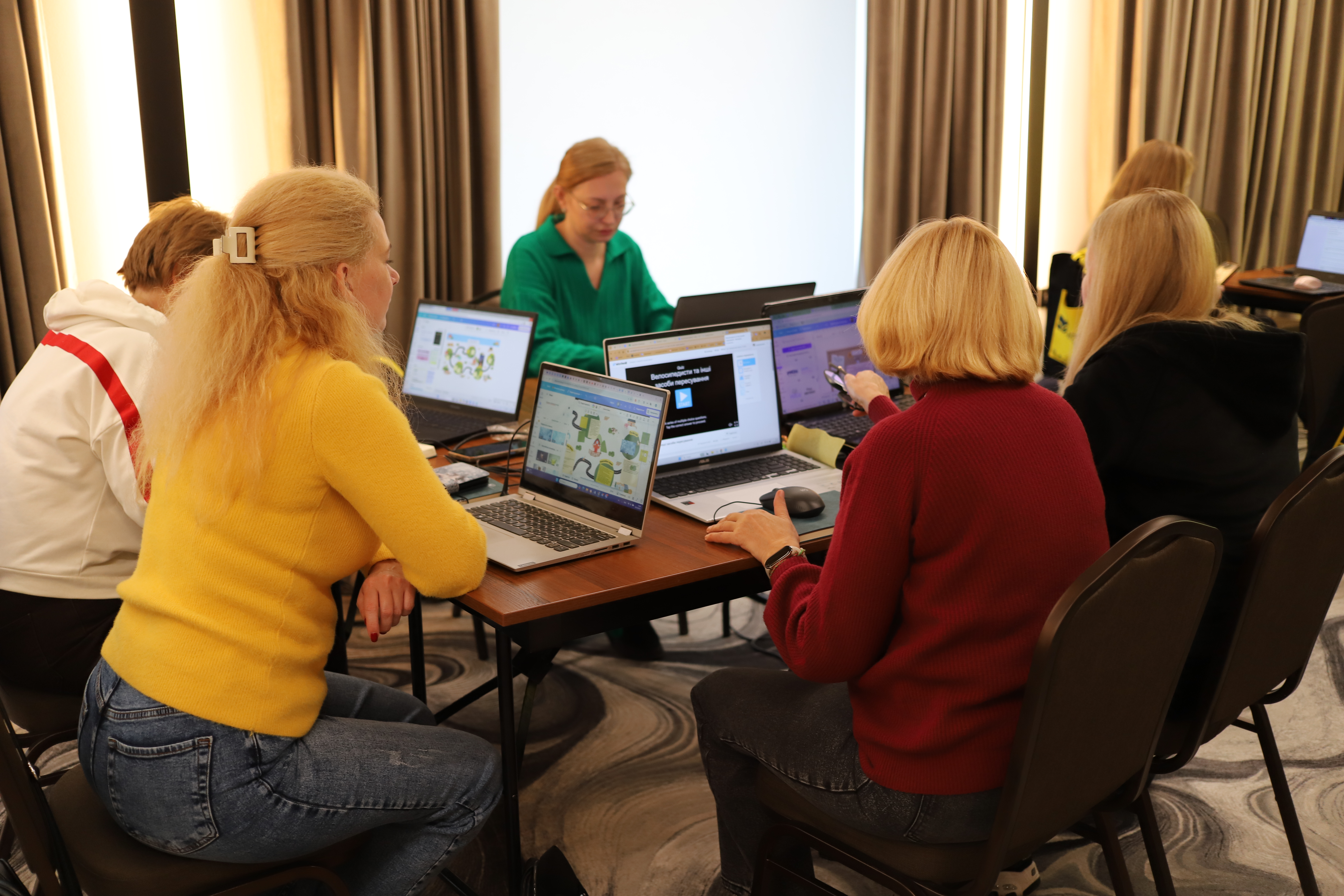
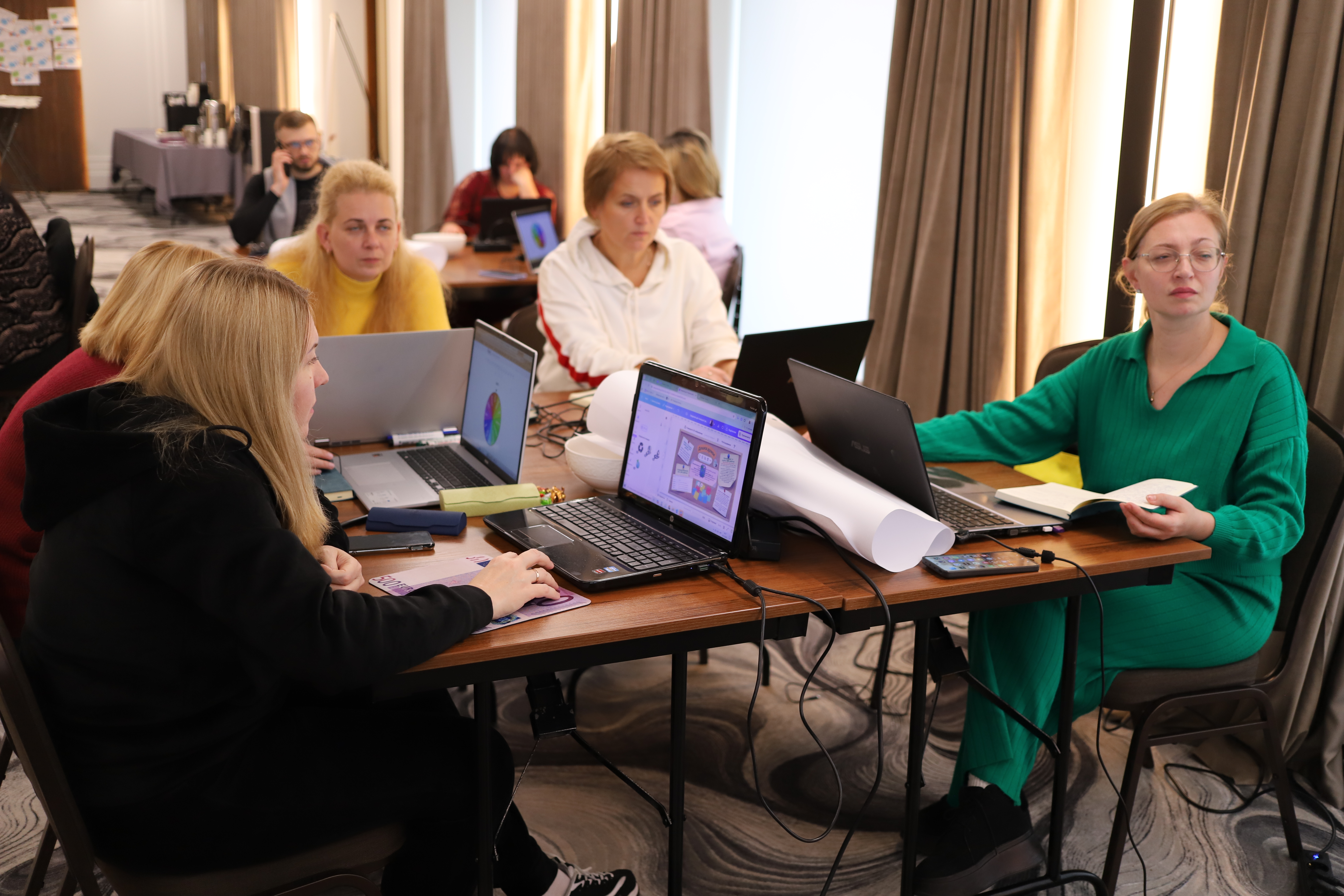
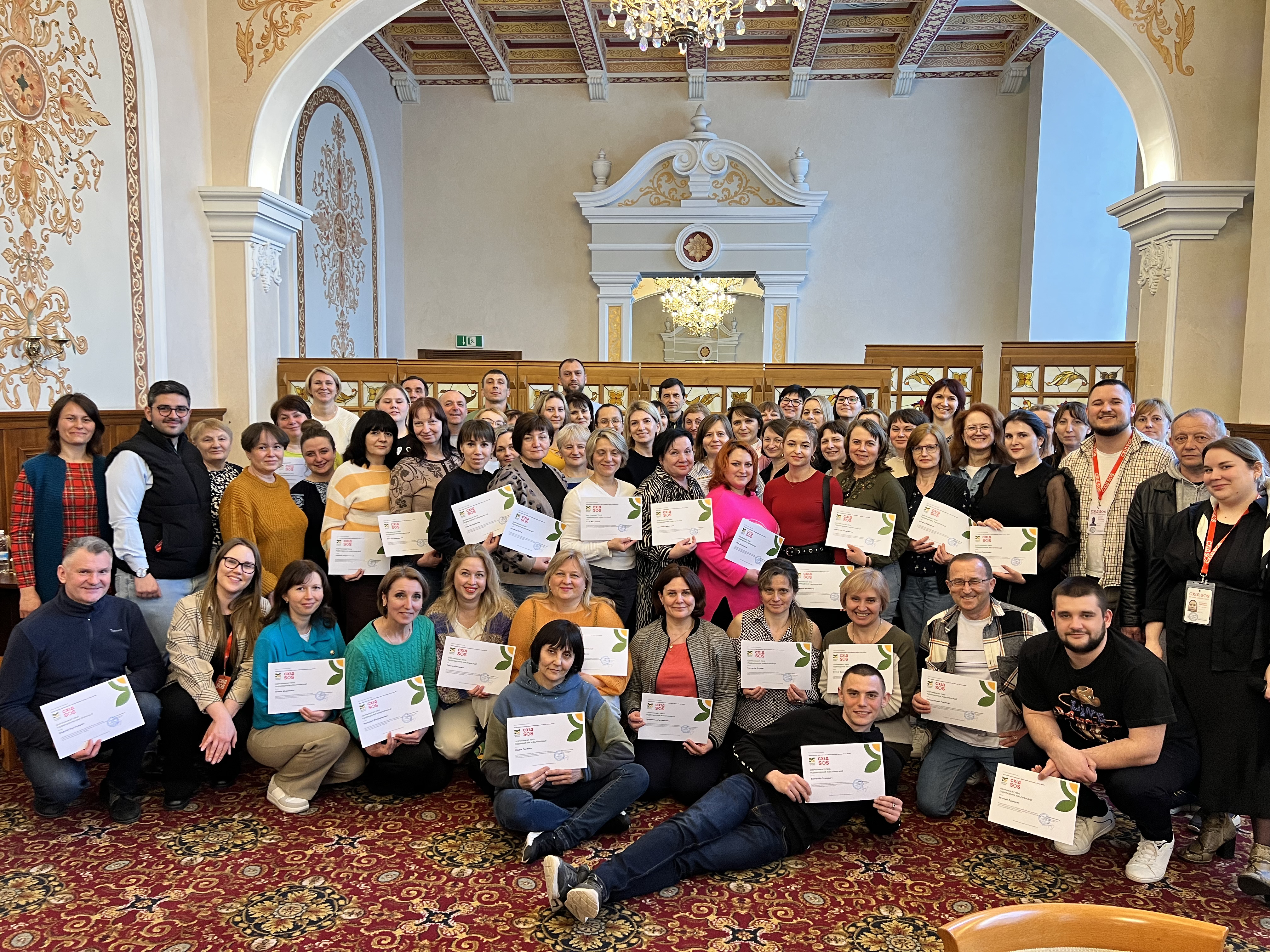
Read the Stories of Resilience of frontline schools in Sumy Oblast here and here, as well as stories of educators from Luhansk, Donetsk, Kherson, and Zaporizhzhia oblasts — participants of the School Up project by the EAST SOS Charity Foundation.