From Idea to Action: Chernihiv Special School No. 1 and Its Sports Journey with the School Up Project by East SOS
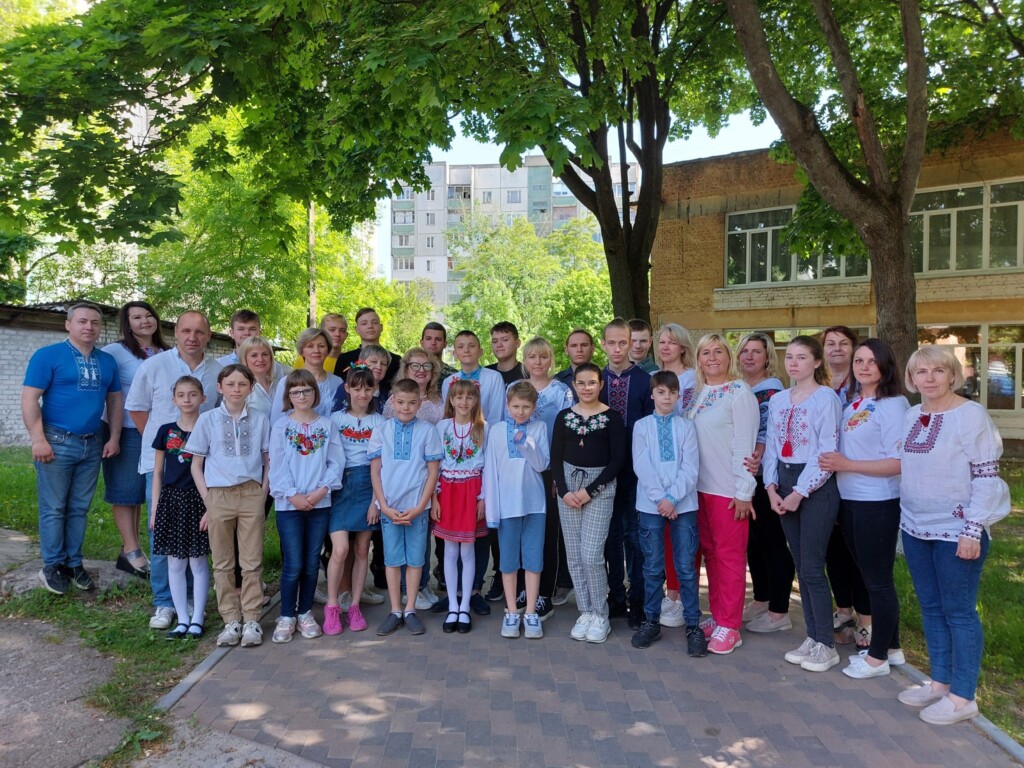
Chernihiv Special School No. 1 is often described as a “small, family-like school” where each of its 108 students receives personalized attention. The school works with children who are hard of hearing or have speech impairments, and for them, it is a space where they feel understood.
The school has been partnering with East SOS for several years now. During this time, we have provided computers for remote learning and furniture to equip the shelter. However, joining the Foundation’s new School Up project became a new kind of challenge for the school.
At Chernihiv Special School No. 1, sport has long been an integral part of school life, and not just as an activity, but as a way for children to discover their potential. Graduates of the school have gone on to compete in the Paralympic Games, becoming role models for students who are just beginning their journey.
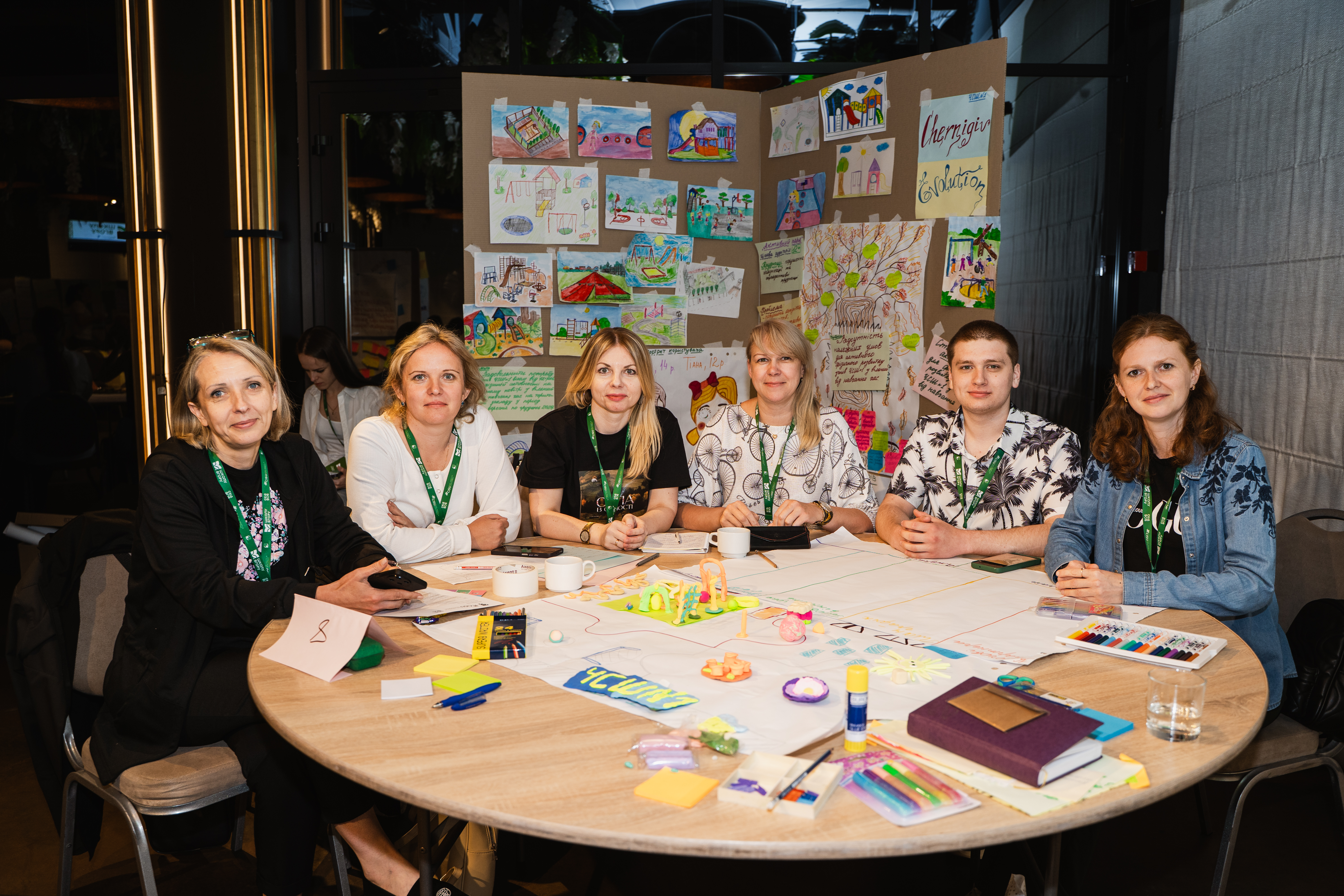
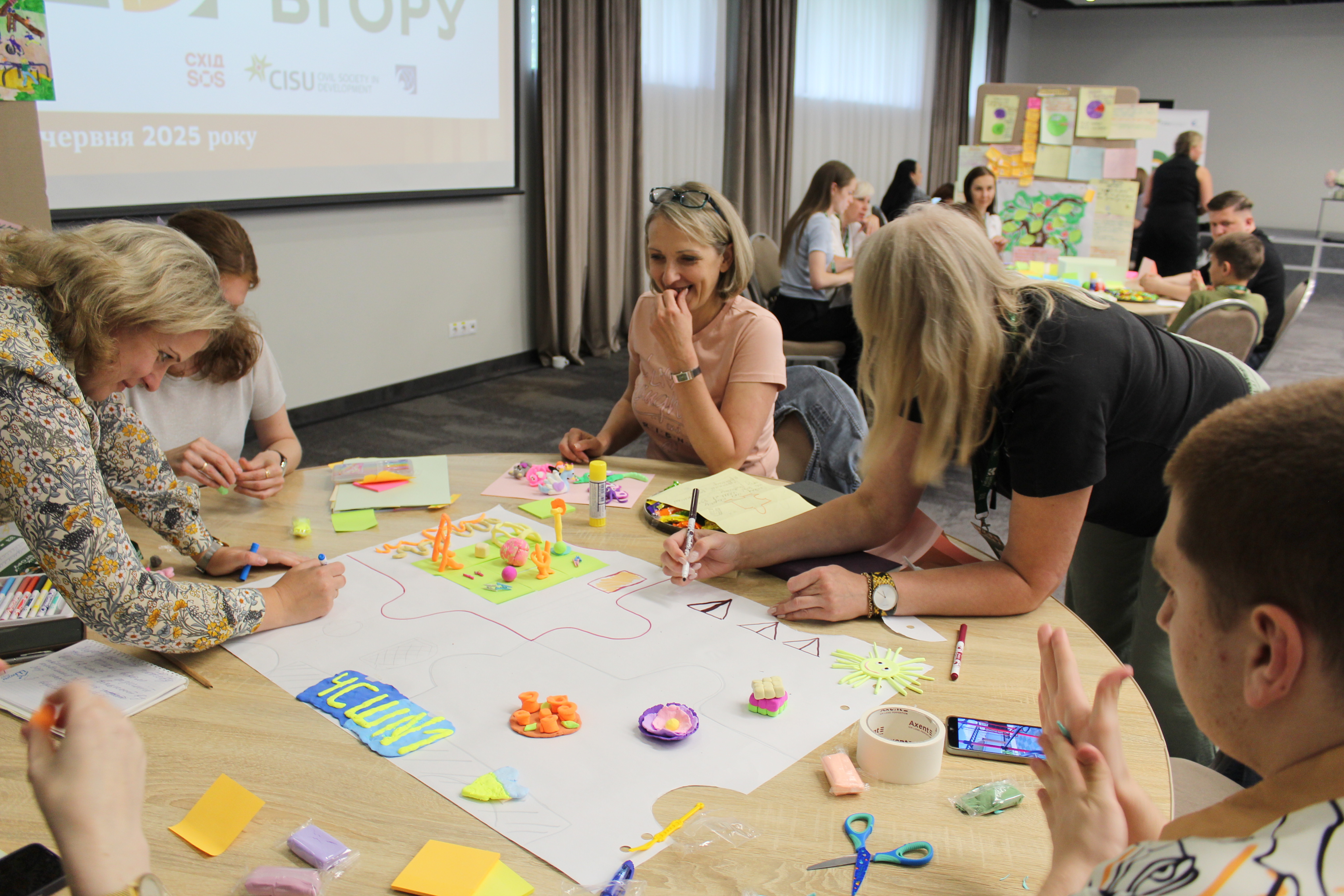
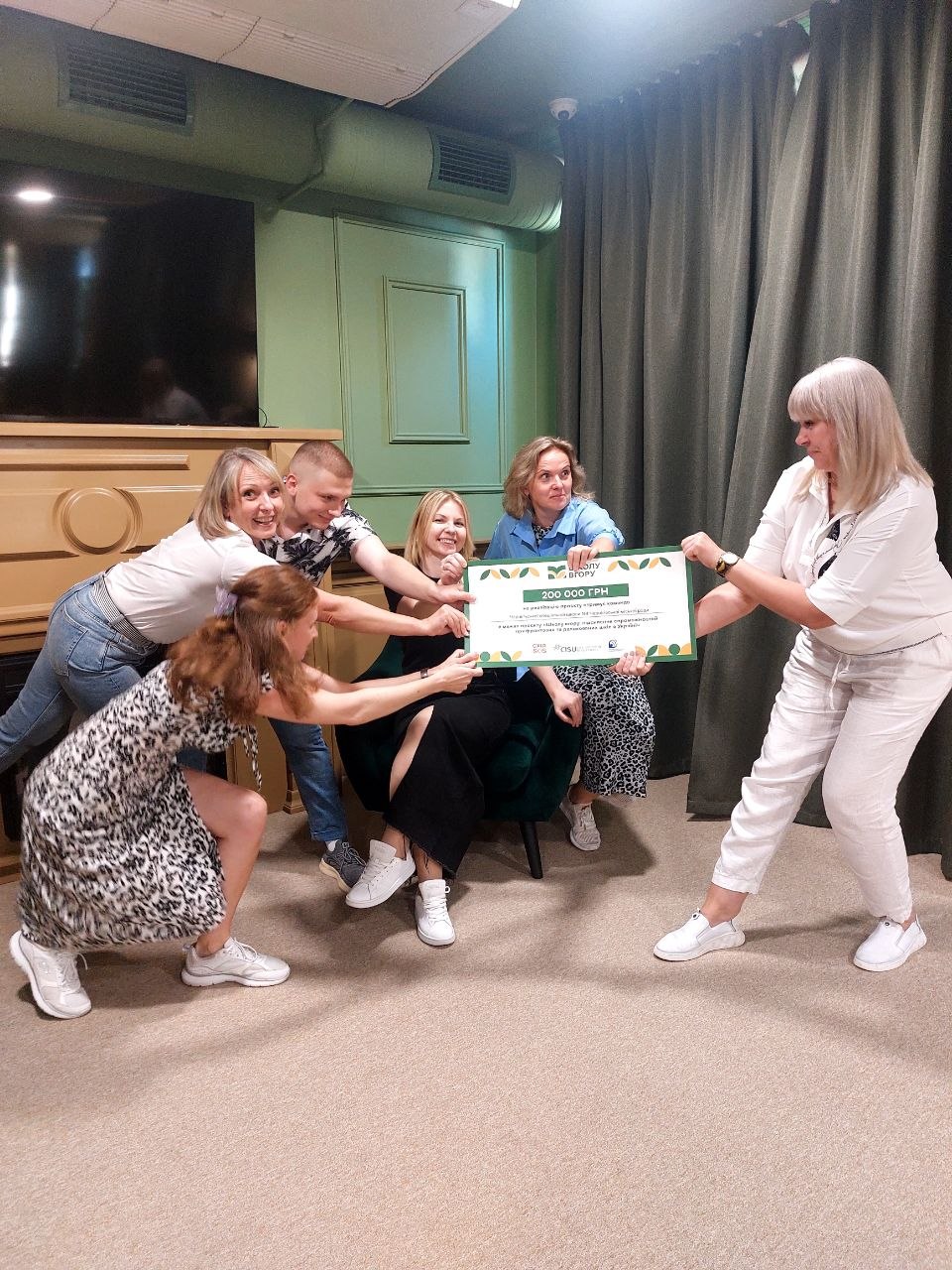
To keep sport as a space where children with special educational needs can build confidence, try new things, and achieve results, the Chernihiv Evolution team joined the project management training within the School Up project by East SOS.
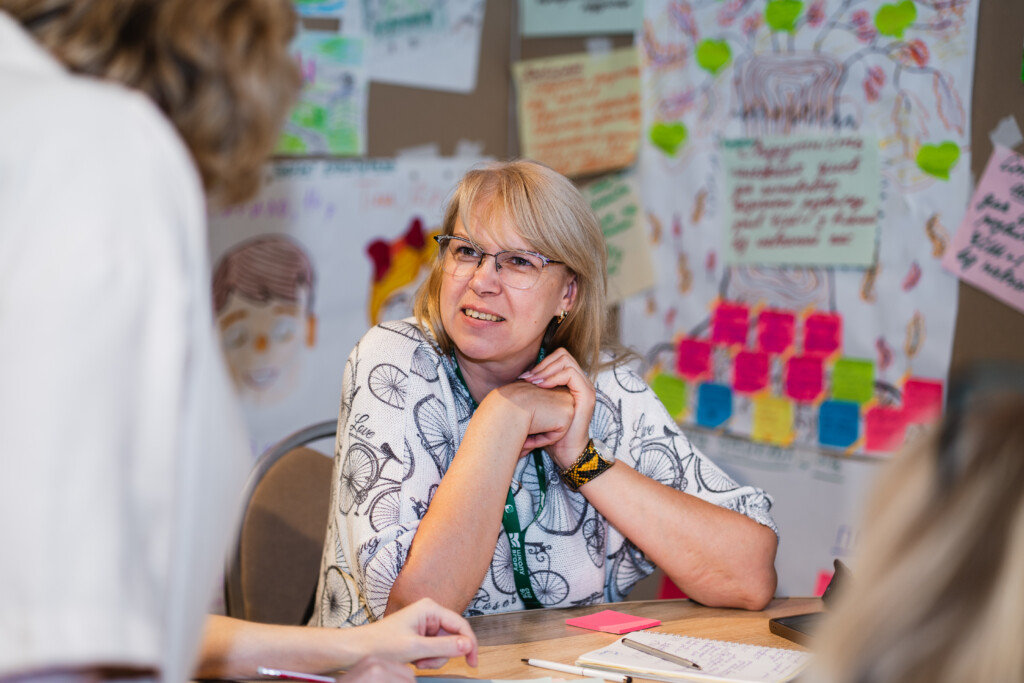
The school’s principal, Kateryna Kostiuk, admits that previous support had mostly been material, so taking part in an initiative that required the team to design and implement their own solutions for the school was a new experience.
“For years, children trained using outdated equipment as we worked with what we had. At the same time, we wanted to involve more students, which meant the equipment needed to be modern and appealing. We came to the project management bootcamp with the idea of a small playing field. During the training, we refined our understanding and developed it into a full project – an Inclusive Interactive Sports Ground,” the principal, Kateryna Kostiuk, shared.
At the beginning of the full-scale invasion, only 40 students remained at the school. Today, there are more than 100, most of whom attend in person. The school is gradually recovering, adapting to new realities, and looking for opportunities to grow.
“This is a small, family-like school where we work with children who need additional support – and not only in learning, but also in development and socialization. When the sports ground opened, it was a real breakthrough: now students gather there during recess, and PE teachers can hold classes outdoors. It’s a true asset for the school,” the principal explained.
A key requirement of the project was student involvement. For the team, this was a challenge, as communication required approaches tailored to the students’ needs. Yevhen, a tenth-grade student, joined the process, and his role became key.
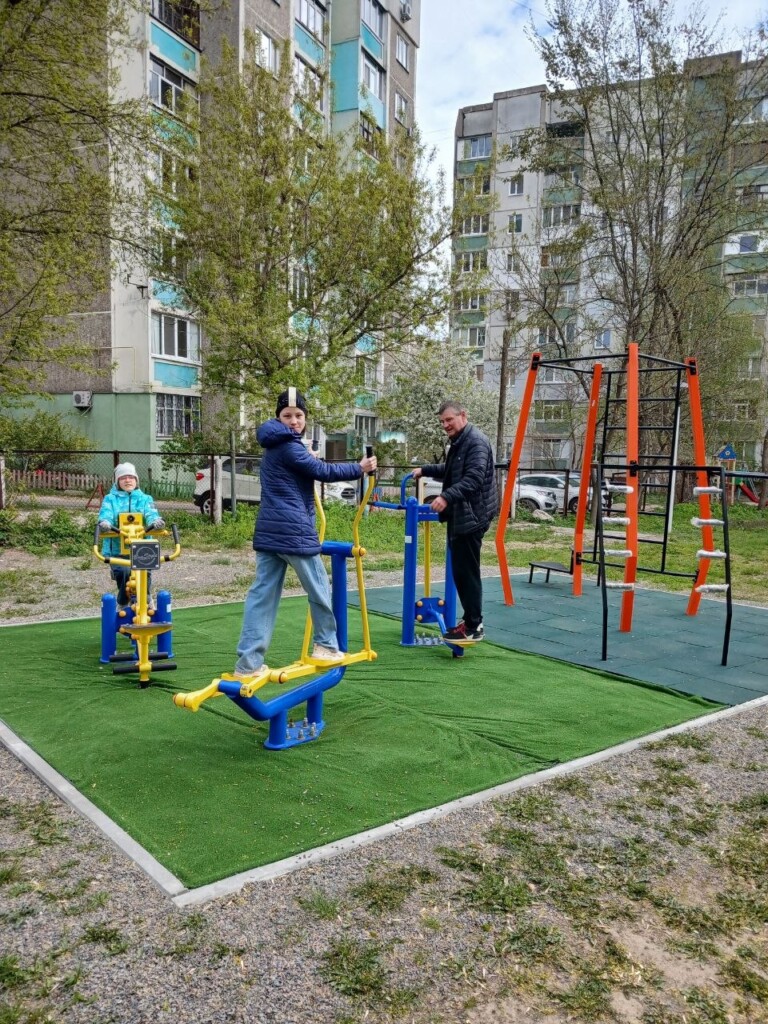

“It was an entirely new experience for Zhenia. At first, he was quite reserved, but during the training he opened up, became more engaged with it, and started discussing ideas with his peers. His input helped us shape the direction of the project,” Kateryna added.
Today, the tenth-grade student is an active member of school life, initiates new ideas, runs a Telegram channel about the school, and experiments with new ways for students to engage with the sports ground while sharing them online.
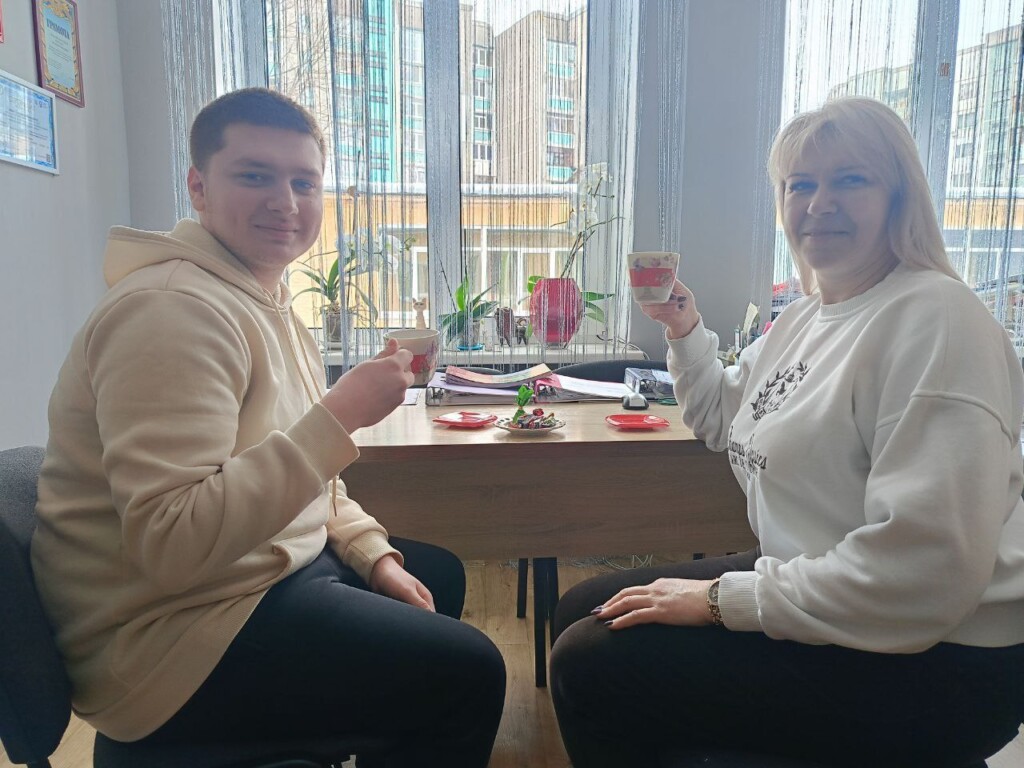
“After the sports ground opened, Zhenia won a school pull-up challenge and received a special prize – coffee with the principal. Over that cup of coffee, they discussed the future of the school as equals,” Kateryna said.
Like many border and frontline hromadas (communities) in Ukraine, Chernihiv continues to face daily security challenges. This year has been especially difficult: prolonged power outages, enemy attacks, and air raid alerts that sometimes lasted more than a day. Despite this, the team tries to continue maintaining the educational process, combining different learning formats and adapting to power outages and security constraints.
“It’s not easy, but we keep finding ways to continue. When there is electricity, we cook. Between air raid alerts, we meet with students and keep the learning going,” the principal shared.
For the team, participation in the School Up project is more than just an idea turned reality but an experience that helps them move forward. Today, they better understand how to shape ideas, mobilize resources, respond to real student needs, and stay focused on supporting their students.
“We want children to have more opportunities to grow. And we want special education to remain a vital part of the system – where it is truly needed,” Kateryna Kostiuk concluded.
The project management training was organized by East SOS within the project “Strengthening the Capacities of Frontline and Relocated Schools in Ukraine/SCHOOL UP”, implemented together with the Danish Helsinki Committee for Human Rights and supported by CISU.