From Concept to Action: A Support Space for Students, Teachers, and the Community Opens in Zhovti Vody
War leaves no time for lengthy deliberation in education. It demands honest and responsible action – adapting teaching formats, responding to security challenges, supporting children, and finding resources for community development.
School teams that participated in the School Up project by the East SOS Charity Foundation – including teachers, representatives of school administrations from frontline and border regions, and students – completed project management training. As a result, we have seen ideas transform into real spaces, parks, and sports complexes that support students, educators, and entire communities.
We are launching a new series, “From Idea to Action,” to introduce the project participants and share their journey to success.
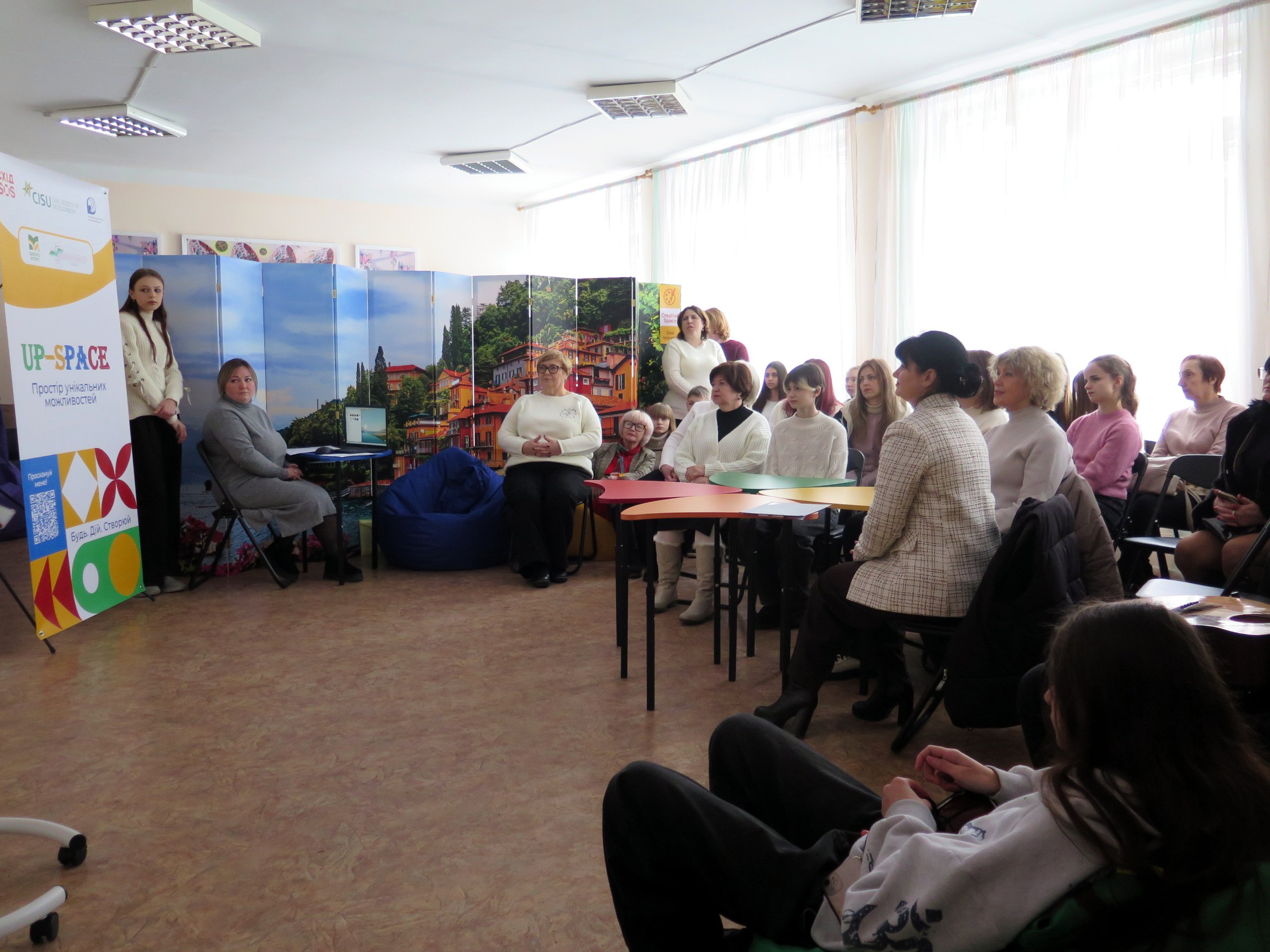
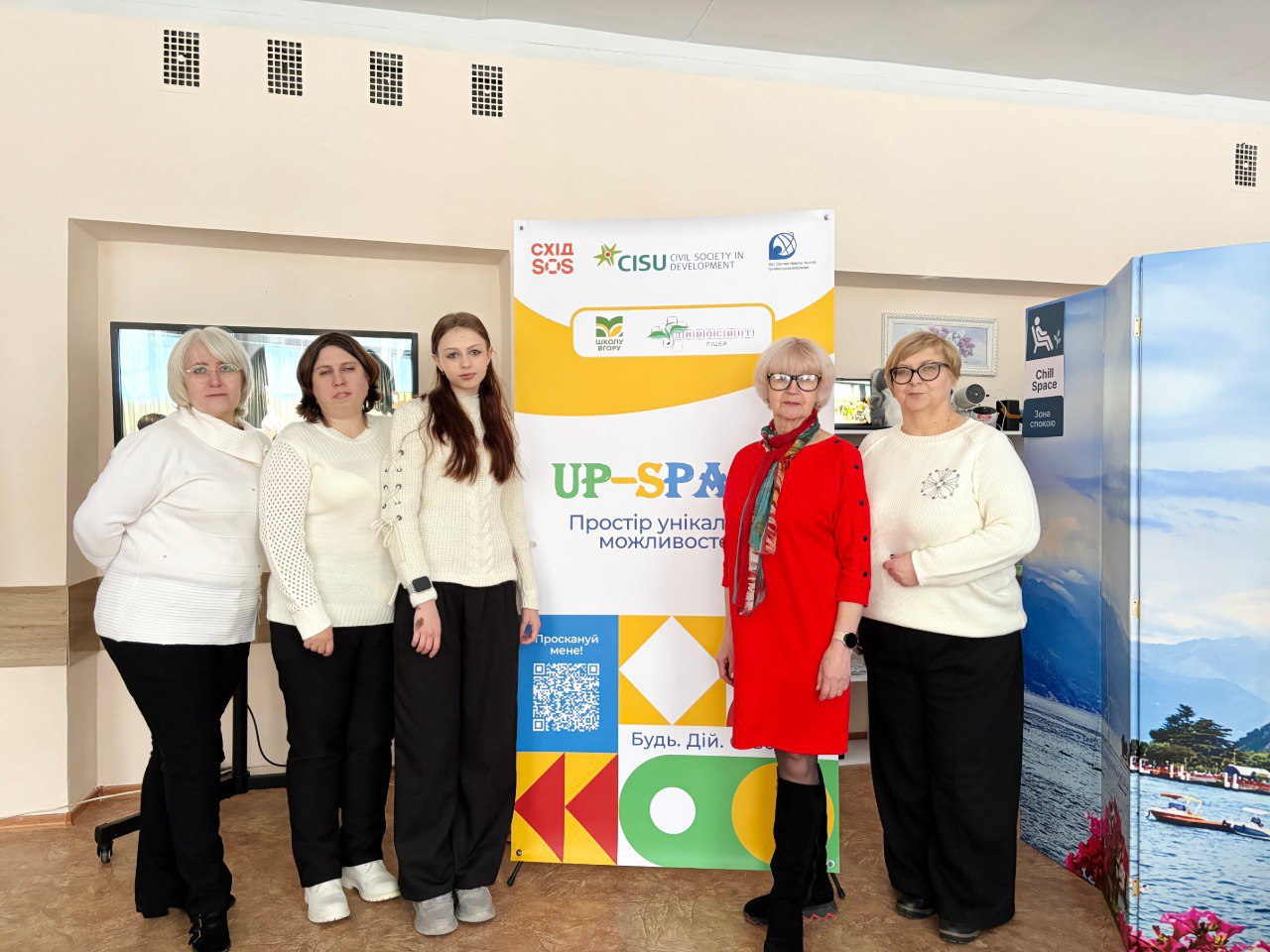
One of the five winning teams of the project idea pitching competition – representatives of Dyvosvit Lyceum in Zhovti Vody (Dnipropetrovsk region) – believe that the strongest ideas are those rooted in the real needs of children and local communities. On January 15 this year, UP-space, a resource center with four functional spaces designed for students in grades 7–11, including children with special educational needs, teachers, and local residents, was officially opened.
This story began with a rather spontaneous decision to apply for the School Up educational project run by East SOS – just half an hour before the application deadline.
Olena Hora, Educational Director at Dyvosvit Lyceum, shared that the team did not expect to be selected, so they worked intensely to prepare for the boot camp. During the four-day training, the East SOS education team brought together representatives of ten schools from different regions of Ukraine who wanted to learn project design skills – from defining clear goals to planning workloads and assessing potential risks.
“We conducted thorough research and surveyed students, their parents, and our colleagues to understand how we could respond to the real needs of children and the community. By the time we arrived at the boot camp in Kyiv, we already had a clear vision – to create a quiet and supportive space for everyone. People are coming to our community from Kharkiv, Zaporizhzhia, and frontline areas of the Dnipropetrovsk region. Nearly a hundred students and teachers in our school were forced to leave their homes. They have witnessed the harsh realities of war and often withdraw into themselves. Our task is to help them reconnect with the world, and this space should become a bridge for them,” Olena shared.
During the training, the idea gradually took shape. The team learned how to calculate the budget, assess risks, and formulate clear expected outcomes. The most difficult part was not imagining the space itself, but honestly answering the question: are we ready to take responsibility for bringing it to life?
“We were incredibly excited before pitching our ideas because it was no longer just a dream – it was a promise, a hope we were offering to the children,” Olena Mykolaivna recalled.
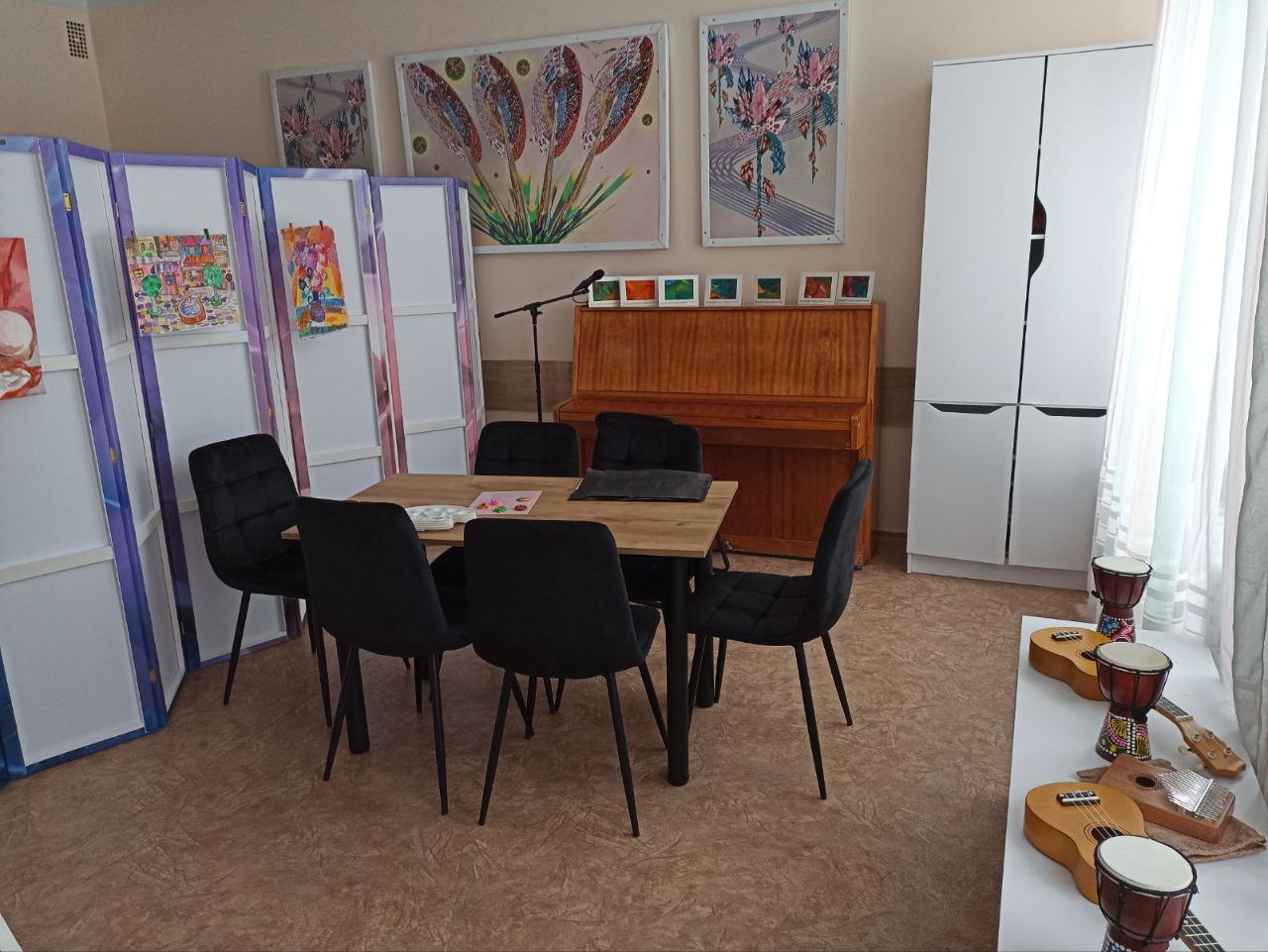
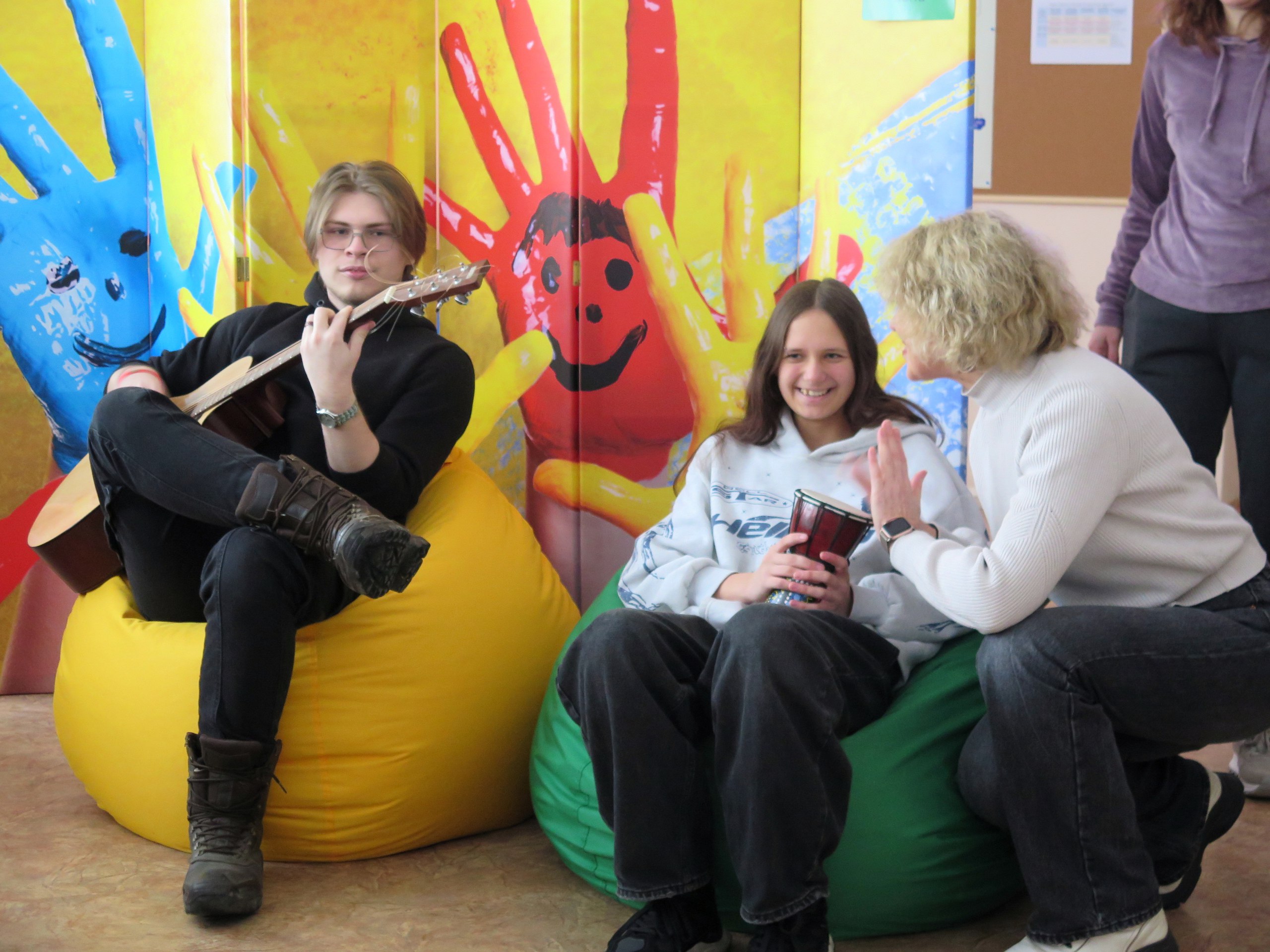
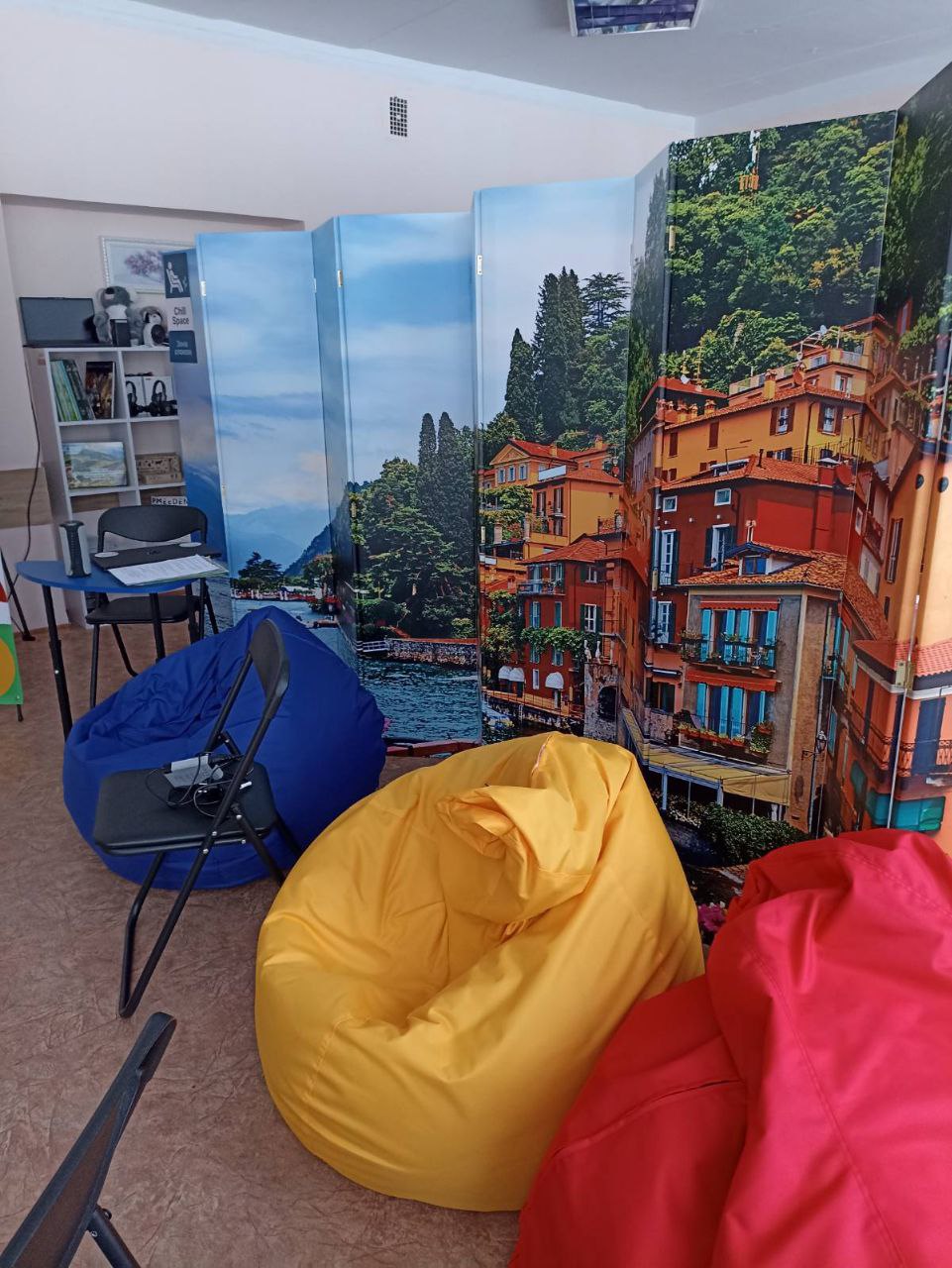
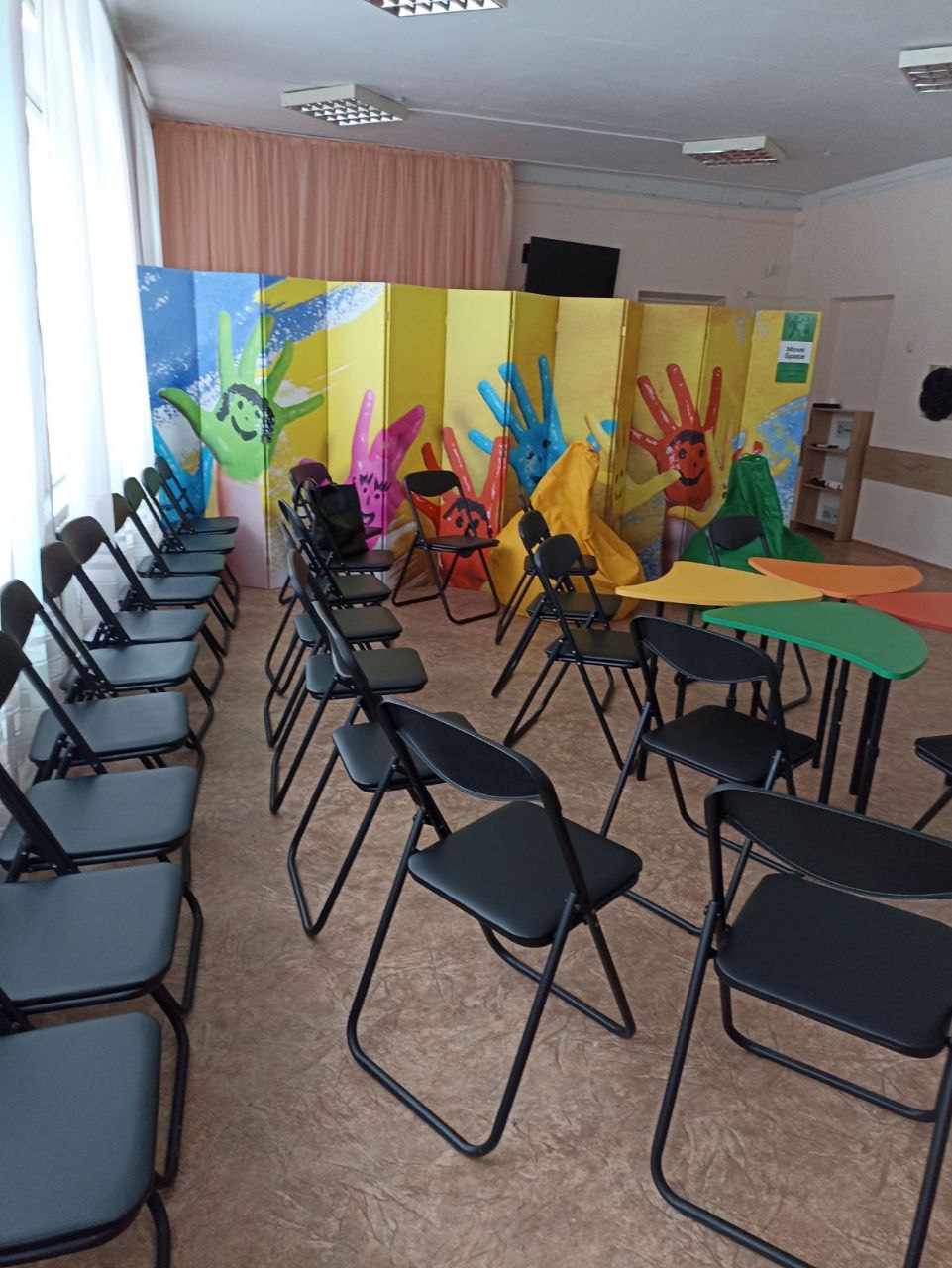
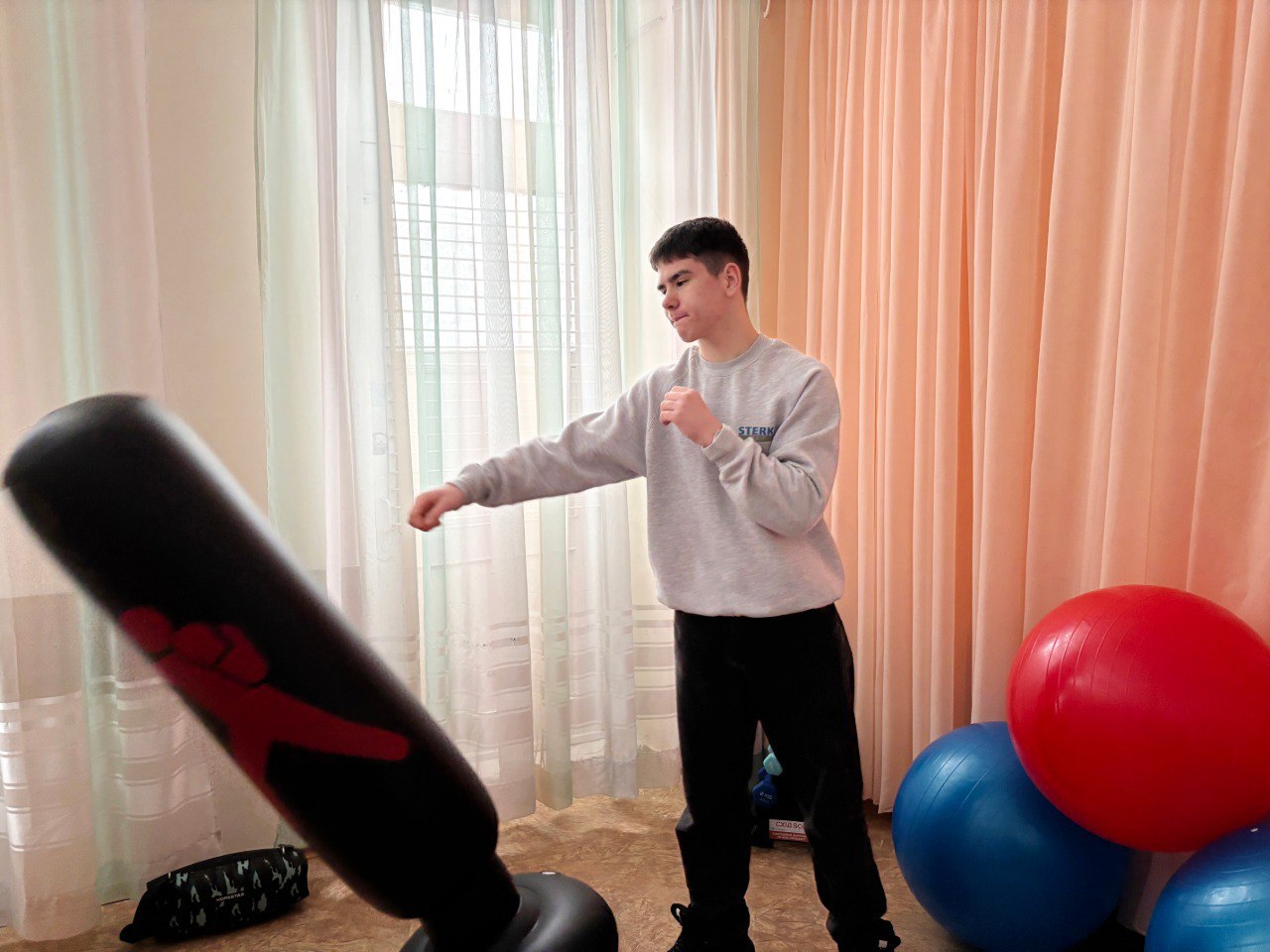
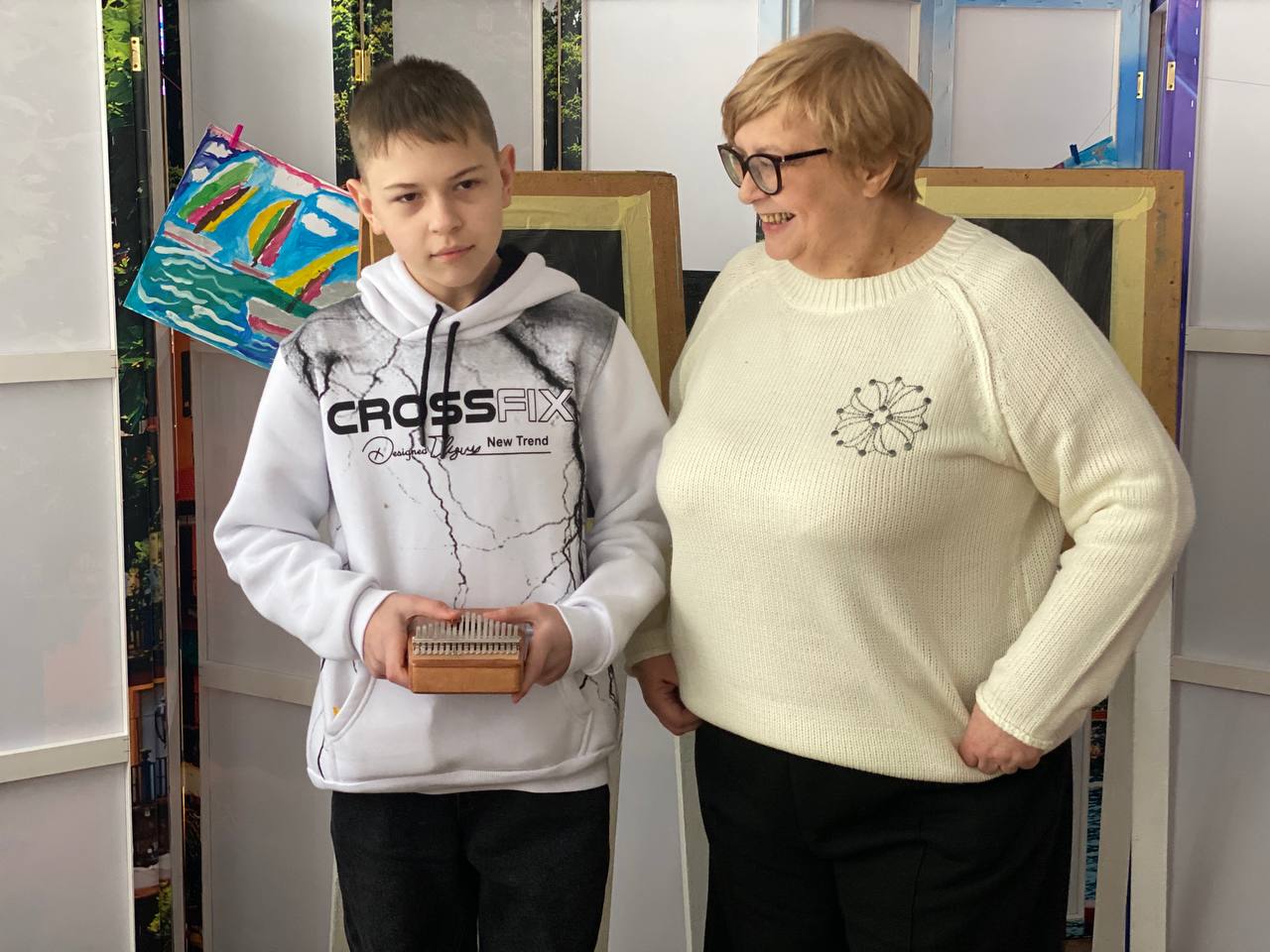
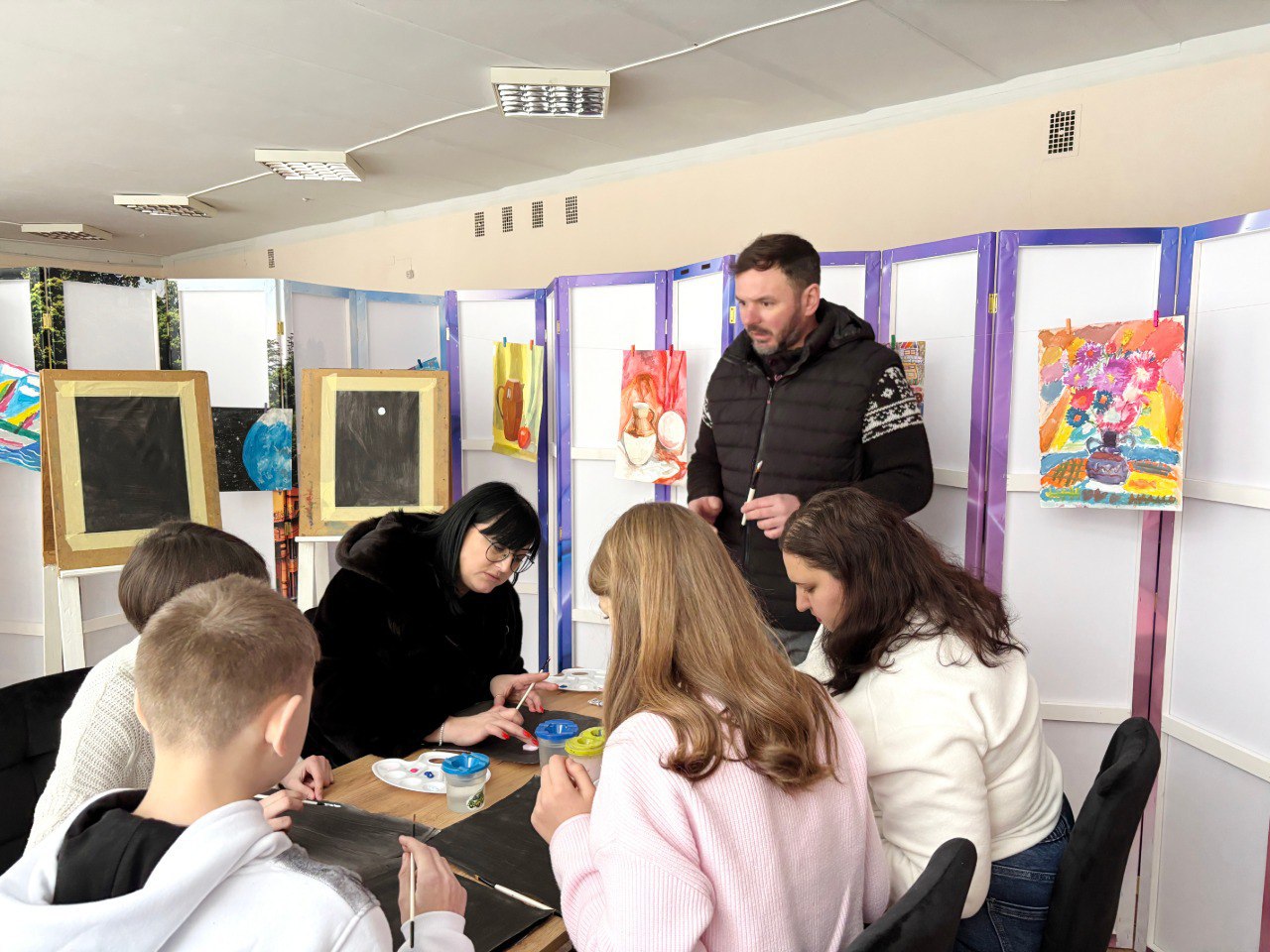
The team presented a 3D model of the space, divided into four zones, each with its own cozy corner. The communication area is designed for student self-government meetings and online discussions with guest speakers during extracurricular activities. The sports zone allows students to relieve stress through movement – from boxing to music and dancing to Just Dance with classmates to training with a punching bag. The relaxation zone offers soft sofas where students can rest, while the music and creativity area provides space for sound therapy with a ukulele, drawing, and handicrafts. Notably, the 3D model of the space was created by 10th-grade student Svitlana Shevchenko, who also took part in the training.
“We had strong competitors, and perhaps it was this detailed vision of our idea that helped us win and move forward with implementing the UP-space project,” Olena recalled.
Winning the pitch was only the first step – the real work began afterwards. Over the next five months, the ordinary school premises were gradually transformed into the space that the students of Zhovti Vody had once envisioned in their model. Furniture, equipment, and creative materials appeared. But most importantly, the meaning of this place took shape. Here, students can spend time alone or connect with others, talk without rushing, take a break between classes, and feel that they are not alone – that they are seen and heard.
“We wanted this space not to feel like a classroom. It should be a place where children can truly relax. Everyone invested a lot of effort, energy, and enthusiasm into this project. Once the students saw what we had created, they immediately wanted to join in. The idea inspired them so much that the ninth graders even assembled the furniture themselves to help bring the opening closer,” the teacher added.
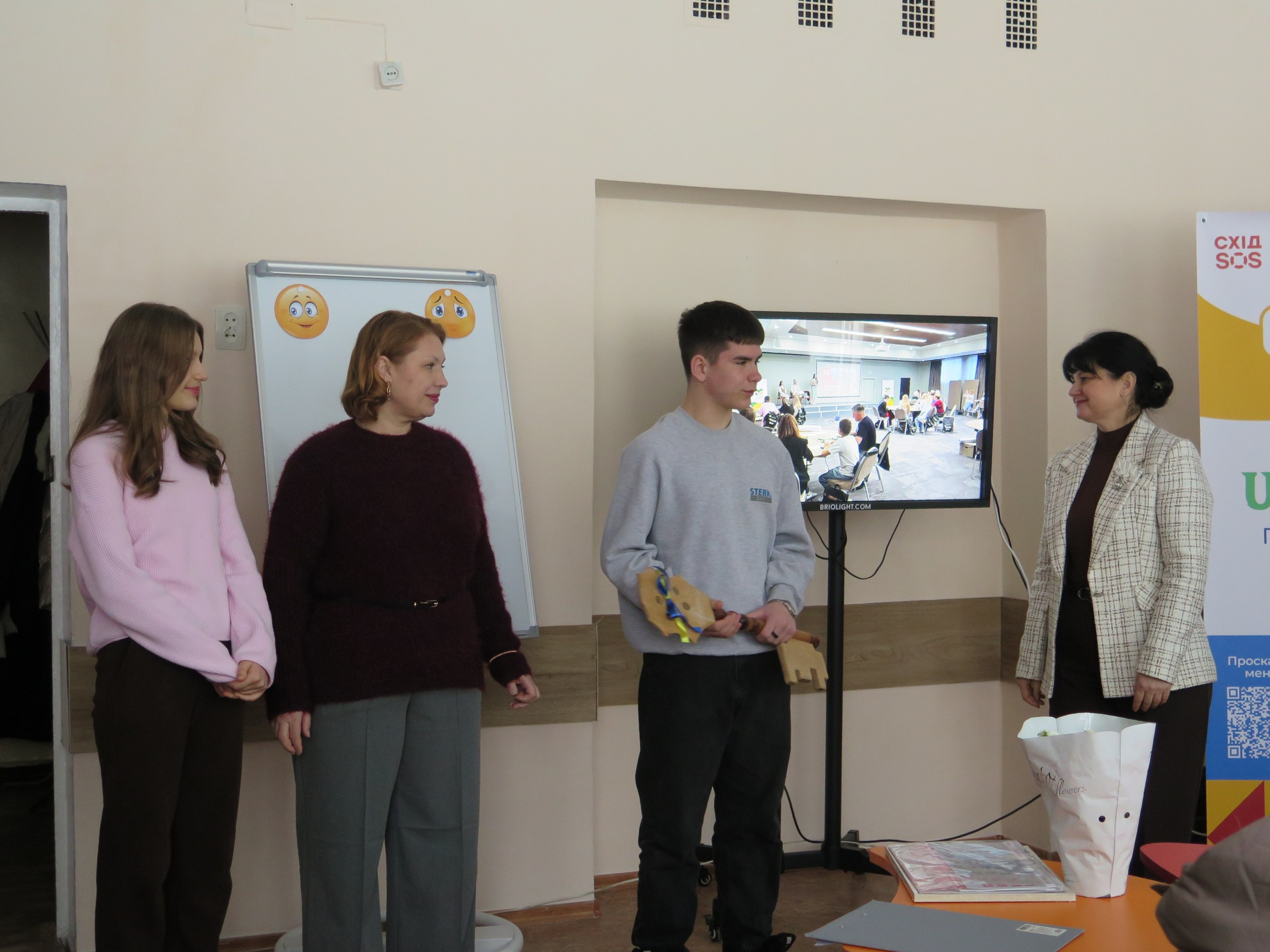
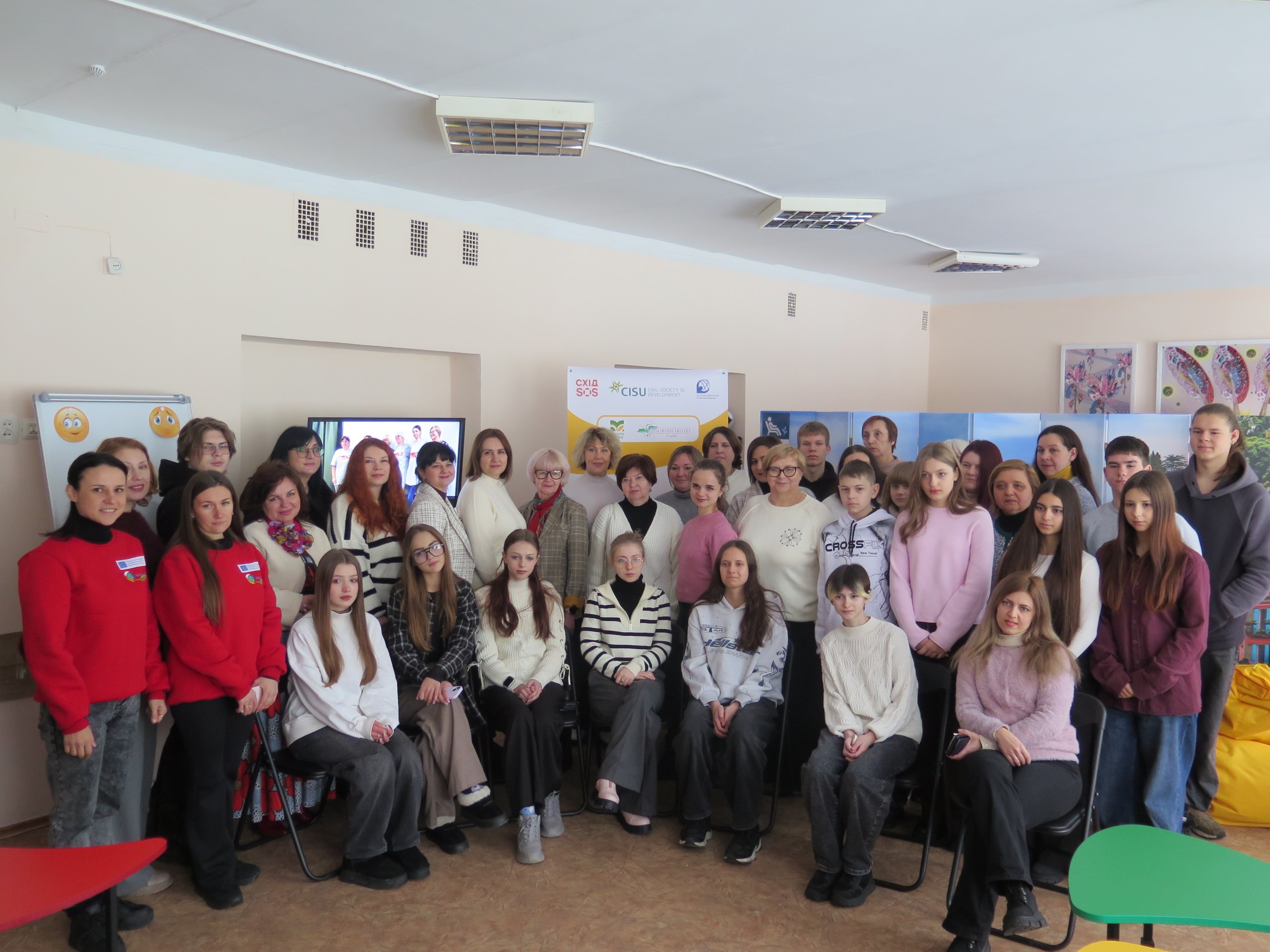
The official opening of UP-space took place on January 15, 2026, amid air raid alarms. Students, parents, and representatives of the local authorities were invited to the event to present the opportunities created by the school together with the community.
Due to problems with electricity and heating, the school had switched to distance learning. Therefore, Olena Volodymyrivna admitted, spending even a few hours offline together in the new space felt especially valuable.
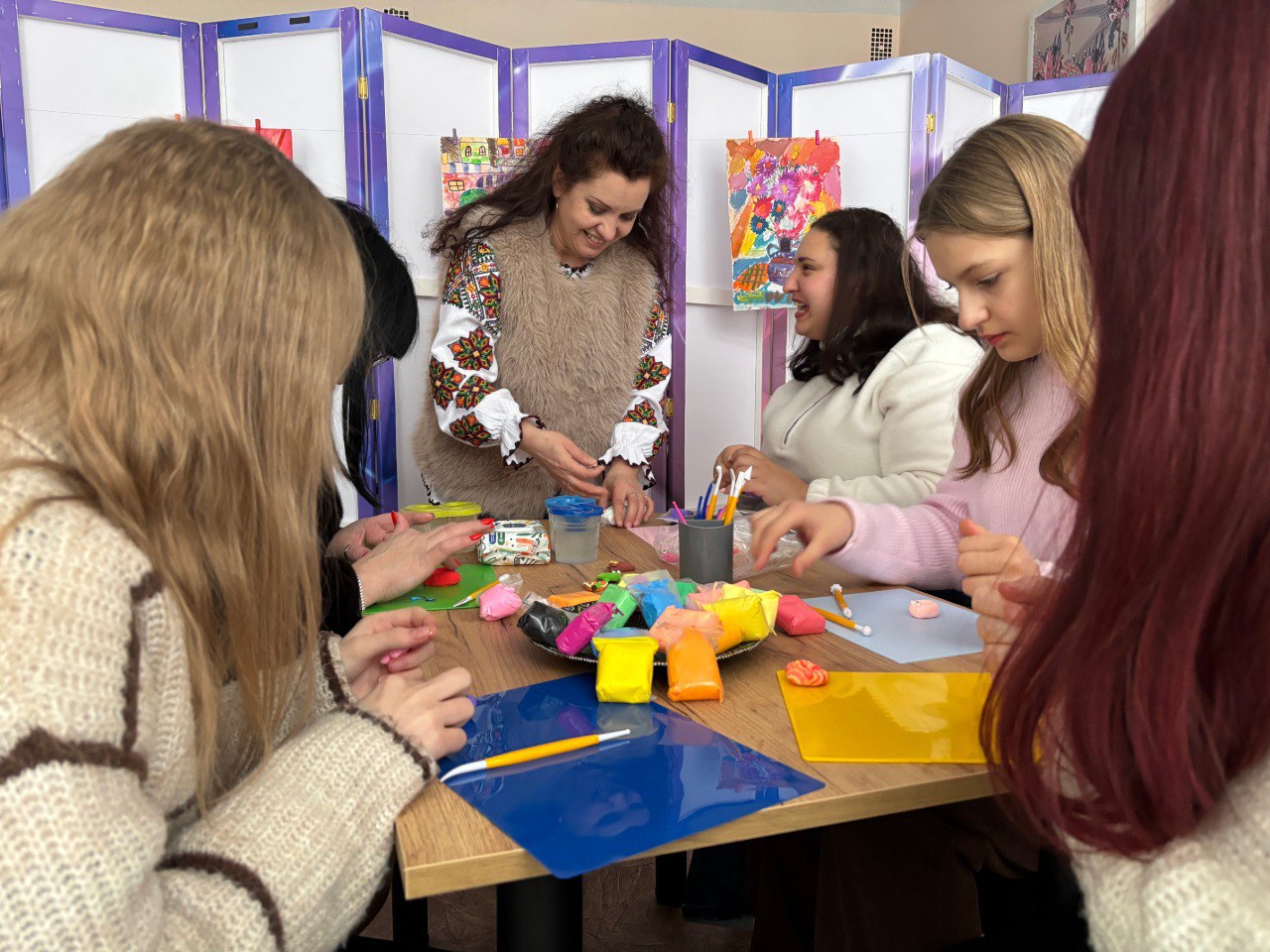
“Children miss live communication. They rushed to explore the different zones – playing the kalimba, beating the drums, molding plasticine. Parents shared the joy with their children and have already visited the space several times since the opening. We have also signed 20 partnership agreements with public organizations, the employment center, the hospital, the music school, and the library. They will organize psychological, social, and creative activities for the community at UP-space.”
While distance learning continues, the space is used for small group classes, as well as meetings with specialists for teachers and parents.
“We take part in numerous competitions, Olympiads, webinars, and projects of the Junior Academy of Sciences of Ukraine so that children do not feel that life has stopped. We want them to understand that the future depends on each of them – how they will live, how they will build themselves, their families, and their country.”
Olena Volodymyrivna, who once studied at Dyvosvit Lyceum herself and has dedicated 30 years to teaching mathematics and computer science here, admits that her greatest dream – shared by the entire community – is the end of the war. She wants the city to live again: for industry to resume, for children to return home, and for schools to work as they once did.
“We do not know what tomorrow will bring, but a school cannot wait – it must act. In the future, we want to expand this space into the schoolyard so that during the warm season we can watch movies together under the open sky. Our advice is simple: never stop dreaming and keep taking action.”
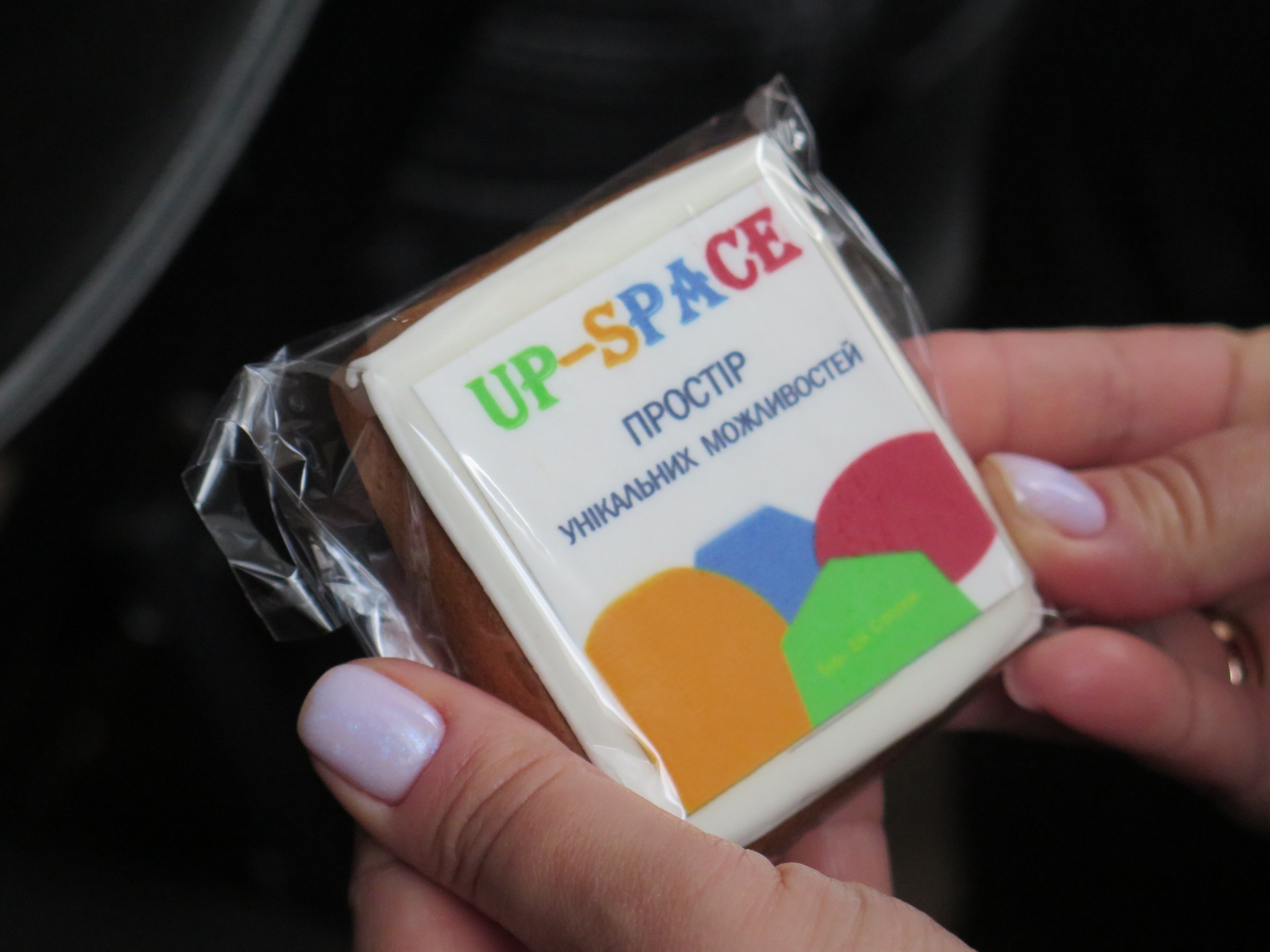
Did you notice? The name of the lyceum’s space carries several meanings. “UP” symbolizes movement upward, echoing the name of the project – School Up. At the same time, UP-space can also be read as “unique possibilities” – a space of new opportunities.
Project management training and equipment for the space were provided by East SOS as part of the project “School Up: Strengthening the Capacity of Frontline and Displaced Schools in Ukraine,” implemented in partnership with the Danish Helsinki Committee and with the support of CISU.
Read more about the 2025 pitching process and the projects presented by participating schools in another publication.