East SOS Team Supports Zaporizhzhia Residents After russian Attack
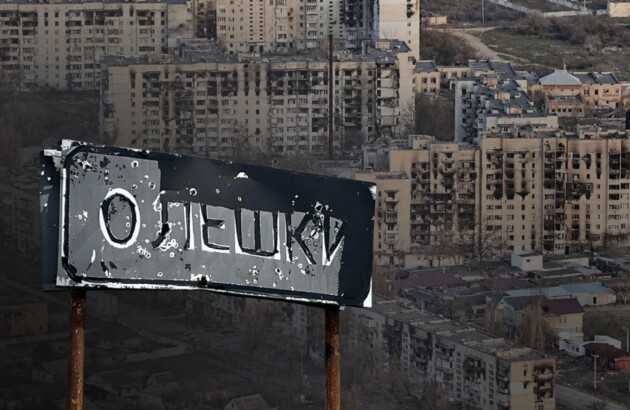
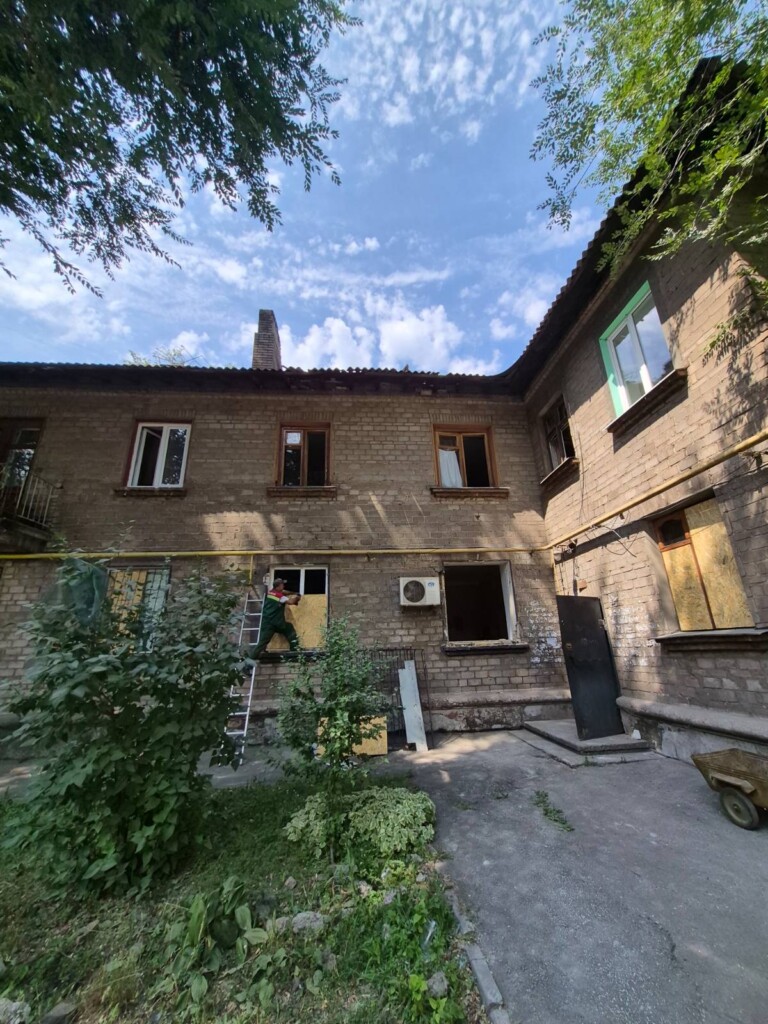
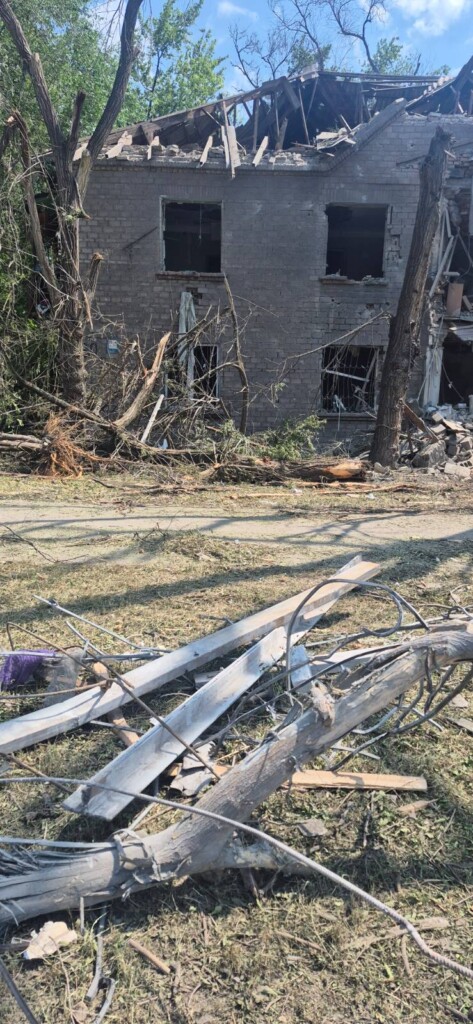
Zaporizhzhia continues to come under daily russian attacks. On the evening of July 3, the enemy forces struck five districts of the city using UAVs, FPV drones, and guided aerial bombs. At least 34 apartment buildings and 37 private houses were damaged.
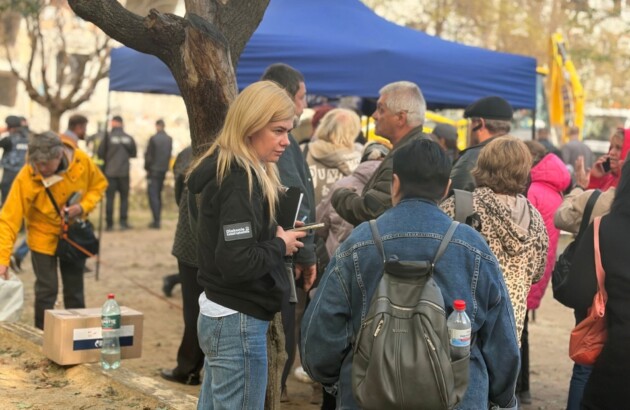
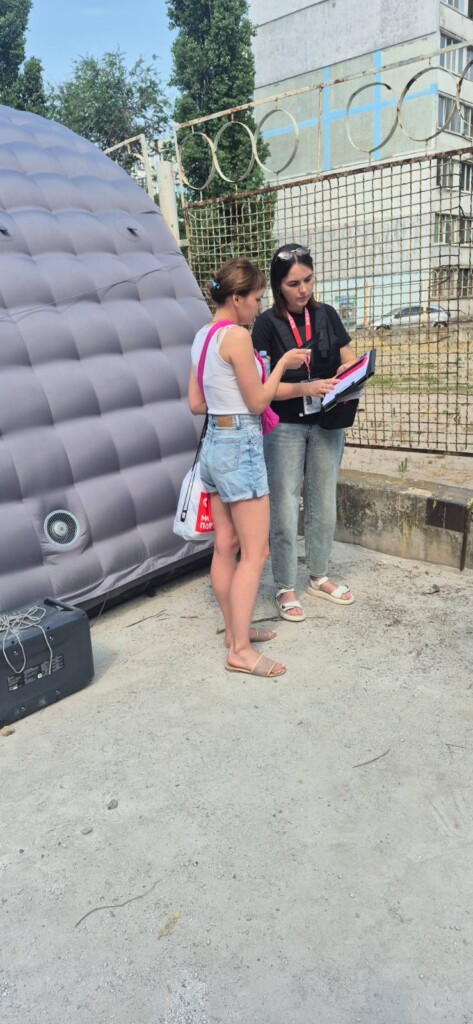
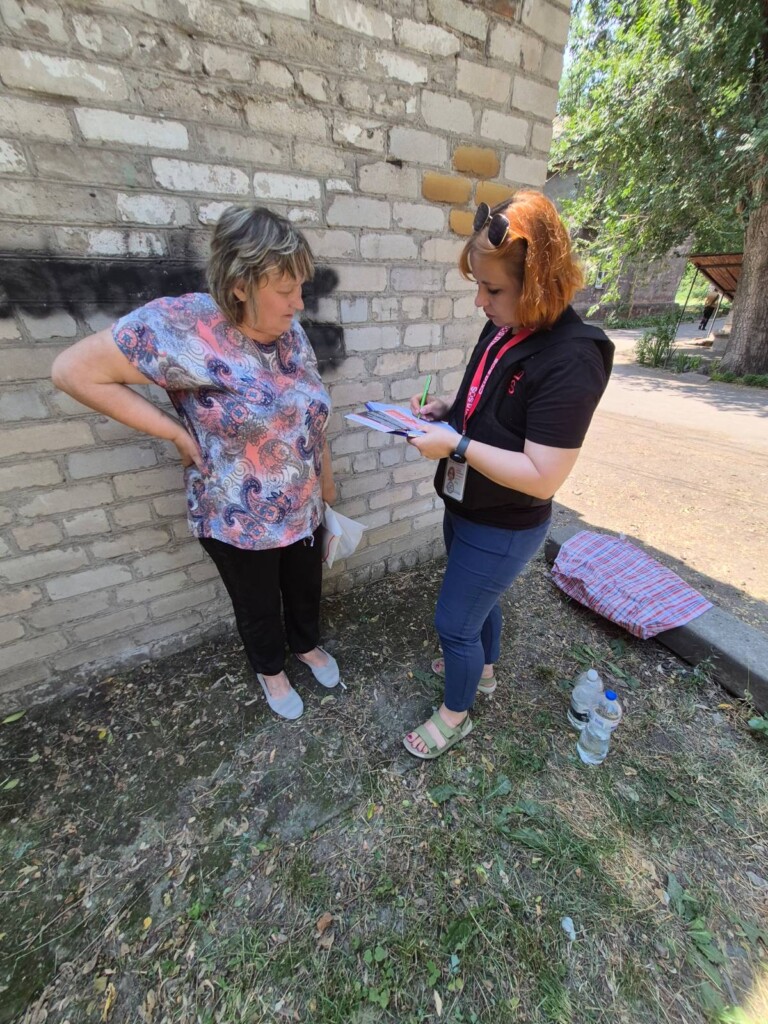
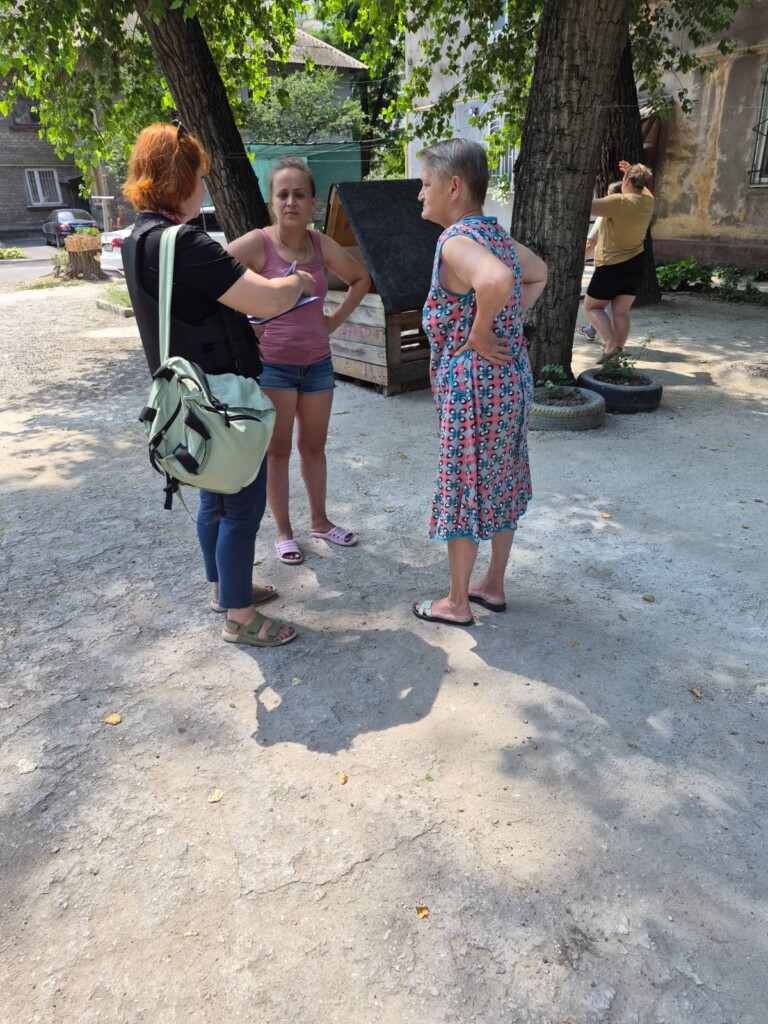
By the following morning, July 4, the East SOS team was already on-site, supporting residents of the affected neighborhoods.
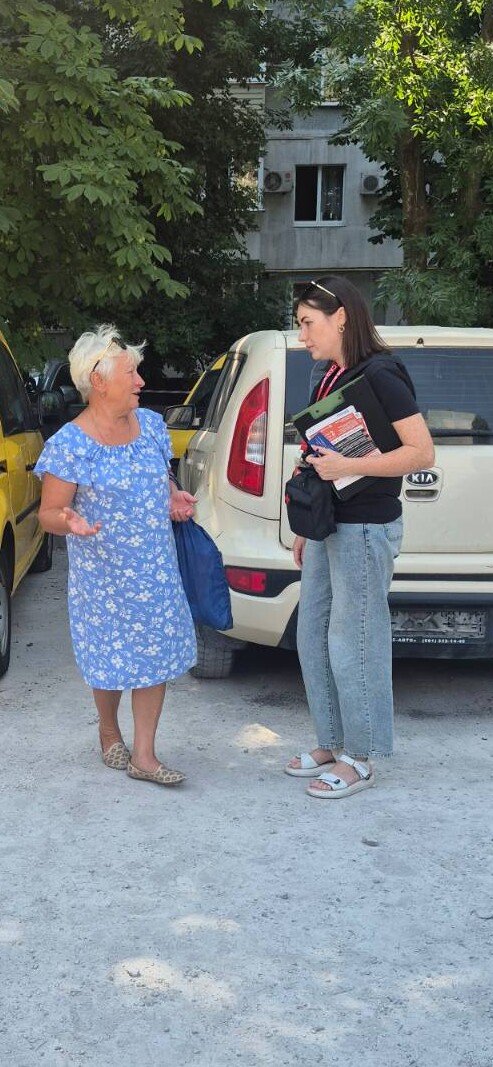
A Foundation psychologist provided eight consultations, helping people cope with acute stress reactions. A lawyer delivered 17 legal consultations, explaining the procedure for applying for compensation for damaged property, restoring essential documents, and handling inheritance-related matters.
“There were many people affected by the attack. Some had experienced panic attacks, while others were in a state of emotional shock. Residents didn’t know what to do next, and the children were deeply frightened. I helped people regain a sense of emotional stability and taught them several self-regulation techniques. Overall, people are exhausted by the constant shelling and live in a state of anxiety, as russian attacks on the city are becoming increasingly frequent,” said Svitlana Kopanytsia, the East SOS Psychologist.
If you or your loved ones are in Zaporizhzhia and need assistance, you can contact the psychosocial and legal support hub “Zatyshno Space”: 3 Pivdennoukrainska Street (opposite Mimmo restaurant, Myru Street stop).
Phone: +38 (097) 021 41 53.
You can also reach the East SOS hotline Monday to Saturday (8:00–18:00) at: 0800 332 614.
We also provide consultations via messengers:
+38 099 710 48 72 (Viber);
+38 096 108 60 48 (Telegram).
Psychological support was provided within the project “Protection and Essential Psychosocial Support for War-Affected Residents in Frontline Areas” (2026-2027) with financial support from the German Federal Foreign Office.
Legal support to those affected has been provided as part of the project “Integrated Humanitarian Response for Conflict-Affected Ukrainians and Third-Country Nationals in Ukraine, Poland, Romania and Moldova” with the support of Diakonie Katastrophenhilfe and with financial support from the German Federal Foreign Office.