East SOS Completes Drilling of a New Well to Restore Water Supply in Zarozhne, Kharkiv Oblast
Soon, 700 residents of Zarozhne in the Chuhuiv hromada will once again have reliable access to water. The East SOS team has completed the drilling of a new artesian well that will help restore the village’s centralized water supply.
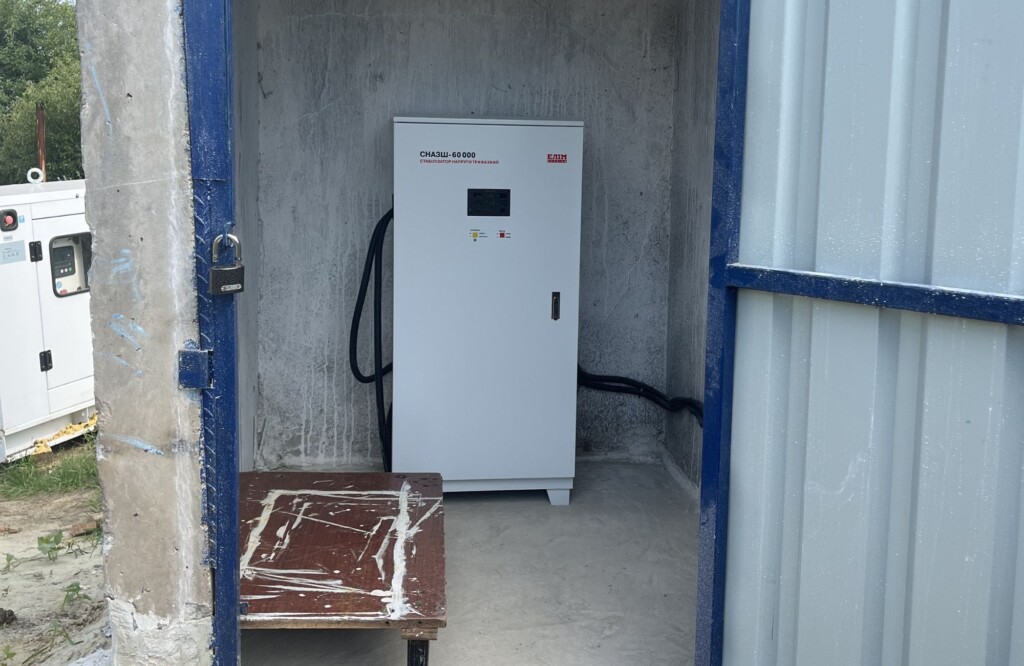
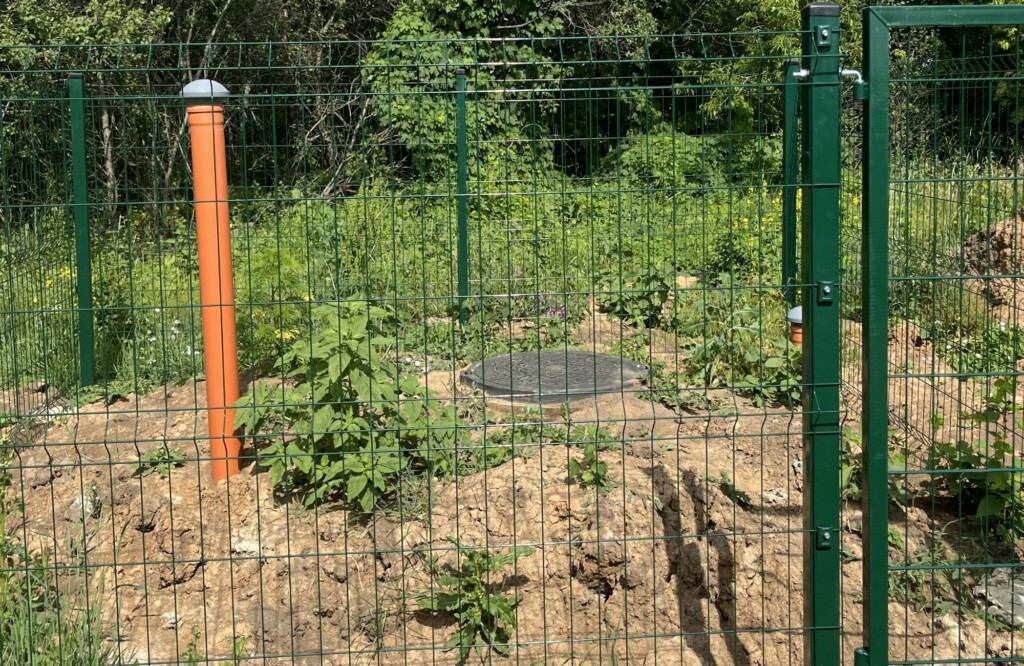
The previous well, which had supplied water to the hromada, was damaged by russian shelling. As a result, local residents lost reliable access to one of the most essential resources.
The new well is 125 meters deep and has a capacity of 7 cubic meters of water per hour. Water will be pumped to the water tower and then distributed to households through the centralized network.
“For frontline hromadas, access to water is not just a matter of everyday comfort – it is essential for meeting people’s basic needs and maintaining critical social infrastructure. Local wells and other independent water sources enable hromadas to restore vital services more quickly and reduce their dependence on networks that may be damaged by hostilities,” said Oleksandr Shmaniov, Infrastructure Manager of the East SOS Reconstruction Program.
Learn more about the restoration of the water supply system and the importance of autonomous water sources in the Deutsche Welle report.
We remain committed to strengthening the resilience of war-affected hromadas and restoring people’s access to essential services.
The Foundation has already implemented a number of projects to improve access to water in frontline hromadas. During 2024-2025, we equipped three water stations in Dobropillia hromada, three in Kostiantynivka, and two in Druzhkivka with water treatment systems. We also drilled wells in Kostiantynivka and Druzhkivka and installed a well providing technical water in Oleksandrivka.
In June 2026, East SOS also completed the current repairs of the water pipeline in Dokuchaievske, Kharkiv Oblast.
These operations were carried out as part of the project “Integrated Relief Support for Vulnerable Populations in Severely Affected Areas of Kharkiv Oblast”, with financial support from the Ukraine Humanitarian Fund (UHF)