Educational direction
Mission
Achievements
Projects
All projects about activities
Educational Catch-Up Camps "Easy Camp"
Empowering Ukraine's Civil Society: Strengthening Capacity in a Time of War
Support for War-Affected Vulnerable Groups and Residents of Remote Areas of Ukraine
Vital Assistance in Sexual and Reproductive Health (SRH) and Protection for War-Affected IDPs and Host Communities in Eastern Ukraine (2023/2024)

SCHOOL UP: Digital Competencies and Psychosocial Support
Supporting Ukrainian Society Through Capacity Building of Volunteers/Activists, Legal and Advocacy Support for IDPs
Institutional Support for the Charitable Organization “East SOS” in Assisting Victims of Russian Aggression in Ukraine
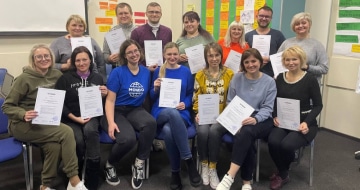
Expanding Mondo Digital Skills Training Program to Schools in the Crisis Region of Ukraine and Providing Psychological Support for Crisis Victims in the Luhansk Region
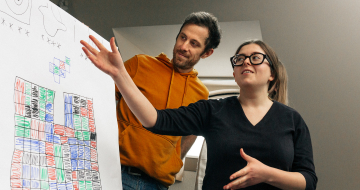
Supporting Youth Unity Through Interregional Educational Camps
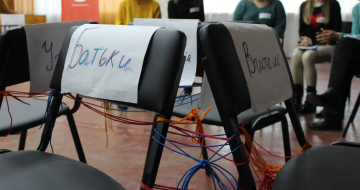
Human Rights Education for Schools in the Luhansk Region

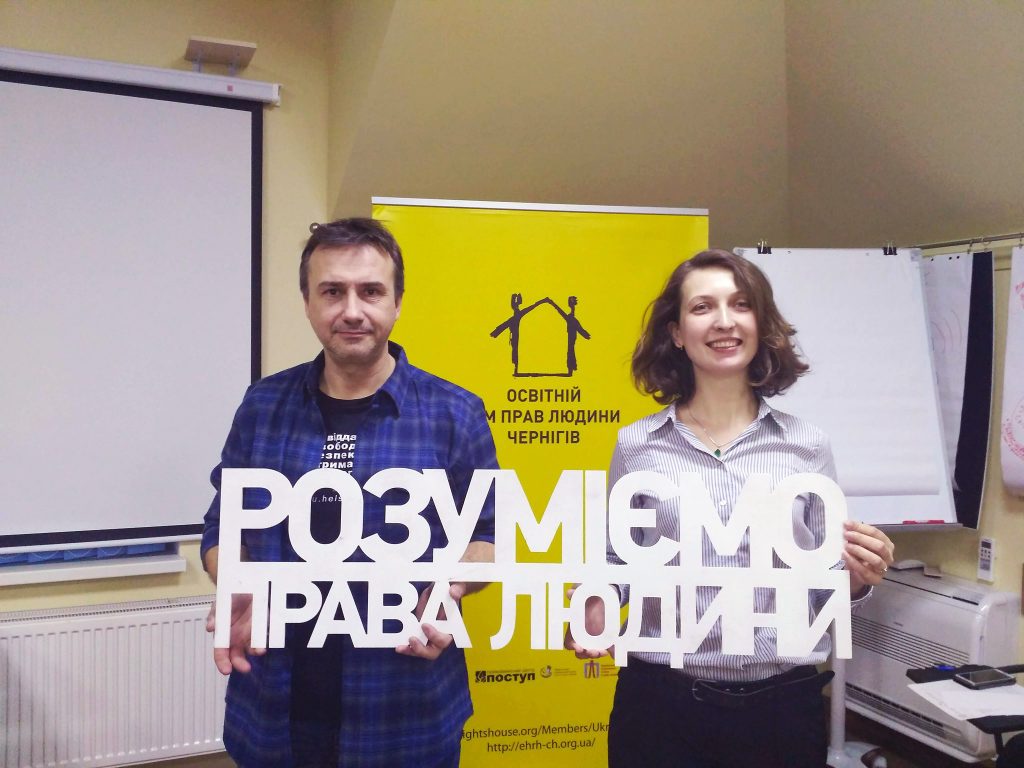
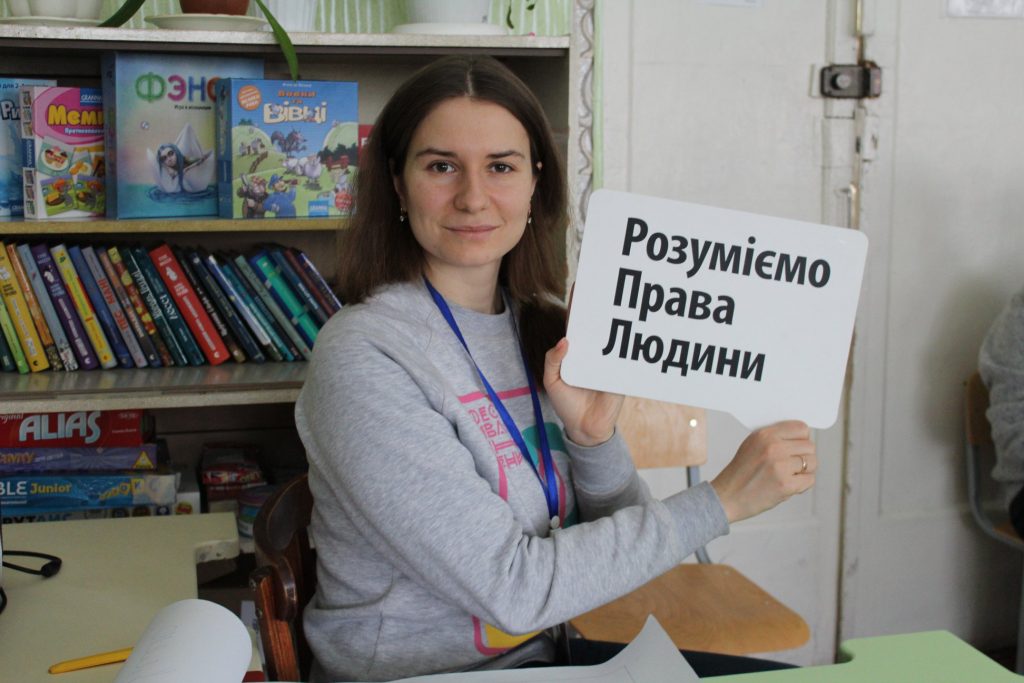
Global Education - Knowing Human Rights
Our Team
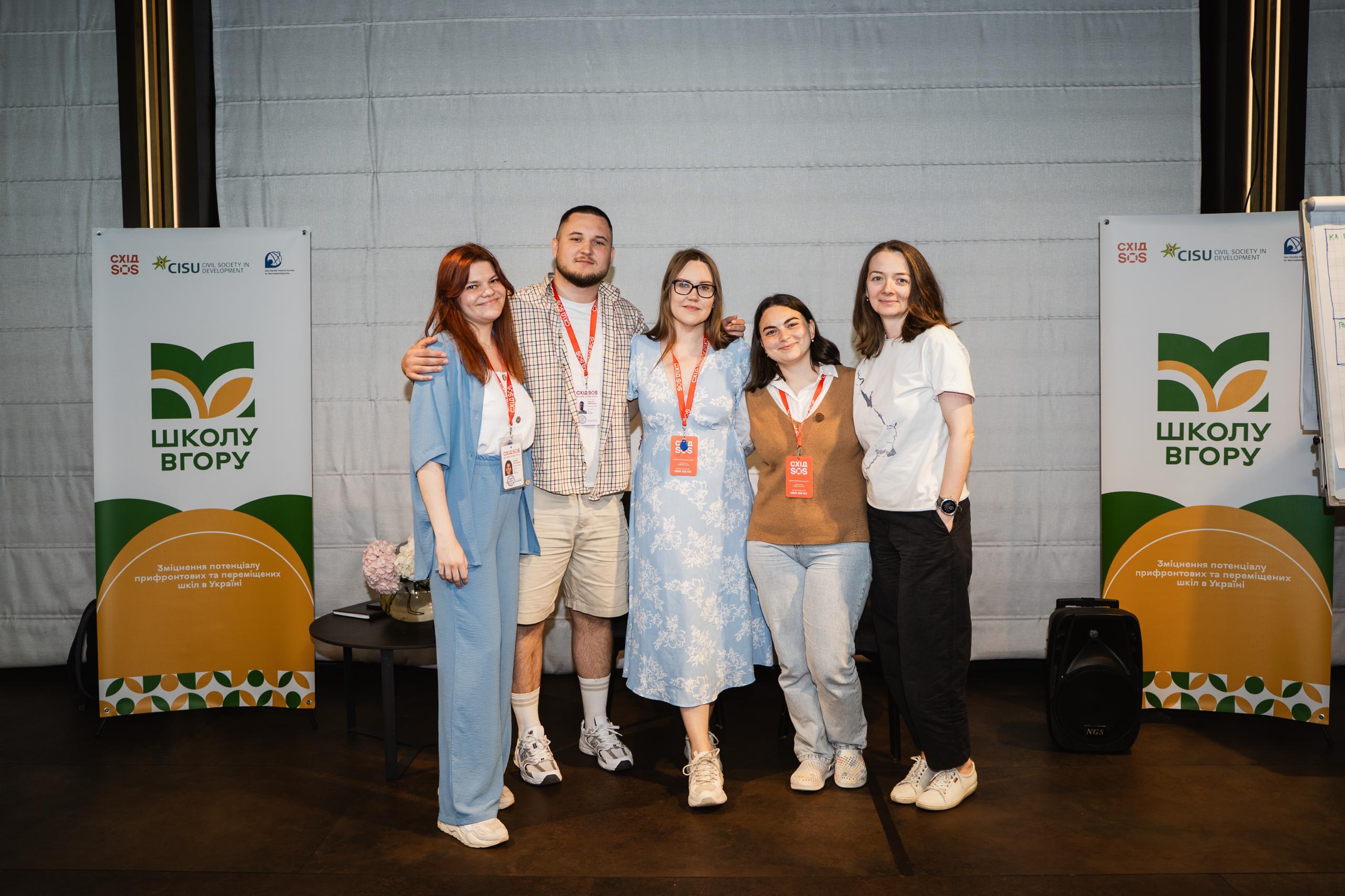
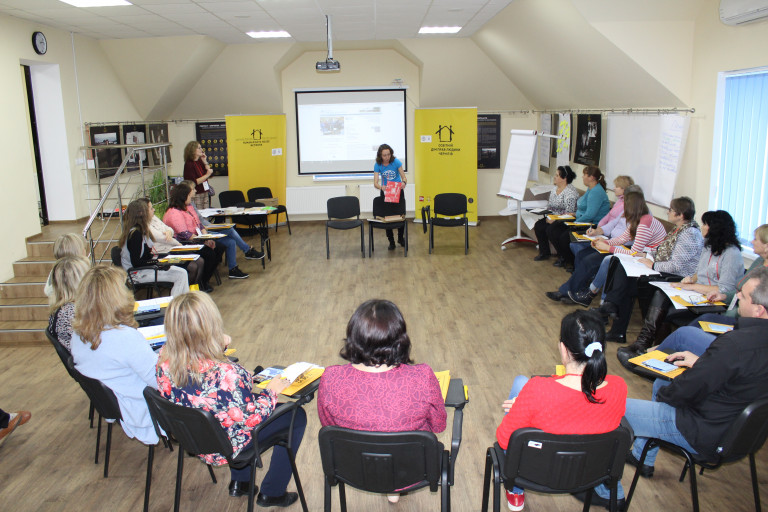
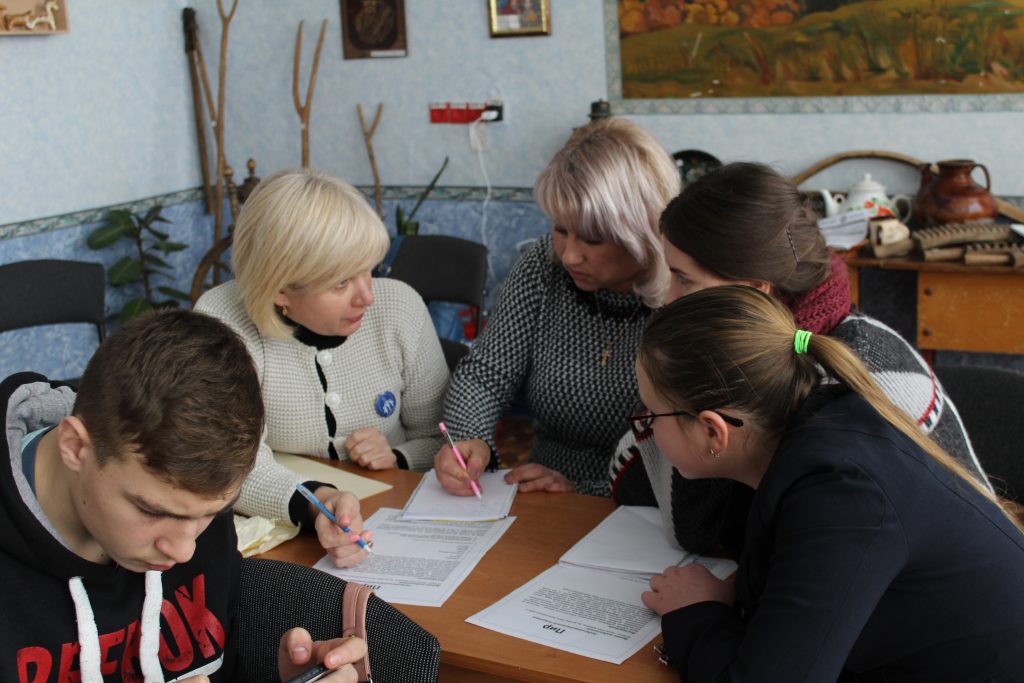
The educational team carries out its initiatives through several key components:
- Supporting educators from frontline, border, displaced, and de-occupied communities to ensure a high-quality and safe learning environment in wartime conditions.
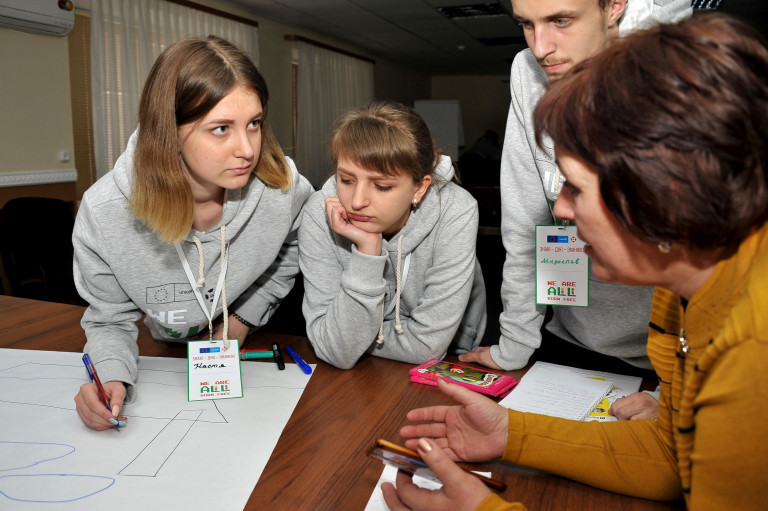
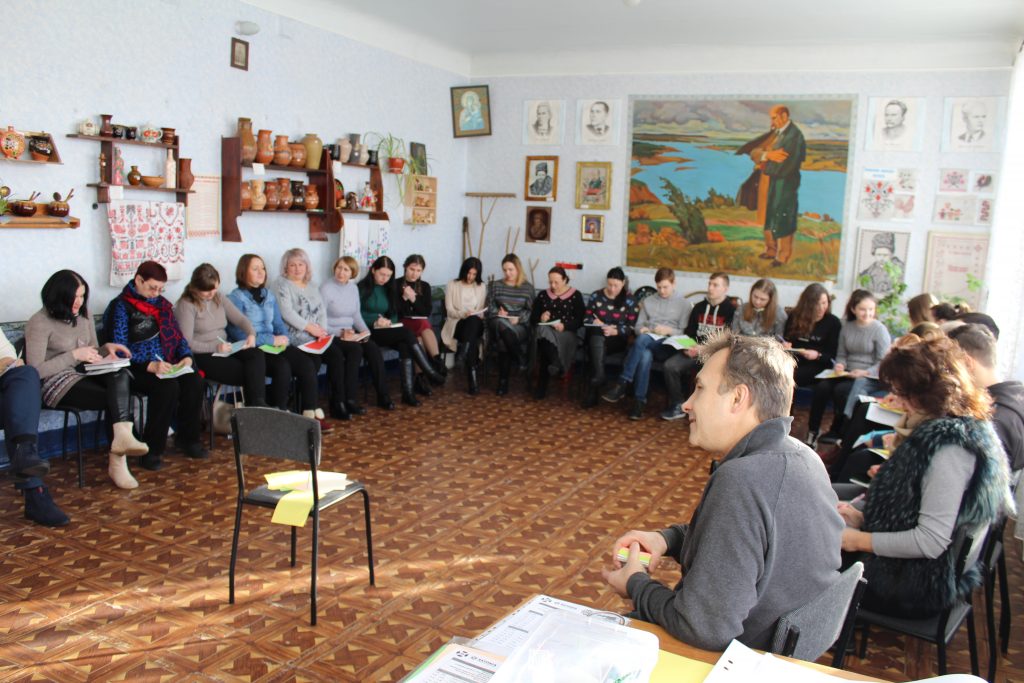
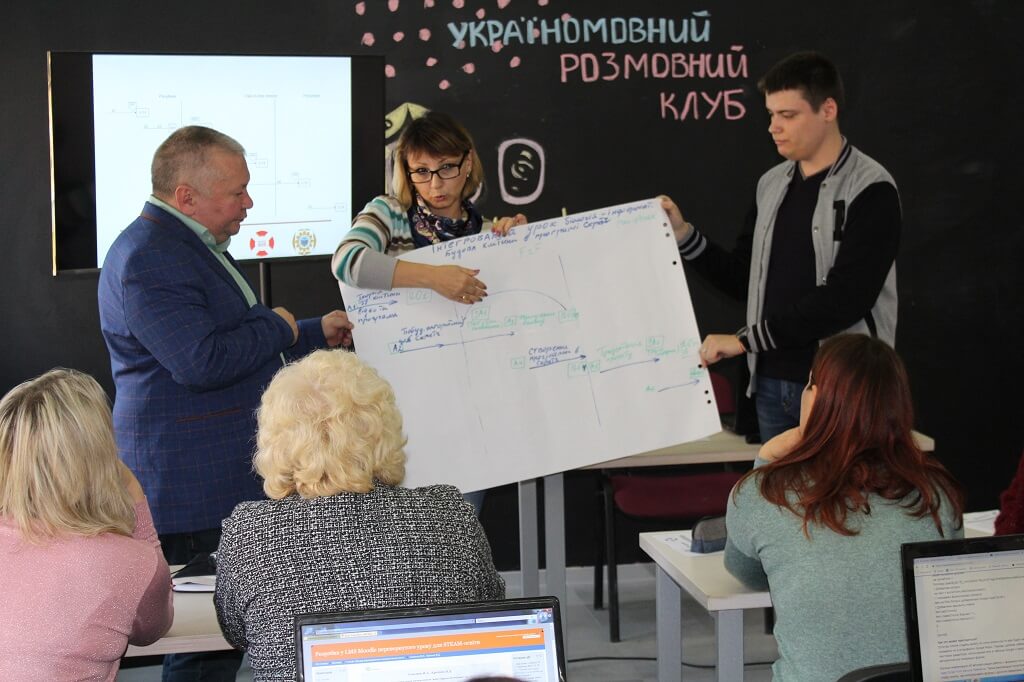
- Providing trainings in digital competences, information and cybersecurity, mine risk education, first aid, psychological first aid, and project proposal writing.
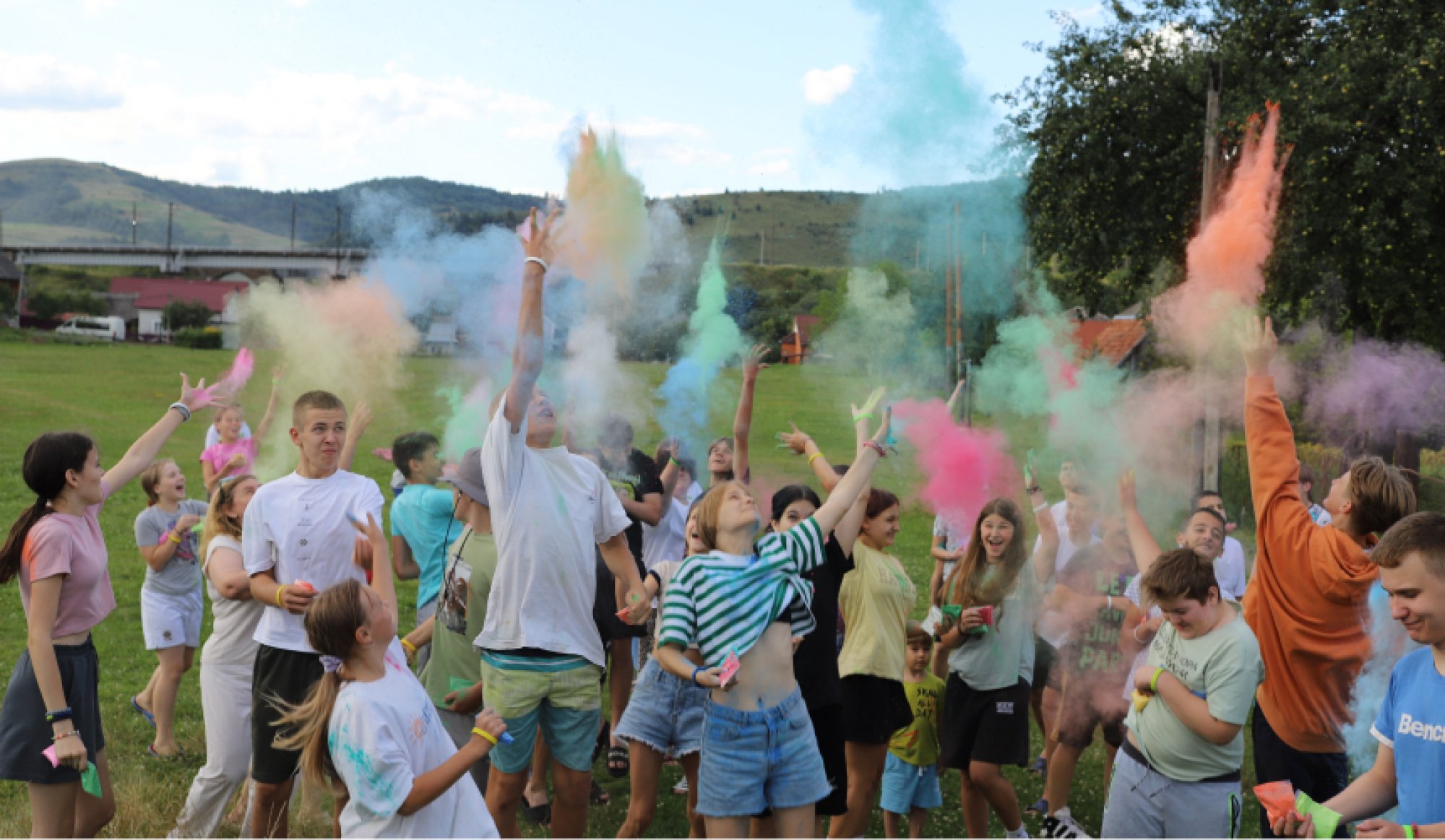
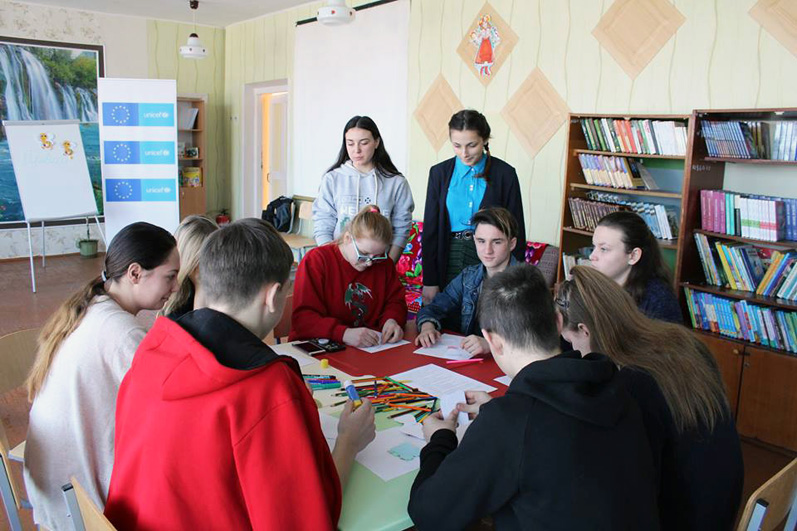
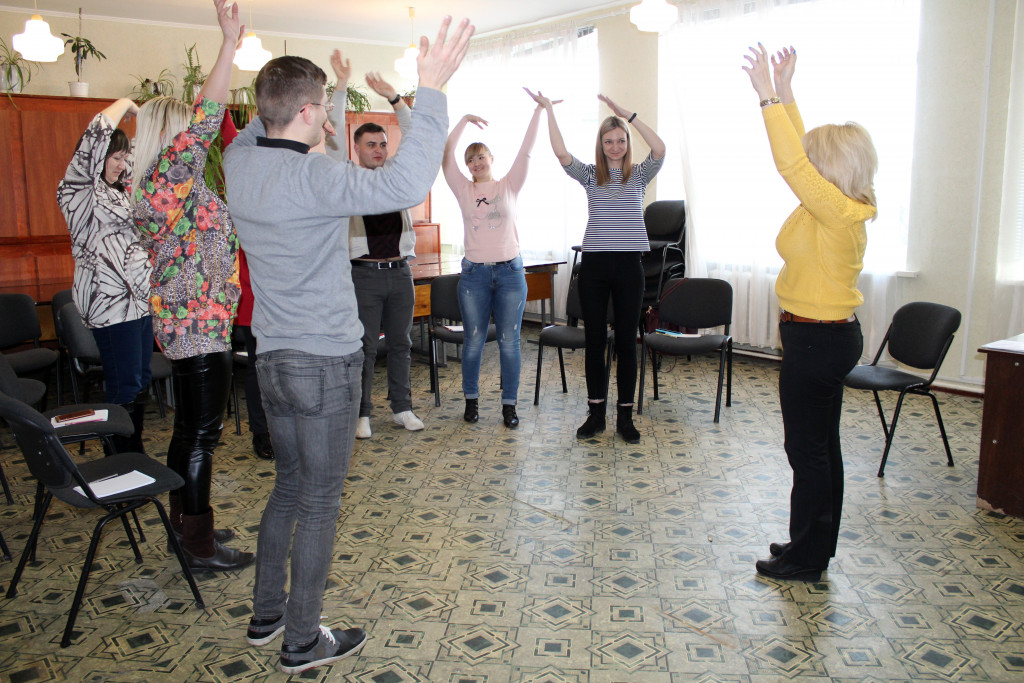
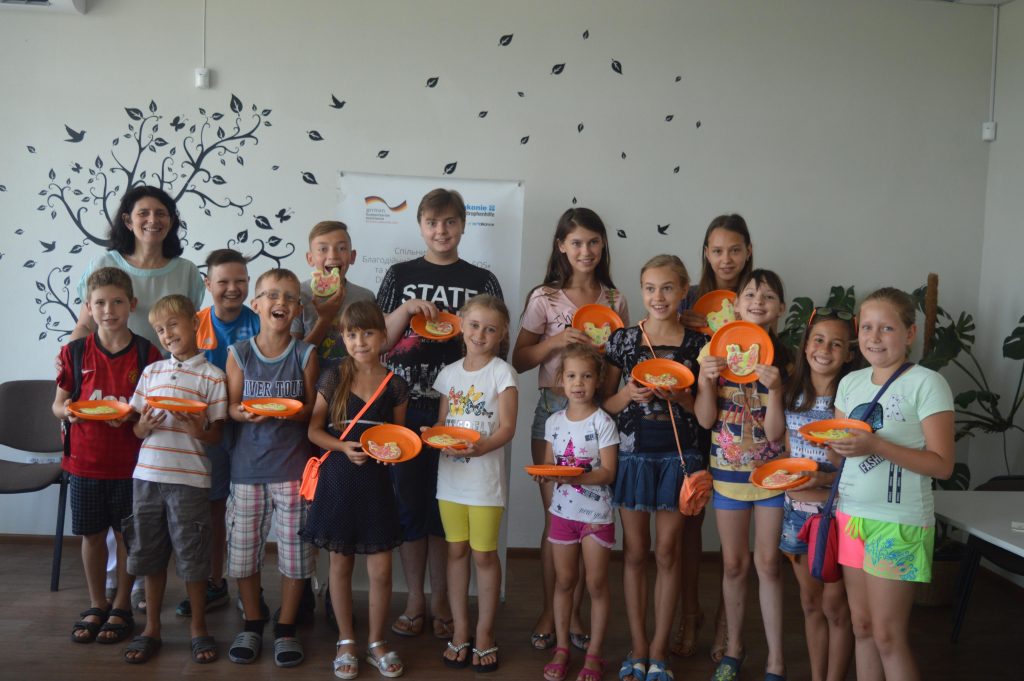
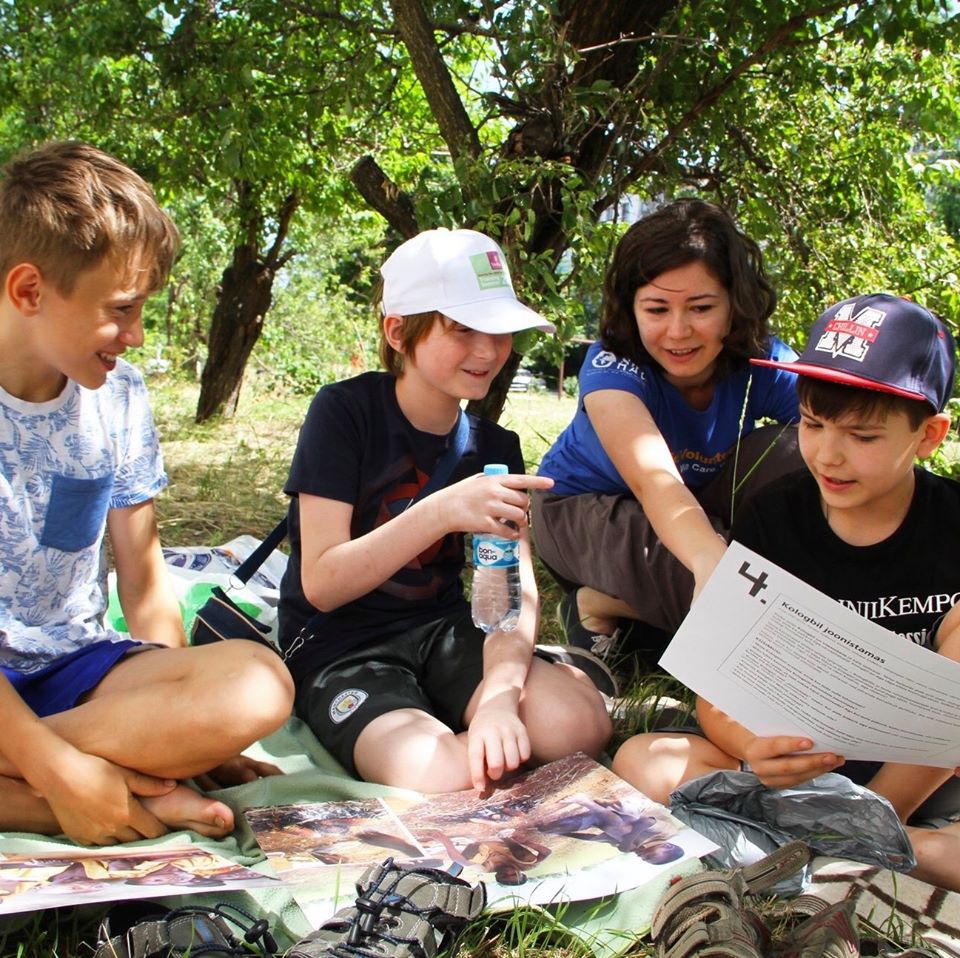
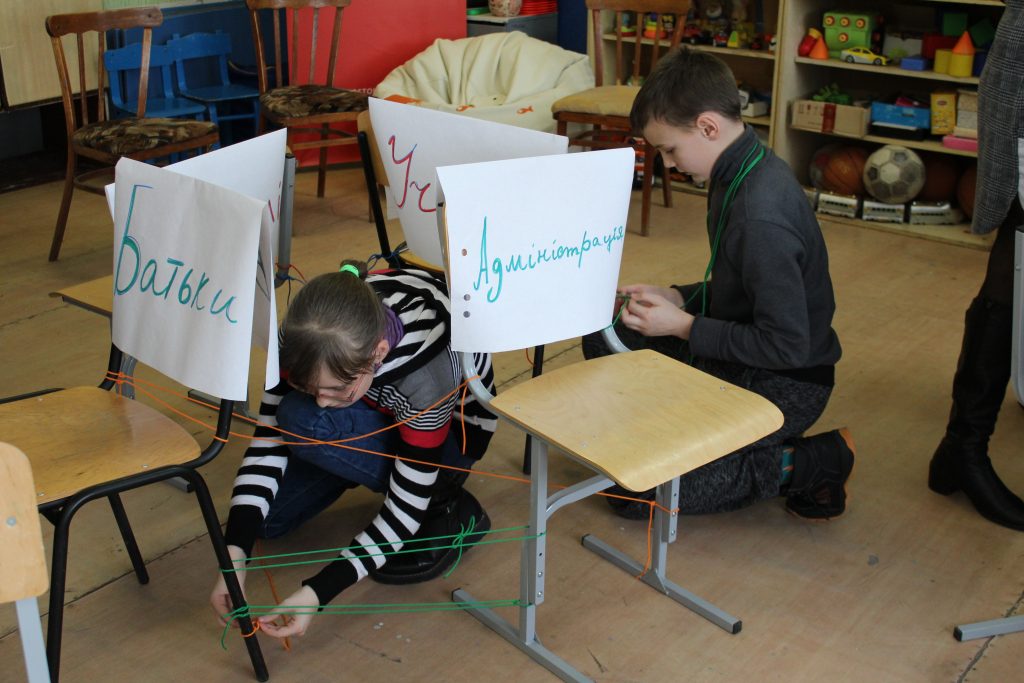
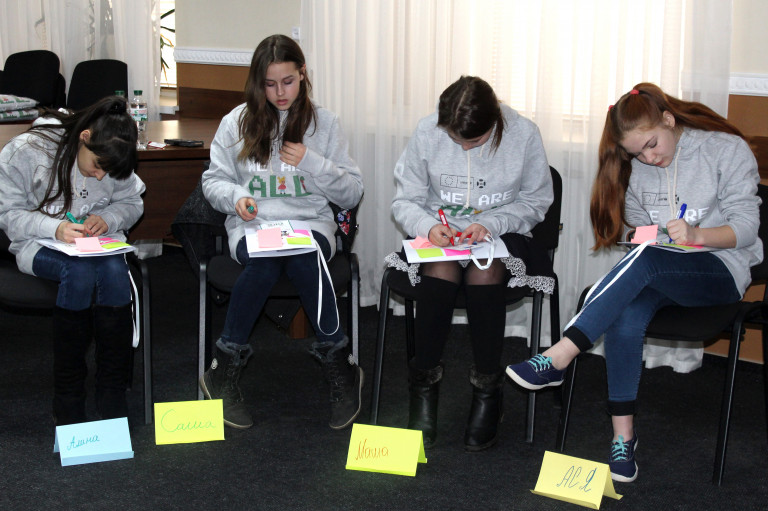
- Organizing day and field camps for IDP children, children from families in difficult life circumstances, orphans, and children of fallen heroes or those whose parents are in russian captivity; these camps focus on overcoming learning loss, providing psychological and emotional support, and developing interpersonal and social skills.
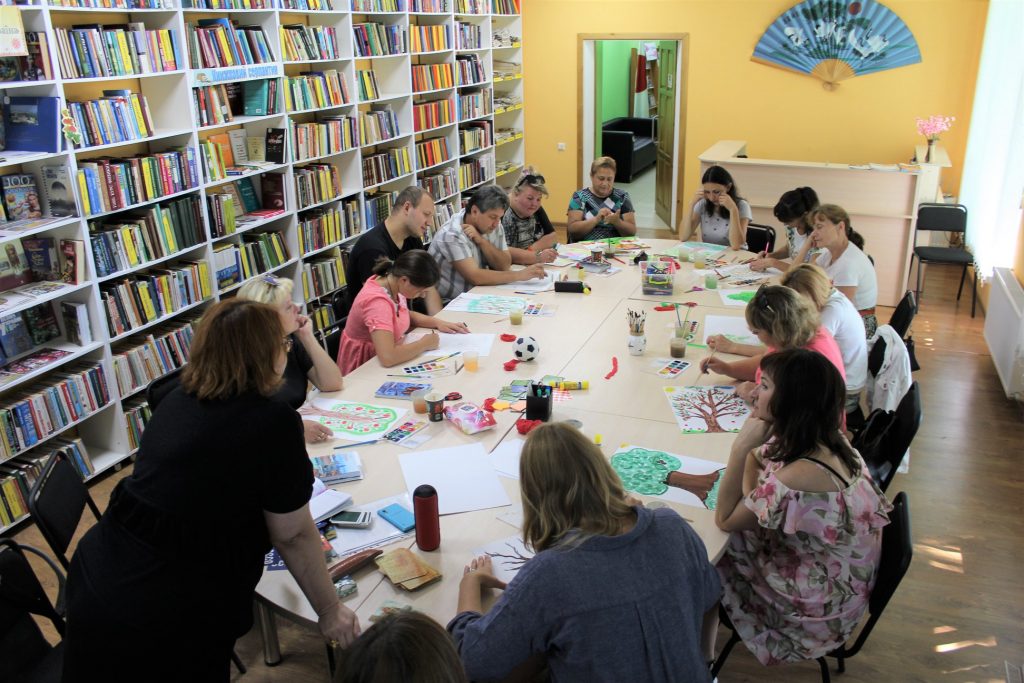
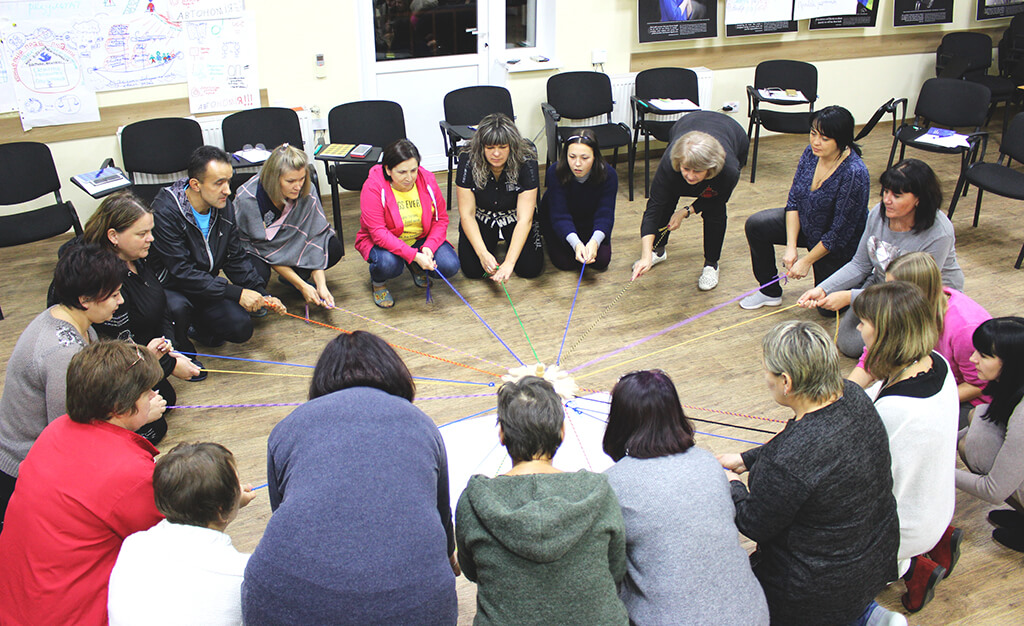
- Supporting the development of civil society by offering trainings, mentorship, and organizational assistance to activists and representatives of civil society organizations in the process of establishing or transforming their initiatives.
- Monitoring educational institutions in frontline and de-occupied territories to identify and assess current challenges and needs.
- Supplying charitable aid, restoring school shelters, equipping teachers and students with essential resources, and furnishing safety and psychological relief classrooms with necessary furniture and equipment.
- Advocating for changes to address the consequences of the war, such as raising awareness and improving university admission processes for applicants from temporarily occupied territories to Ukrainian higher education institutions.
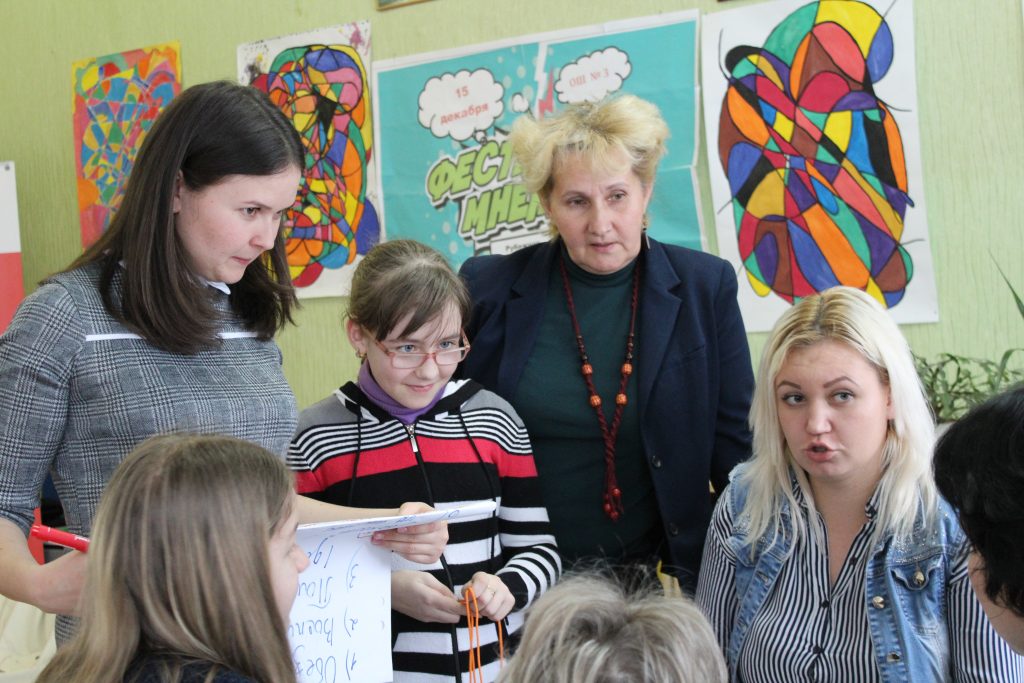
- Hosting the annual Opinion Festival to foster discussions on key social issues.
History
In the summer of 2016, we launched our Education Initiative. It was a direct response to the social and educational challenges facing the region two years after the beginning of the military conflict and the occupation of settlements in the East of Ukraine. There was a pressing need for development within local communities. Since then, our team has been providing comprehensive support directly to teachers, students, civil society representatives, and local authorities.
Over this period, projects based on human rights principles and global education practices were implemented in 45 educational institutions throughout the Luhansk Oblast. These efforts are continuously supported by additional activities, training sessions, expert counseling, and both methodological and material assistance. That same year, a network of activity centers was established in frontline communities.
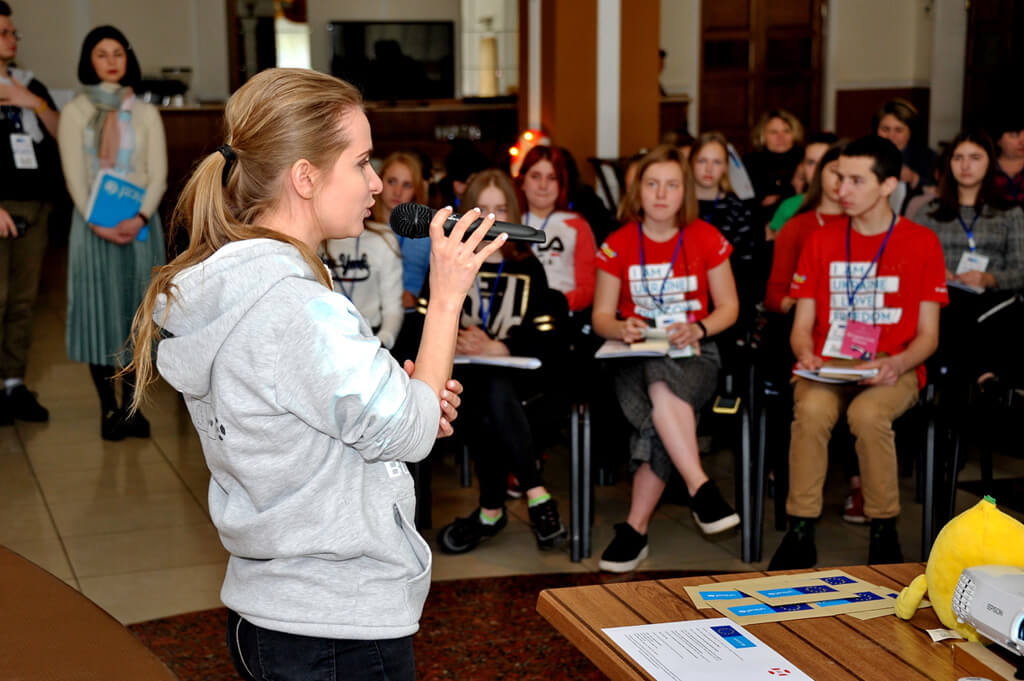
Our team launched the annual Opinion Festival, an intellectual platform for discussing socially important issues. Open to all, the event encourages debate and meaningful dialogue with quality feedback. It brings together opinion leaders, government representatives, public sector actors, and the international community to discuss key aspects of life in Ukraine. In 2023, following the temporary occupation of its original venue, the festival moved to Kyiv and evolved into an event of nationwide importance.
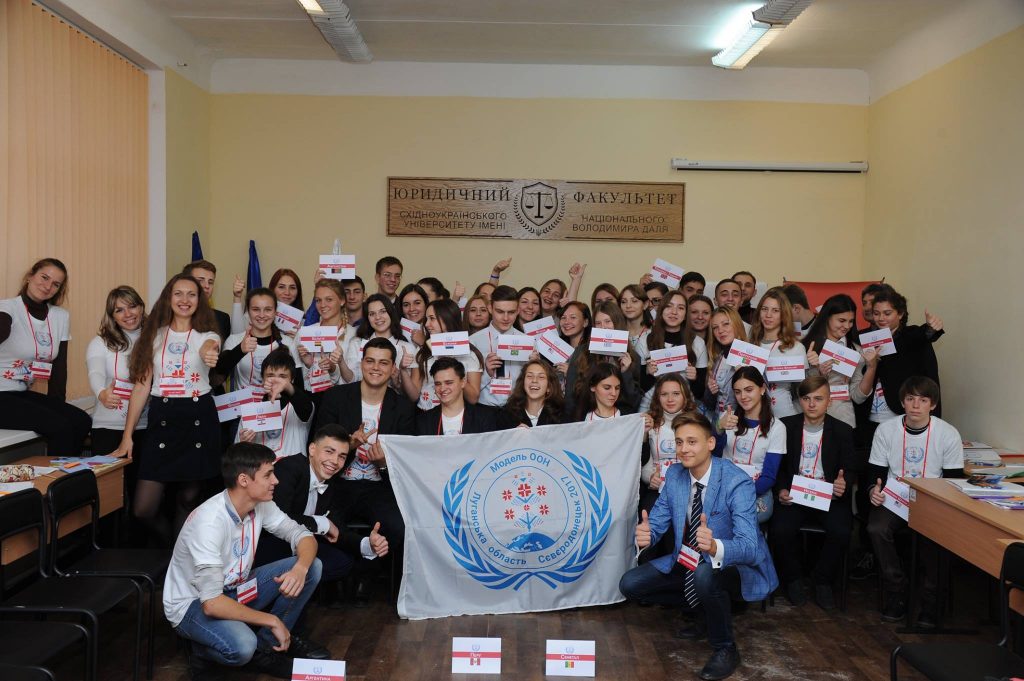
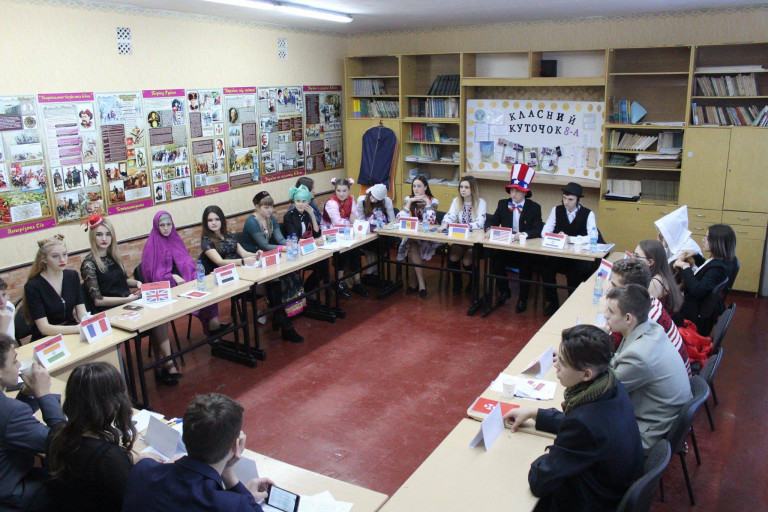
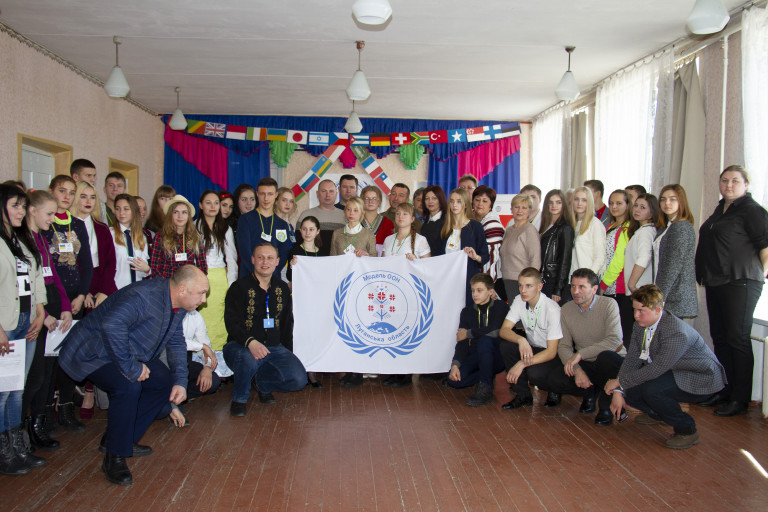
We introduced the school-based format of the Opinion Festival, organizing a scientifically practical game called Model UN in Luhansk Oblast. This game allows schoolchildren to simulate Assembly meetings, where they act as delegates representing world countries. It provides an opportunity to learn about decision-making processes and address the most pressing global issues.
During the game, participants discussed critical topics such as violations of children’s rights, financial literacy, and the responsibilities of teachers during the educational process etc.
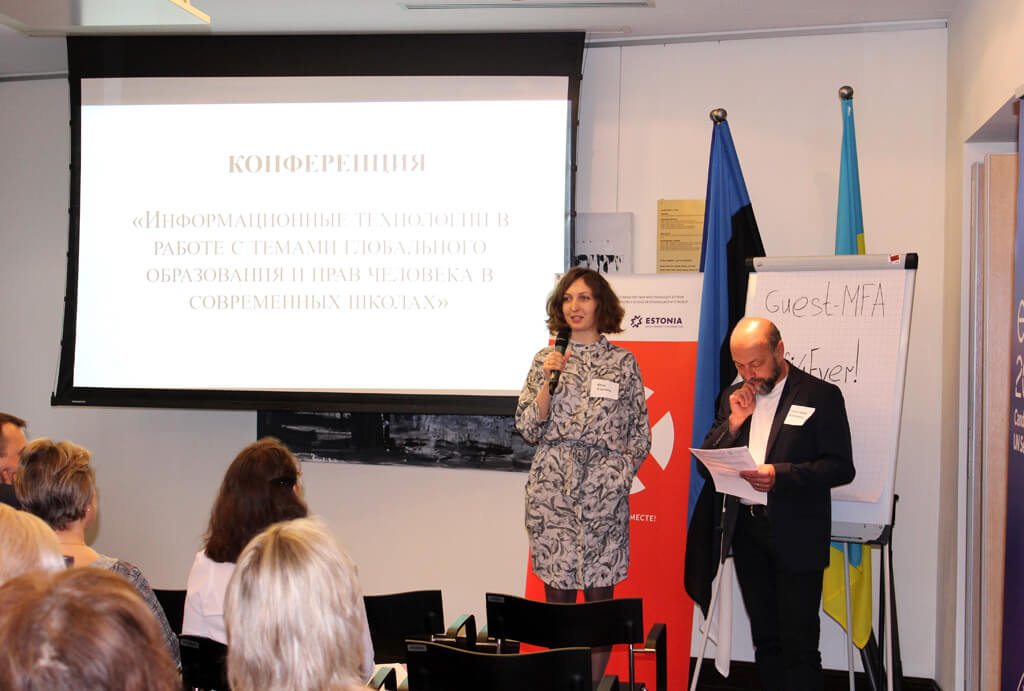
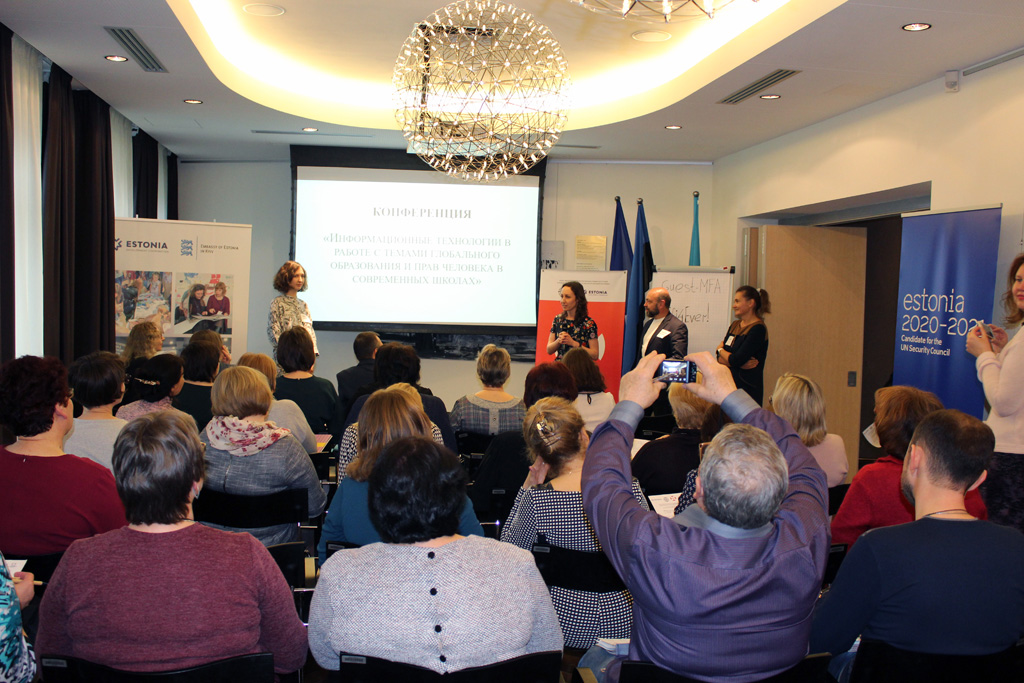
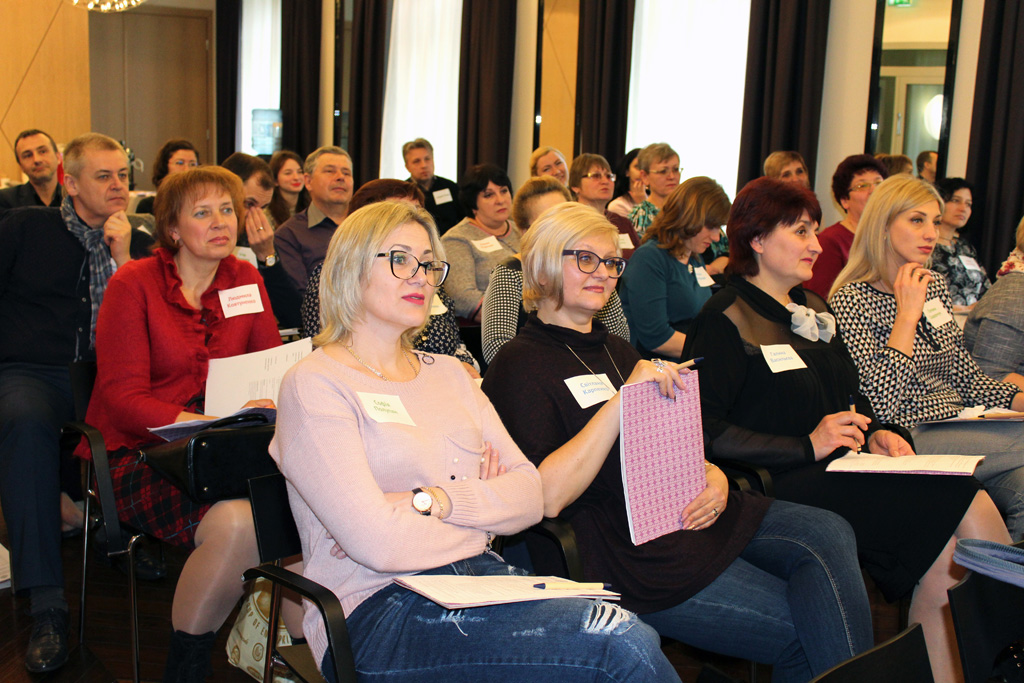
We organized thematic conferences for educators within the Global Education – Knowing Human Rights project in the Luhansk Oblast and School – A Human Rights Territory, which took place in Lviv, Shepetivka, Nova Kakhovka, Zolotonosha, Kryvyi Rih, Khmelnytskyi, and Drohobych. Additionally, we hosted a youth conference titled Znaiu! Diiu! Zminiuiu! (I Know! I Act! I Change!), and organized Education-Fest, which took place in the form of discussion platforms focused on pressing educational issues.
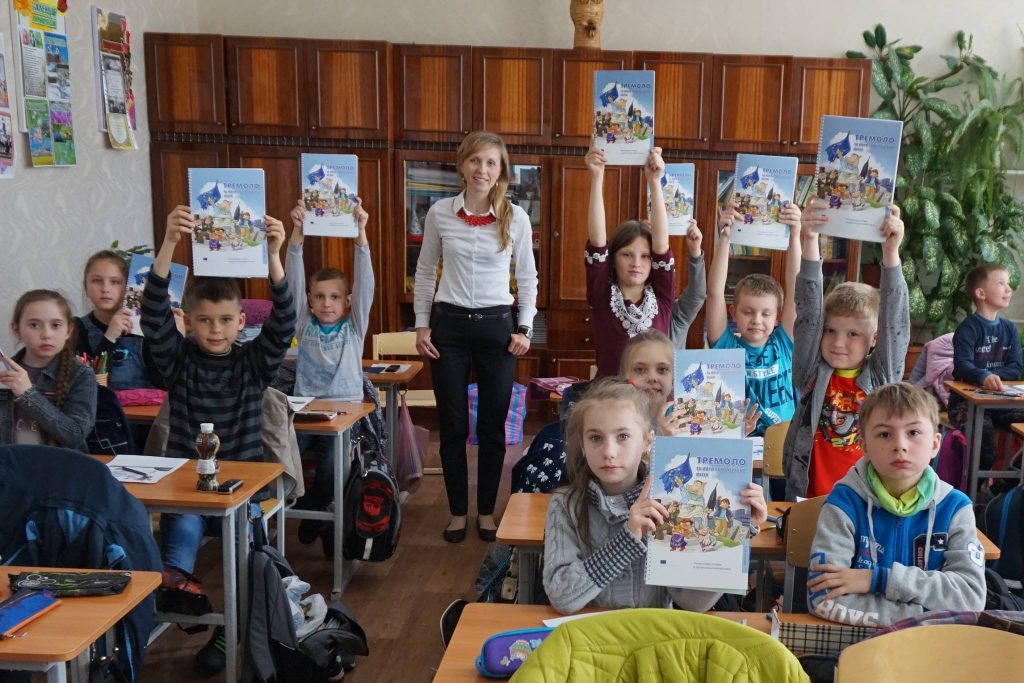
Furthermore, we held the third scientific and practical conference Model UN in the Luhansk Oblast, provided European lessons for middle school students, and conducted a series of training sessions.
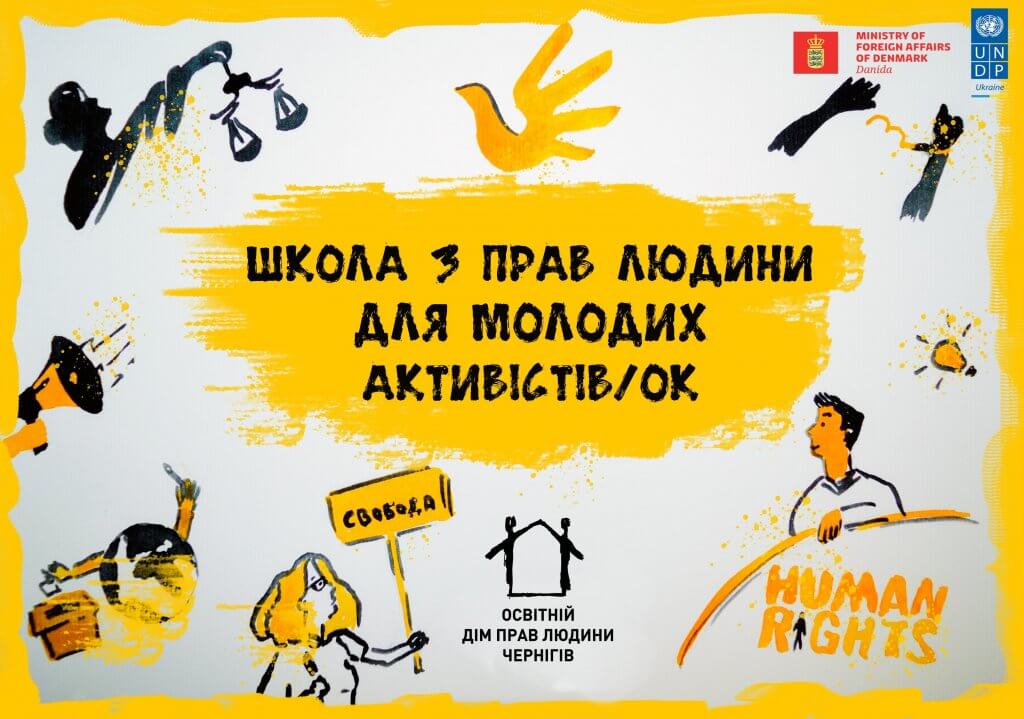
We continued implementing our projects within the initiative, including the Human Rights School: The Right to Be a Human Rights Defender. Additionally, we conducted a series of workshops and remote sessions for the training course Hurtom (Together): Strengthening Local Governance in Frontline Communities of the Luhansk Oblast, engaging representatives from local authorities and NGOs across 12 communities.
In October and April 2020, we introduced a project to engage volunteer teachers in schools across the Luhansk region (Novotoshkivka, Trokhizbenka, and Shchastia) to address severe staffing shortages in educational institutions located near the contact line.
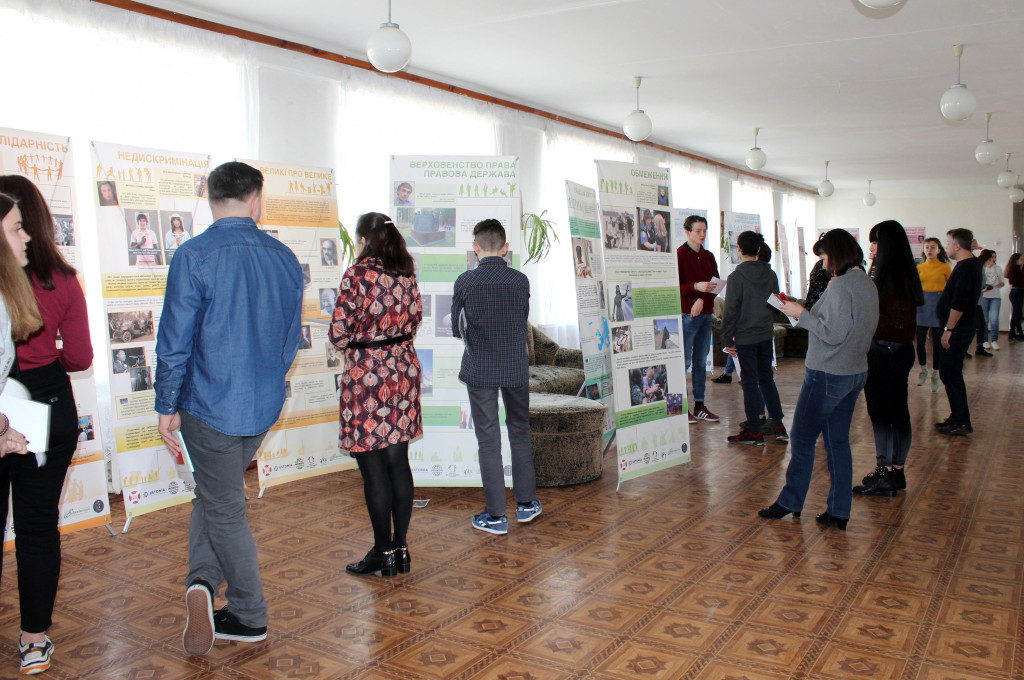
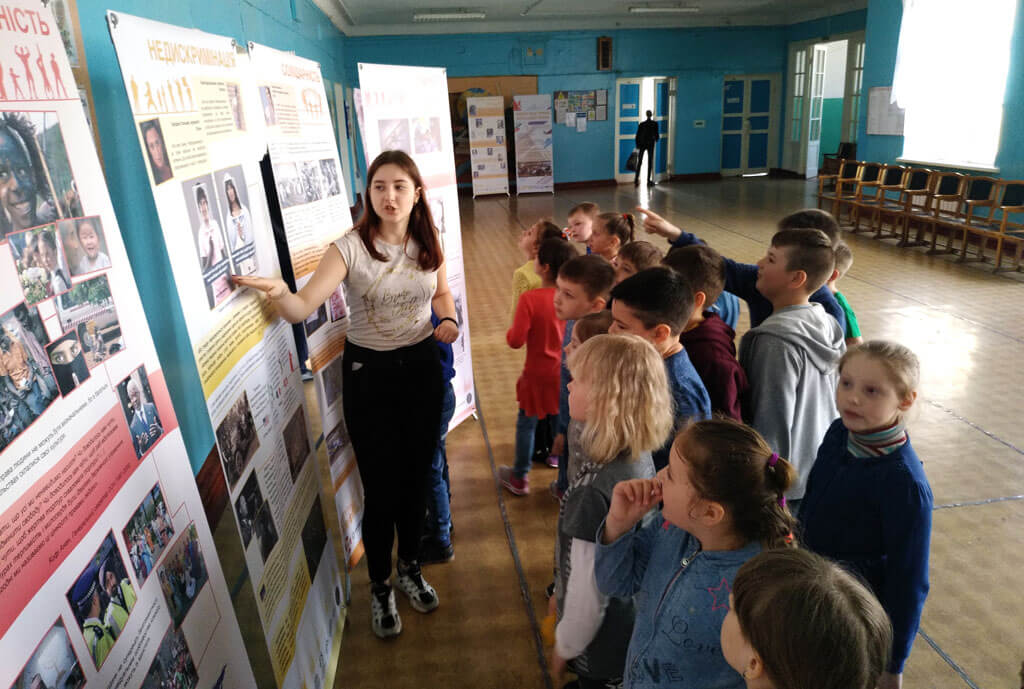
Additionally, we launched the Human Rights Education for Schools in the Luhansk Oblast project. This initiative was designed to encourage educational institutions to adopt human rights and democracy-based approaches in school management and the organization of the educational process.
We organized a training session and conference, Human Rights Education for Schools in the Luhansk Region, in Siverskodonetsk, where school teams focused on creating a learning environment where respect for human rights principles is central to teacher-student relationships. In May, we continued with thematic events for the project participants, providing further training and support.
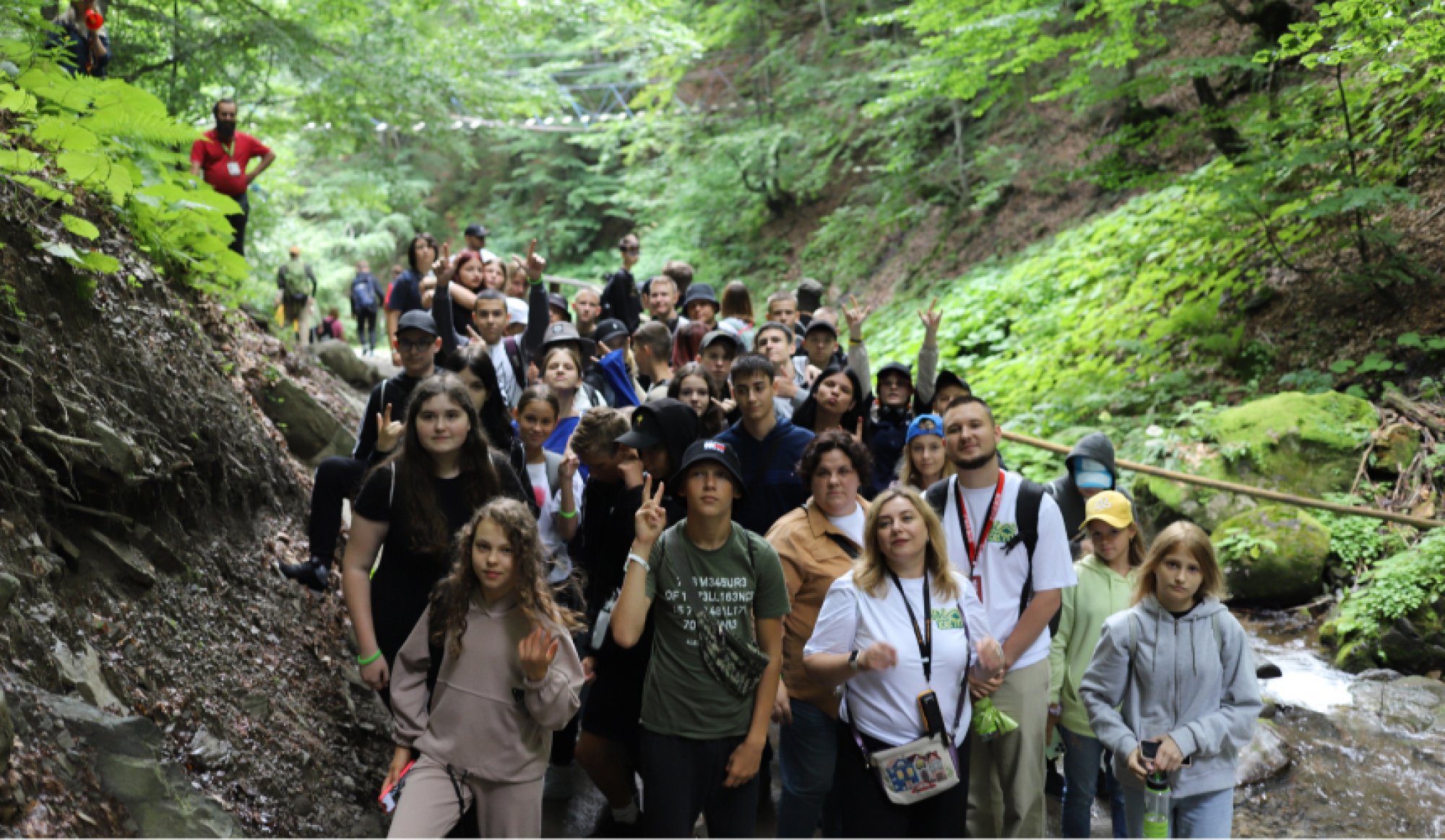
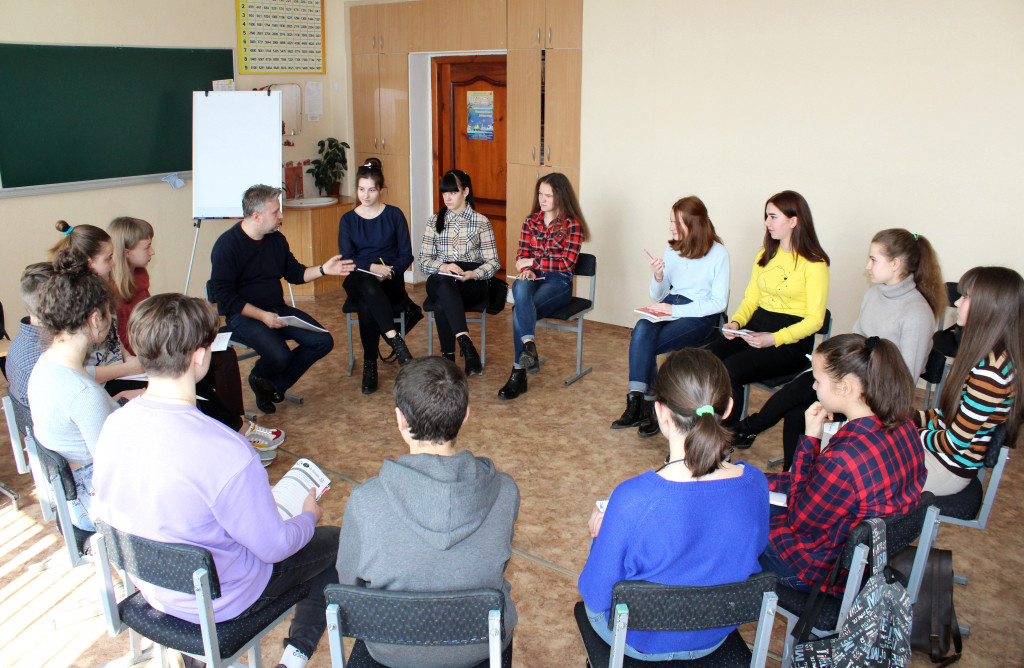
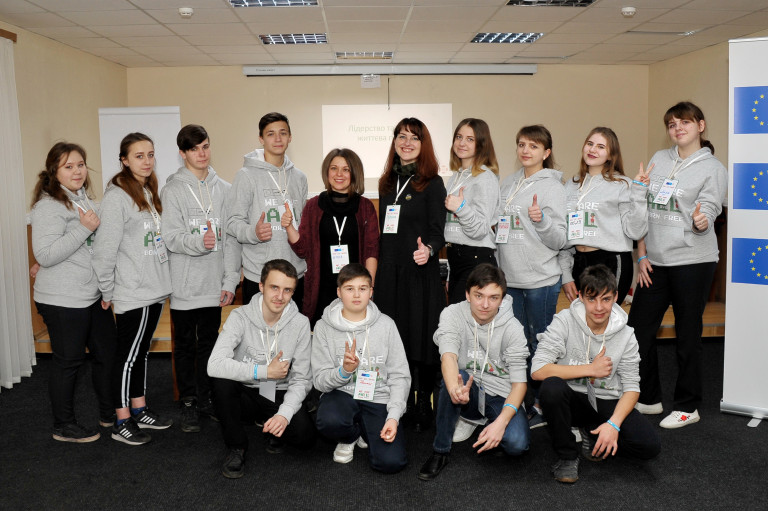
In April, we launched the first youth educational camp The Power of Diversity. The program was designed to strengthen social cohesion, promote national unity, and expand cross-regional cooperation. The camp’s key topics included anti-discrimination, human rights, and equality. A second camp was held in November, where participants focused on mastering the fundamentals of communication strategy. They also developed concepts for joint cross-regional projects designed for implementation across different oblasts.
We organized training sessions at the International Human Rights School for activists from Ukraine and Belarus.
To address key issues hindering the growth of public participation initiatives, we organized a roundtable discussion on Challenges of Public Budget Formation and Implementation in Kherson. Participants explored obstacles and potential solutions to improve the budgeting process.
We also held an online training for Ukrainian civil society representatives titled From Idea to Change: Advocacy for Civil Society Organizations. Training sessions covered core principles and strategies for advocacy campaigns, analyzed both successful and unsuccessful cases, and identified the most effective tools for protecting public interests.
In July, we gathered local activists from Odesa for the Youth in Politics school, where they explored ways to engage in democratic processes at the local level and learned how to develop and implement their own political projects and initiatives.
In November, we launched the Global Education – Knowing Human Rights project in five schools across the Luhansk Oblast. Teachers, parents, and school administrators practiced applying a human rights-based approach to community development and organizing the educational process.
That same month, we hosted the 5th anniversary Model UN scientific and practical conference in Siverskodonetsk.
In 2021, our educational initiatives expanded with a new project to support two communities in Luhansk Oblast. This initiative focused on democratic development, participatory planning, and improving dialogue between local authorities and self-governing bodies.
Additionally, in collaboration with trainers and participants from the From Conflict to Dialogue training program, we developed the Ya mozhu (I Can) manual. This guide provides practical recommendations for managing stress and resolving conflicts, including techniques and exercises to strengthen coping skills in challenging situations.
We conducted a four-day training session, “Development of Teachers’ Digital Literacy,” for educators from the Luhansk region.
We participated in the educational youth camp “The Power of Diversity” in Uzhhorod, which brought together representatives of the Roma and Jewish communities, the LGBT+ community, internally displaced persons (IDPs), and those working with these groups.
As part of the “Global Education – Knowing Human Rights” project, we held local training sessions in three educational institutions in the Luhansk region. These sessions focused on students’ and teachers’ perspectives on school-related challenges, effective communication, and fostering a learning environment grounded in human rights principles.
Additionally, we organized the “Summer School for Educators 2022” within the “Global Education – Knowing Human Rights” project, where participants reflected on the war’s impact on education.
In November, we held the VI All-Ukrainian Scientific and Practical Conference “Model UN” online. Over two days, representatives from 10 Ukrainian schools gathered to present statements, draft documents, and vote for the best delegates. Key discussion topics included “Creating a Post-War Economic Assistance Program for Ukraine” and “Reforming the UN Charter.”
Additionally, we conducted webinars on the protection of civilians in armed conflict and children’s rights during war.
In collaboration with the informal Coalition of Organizations Working to Protect the Rights of Victims of Armed Aggression, we helped develop a free online course, “What Should an Internally Displaced Person Know?” on the Prometheus platform. This course provides internally displaced persons (IDPs) with essential information on their rights, available opportunities, and key issues related to healthcare, education, and integration.
We also organized webinars for educators, including “Techniques for Dealing with Stress and Anxiety for Adults and Children: A Workshop” and “Identity of ‘I Am Human’ and ‘I Am Teacher’ in the Context of War: My Resources and Opportunities.”
We launched the School Up project, bringing together representatives from 35 schools and 10 universities across the Dnipro, Lviv, Chernihiv, Zhytomyr, and Luhansk Oblasts. Within the initiative, educators participated in professional training sessions, developed psychosocial support skills, and benefited from the professional supervision.
Our team also provided the participating institutions with essential hardware and software. The educational course was developed by international and Ukrainian experts, teachers, trainers, and psychologists.
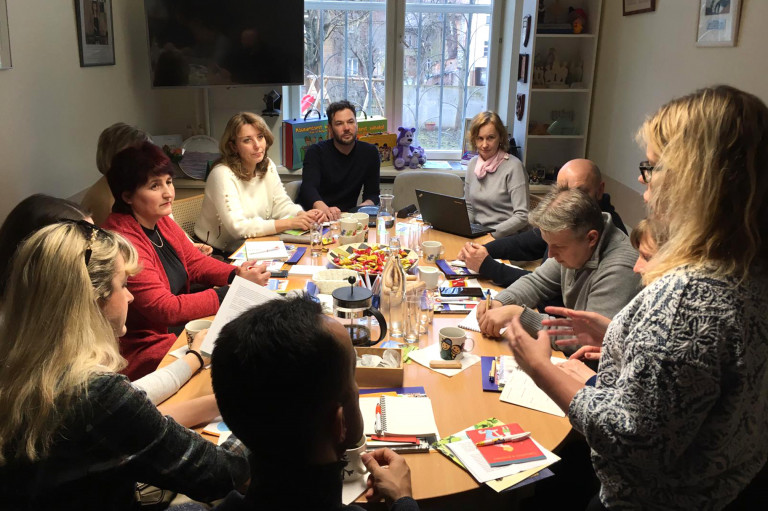
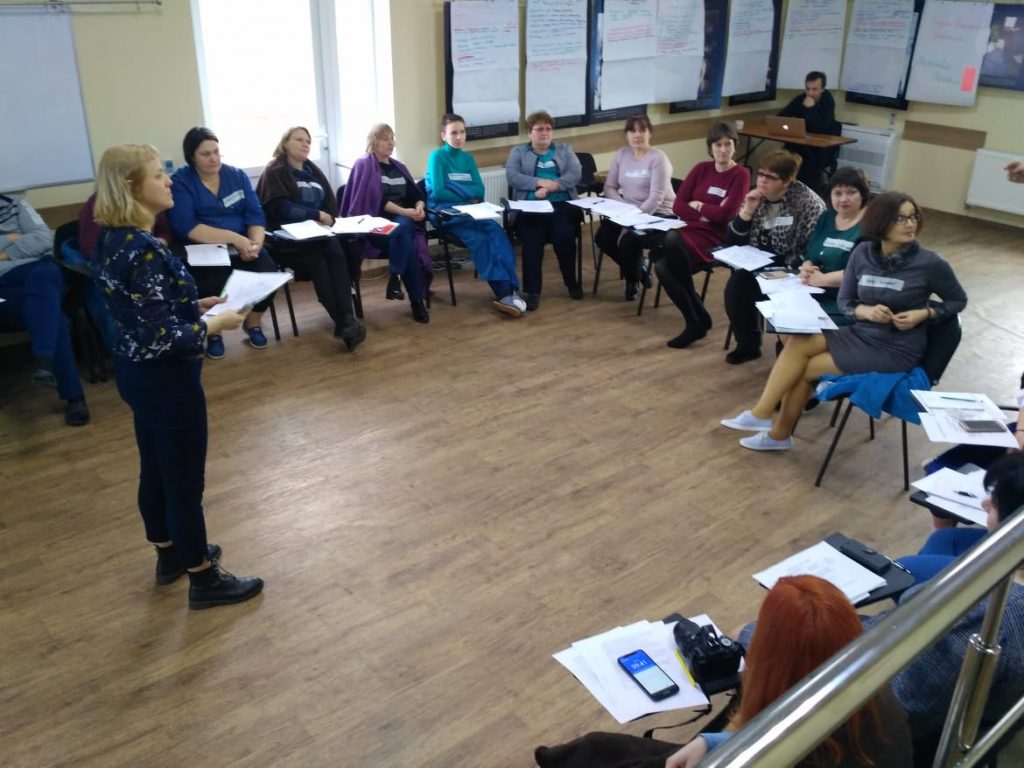
Additionally, we launched the Osvitni Posydenky (Educational Meetups) initiative, providing a series of lectures, psychological support sessions, and workshops for teachers. The project is designed to provide psycho-emotional support and create a platform for productive communication. It also aims to facilitate the professional development of frontline educators and enhance their competencies to meet the demands of blended (hybrid) and online learning environments.
We became a partner in teacher professional development on the Edway platform. Educators who complete our training sessions receive certificates of professional development with ECTS credits (European Credit Transfer and Accumulation System).
We completed the first year of the Zrostai (Grow) project. It is designed to empower civil society in Ukraine by improving the organizational capacity and development of new NGOs and civil society organizations, especially by adopting human rights principles into their work.
Anyone could join the webinars, which covered various aspects of Civil Society Organizations’ (CSOs) work in Ukraine. Project participants attended the Human Rights School and the Human Rights Educational Festival at the Educational Human Rights House in Chernihiv, where they learned to adopt human rights principles into their organizations’ work. In October, a study visit to Denmark took place, and starting in November, ten NGOs began to receive both organizational and material support.
We also presented the report titled De-Occupied Territories of Ukraine: Results of Visits to Educational Institutions, which is based on 24 monitoring visits to schools in the Donetsk, Chernihiv, Kharkiv, Sumy, Kherson, and Mykolaiv Oblasts.
In July and August, our team, in partnership with MTÜ Mondo, organized Easy Camp in Zakarpattia to help 150 children from the Zaporizhzhia Oblast overcome educational losses. Later in autumn, we presented a report on the project’s outcomes, which includes: an analysis of changes in skill levels and interest in core subjects among participants, insights into their emotional transformations during the camp, and feedback on their overall experience.
In the summer of 2024, our educational team organized a retreat for IDP educators from the city of Rubizhne, as well as two day camps for IDP children in Dnipro and Kyiv. The children could develop interpersonal and social skills, participate in interactive activities, and take a break from the realities of war alongside their peers and the our specialists.
We continued the Osvitni Posydenky (Educational Meetups) initiative in Kharkiv and Zaporizhzhia, where teachers had the opportunity to develop their skills in digital competences, psychological first aid (PFA), and educational leadership.
We carried out active information and advocacy activities regarding the admission of applicants from temporarily occupied territories (TOT) to higher education institutions (HEIs) and vocational schools. A specialized website, Vstup ToT (Admission TOT), was created, gathering all the necessary information and contact details for inquiries or clarifications. We also printed and distributed informational materials (brochures and posters) in HEIs (higher education institutions), temporary accommodation centers for displaced persons, and railway stations. We also conducted trainings for educational centers in HEIs responsible for the admission of applicants from TOT.
Additionally, the eighth Festival of Thoughts was held, bringing together 600 participants. All discussions were centered around the theme 10 Years of War: Experience That Transforms the Nation. The event took place across three open-air locations within the St. Sophia Kyiv National Reserve. The discussions were focused on addressing the challenges of war, such as the Ukrainian East, veterans’ challenges, memorialization, disinformation, children under occupation, education in the wartime conditions, and the complex reasons behind people’s decisions to return to TOT or zones of active conflict.
Ten Ukrainian NGOs received mentorship, educational, and institutional support as part of the Zrostai (Grow) project. A total of 1,500,000 UAH was provided for institutional support. The civil society organizations involved in the project specialize in topics such as inclusion, overcoming educational losses, veteran support, local activism, and youth engagement. They all received the necessary equipment and services that will help them provide more effective and stable support to their communities. During the final meeting, the participants talked about the personal growth and successes they experienced thanks to the project.
Another 150 children from among IDPs and children of fallen heroes had the opportunity to receive psychosocial relief and make up for educational losses in four subjects during the second Easy Camp.
While taking part in the Osvitni Posydenky (Educational Meetups) and School Up projects, 398 Ukrainian teachers improved their skills in providing psychological first aid (PFA) and digital competences. The project was successfully completed, and educators from different parts of Ukraine found like-minded peers and communities to share their knowledge and exchange experiences of working under wartime conditions.
Ten frontline and border-area schools participated in the bootcamp and, with the support of mentors, were able to develop projects addressing challenges in their communities. Five of them received financial support for projects implementation, while the other five were provided with essential equipment. The supported projects addressed the psychological impact of war, promoted healthy lifestyles, and facilitated the socialization and integration of internally displaced adolescents, etc.
Within the framework of the School Up project, six schools in Sumy Oblast received support for repairing and equipping shelters, safety classrooms, and psychological relief rooms. As a result, 3,272 participants in the educational process now have access to safer offline learning. Additionally, as part of the project, 64 educators underwent comprehensive safety training in psychological first aid (PFA), basic first aid, information security, and mine risk education. Another 387 participated in webinars focused on PFA and self-calming techniques, while 593 children from Sumy Oblast took part in psycho-emotional relief activities hosted at their schools.
We continued advocating and supporting the admission of youth from temporarily occupied territories (TOT) to higher education institutions and vocational schools. 200 teachers, who work with children forced to remain in TOT, completed training on digital security, while another 3,199 teachers participated in webinars on the specifics of admission to higher education institutions, professional pre-university, and vocational education for applicants from TOT. As usual, the Vstup TOT (Admission TOT) website was updated, and informational materials were sent to educational centers in HEIs.
In addition, specialists directly created two guidebooks: one on digital competences and the other on providing PFA. School supplies were also provided to nine schools in collaboration with the Danish partners of the Bevar Ukraine Foundation.
“Working on these projects has given our team the opportunity to support educators who, despite shelling and power shortages, bring warmth and hope to their students, striving to provide quality education in the incredibly difficult and tense conditions of the borderlands. At the same time, it serves as a huge motivation for us to keep going and do everything possible to ensure that future generations of Ukrainians, despite the war, have access to an educational environment that helps them grow and acquire the knowledge and skills they need”, said Anna Loza, Education Coordinator at East SOS.
“These days, educators strongly need support and a sense of unity among like-minded people. The full-scale war has forced teachers to adapt rapidly to new realities. Beyond their teaching duties, they now play a crucial role in supporting students’ mental well-being. At the same time, many teachers themselves require support, as they have been displaced from their homes and are experiencing the consequences of war”, said Mykola Overchenko, Educational Programs Manager at East SOS.
Contacts
To request support or explore cooperation opportunities, please call +38 067 115 44 70 or email [email protected]
Photo gallery