Training That Builds Psychological Resilience: Summary of East SOS Training Sessions in November
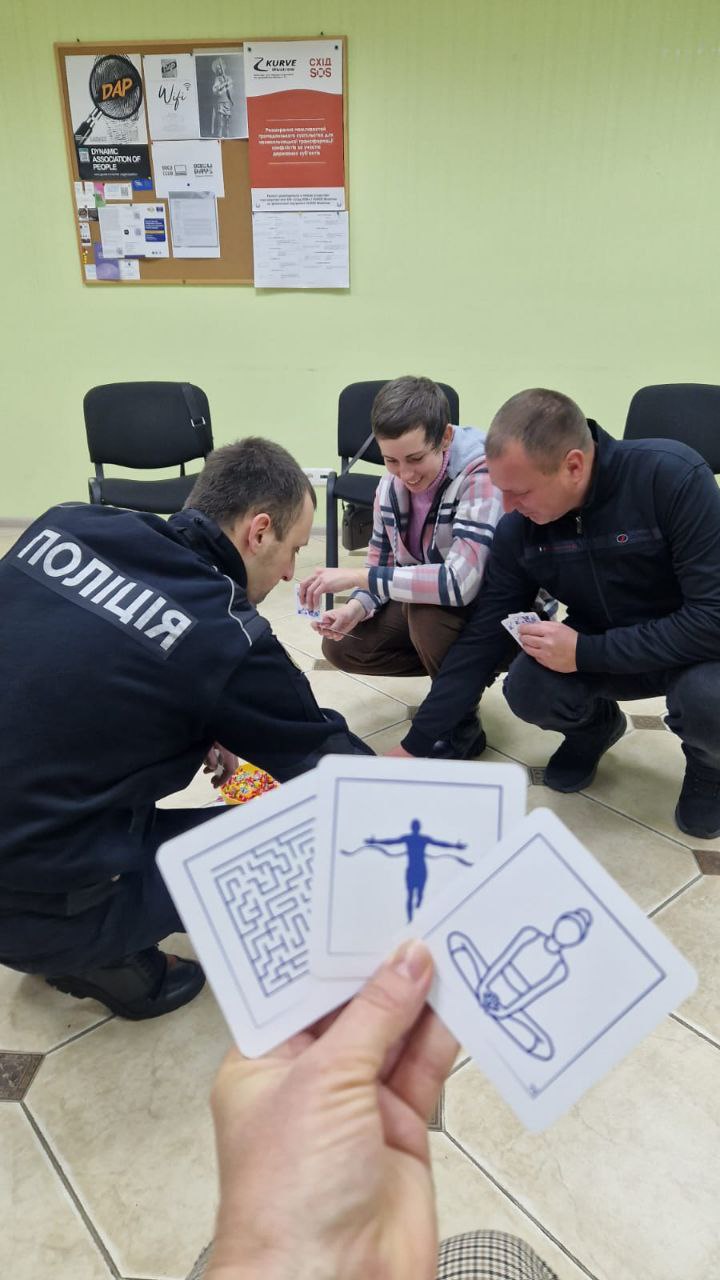
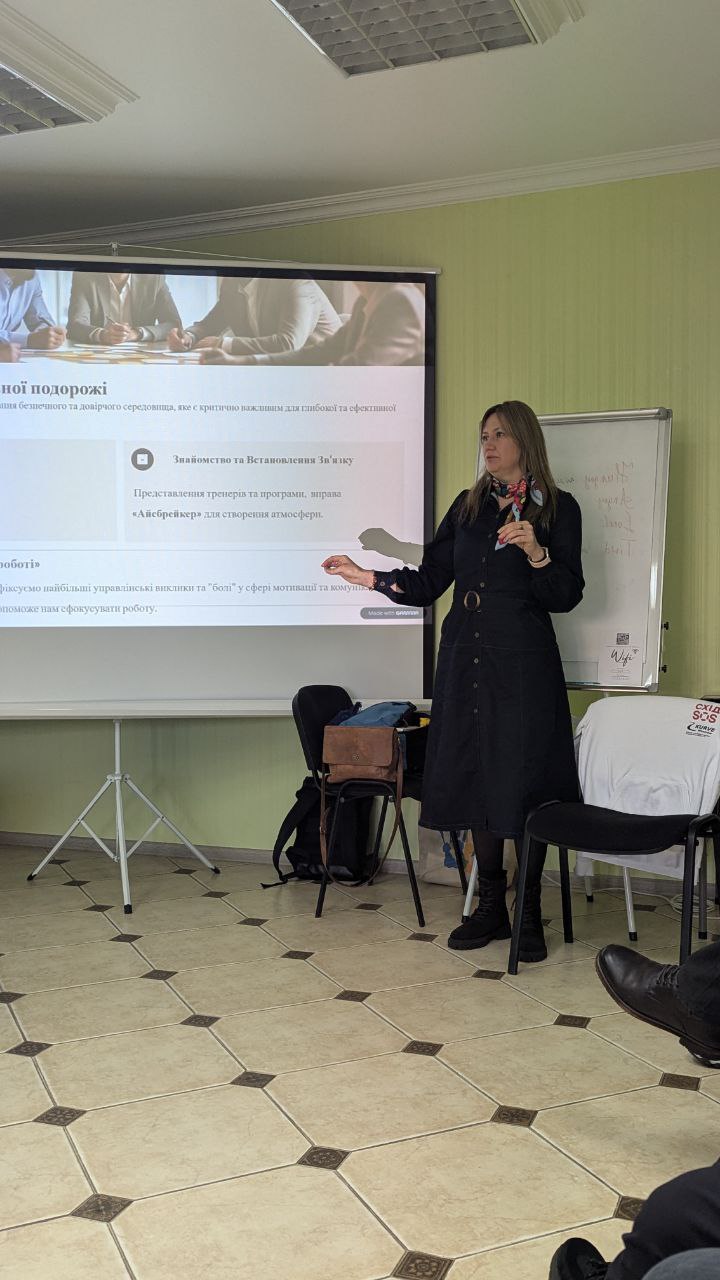
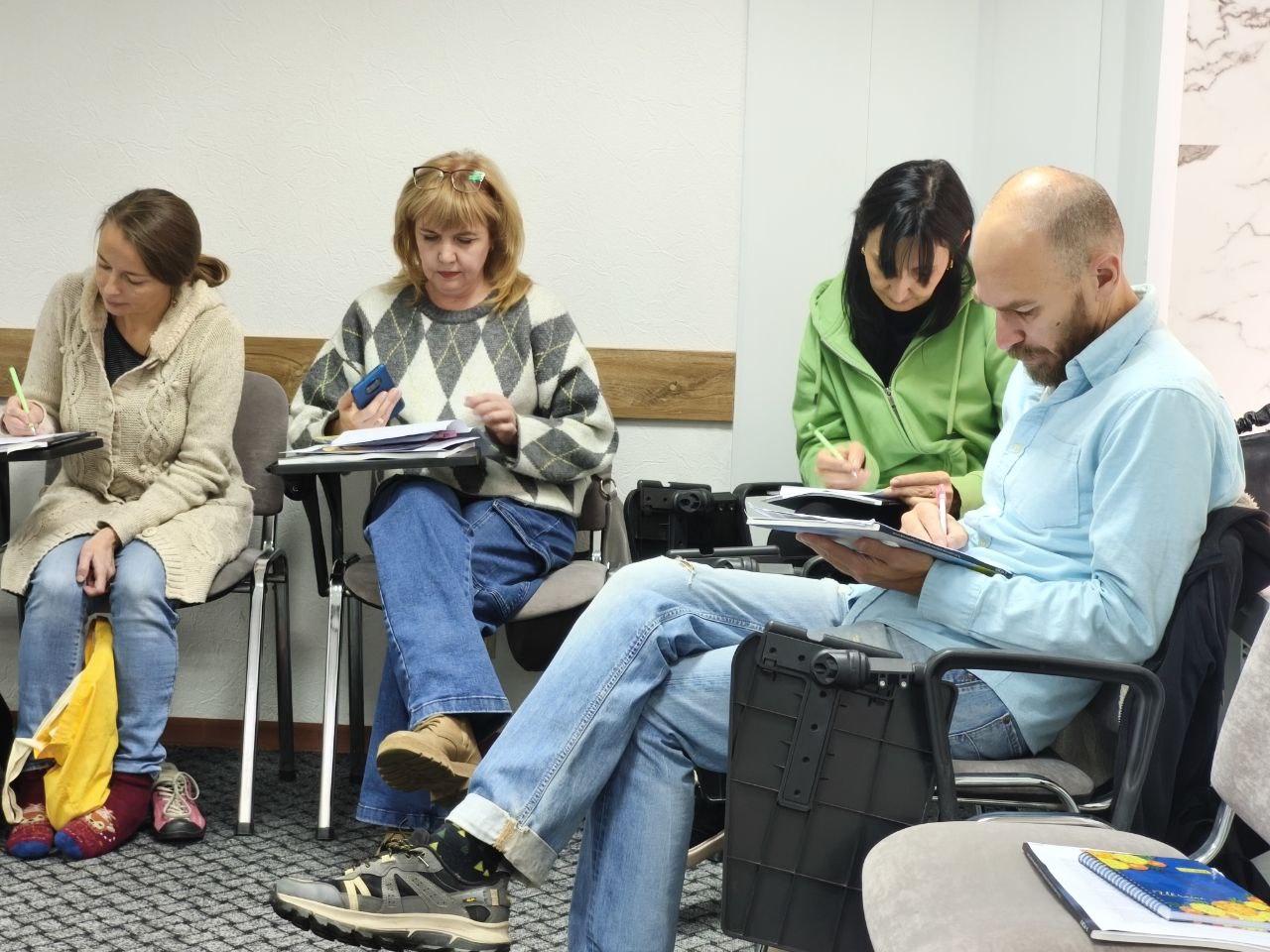
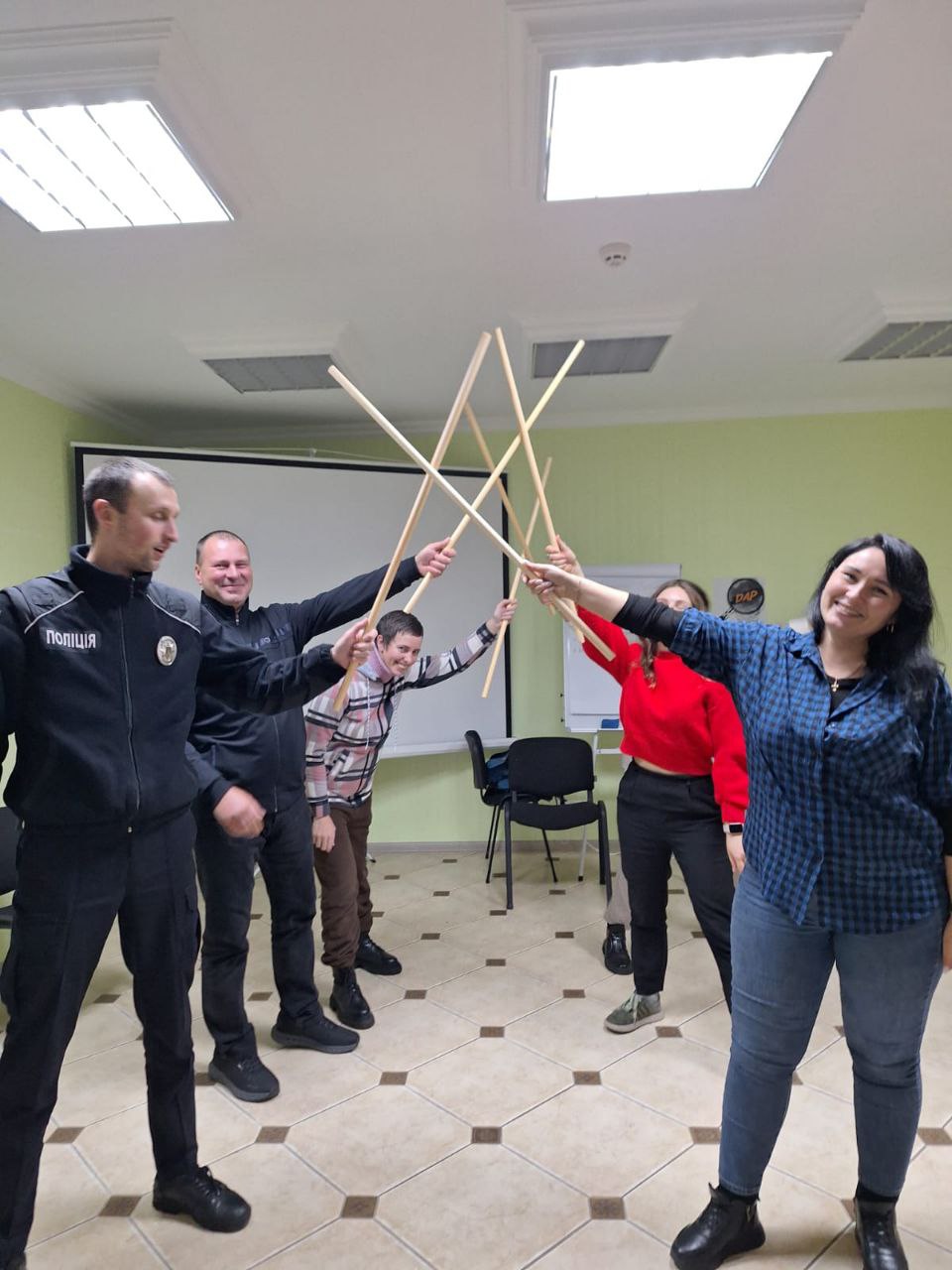
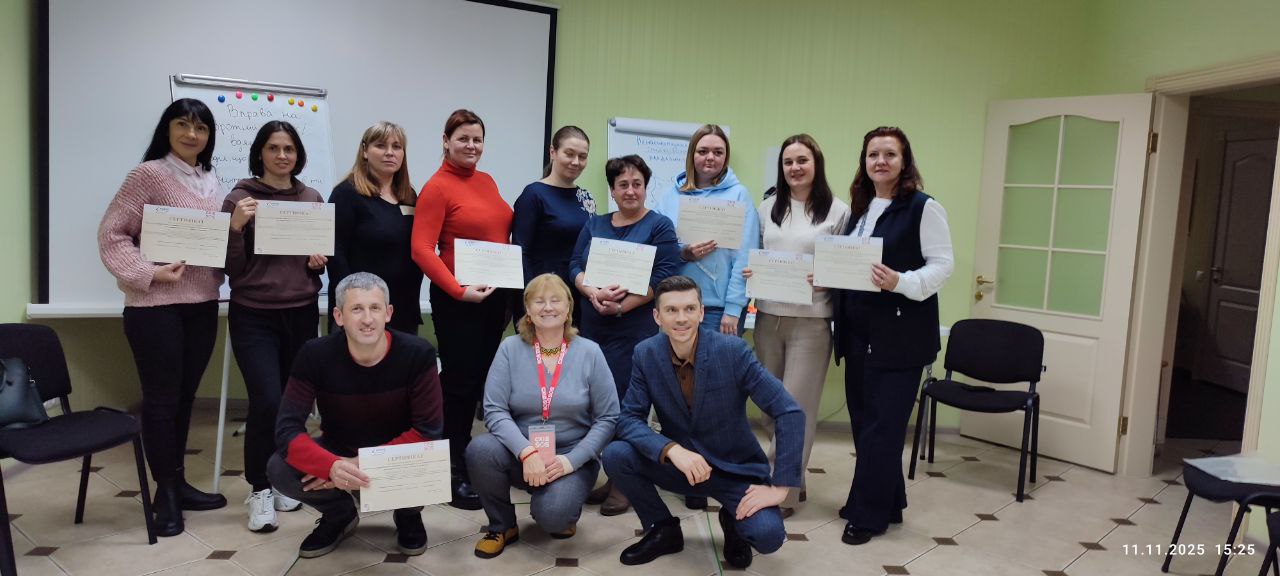
East SOS continues to strengthen civil society by supporting professionals who work with people every day, make difficult decisions, and therefore need effective tools for recovery and resilience.
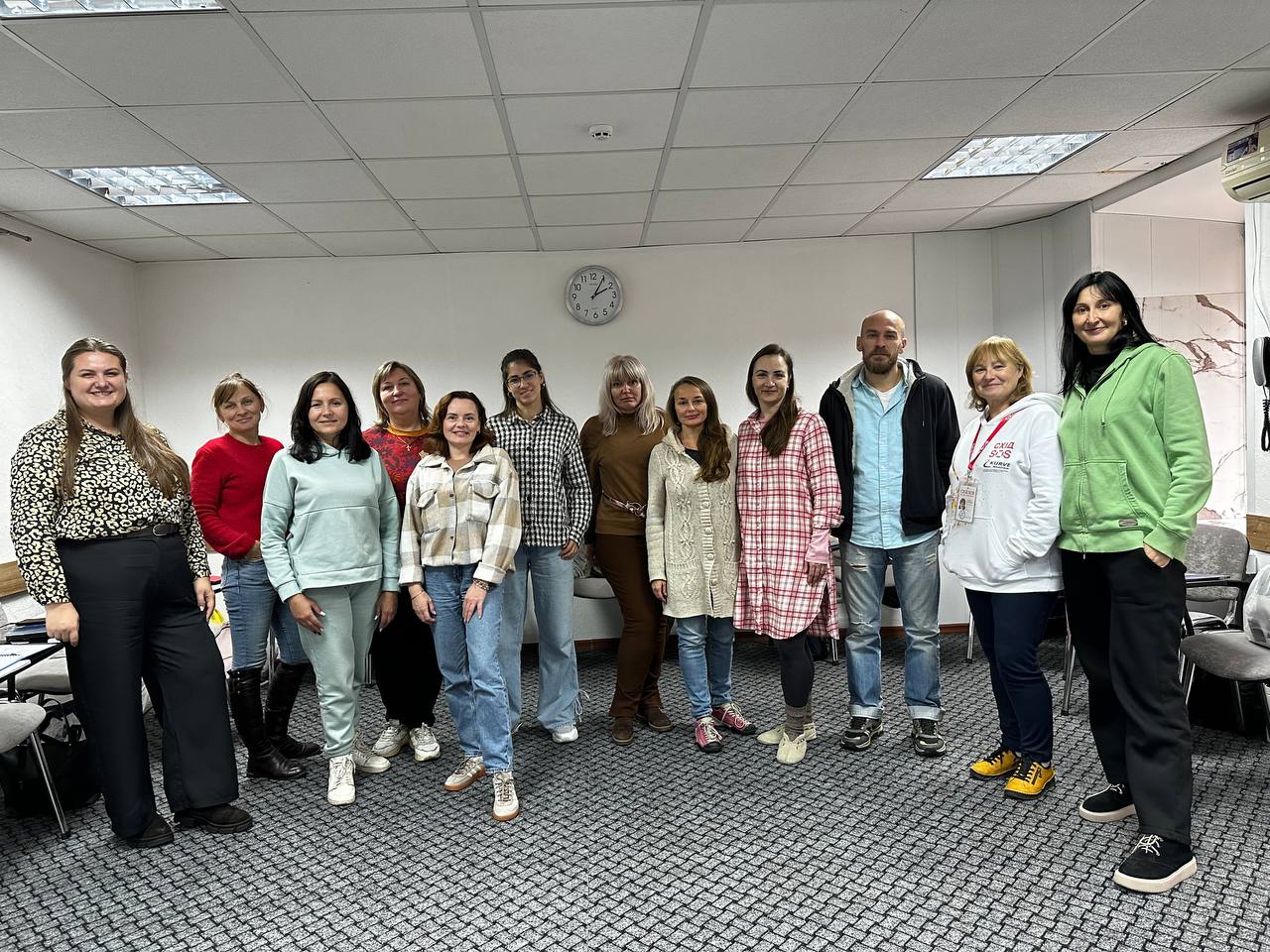
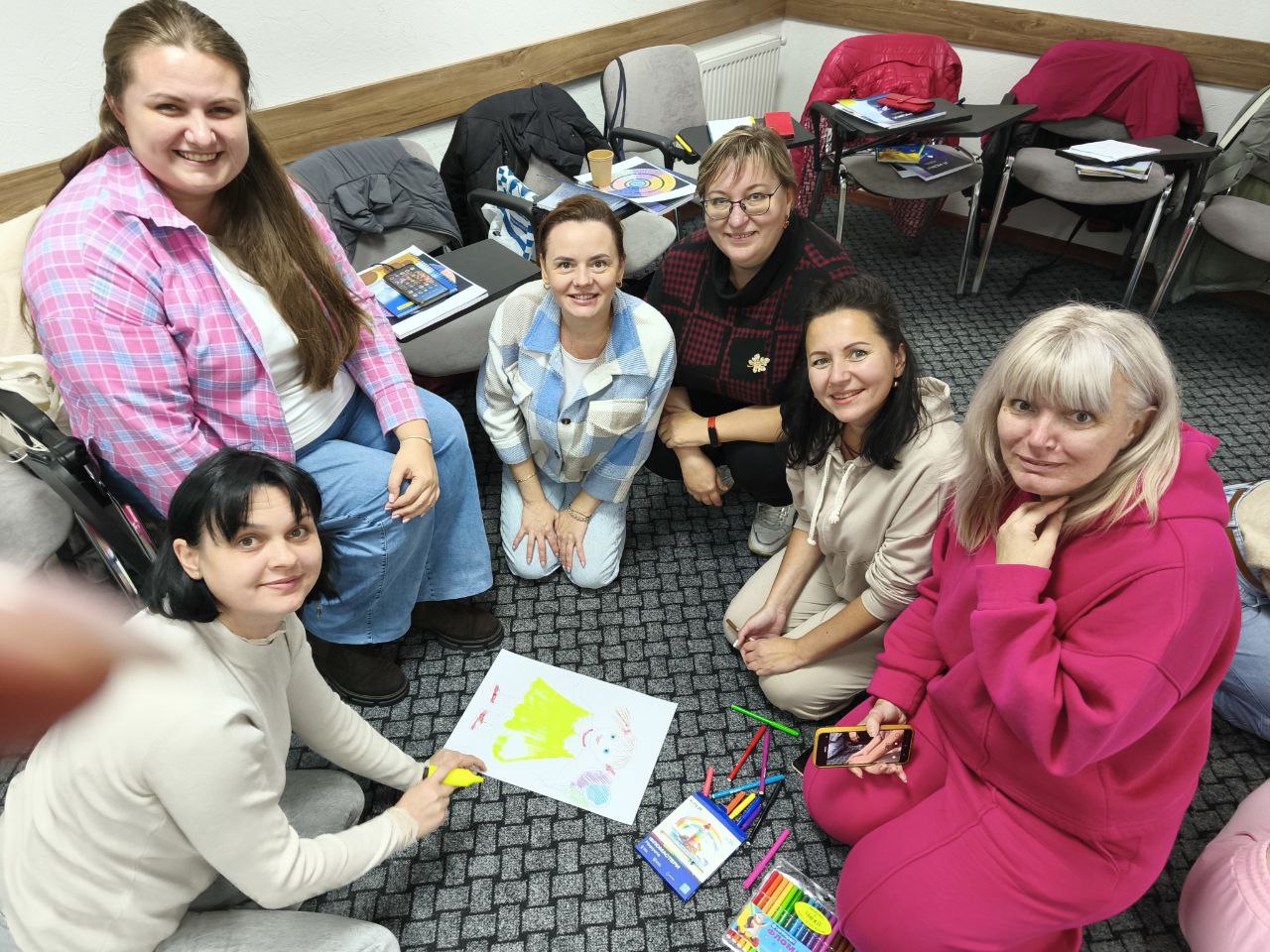
In November, we organized four two-day training sessions in Chernihiv and Odesa, attended by more than 50 participants, including police officers, educators, civil servants, psychologists, and civic activists. Although the participants came from different professional backgrounds, they shared a common need: to achieve psycho-emotional stability, restore self-understanding, and learn how to communicate with others while preserving humanity even in the most tense situations.
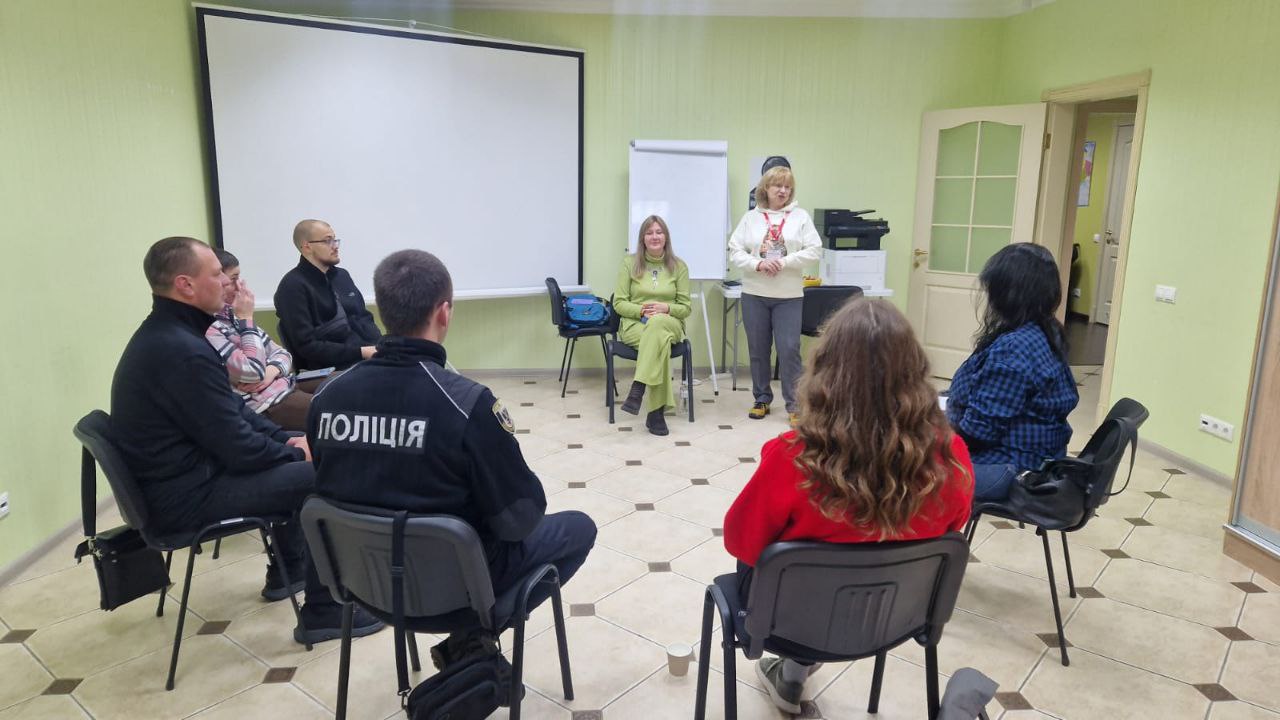
Two of the training sessions focused on non-violent communication and were held for 20 officers of the National Police of the Chernihiv region.
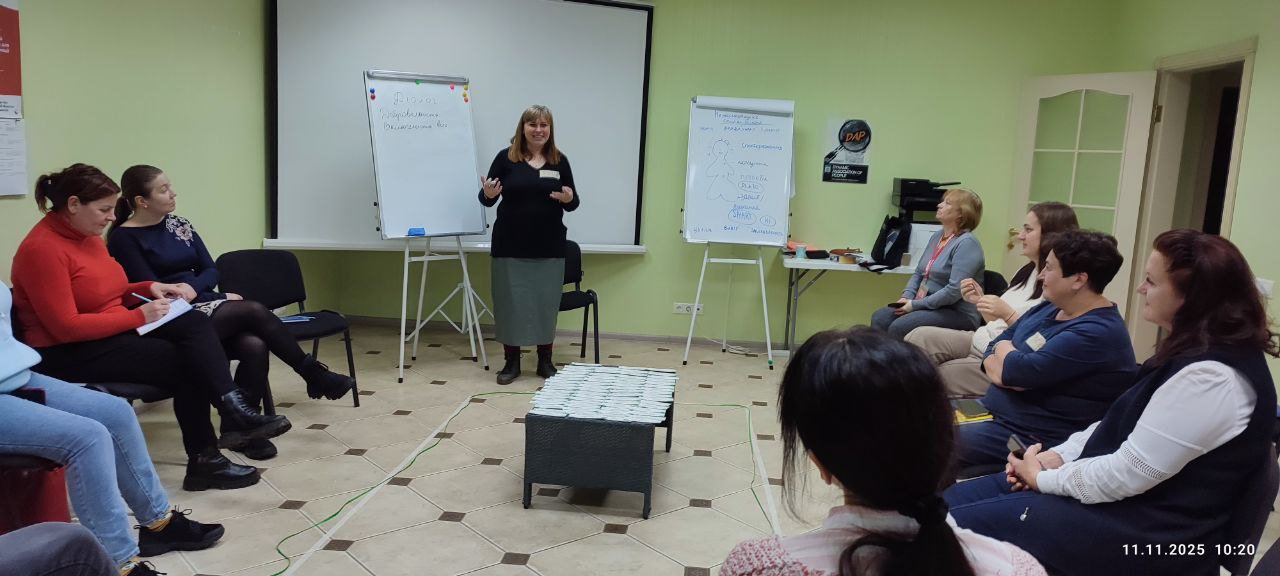
The first one, facilitated by psychologist Tetiana Kucher, brought together ten police officers. Participants explored effective responses to conflict situations and negotiations, practiced empathic listening, self-regulation, and learned techniques for conflict de-escalation.
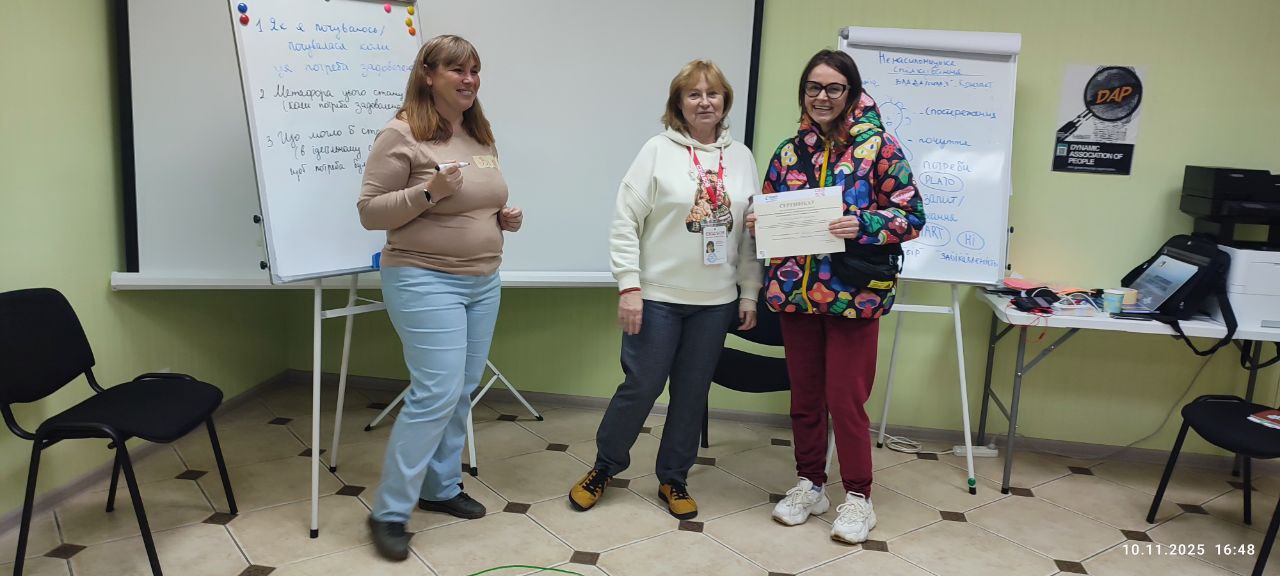
The second – “Effective Leadership: Modern Approaches to Staff Motivation and Non-Violent Communication” – united ten department heads. Together with trainers Tetiana and Pavlo Kucher, participants developed skills in team support, constructive feedback, and the implementation of management approaches aimed at preserving team resilience and professional resources.
“During the training session, I noticed that most participants live in a fast, automatic response mode. Throughout the sessions, everyone observed how this mode gradually shifted toward awareness. When a person from any professional field understands their own reactions, they are better able to listen and act consciously in interaction with others. This lays the foundation for professional resilience,” said trainer Tetiana Kucher.
The training “Basic Understanding of Psychotrauma: A View Through the Prism of Somatic Experiencing,” held in Odesa, brought together educators, psychologists, activists, and civil servants. Together with trainer Anastasiia Martynenko, 15 participants explored the difference between stress and psychotrauma, learned to recognize bodily responses, practiced breathing techniques and micromovements, and reflected on their experiences through guided writing.
In November, East SOS also organized a training session in Chernihiv for civil servants, social workers, and activists. The training “Basic Understanding of Nonviolent Communication,” led by psychologist Viktoriia Preobrazhenska, united 15 professionals who work closely with communities and support vulnerable groups.
Participants learned how to build dialogue without aggression, reconnect with themselves, and articulate their needs while maintaining respect for both themselves and others. Practices of self-empathy, empathic listening, and conscious self-expression demonstrated how inner clarity can transform communication.
“Two people can say the same words, but when you speak with clarity, you are truly heard. During the training, I observed how a conversation changes when you prioritize your feelings and needs over tension. I realized that gentleness is a way to preserve relationships while remaining honest at the same time,” shared one of the participants.
The training sessions implemented by East SOS focus on developing skills that are critically needed today: the ability to interact without escalation, conduct difficult negotiations, support teams, and recover after crisis situations. We believe that the knowledge and tools gained will help participants remain effective in their daily work while staying connected to themselves and others.
The training was conducted as part of the project “Empowering Civil Society for Nonviolent Conflict Transformation Involving State Actors”, with the financial support of KURVE Wustrow.
Psychological and social specialists of East SOS completed training on supporting GBV survivors.