Stories of Resilience: Educators in Konotop Foster Faith in the Future for Children Learning in School Shelters
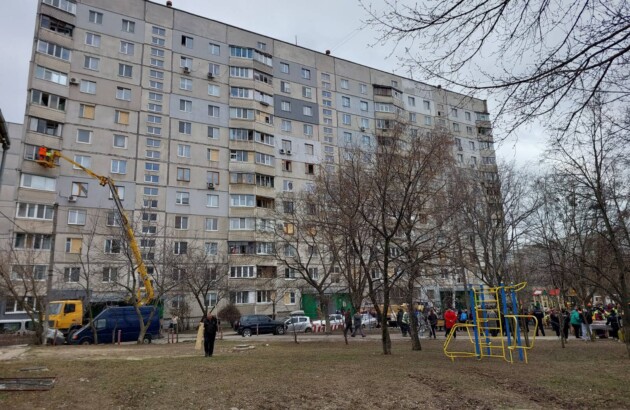
Konotop in the Sumy region is under constant attack. Enemy drones strike almost daily, and various types of missiles repeatedly hit the city, destroying residential buildings and critical infrastructure and leaving residents without electricity and heating.
On the eve of the new school year, two educational institutions in the city center were damaged by russian drone attacks. Despite this, the learning process continues – now in school shelters, where children and teachers can remain safe. Education here is not only about knowledge; it is about safety, confidence in tomorrow, and the protection of a normal daily life.
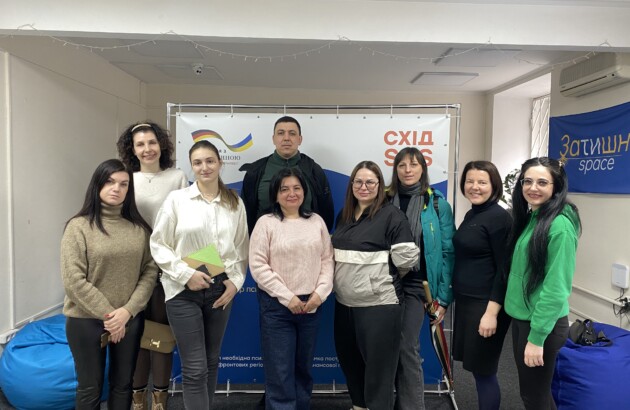
Through the School Up project, the East SOS Charity Foundation supported three lyceums in Konotop by equipping shelters, safety classrooms, and resource rooms. We responded to teachers’ requests so that even amid a full-scale war, children can study in comfort and have everything necessary for a full-fledged educational process.
As part of the Stories of Resilience series, we highlight the daily lives of frontline communities that continue to grow, learn, and support each other despite the ongoing war.
Konotop Lyceum No. 1, Konotop City Council, Sumy Region
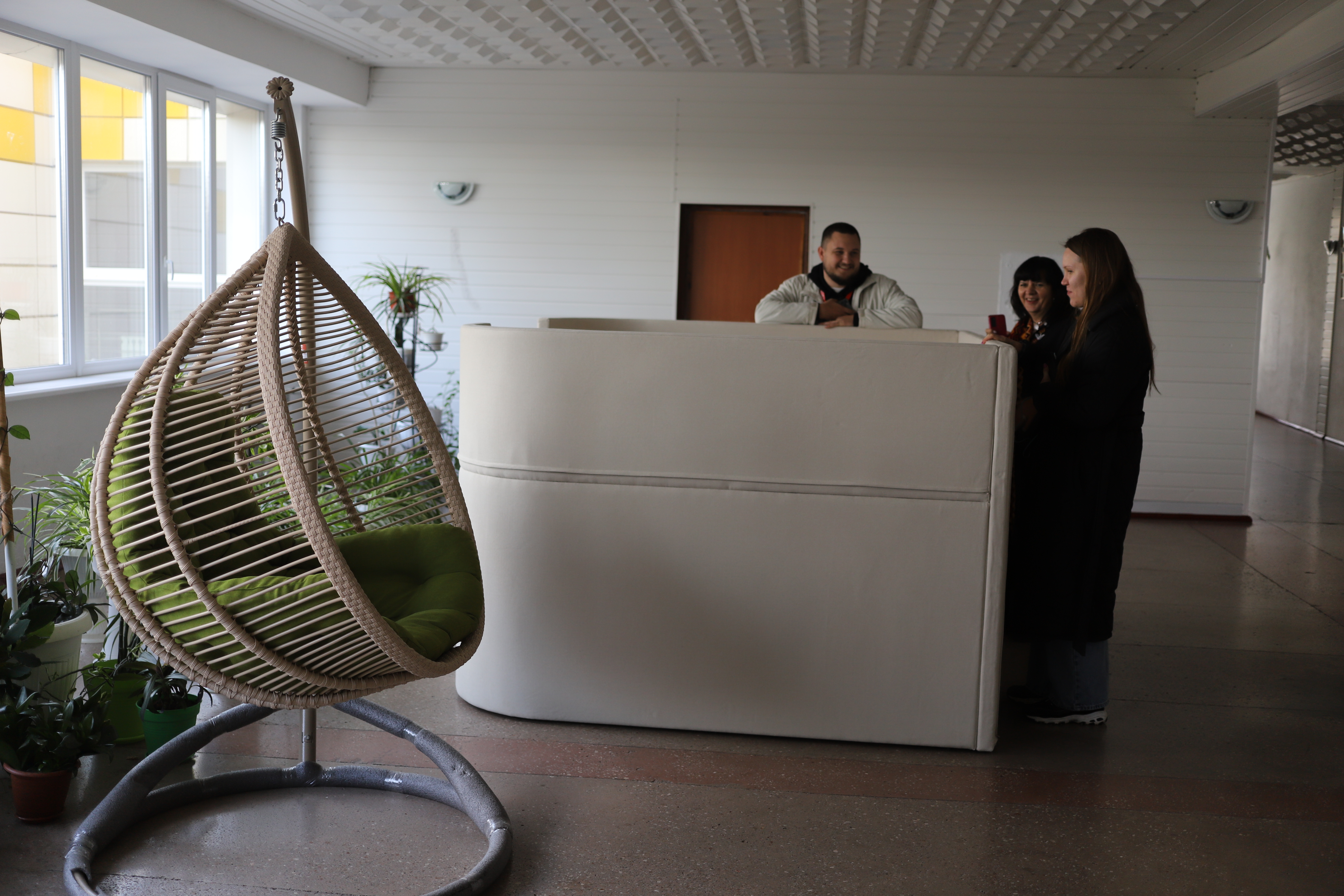
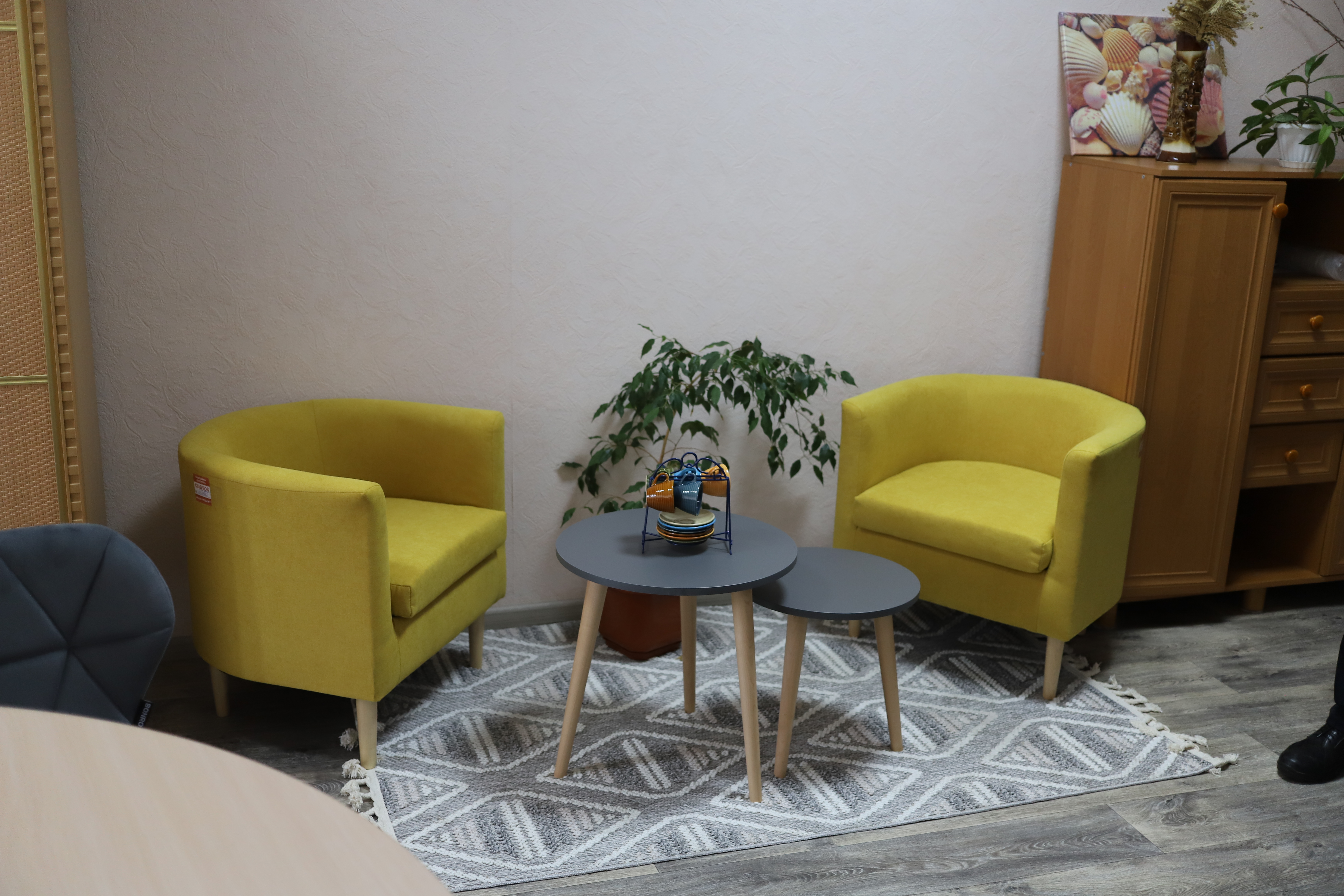
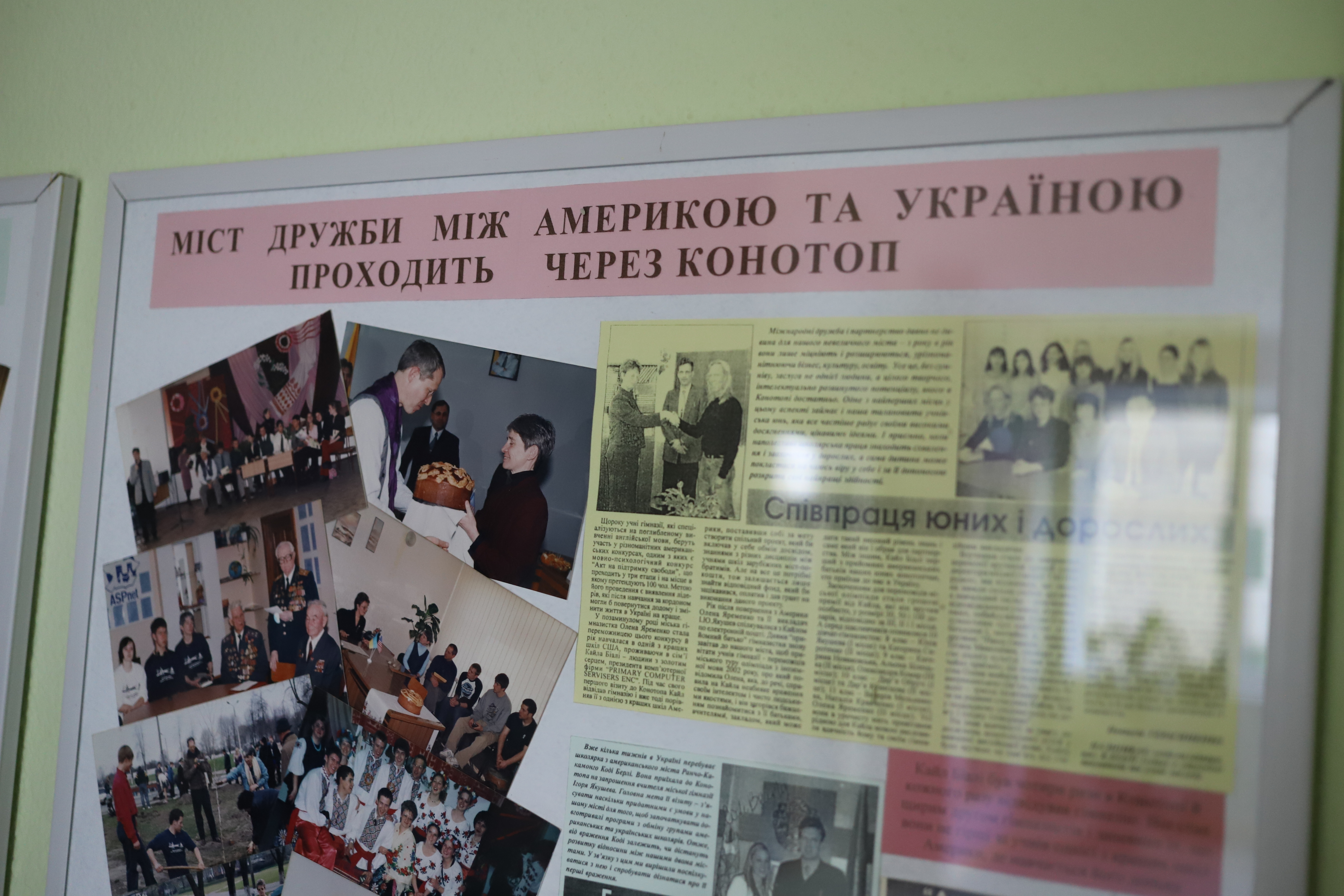
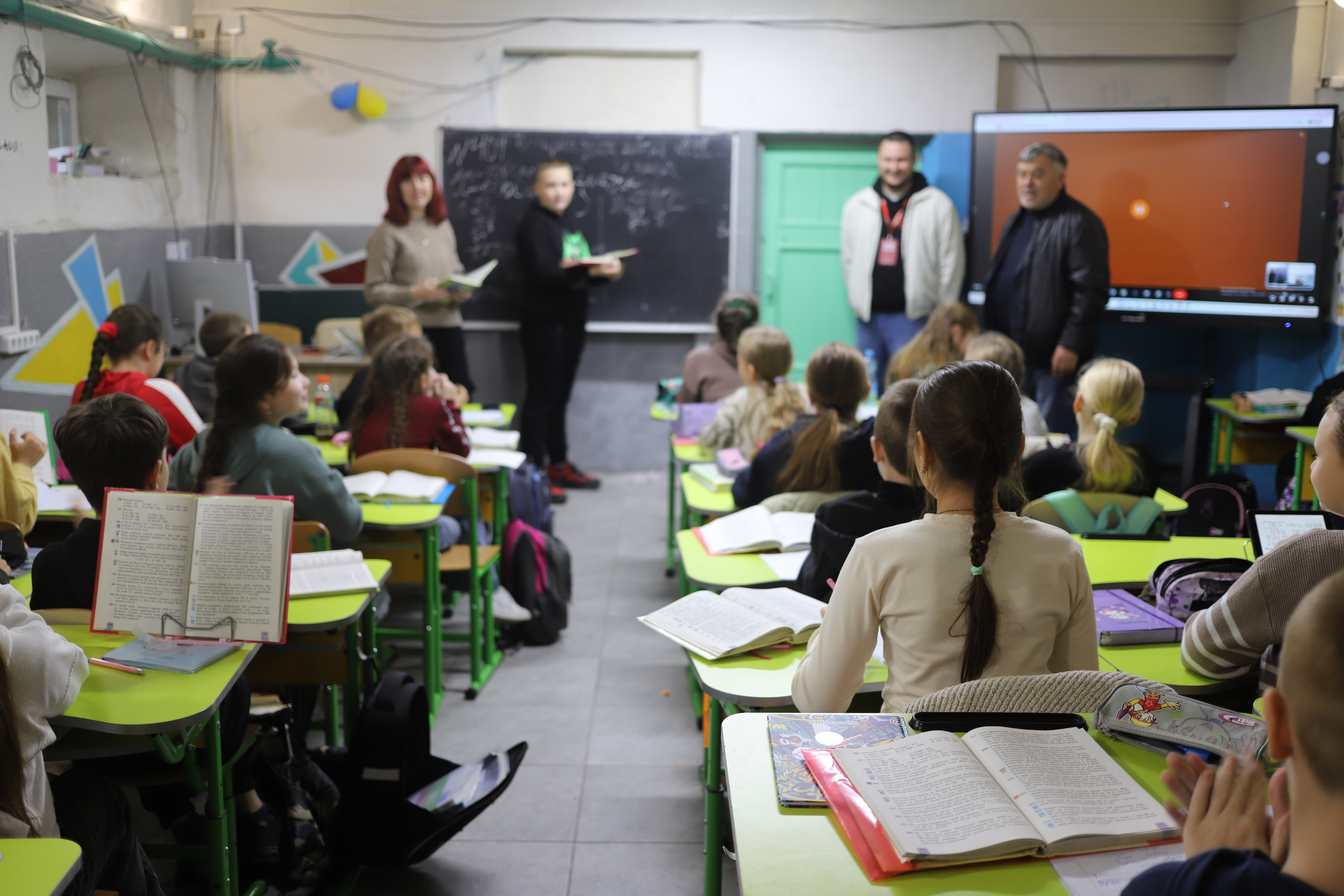
When the East SOS team first visited Konotop Lyceum No. 1 in February 2025, the school’s shelter still required significant refurbishment – from installing additional furniture to providing repair materials and essential organizational equipment needed for a proper learning environment.
Today, the lyceum educates 670 students in a blended format. All classes and breaks are held in the shelters on a rotating schedule. According to the school director, the team also manages to stay in contact with families who were forced to relocate abroad due to the war, ensuring that their children can continue their studies online.
To support high-quality online learning, the shelters have been equipped with additional charging stations, multimedia screens, projectors, and other tools that help teachers diversify lessons in spaces with limited natural light.
“The teacher opens the door, and the child decides whether to come in. We do everything we can to make our students want to cross the school’s threshold – a place of safety where they will be heard and supported,” – Tetiana Kyrychenko, Director of the Lyceum.
Despite the ongoing war, the school strives to preserve a sense of normal childhood. When there are no air raid alerts, students take part in extracurricular activities: visiting animal shelters, weaving camouflage nets, organizing leadership events, and holding charity initiatives – including a friendly student-teacher volleyball match. These activities help students feel supported and connected.
Konotop Lyceum No. 7 Named After Hryhoriy Hulianytskyi, Konotop City Council, Sumy Region

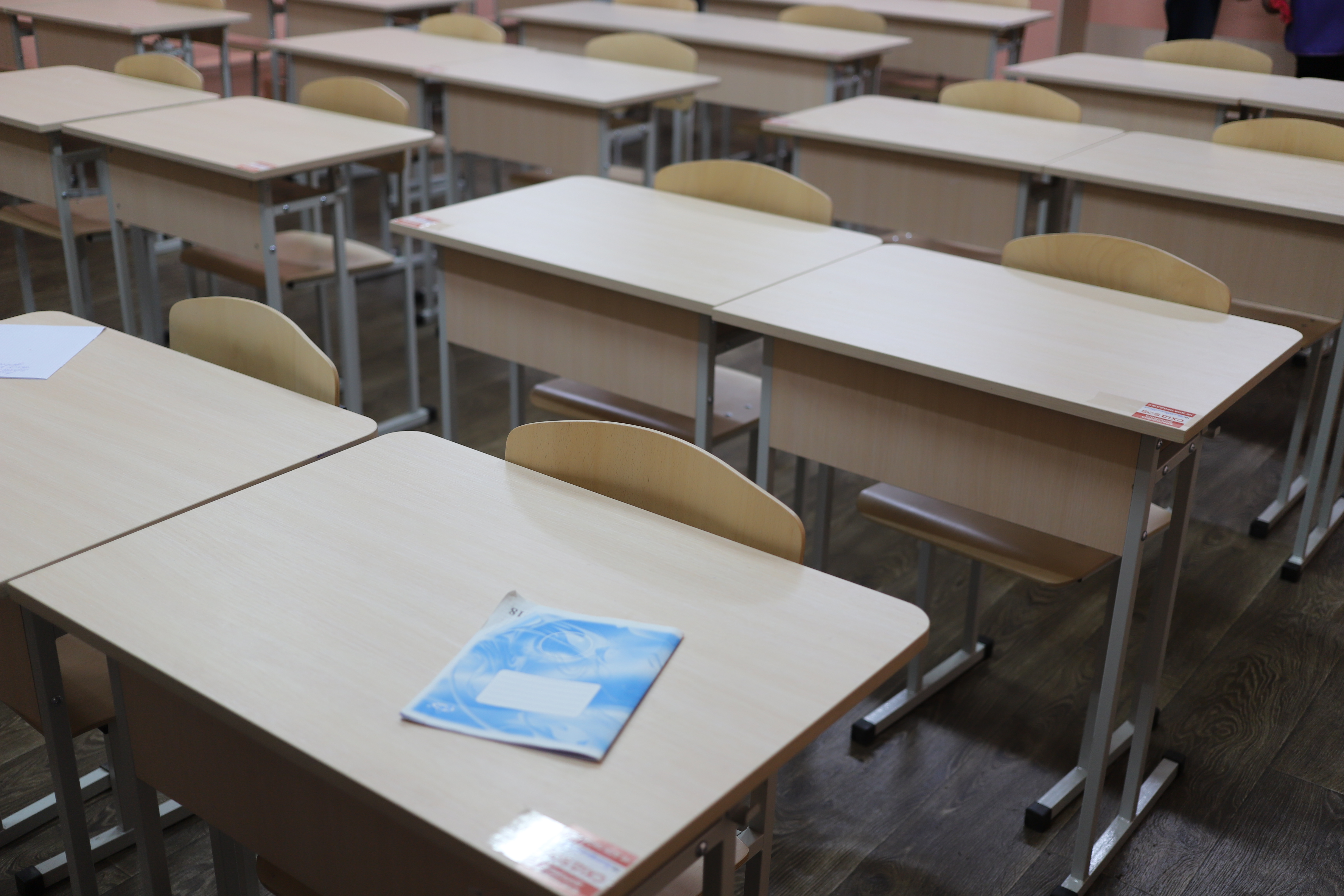
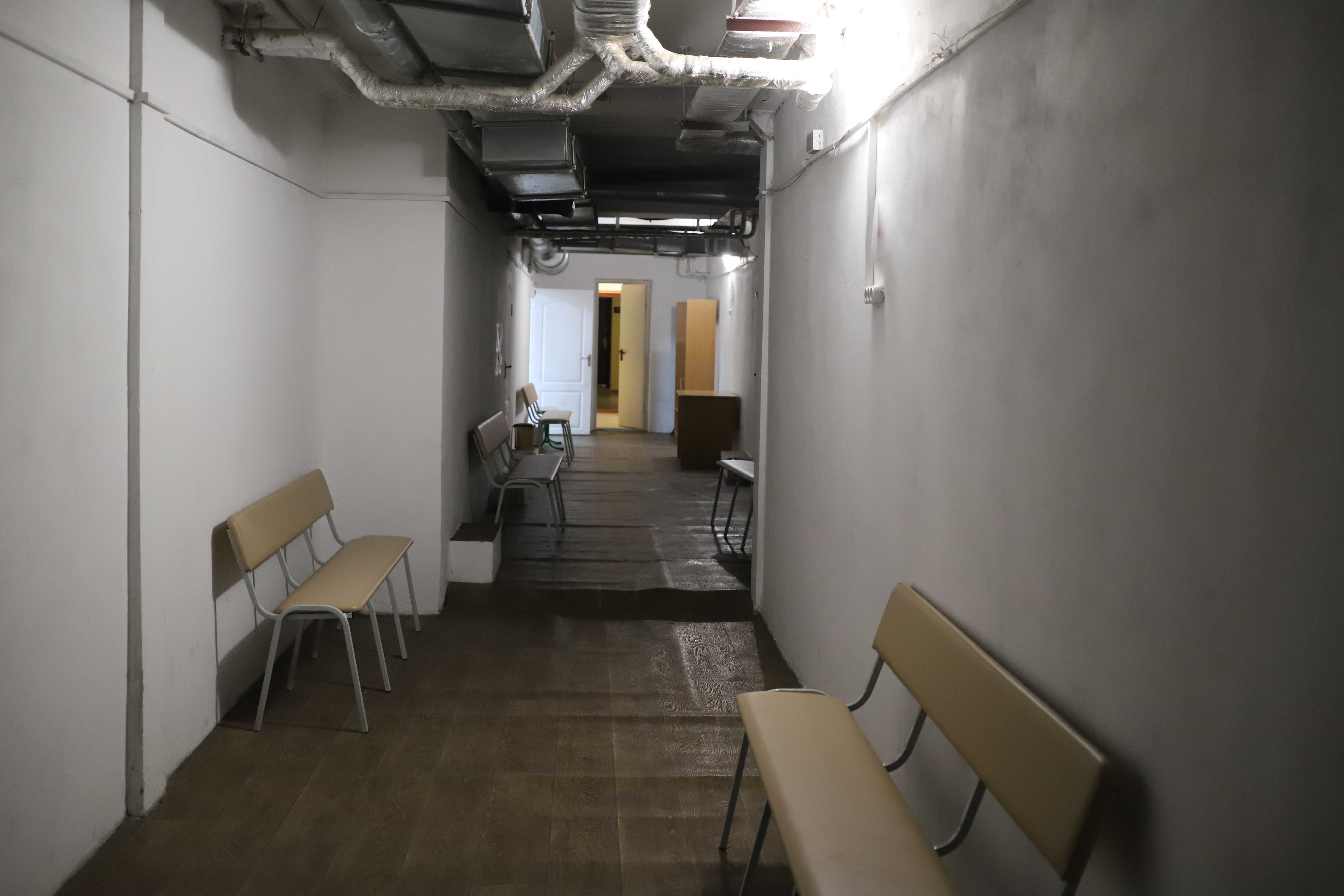
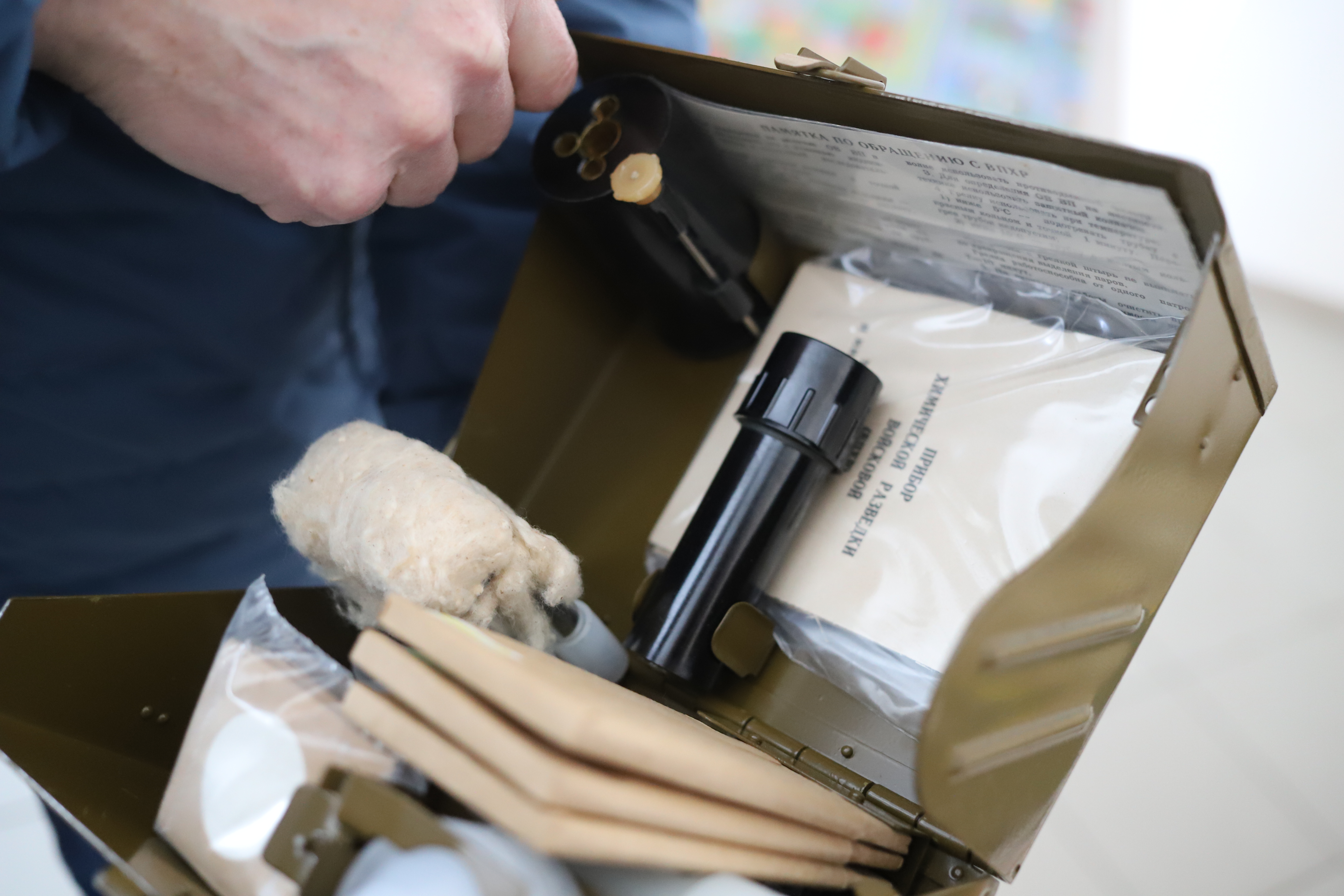
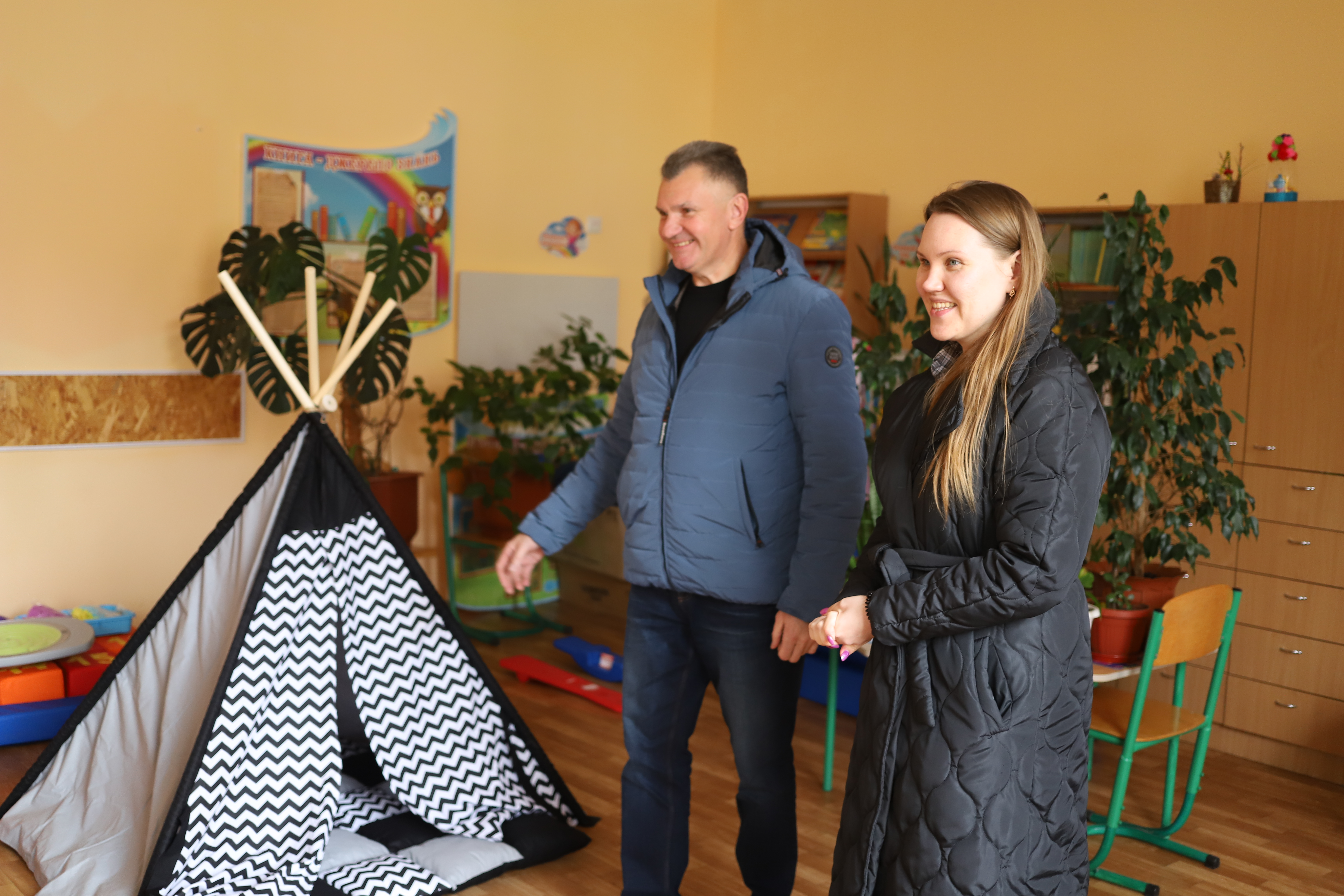
In 2023, an “Unbreakable Point” was established at Lyceum No. 7. From the beginning of the full-scale invasion until today, during prolonged power outages and emergencies, the school has served as a vital support hub for the entire community – a place where residents can keep warm, charge their devices, and feel that they are not facing these challenges alone.
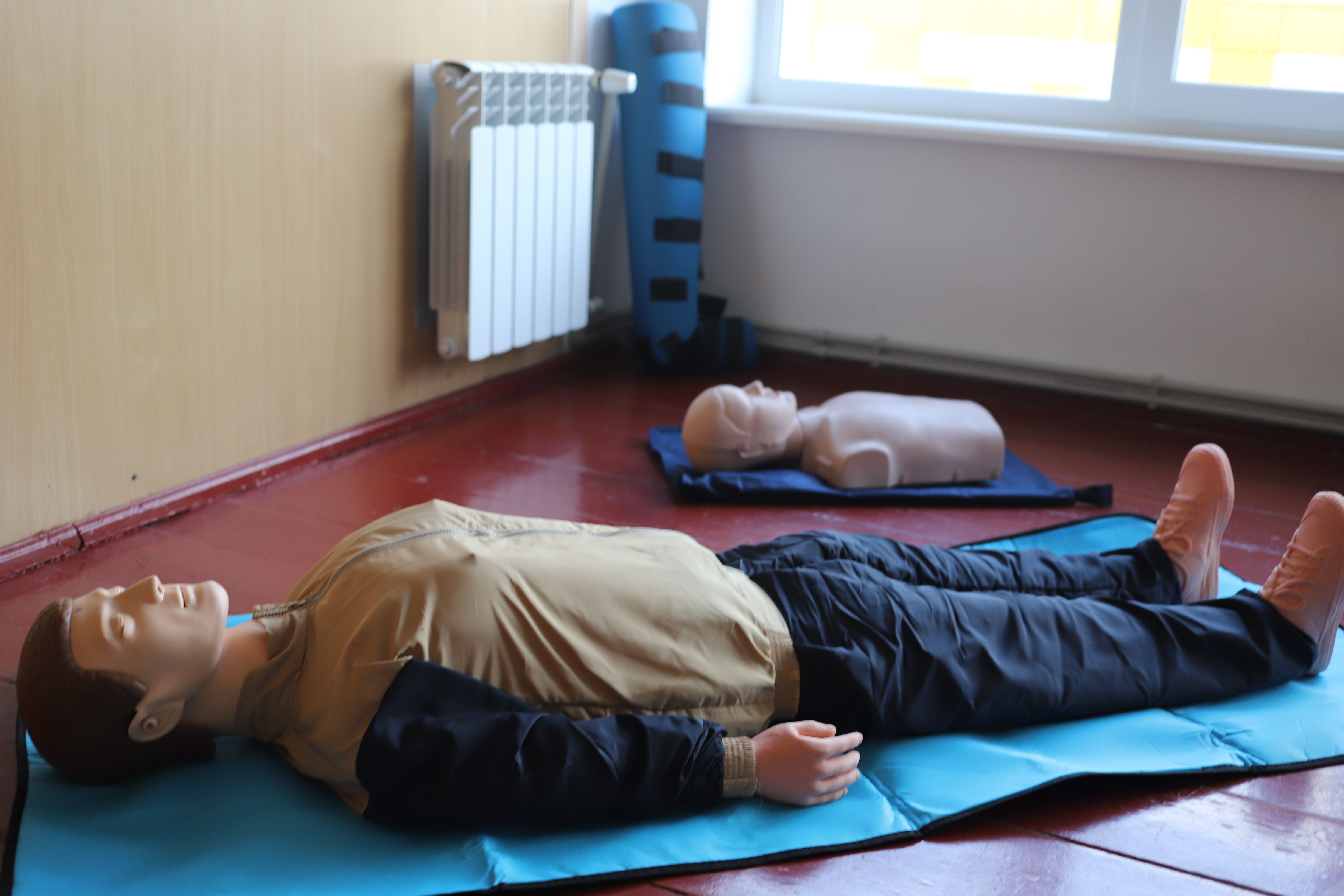
Given the school’s proximity to the border with the aggressor state, both students and adults must remain constantly prepared for emergencies. For this reason, the lyceum places particular emphasis on teaching safety skills. In the safety classes supported by the East SOS Charity Foundation, students from grades 1 to 11 learn how to recognize explosive objects, what to do during air raid alerts or fires, and how to follow basic crisis-response algorithms.
“Children need to know how to act in a dangerous situation – but they should not have to live in fear. Our task is to teach them calmly, through practice, play, and trust,” – Serhii Pustovoit, Director of the Lyceum.
In addition to the safety classes, the school has equipped a shelter and a psychological relief room, helping ensure that learning remains not only safe but also comfortable for children. Looking ahead, the school is preparing for the opportunity to return to full in-person learning as soon as the security situation allows.
Konotop Lyceum No. 12, Konotop City Council, Sumy Region
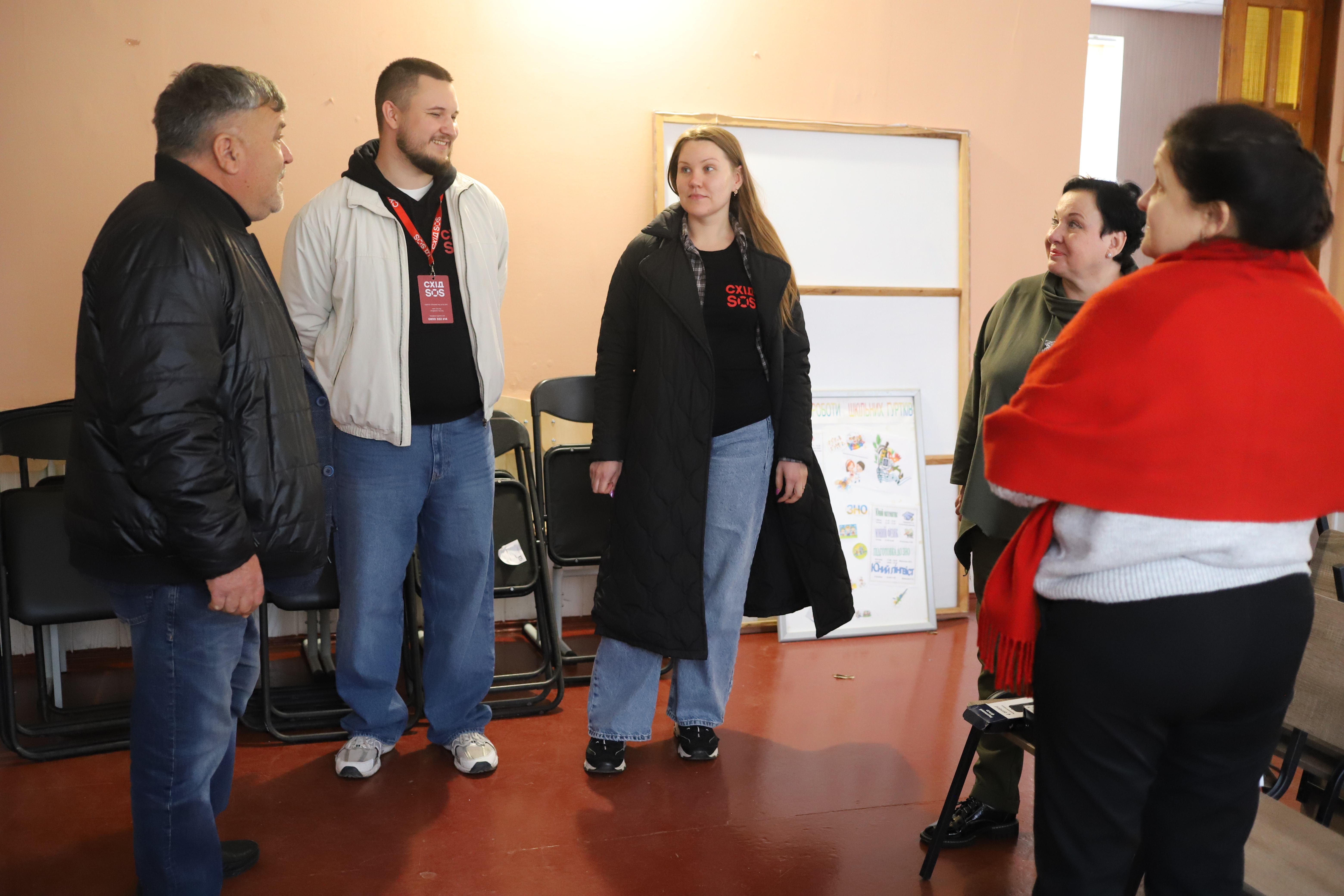
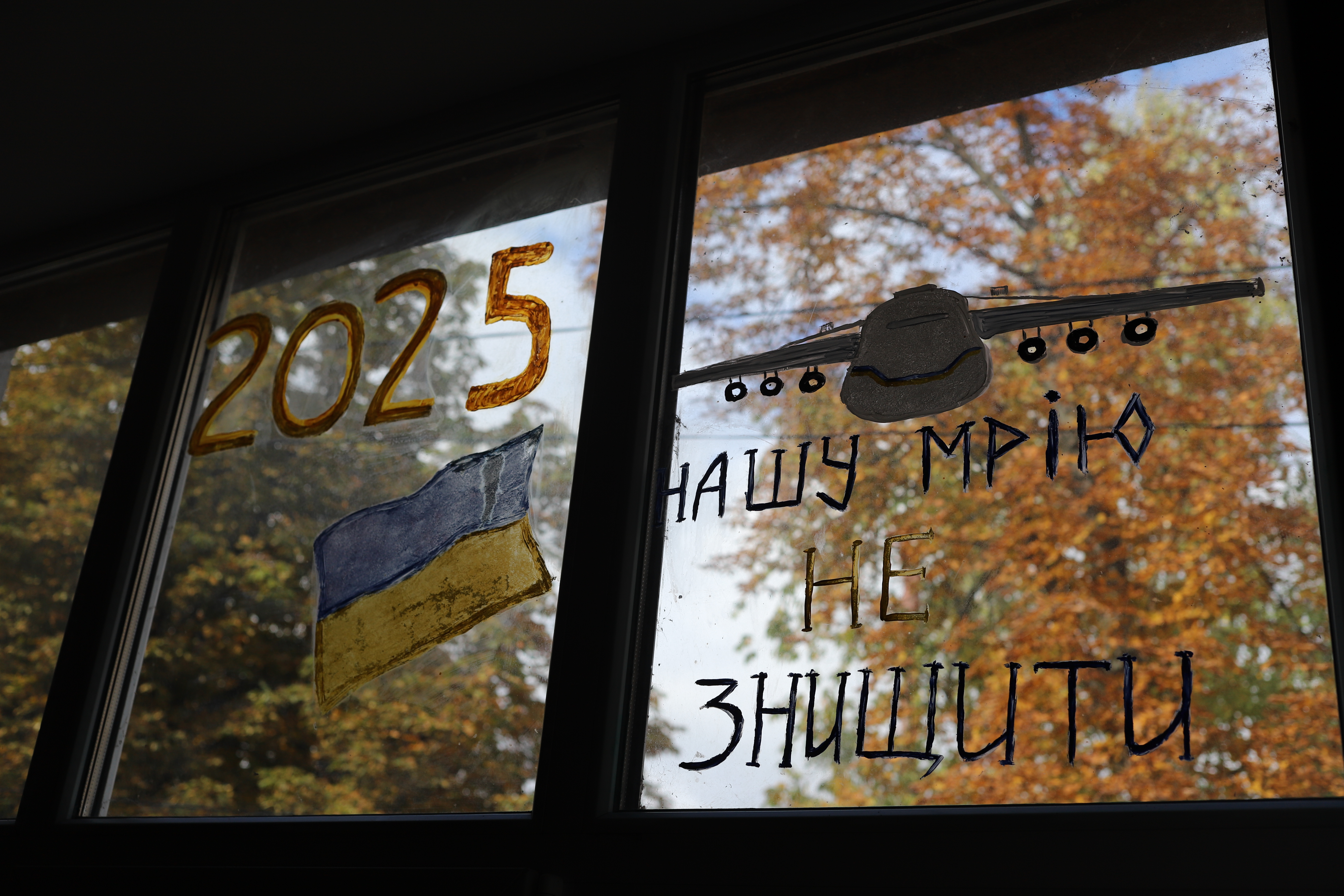
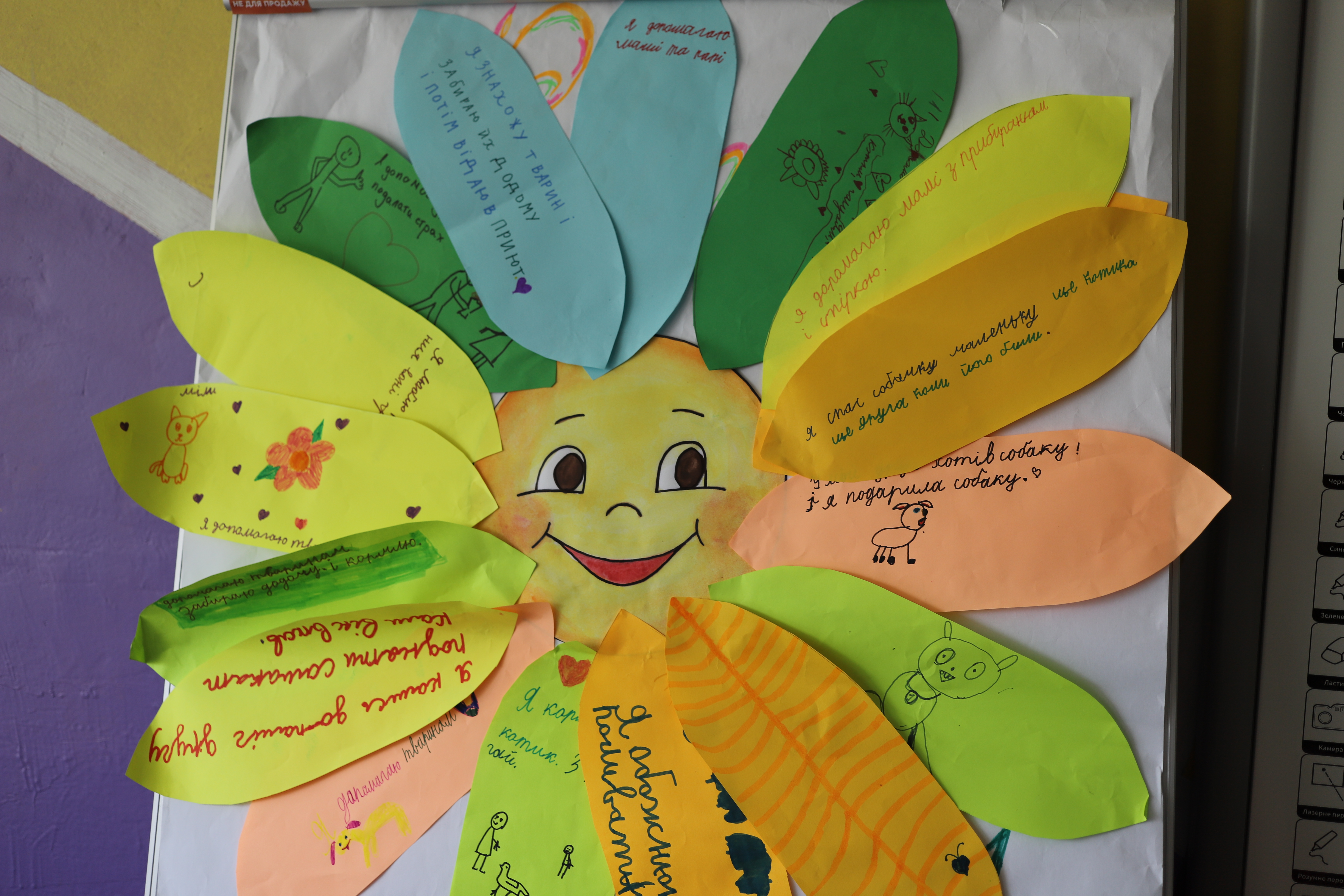
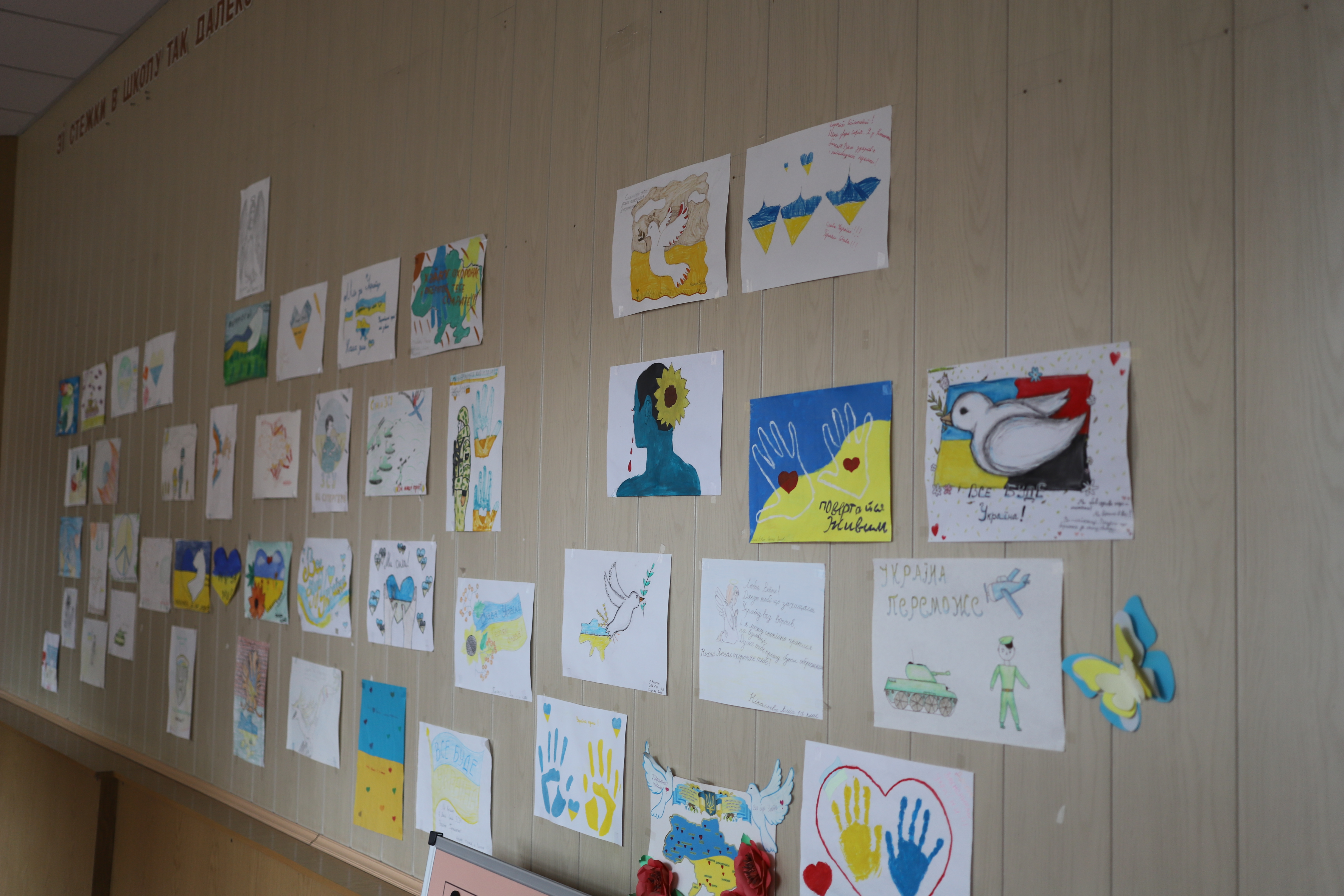
Alongside shelters and safety classes, a psychological relief room has become an essential place of support for everyone involved in the educational process. Amid constant stress, every school needs a safe space – a place where students can calm down after moments of anxiety, where parents can learn how to communicate with their children, and where teachers can find even a brief moment of peace.
According to the school’s director, one in three students has parents serving in the Armed Forces of Ukraine, and nine graduates of the school have been killed in the war. This is the reality faced by many Ukrainian schools today. Despite these painful losses, educators continue to support their students and model resilience.
“We see how children react to explosions, to personal difficulties, to the stress of preparing for university, and to the choice between studying abroad or staying in Ukraine. The psychological relief room is a place where they can simply be – sit quietly, draw, talk. We now have many therapeutic cards and games that help children forget about the war, even if only for a moment,” – Anatolii Hrychanovskyi, Director of the Lyceum.
It is important to emphasize that these are not just renovated rooms for teachers – they are spaces where children feel safe, where they can exhale and gather strength to continue learning amid air raid alarms, explosions, and power outages.
Support for educational institutions was provided within the project “School Up: Supporting Schools in the Sumy Region to Improve Safety and the Psychological Well-being of Students” implemented by East SOS with the financial support of the Fondation suisse de la Chaîne du Bonheur (Swiss Solidarity).
Recently, East SOS helped create safer conditions in schools of frontline communities in the Sumy region, with a total investment of UAH 5,500,000.