“Hunting for Humanitarian Vehicles”: The New Reality of Evacuation from Frontline Communities
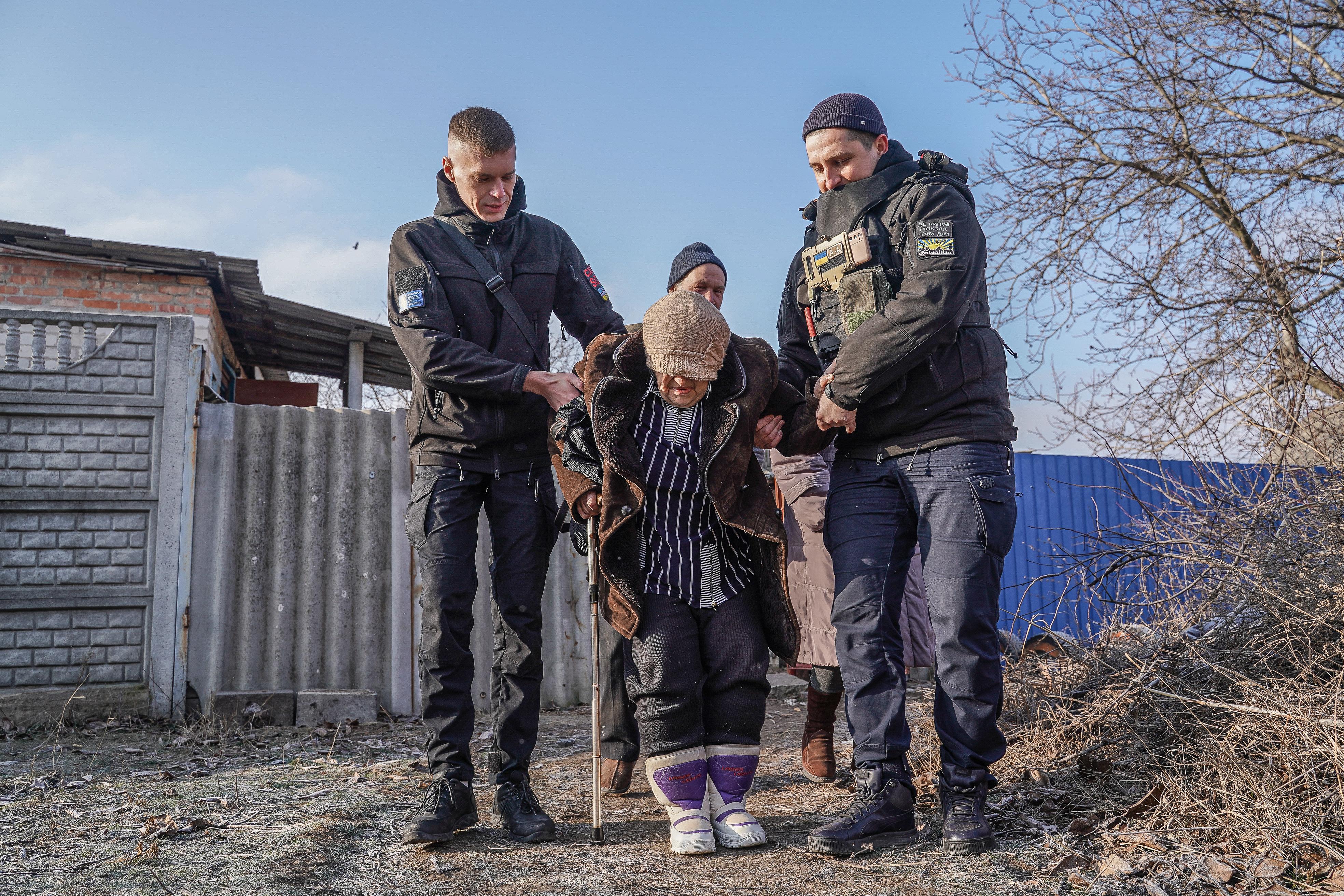
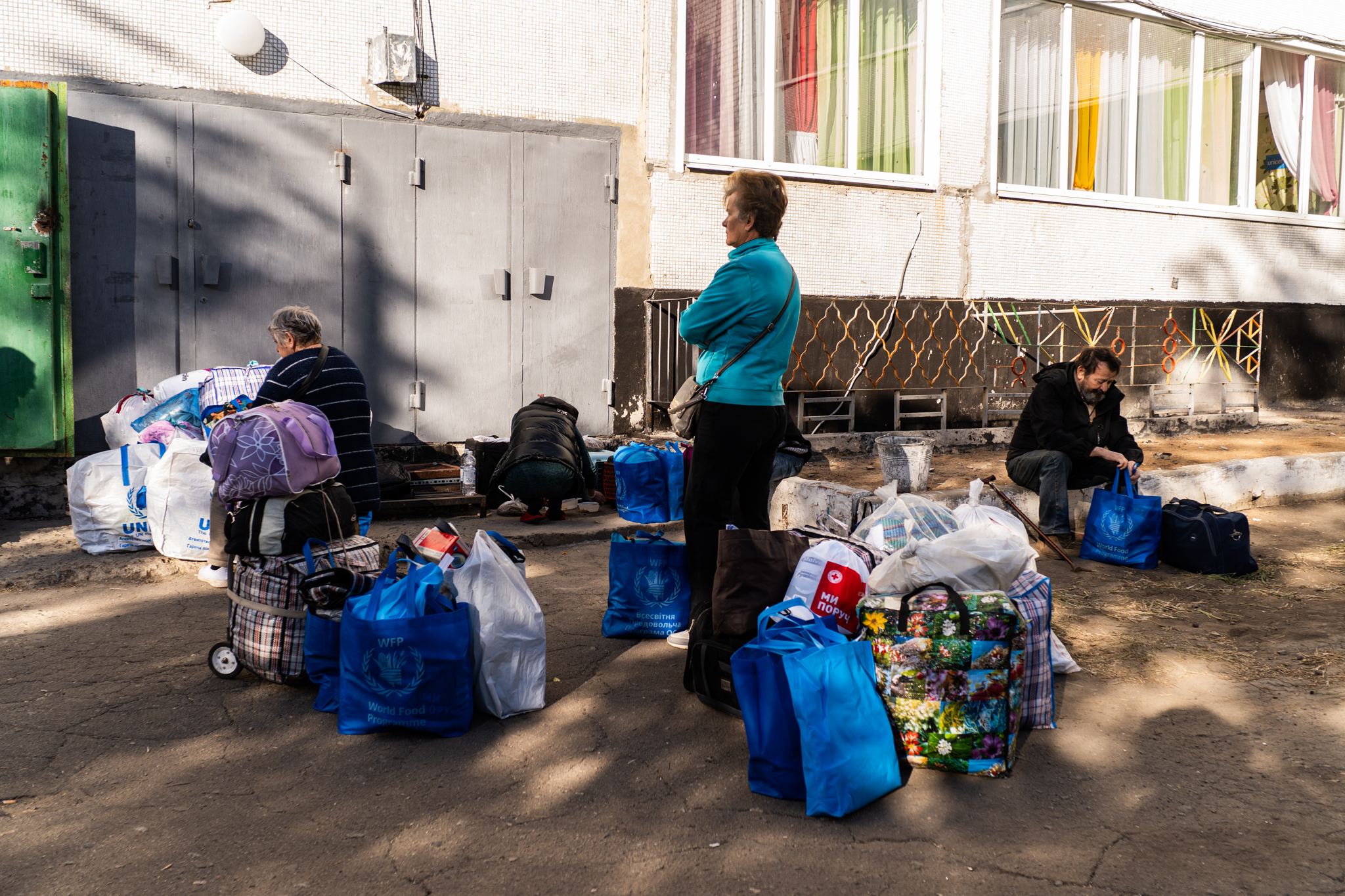
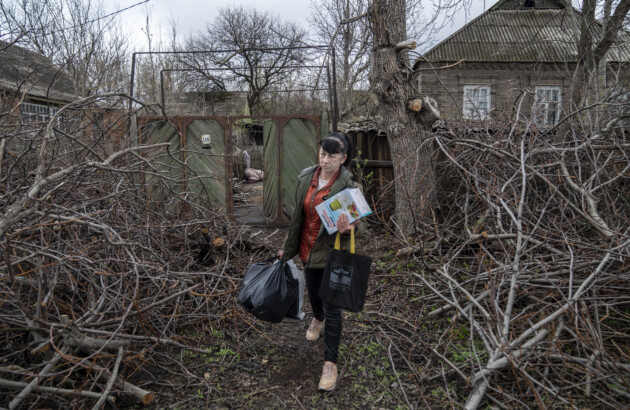
As of January 7, 2026, more than 33,000 people remain in frontline communities of the Donetsk region. According to the regional state administration, mandatory evacuation of families with children is ongoing in 11 settlements, where 698 children are still present.
Roman Buhaiov, Evacuation Specialist at East SOS, spoke to Ukrainian Radio about the current challenges faced by people evacuating from frontline areas.
Reflecting on 2025, he described it as one of the most difficult years of the full-scale war for the Donetsk region. The widespread use of drones and modern weapons has dramatically complicated both evacuation operations and humanitarian response:
“In 2022, we were able to work just hundreds of meters from the frontline. Today, even areas 20–30 kilometers away are no longer safe. Humanitarian vehicles are being targeted by the enemy.”
According to official data, by September 2025, 159 cases of enemy drones striking civilian and humanitarian vehicles had been recorded:
“We see a clear trend of targeted attacks on humanitarian and evacuation vehicles. These vehicles are followed, as are other cars and civilians. In reality, this has become a hunt for humanitarian workers.”
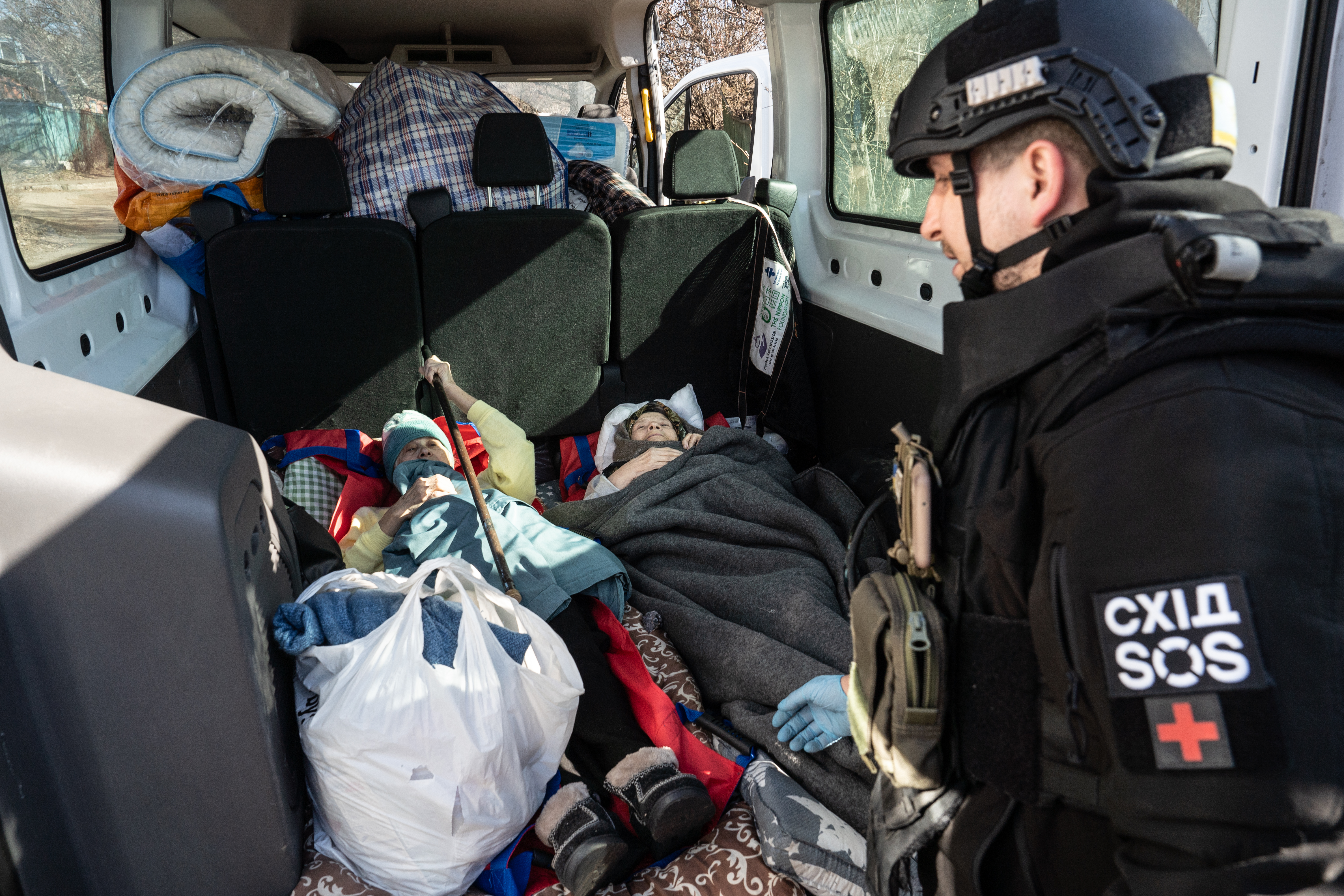
Since 2022, the East SOS team has been evacuating people from frontline areas, including people with limited mobility. Roman emphasizes that evacuation is not merely a transfer from point A to point B, but a long and complex process – from the first call to a hotline, through accommodation in a transit shelter, to assistance in finding permanent housing. In 2025, the Foundation’s primary evacuation focus was on the Donetsk and Dnipropetrovsk regions. Over the course of 11 months, East SOS evacuation teams helped more than 3,200 people leave the Dnipropetrovsk region.
At the same time, the need for resources to carry out evacuations and ensure the safety of teams remains consistently high. The active phase of evacuations from dangerous areas is ongoing: it occurs in waves and often intensifies suddenly following breakthroughs along the frontline.
Accommodation for people with limited mobility remains another particularly sensitive issue. East SOS runs an information campaign called “Queue of Life”, which highlights cases of people who are ready for evacuation but are forced to wait due to a lack of suitable accommodation. Currently, nearly 40 people remain on the waiting list and cannot be evacuated because there are no available facilities that can provide proper conditions and care:
“This is literally a queue of life. People have asked for help, but we cannot evacuate them until safe accommodation becomes available.”
He also emphasized that many people delay evacuation due to fear, exhaustion, or uncertainty. However, when the threat becomes immediate, attitudes often change:
“If a person lives within 20–30 kilometers of the frontline, it is crucial to have a backup plan and not delay evacuation if the situation worsens or the frontline shifts.”
For more details about the work of evacuation teams, watch the full interview with Roman Buhaiov by following the link.
Residents of the Donetsk, Dnipro, and Zaporizhzhia regions can register for evacuation by contacting the East SOS Call Center at 0800 332 614, Monday–Saturday, 8:00 AM–6:00 PM.
We also provide consultations via messengers:
Viber: +38 (099) 710 48 72
Telegram: +38 (096) 108 60 48
Since the beginning of the full-scale invasion, the East SOS team has evacuated more than 95,000 people from frontline areas, including over 15,000 people with limited mobility.
Photos: Jaracz Patryck, Yevhen Vasyliev, Carlos Bravo.
Earlier, we shared stories about the efforts of the East SOS super team in 2025, supporting people in need.