Humanitarian Situation in Communities of the Dnipropetrovsk Region: East SOS Conducted Monitoring in the Dnipro District
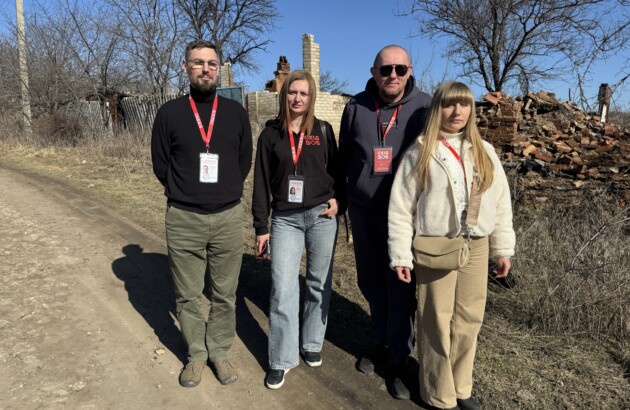
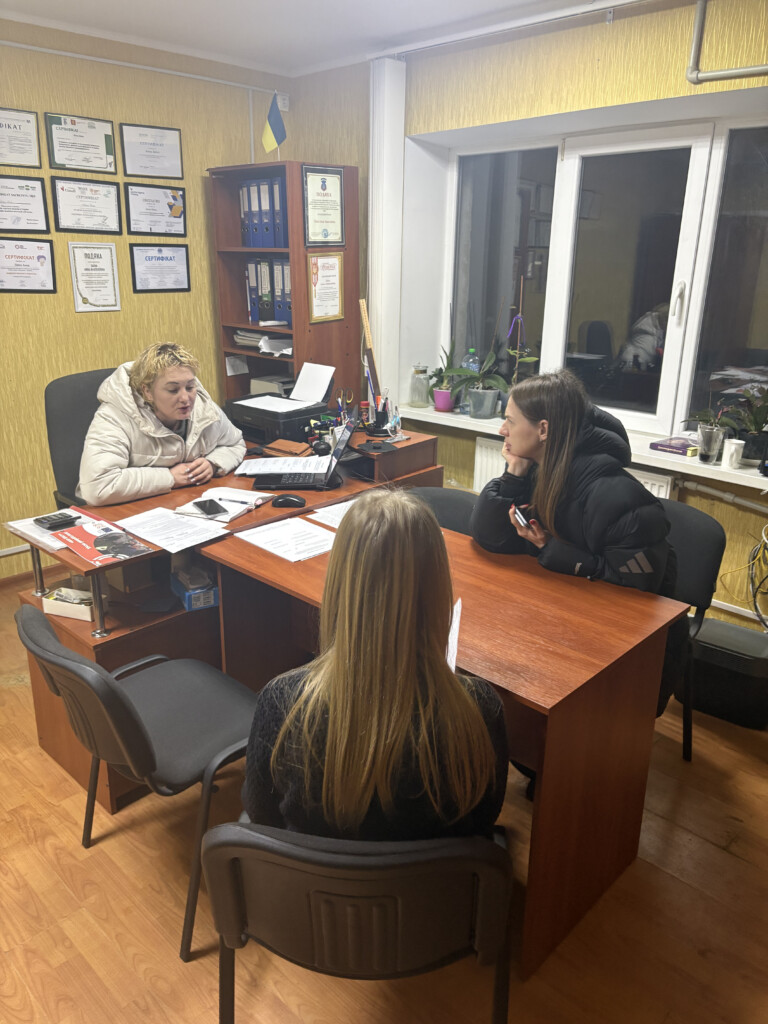
In January–February 2026, the East SOS team conducted monitoring of the humanitarian situation and needs assessment in 16 communities of the Dnipropetrovsk region, primarily in the Dnipro district. The assessment covered urban (Pidhorodnie), settlement (Tsarychanka, Slobozhanske, Petrykivka, Obukhivka, Solone, Novopokrovka, Sviatovasylivka), and rural communities (Novooleksandrivka, Sursko-Lytovske, Liubymivka, Chumaky, Mykolaivka, Mohyliv, Kytaihorod, and Liashkivka).
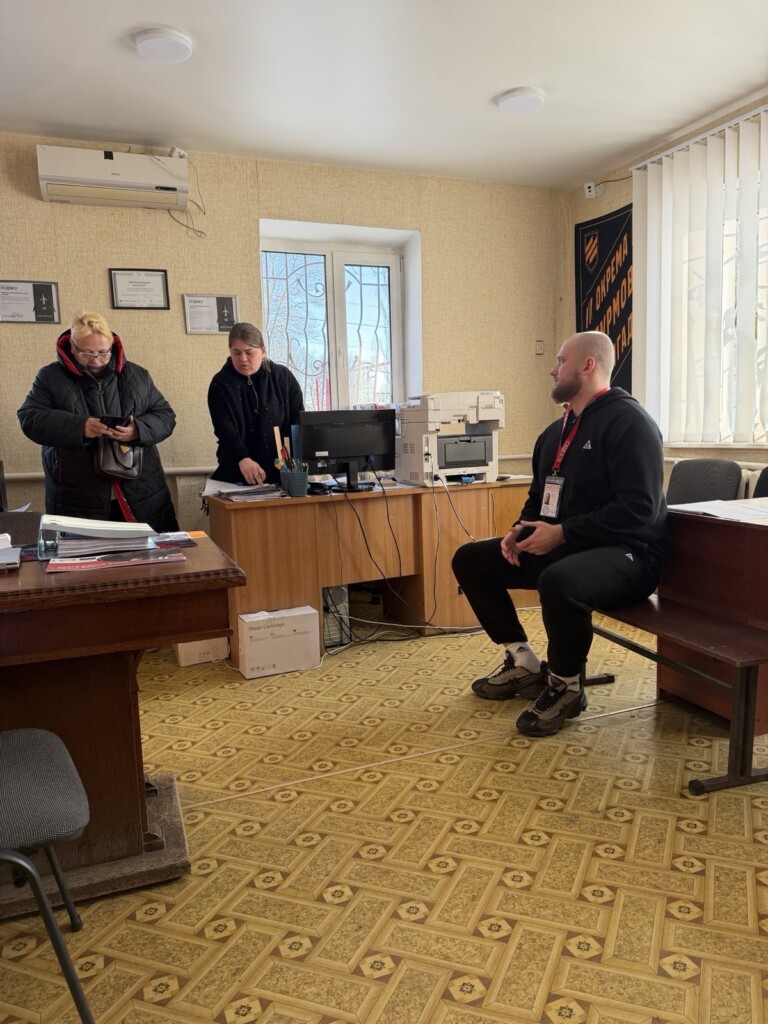
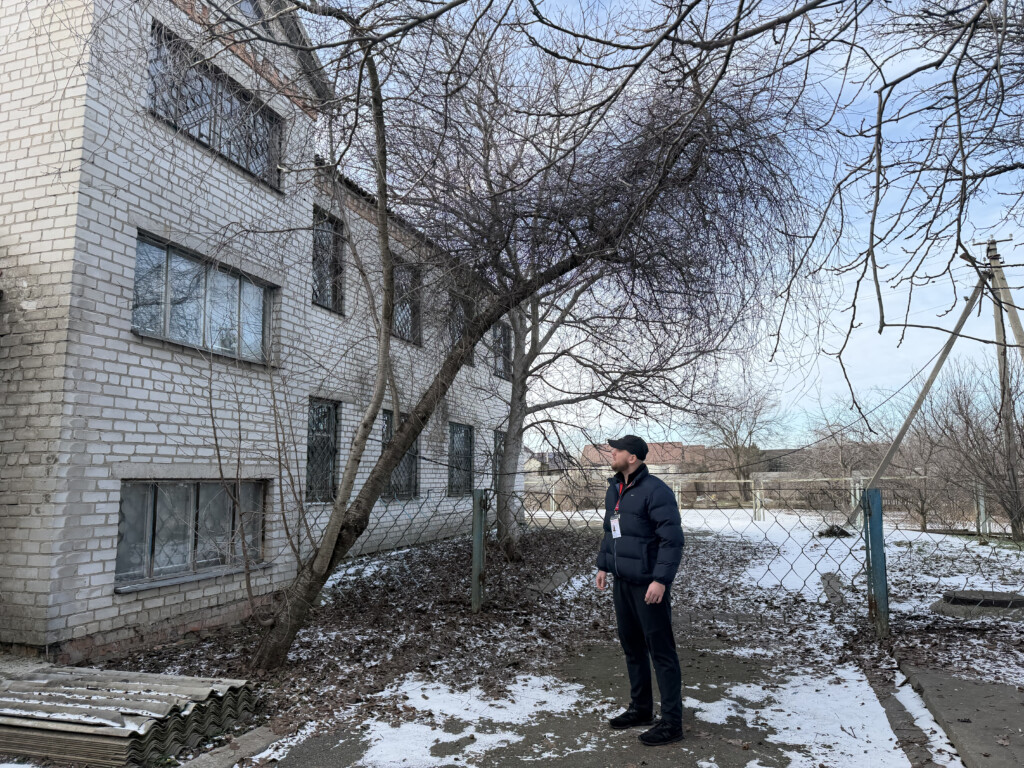
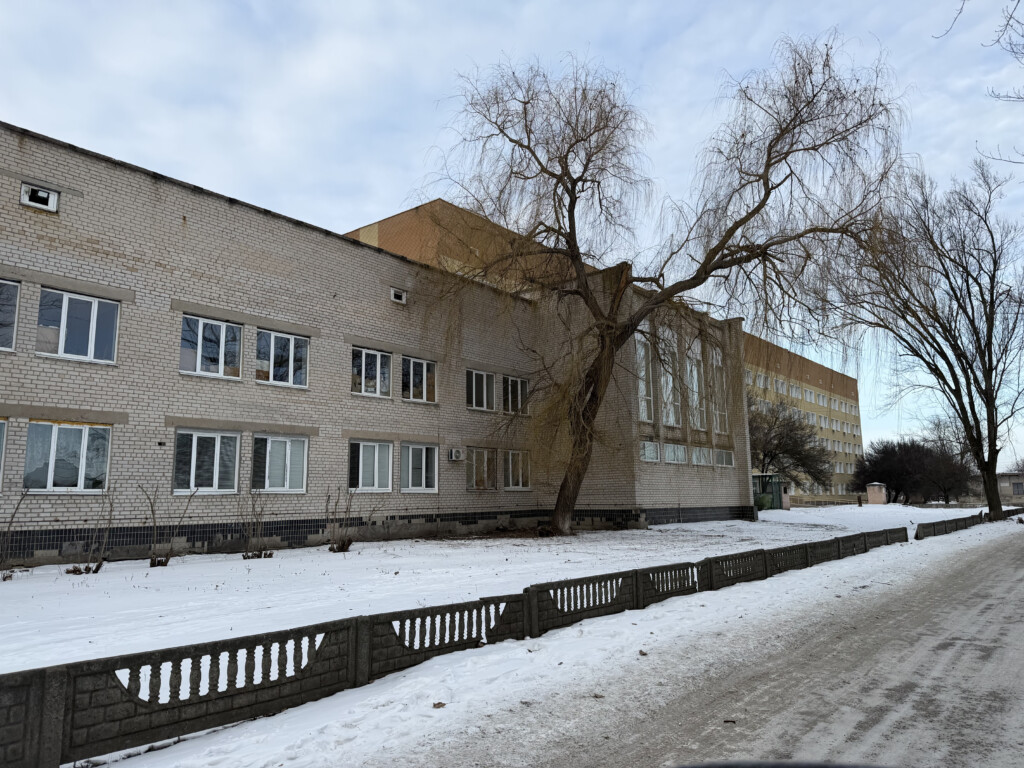
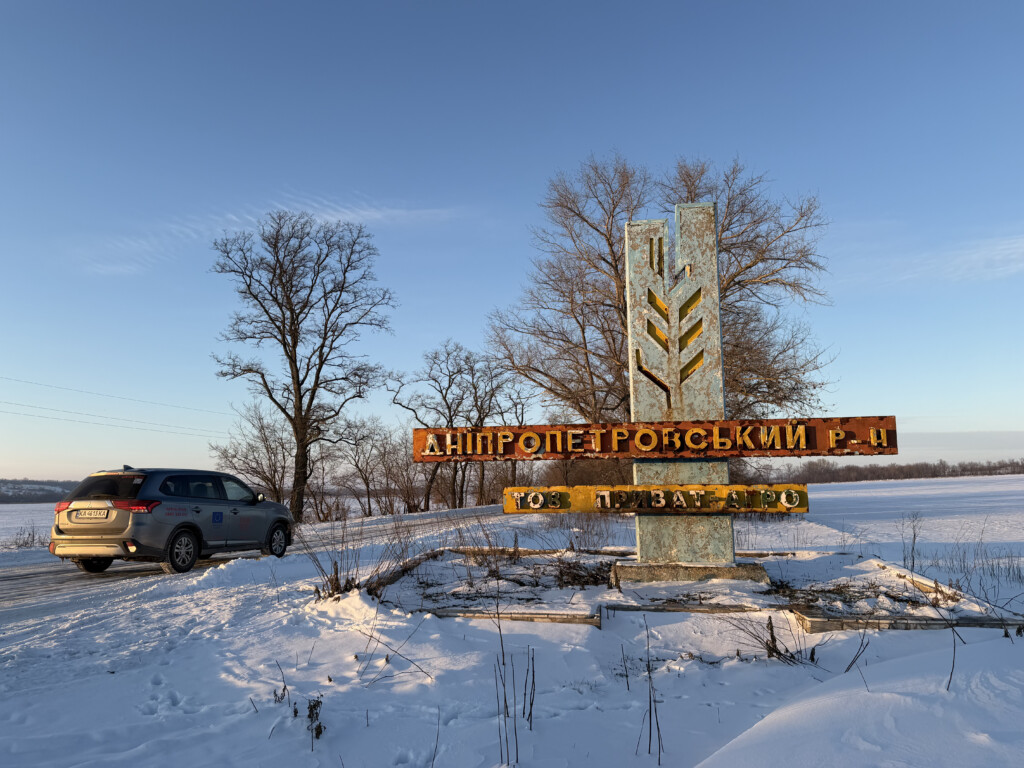
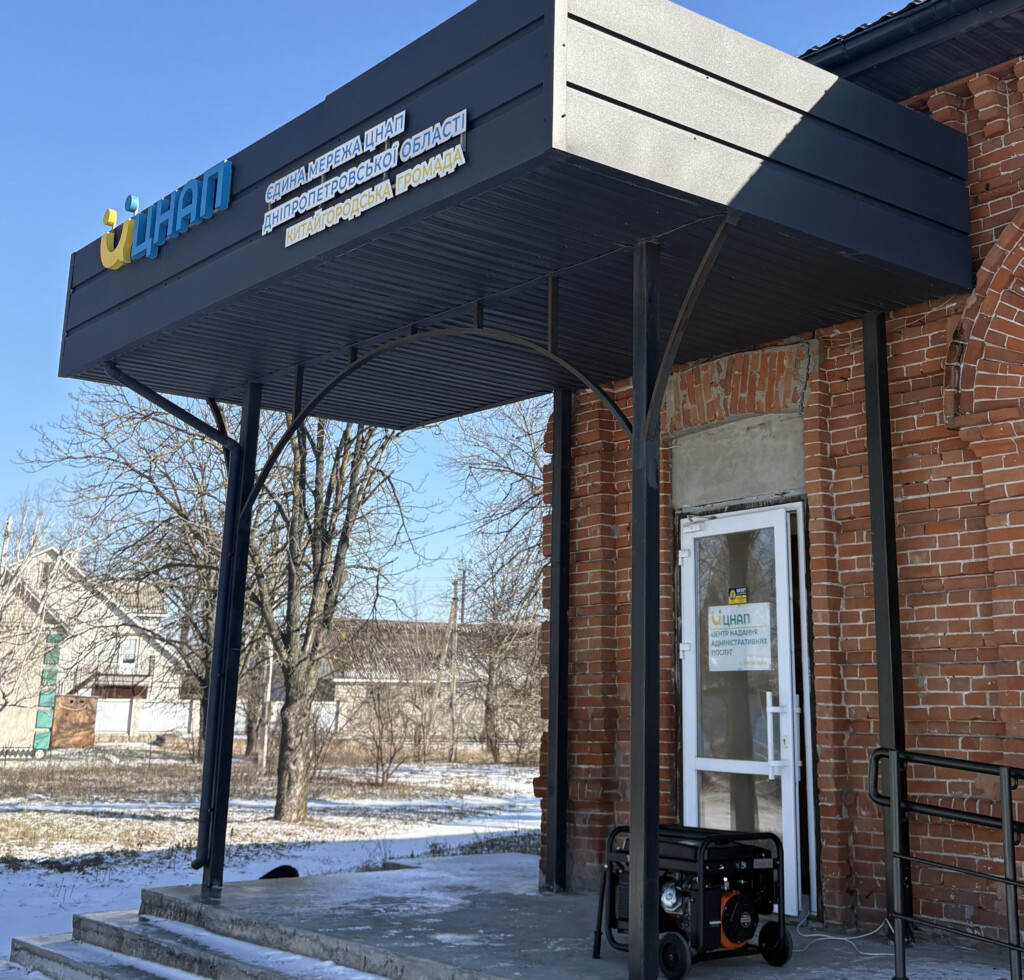
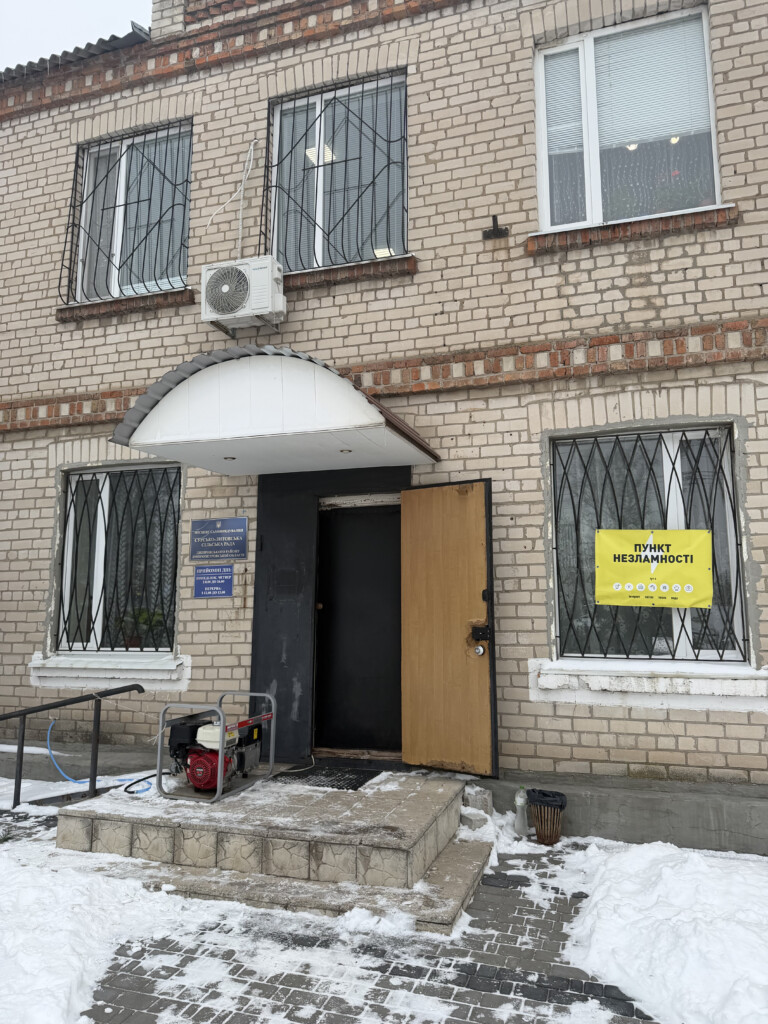
As of February 2026, the Dnipro district is not included in the list of territories where active hostilities are ongoing or possible. The district continues to receive people relocating from more dangerous frontline areas. The communities hosting the largest numbers of internally displaced persons (IDPs) are Slobozhanske (28,553), Pidhorodnie (25,000), and Solone (24,406).
Overall, the infrastructure situation remains stable. Most communities report satisfactory road conditions and functioning transport connections. Administrative institutions operate in community centers, including administrative service centers, social protection departments, pension offices, and tax authorities.
Residents have access to medical services through hospitals, outpatient clinics, and primary healthcare units. Educational institutions function in offline, online, and blended formats, depending on local capacity and safety considerations. No mined areas have been identified in the assessed communities. The level of housing damage from shelling is minimal, ranging from 0% to 5%.
Based on the monitoring results, the East SOS team identified several priority challenges in the assessed communities:
- Energy Dependence of Water Supply
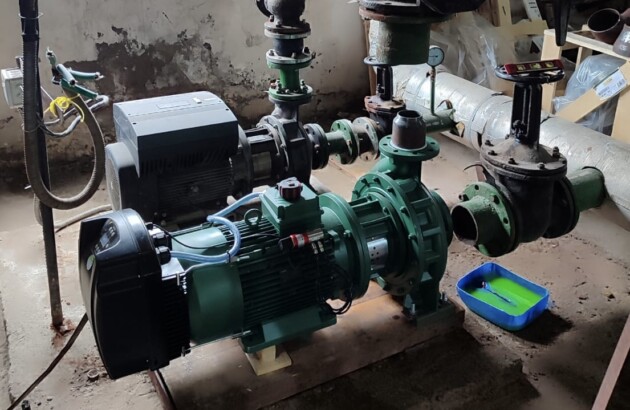
In the Liubymivka and Liashkivka communities, residents rely primarily on wells and boreholes for water supply. During power outages, water pumping systems stop functioning, leaving households without access to water.
- Need for Repairs and Equipment in Temporary Accommodation Facilities (TAFs)
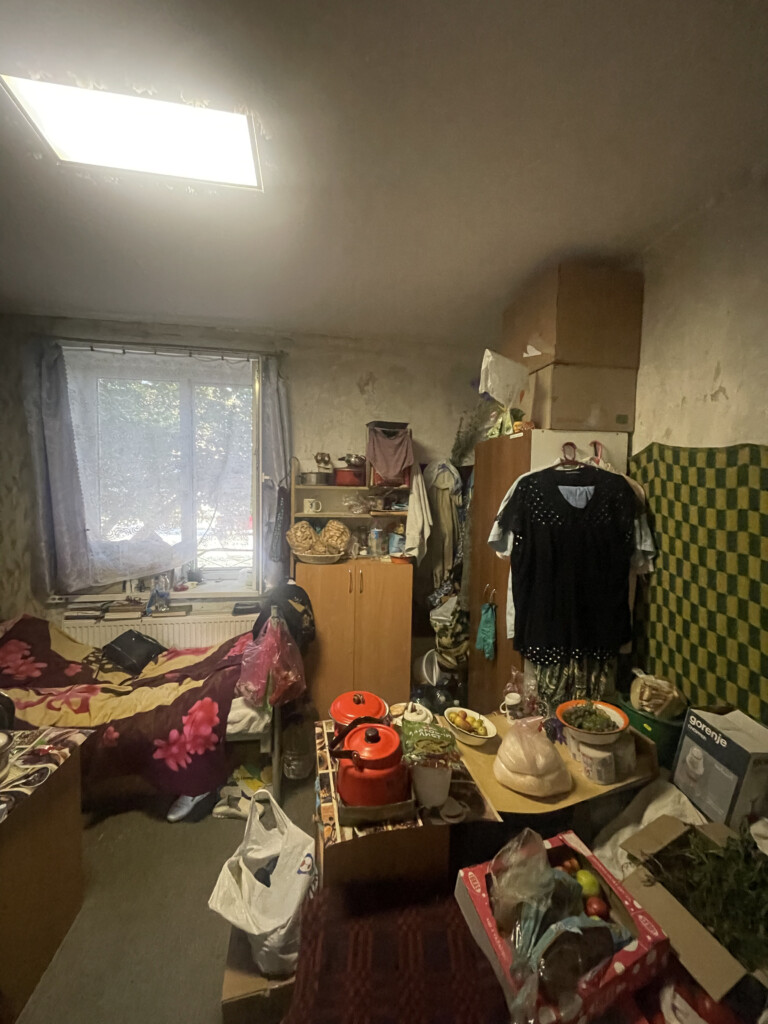
Many temporary accommodation facilities (TAFs) require major repairs and refurbishment. In particular, there are two TAFs in the Liubymivka community: one in Liubymivka, designed for 150 people, and the other in Prydniprianske, designed for 98 people. Both need additional equipment: roof repair and insulation; ceiling repair and installation of exhaust ventilation; installation of ramps to ensure accessibility; and restoration of water wells.
There are two TAFs in the Chumaky community. The facility in the village of Chumaky is designed to accommodate 46 people and requires a ramp, a boiler, and electric stoves for cooking. In the village of Pryiut, which is designed to accommodate 55 people, there is a need to equip the premises in line with inclusion standards and to repair the sewage system. In the Liashkivka community, the TAF is designed for 50 people and also requires cosmetic repairs and additional equipment.
- Lack of Hygiene Products and Mobility Aids for People with Reduced Mobility
The monitored communities have a significant number of elderly people living alone and persons with disabilities who depend on social workers for daily support. These individuals require a regular supply of hygiene products, as well as mobility aids such as wheelchairs, crutches, and walking sticks. To effectively reach residents in remote settlements, social workers also need electric bicycles to ensure timely, consistent service delivery. In the Mohyliv community, premises identified for the establishment of a new TAF require reconstruction, including major repairs to the roof, flooring, and electrical system. The community is currently seeking funding to implement these works.
- Shortage of Power Supply Equipment
Due to ongoing attacks on energy infrastructure, communities continue to experience power outages and scheduled blackouts. To maintain access to administrative services and ensure the uninterrupted operation of critical infrastructure, including healthcare facilities, communities require generators with capacities ranging from 15 kW to 500 kW.
- Lack of Solid Fuel Ahead of the Heating Season
IDPs and other vulnerable groups living in private households with stove or solid fuel heating systems face significant financial constraints and are unable to independently purchase sufficient firewood or fuel briquettes.
Communities require support in building up solid fuel reserves in preparation for the upcoming heating season. Priority communities include Mohyliv, Kytaihorod, Sursko-Lytovske, Tsarychanka, Pidhorodnie, Mykolaivka, Sviatovasylivka, and Petrykivka.
The monitoring was conducted within the framework of the project “Support for war-affected representatives of vulnerable groups and residents of remote areas of Ukraine”, implemented by East SOS with the financial support of the European Union. The content of this publication is the sole responsibility of the Foundation and does not necessarily reflect the views of the European Union.
Recently, East SOS conducted monitoring in 17 settlements of the Dnipropetrovsk region.