East SOS supported residents of Zaporizhzhia who survived the russian shelling
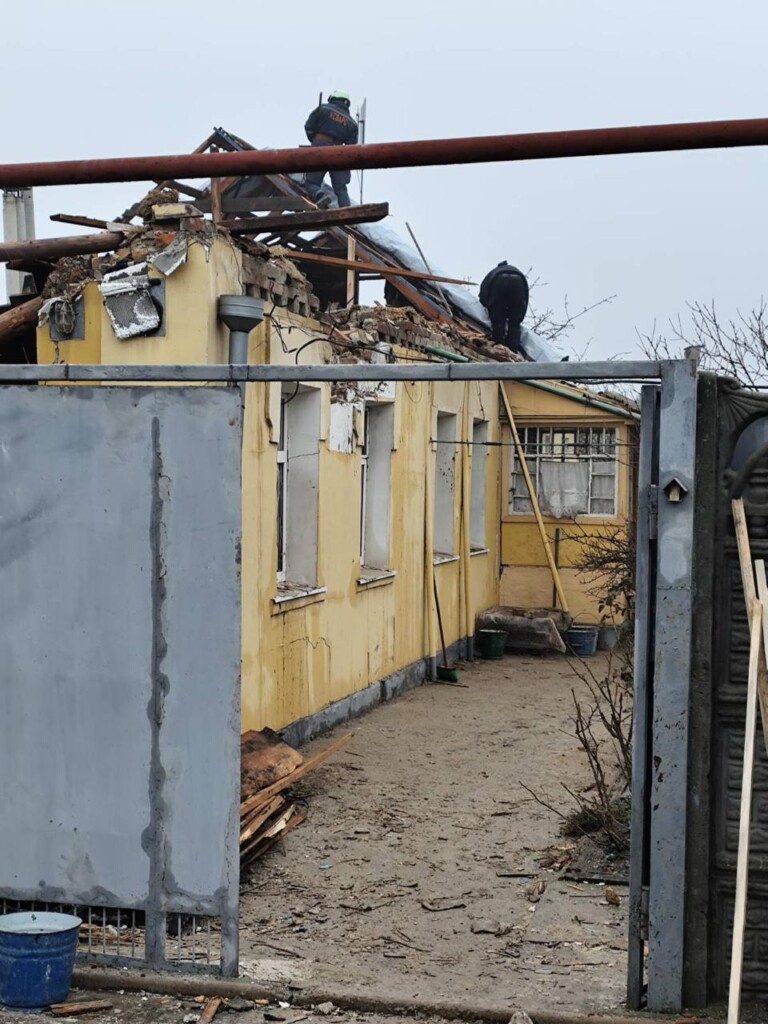
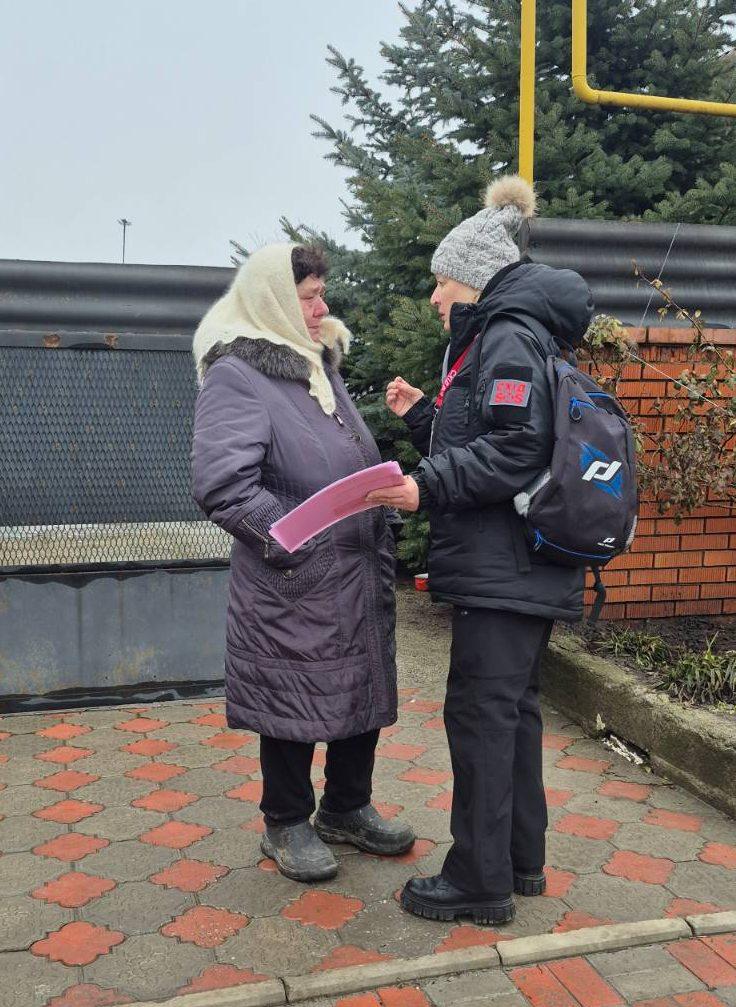
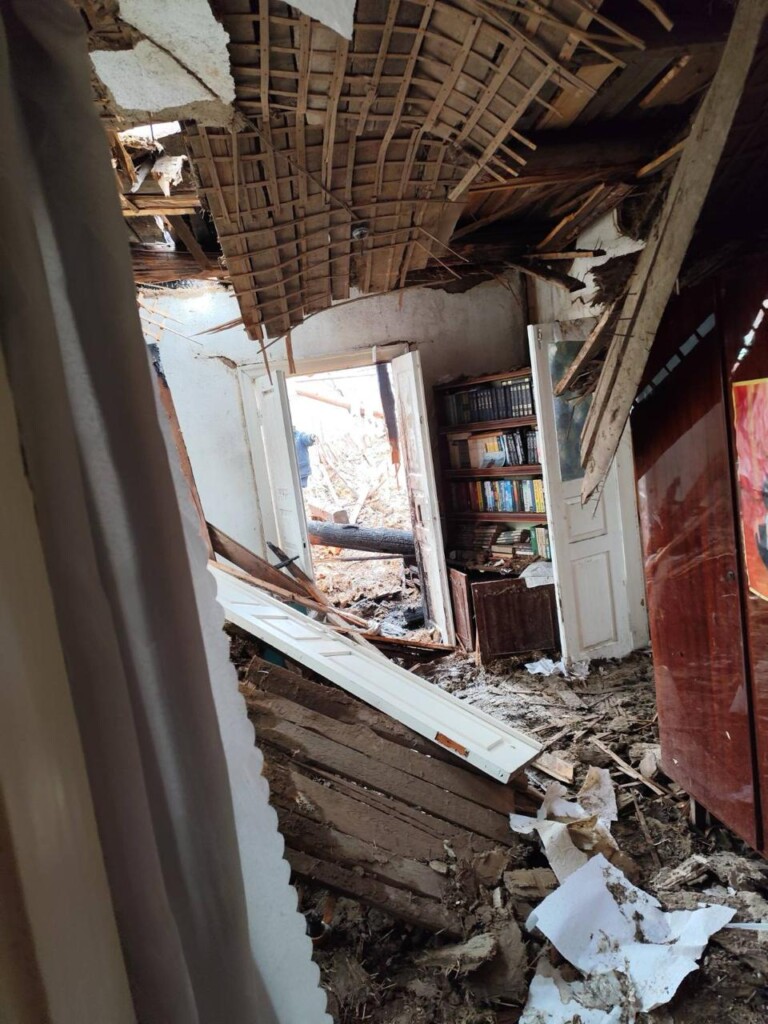
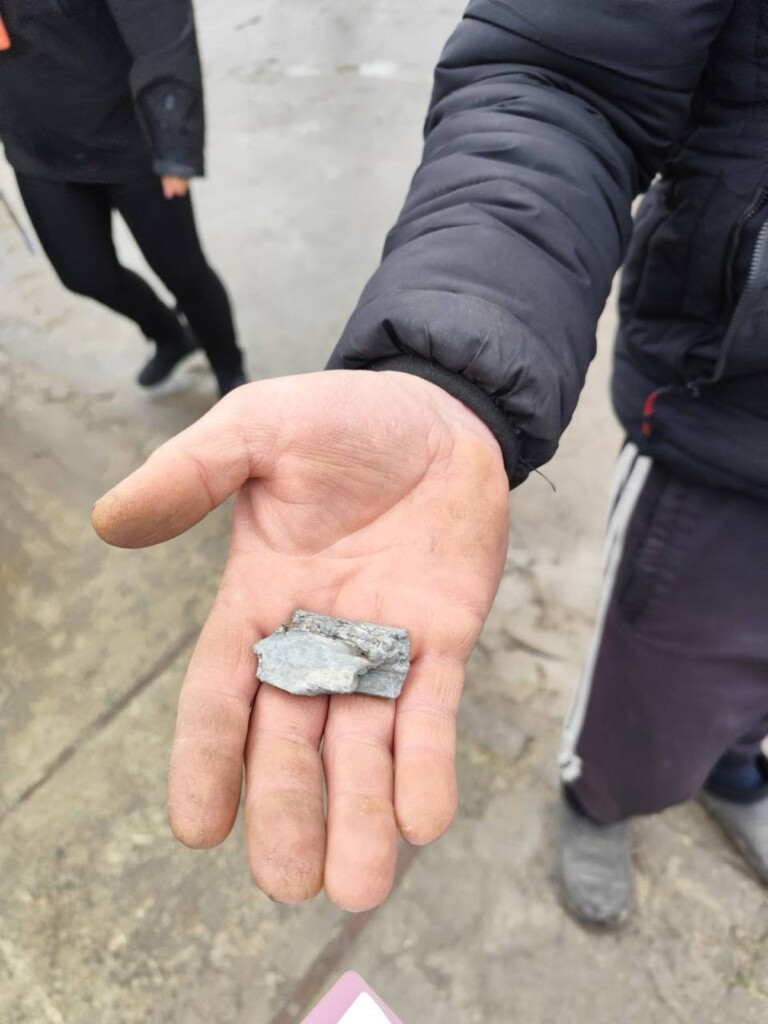
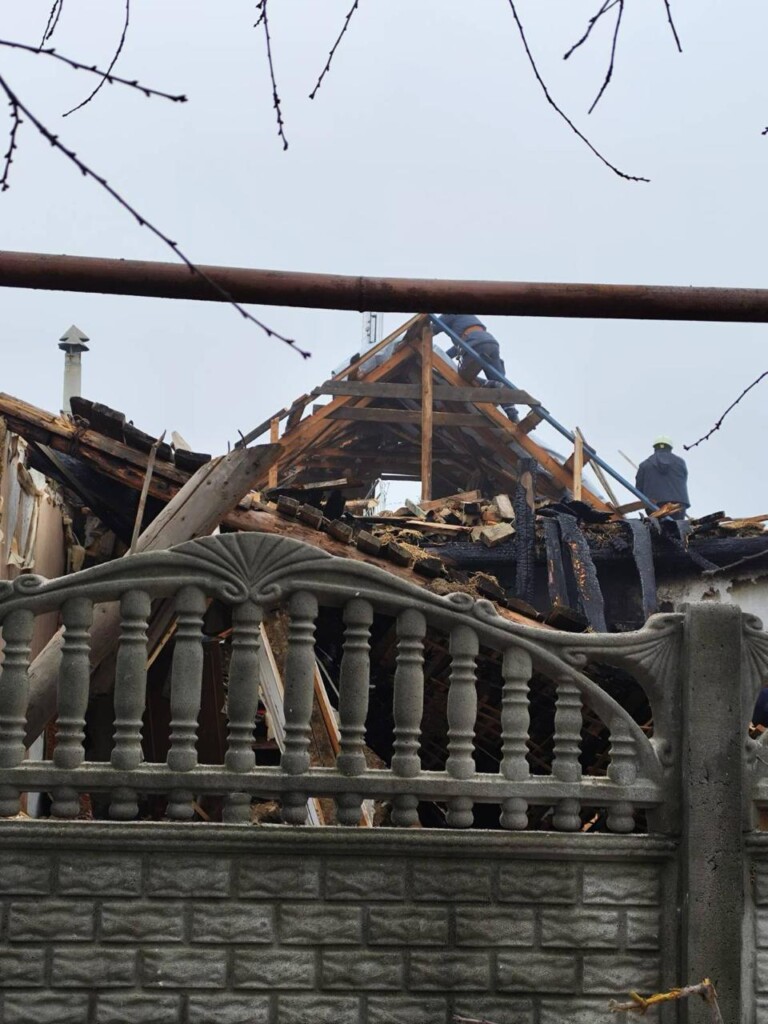
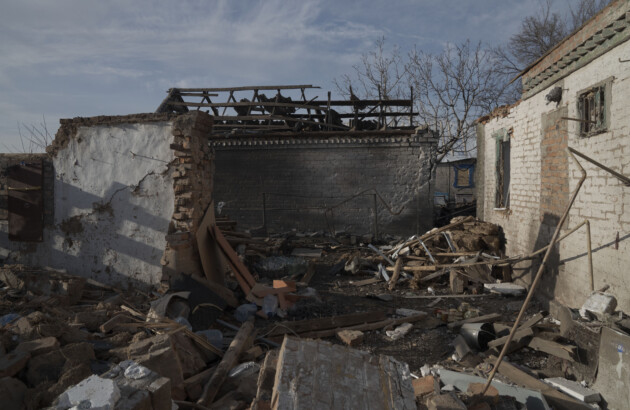
Last night, russia once again attacked Zaporizhzhia with shaheds. The attack damaged 21 houses and sparked a fire in the city’s private sector. According to Ivan Fedorov, three people were injured: a 75-year-old man and two women aged 73 and 55.
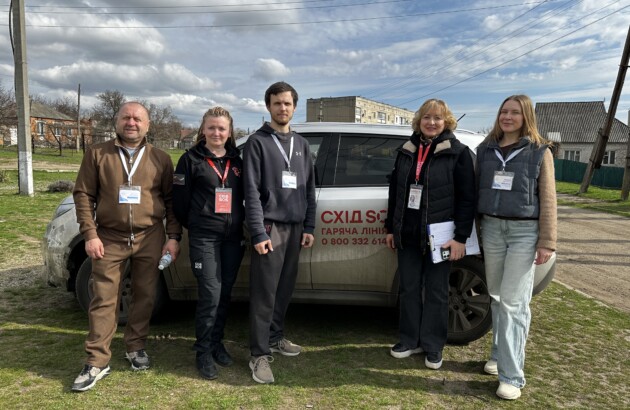
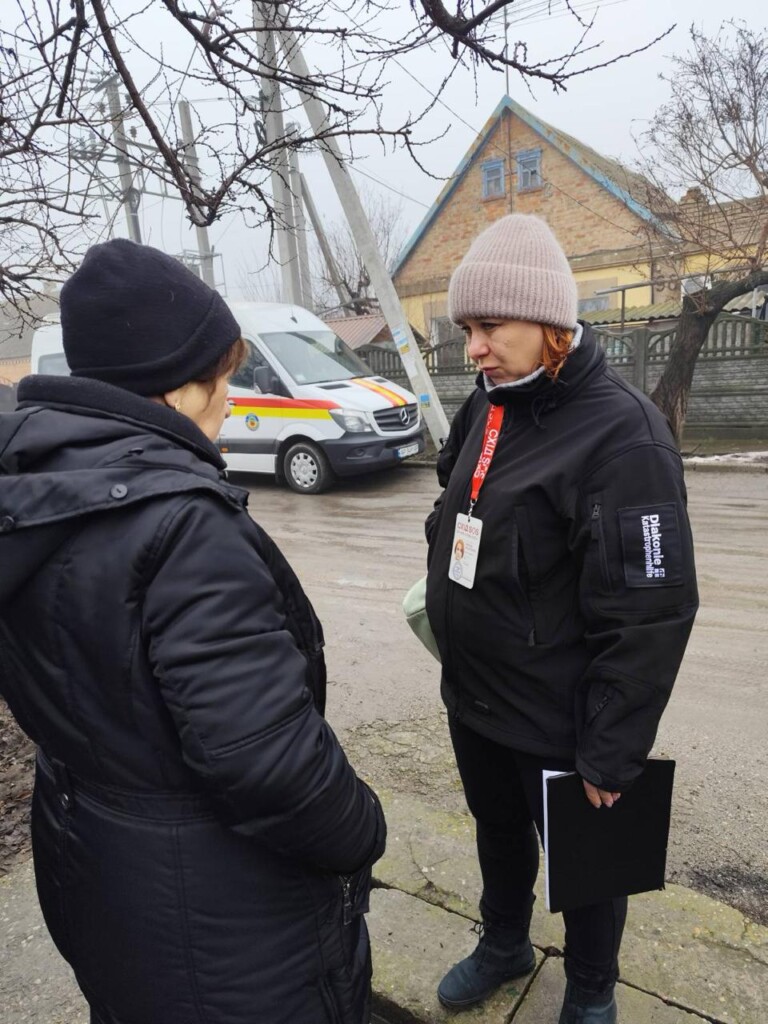
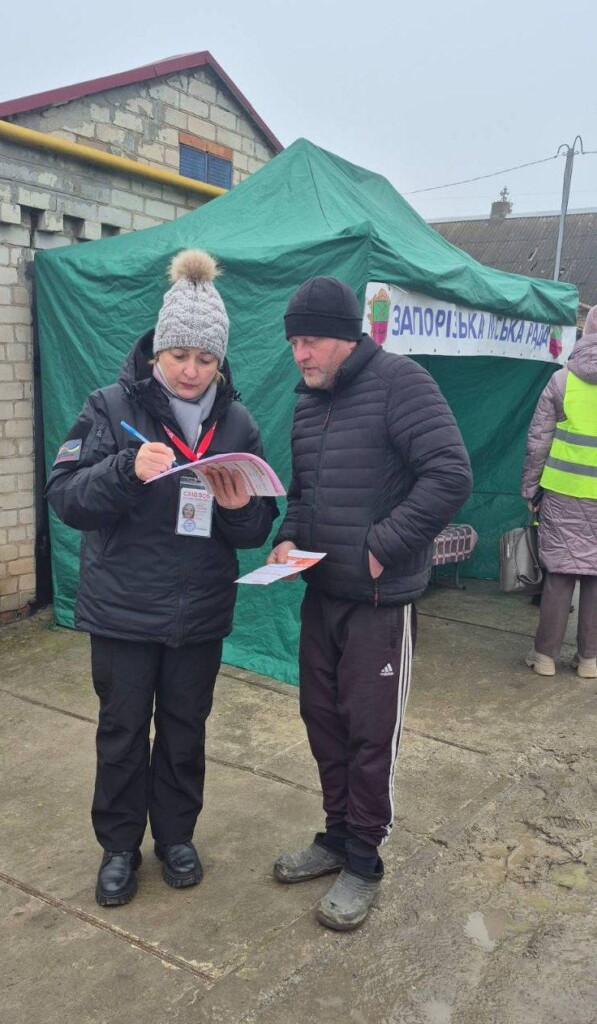
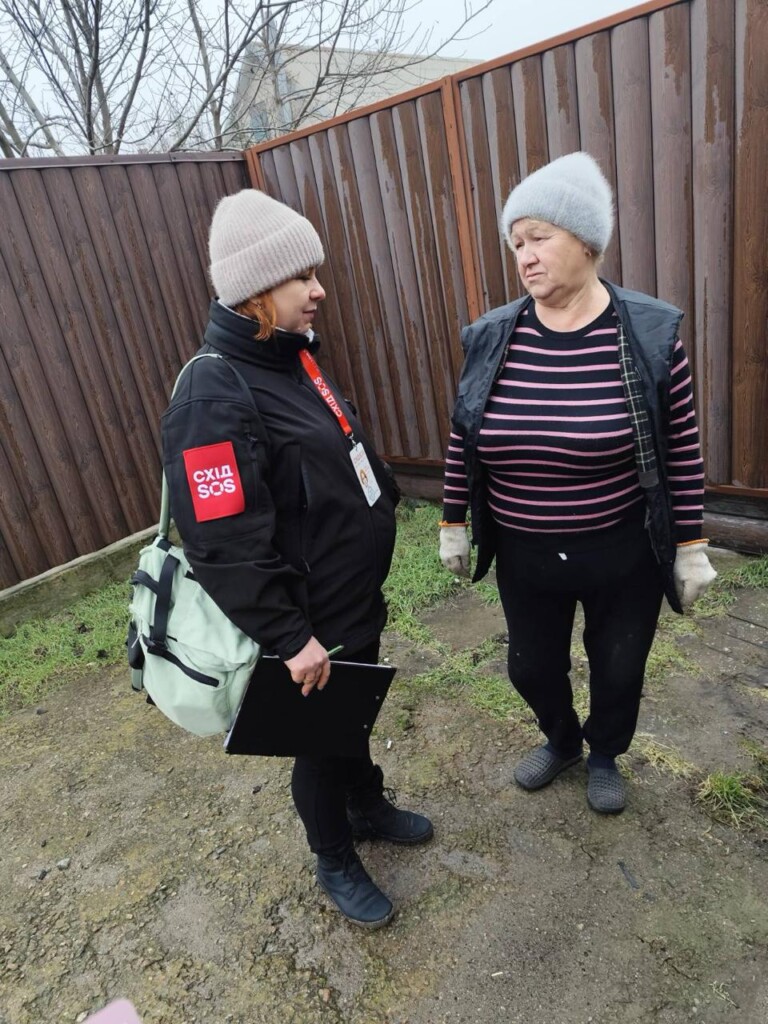
The East SOS team provided immediate support to the victims.
Psychologist Raisa Tolochko conducted six counseling sessions.
She shared: “A woman living in one of the destroyed houses experienced severe emotional distress and memory gaps. The drone struck their bedroom while she and her husband were inside. Fortunately, both survived, though her husband was injured in the face by shrapnel. We were able to stabilize her emotional state and provide contacts for continued psychosocial and legal support in our center.”
Liubov Vasylenko, a lawyer of the Foundation, provided eight consultations on submitting applications for the “eRecovery” program, registering property in the State Register of Property Rights, and the procedure for obtaining compensation for damaged housing.
Among the residents of the affected area, the team met 89-year-old Kateryna, who had suffered a stroke and requires a walker for mobility.
If you or your relatives have been affected by shelling, please contact the Psychosocial and Legal Support Space “Zatyshno Space” run by East SOS:
Zaporizhzhia, 3 Pivdennoukrainsk St. (opposite the Mimmo restaurant, “Myr St.” stop)
+38 (097) 021 41 53 (Tue–Sat, 10:00 AM–6:00 PM)
East SOS lawyers are also available by phone:
0 800 332 614 (Mon–Sat, 8:00 AM–6:00 PM)
- Psychosocial assistance was provided within the framework of the project “Protection and Necessary Psychosocial Support for War-Affected Frontline Residents” with financial support from the German Federal Foreign Office.
- Legal assistance was delivered within the project “Comprehensive Humanitarian Assistance to Conflict-Affected Ukrainians and Third Country Nationals in Ukraine, Poland, Romania, and Moldova,” implemented with the support of Diakonie Katastrophenhilfe and funding from the German Federal Foreign Office.